DbcultAccessing Vault...
6.9/10
Senior Film Conservator
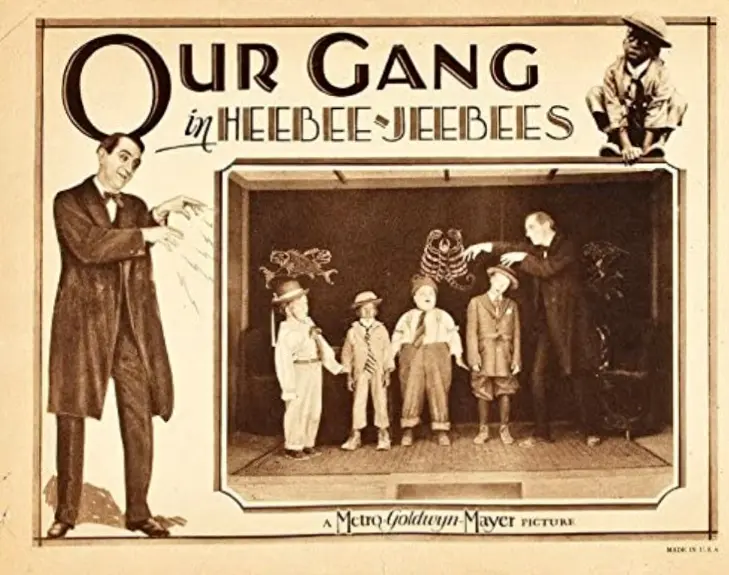
A definitive 6.9/10 rating for a film that redefined the boundaries of cult cinema. Heebee Jeebees remains a cornerstone of transgressive art.
Is 1927's Heebee Jeebees worth watching today? Short answer: yes, but only if you are willing to look past the technical dust of the silent era to find the raw, unhinged energy of child-led anarchy.
This film is for the cinema historian who appreciates the roots of ensemble comedy and the fan of Hal Roach’s 'Our Gang' who wants to see the series at its most experimental. It is NOT for the viewer who demands high-definition polish or a plot that follows modern logic. It works. But it’s flawed.
This film works because it leans entirely into the physical capabilities of its young cast, allowing them to bypass the need for dialogue through pure, visceral movement. This film fails because the narrative bridge between the initial hypnosis and the final tea party feels like a missed opportunity for deeper character-driven gags. You should watch it if you want to see Allen 'Farina' Hoskins and Joe Cobb demonstrate why they were the most bankable child stars of the 1920s.
At its heart, Heebee Jeebees is a film about the thin veneer of civilization. The hypnotist isn't just a plot device; he is a catalyst for the release of the 'id.' When the gang starts acting like animals, it isn't just cute—it’s unsettlingly committed. Watching a young Farina or Joe Cobb lose themselves in these roles provides a window into the type of physical training these child actors underwent. It’s a stark contrast to the more theatrical, stiff performances seen in contemporary adult dramas like The Show.
The direction here, while credited in various capacities, carries the unmistakable DNA of the Hal Roach studio. There is a specific rhythm to the gags—a slow build followed by a frantic release. Consider the scene where the hypnotist first initiates the trance. The camera stays relatively static, allowing the children to fill the frame with their transformations. This is a common trope of the era, also seen in Pigtails and Peaches, where the environment is secondary to the performance.
However, the pacing in the middle act stutters. We see the gang return to their 'normal' roles, which feels like a narrative reset that lasts a beat too long. The transition to the afternoon tea social is where the film regains its footing. The tea party is a masterclass in tension. You know the spell is coming back. The audience is just waiting for the first tea cup to be knocked over or the first bark to be uttered. It’s a classic setup that the Our Gang series would refine over the next decade.
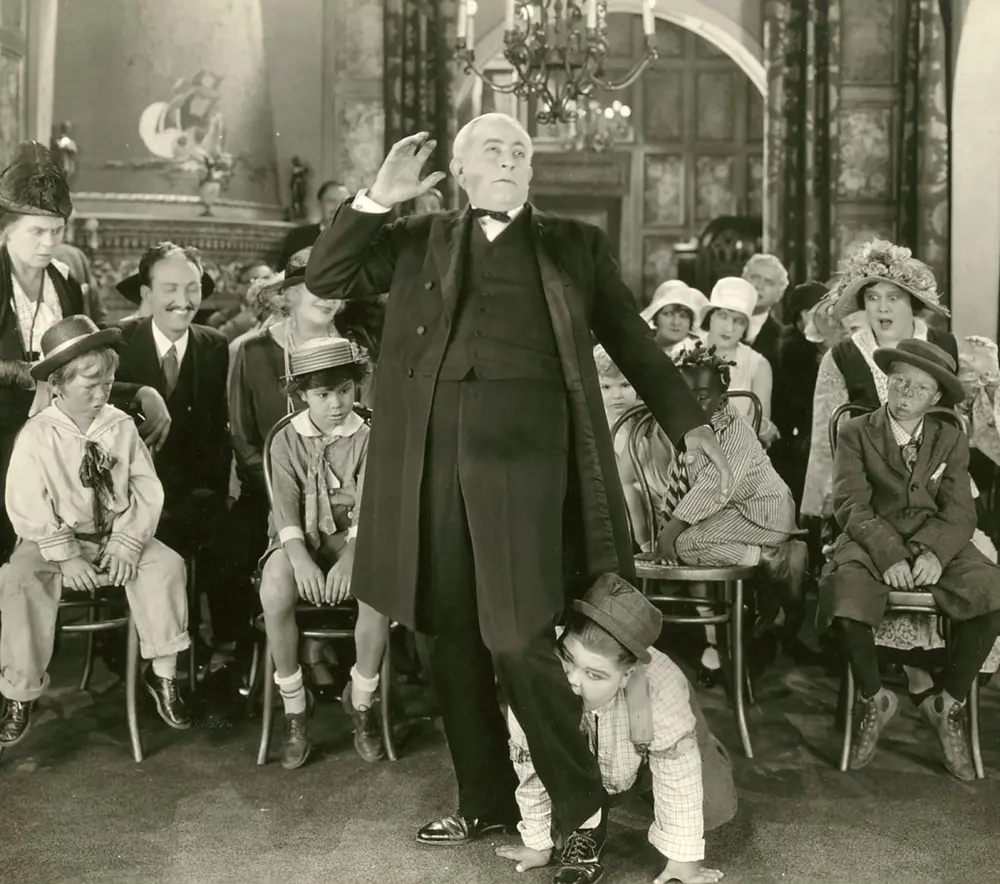
Allen 'Farina' Hoskins remains the standout. In 1927, Farina was essentially the glue that held these shorts together. His timing is impeccable. When the 'heebee jeebees' return, his shift from a polite child to a bewildered animal is done with a subtlety that belies his age. He doesn't overact; he simply exists in the moment of the gag. This is a level of professionalism that many adult actors in The Prince of Pilsen struggled to achieve.
Joe Cobb provides the necessary physical counterpoint. His presence is inherently comedic, but his commitment to the bit—especially during the trance sequences—is what makes the absurdity work. The rest of the gang, including Bobby 'Wheezer' Hutchins and Jean Darling, fill out the background, but the heavy lifting is done by the veterans. The Wonder Dog Pal also deserves a mention; the interaction between the 'animalized' children and a real dog creates a bizarre, surrealist layer to the comedy.
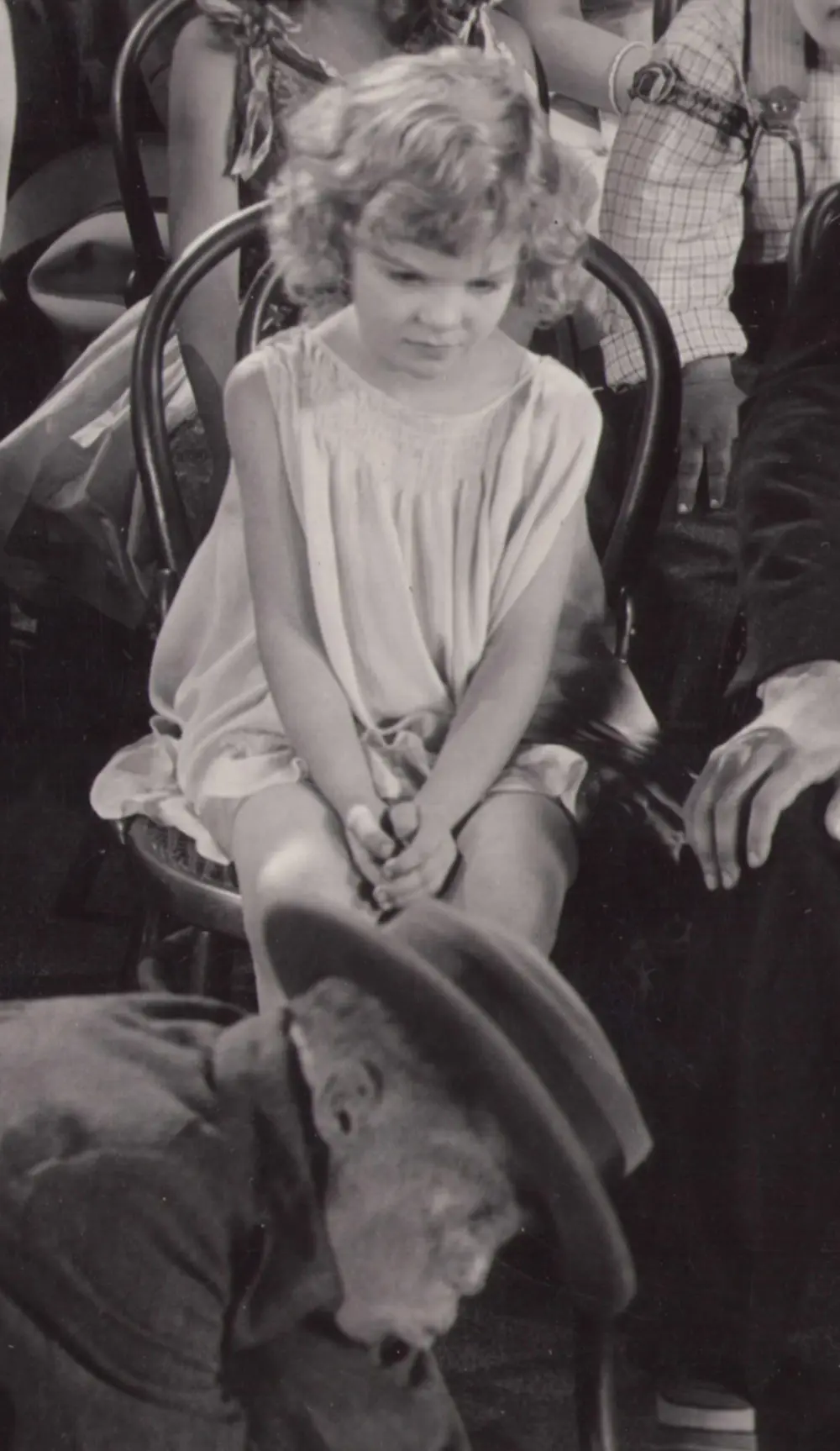
Visually, the film is a product of its time, but that doesn't mean it's devoid of style. The use of natural light in the outdoor scenes gives the film a grounded, gritty feel that contrasts sharply with the artificiality of the tea social. The social itself is shot with more rigid, formal framing. This visual choice emphasizes the constraints of the setting, making the inevitable explosion of chaos more satisfying. It’s a technique used effectively in other 1927 releases like A Bedroom Scandal, though here it is used for slapstick rather than melodrama.
The 'heebee jeebees' themselves are a visual gag that relies on the audience's imagination as much as the actors' movements. There are no special effects here. No shimmering lights to indicate a trance. It is pure performance. This creates a sense of immediacy that modern comedies often lose with their reliance on post-production. It’s raw. It’s honest. It’s slightly mad.
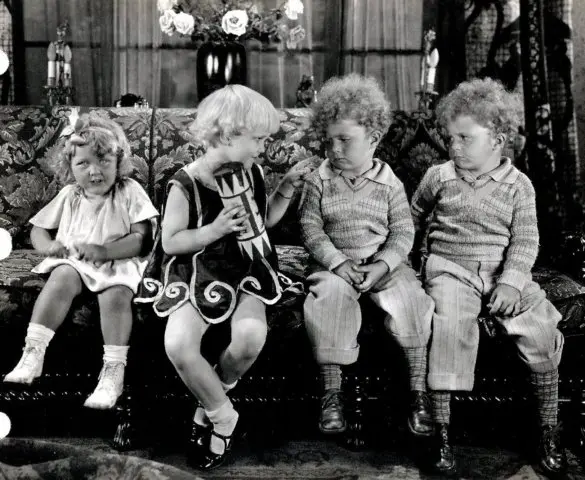
Is Heebee Jeebees a masterpiece of silent cinema? No. It is a functional, highly entertaining short that showcases a specific era of child stardom. If you are looking for deep thematic resonance, you might find it in the subtext of social rebellion, but on the surface, it is a well-oiled gag machine. It is absolutely worth 20 minutes of your time if you want to understand the evolution of the American sitcom.
Does the comedy still hold up? Much of it does because physical comedy is universal. A child acting like a dog at a formal party is funny in 1927, and it’s funny in 2024. However, the cultural context of the Our Gang series is complex. While these films were progressive for their time in terms of integrated casting, they still carry the baggage of their era. To watch Heebee Jeebees today is to engage with a piece of history that is both charming and occasionally uncomfortable.
Pros:
- Brilliant physical performances by Farina and Joe Cobb.
- A genuinely funny, high-concept premise.
- Short runtime makes it an easy watch.
Cons:
- The narrative structure is a bit disjointed.
- Some gags are repeated too frequently.
- The ending feels slightly abrupt, even for a short.
Heebee Jeebees is a fascinating artifact. It captures a moment when the Our Gang series was moving away from simple playground antics toward more structured, conceptual humor. While it doesn't reach the heights of The Boat, it remains a vital entry in the silent comedy canon. The tea party sequence alone is worth the price of admission. It is a loud, silent scream against the boredom of adulthood and the rigidity of social norms. It’s weird, it’s wild, and it’s undeniably Our Gang.
IMDb 7
1925
Community
Log in to comment.