DbcultAccessing Vault...
Cult Review
Senior Film Conservator
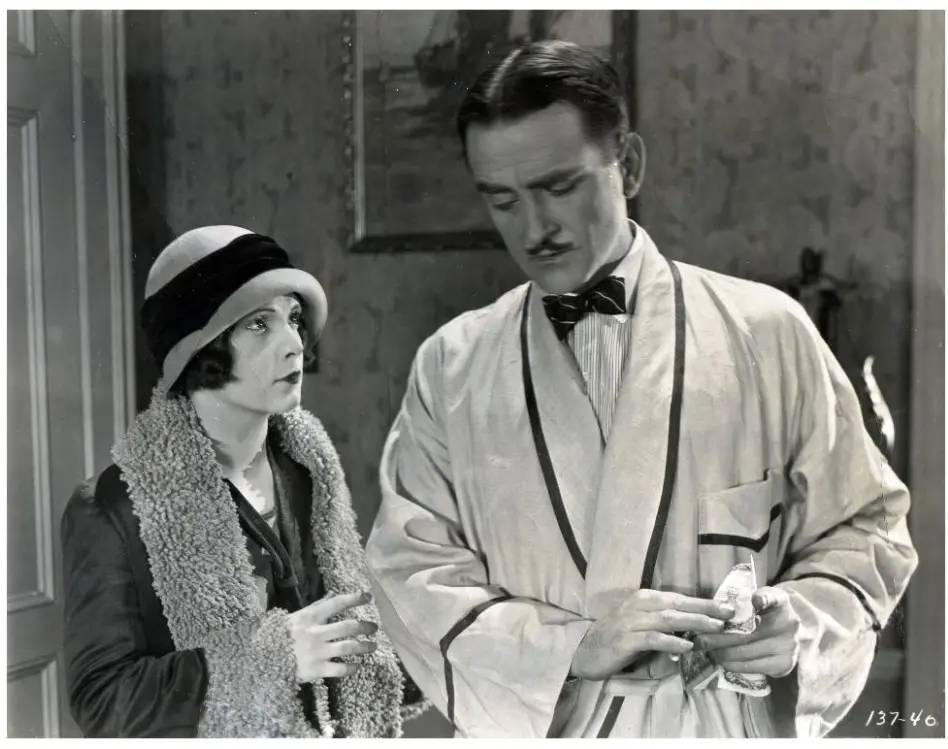
The film opens with the vibrant backdrop of a bustling city street, where the young flapper, portrayed by Theodore Babcock, navigates the social whirlwind of the 1920s. Her life is abruptly upended when she is mistaken for a prostitute, a misidentification that sets off a chain of events leading to a grim legal sentence. The director's visual narrative is both meticulous and unflinching, capturing the stark contrasts between the protagonist's idealized dreams and the harsh realities of her predicament.
The cast delivers a nuanced performance, with Irma Harrison's portrayal of the protagonist being particularly compelling. Her character's journey from innocence to despair is poignantly expressed, making the audience feel the weight of her situation. Wheeler Oakman and Peggy Kelly add depth to the supporting roles, their interactions with Babcock adding layers of complexity to the story.
The screenplay, penned by Harry Chandlee and Elizabeth J. Monroe, is tightly constructed, ensuring that every scene contributes to the overarching narrative. The dialogue is sharp and emotionally resonant, reflecting the societal norms and prejudices of the era. The film's pacing is deliberate, allowing viewers to absorb the gravity of the characters' situations without rushing through the plot.
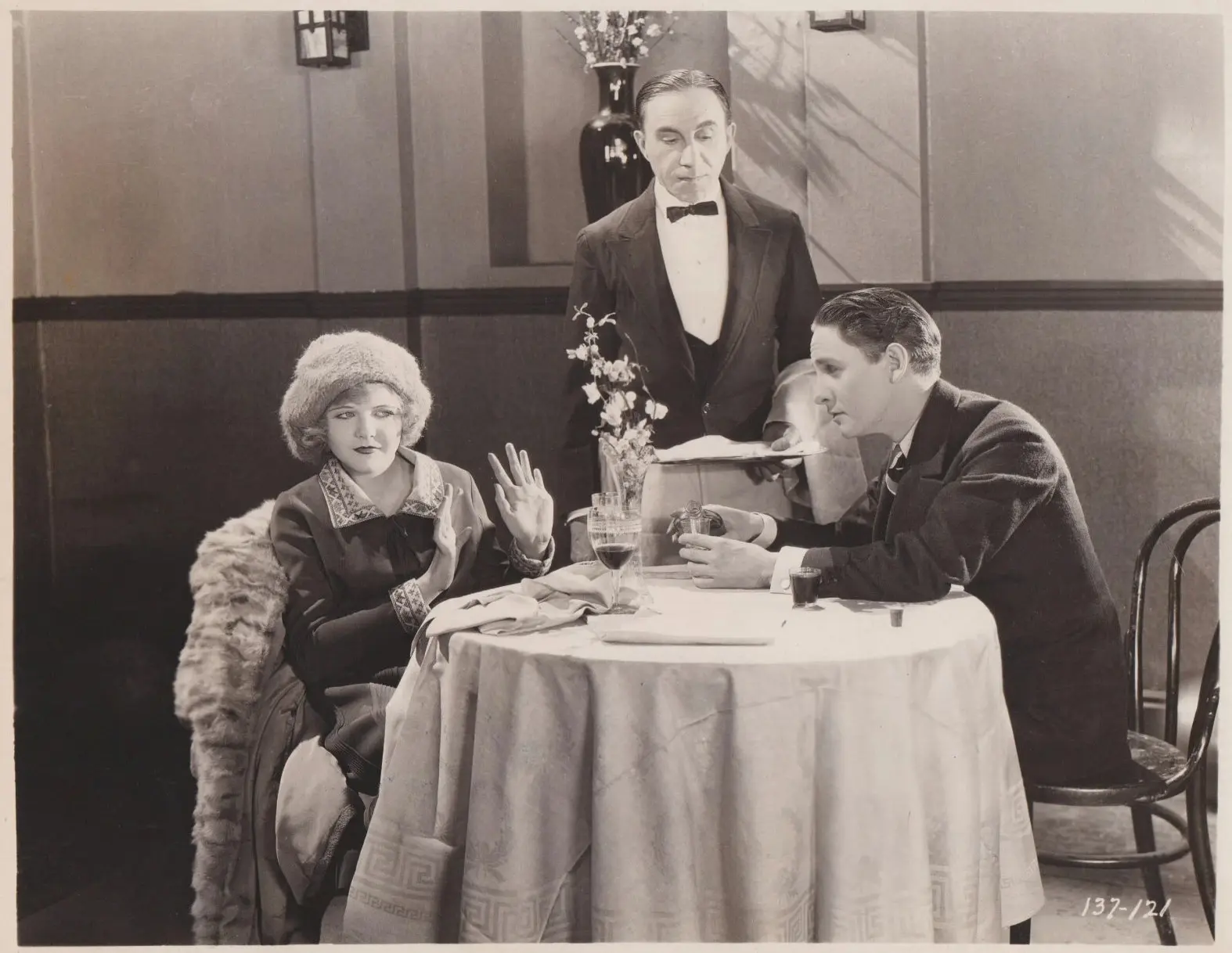
Technically, 'Lilies of the Streets' is a well-crafted production. The cinematography, likely by the talented Virginia Lee Corbin, captures the film's atmospheric quality, with scenes that are both visually striking and emotionally charged. The use of natural lighting and shadow enhances the mood, making the film's visual aesthetics as much a character as the actors themselves. The score, composed by an unnamed artist, complements the plot's emotional journey, providing a soundtrack that is both melancholic and powerful.
Comparatively, 'Lilies of the Streets' shares thematic similarities with films like 'You Find It Everywhere' (1928), which also explore the complexities of urban life and the struggles of young women. However, while 'You Find It Everywhere' focuses more on the romantic entanglements, 'Lilies of the Streets' delves deeper into the legal and social ramifications of a false accusation. It is reminiscent of 'Just a Good Guy' (1929) in its exploration of mistaken identity and the impact on personal liberty, yet it stands apart in its unflinching portrayal of class and gender-based injustices.
Themes of innocence versus experience, justice versus bias, and the struggle for personal identity are recurrent motifs in the film. Babcock's character embodies the spirit of the flapper generation, a symbol of liberation and modernity, yet she is constrained by the archaic laws and societal expectations that view her as a moral transgressor. This dichotomy forms the crux of the narrative, inviting viewers to reflect on the arbitrary nature of legal judgments and the societal constructs that shape them.
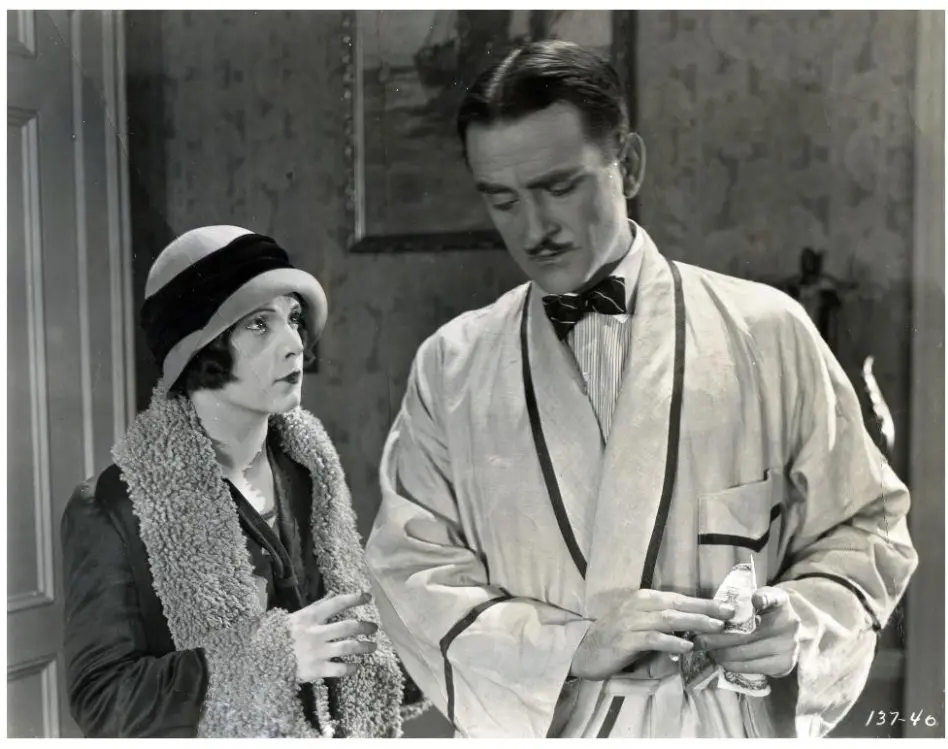
Despite its historical setting, 'Lilies of the Streets' resonates with contemporary audiences. It serves as a reminder that the issues of wrongful accusations and systemic biases remain relevant, prompting discussions about legal reform and social equity. The film's critical acclaim lies in its ability to blend historical authenticity with universal themes, making it a significant contribution to the silent film era.
Technically, the film is a masterpiece of its time. The editing, while rudimentary by modern standards, is effective in maintaining the narrative's momentum. The costumes and set designs are meticulously detailed, reflecting the era's fashion and architectural styles. The production design, likely by Johnnie Walker and Mary E. Hamilton, creates a vivid world that immerses the audience in the protagonist's environment, enhancing the overall cinematic experience.
However, 'Lilies of the Streets' is not without its flaws. The pacing of certain scenes can feel slow, particularly during long courtroom sequences. The character of Virginia Lee Corbin, while talented, receives less screen time than she deserves, contributing to a sense of imbalance in the narrative. Nonetheless, these minor issues do not detract significantly from the film's overall impact.
In conclusion, 'Lilies of the Streets' is a powerful and thought-provoking film that masterfully balances historical authenticity with universal themes. Its performances, technical merits, and thematic depth make it a must-watch for film enthusiasts and those interested in the silent era. While it may not be as commercially successful as contemporaries like 'The Mainspring' or 'Die Luftpiraten', its enduring relevance and critical acclaim ensure its place in cinema history. It is a film that challenges viewers to reflect on the injustices of the past and the ongoing struggles for fairness and equality.
IMDb 6.4
1931
Community
Log in to comment.