DbcultAccessing Vault...
Cult Review
Senior Film Conservator
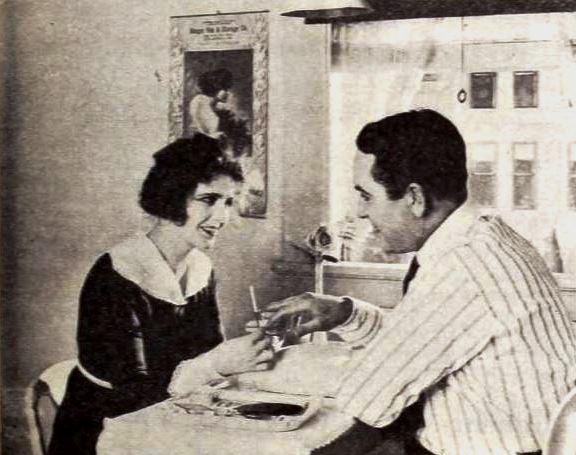
Step back into the nascent days of cinema, a time when flickering images on a silver screen transported audiences to worlds of grand romance, dramatic intrigue, and comedic misunderstanding. Heiress for a Day, a charming silent film from 1918, is a delightful testament to the era's storytelling prowess, a narrative woven with threads of aspiration, societal critique, and the enduring quest for genuine affection. At its heart lies Helen Thurston, portrayed with exquisite grace and an undeniable spark by the incomparable Olive Thomas. Her character embodies the quintessential silent-era heroine: plucky, vulnerable, and deeply romantic, navigating a world where social standing often trumped matters of the heart.
The film opens with Helen toiling as a manicurist at the prestigious Ritz, a setting that immediately establishes the stark contrast between her humble origins and the gilded cages of wealth she observes daily. It's here, amidst the superficial sheen of society, that her gaze falls upon Jack Standring, played by Eugene Burr. Jack is the epitome of the eligible bachelor, handsome and affluent, yet seemingly possessing a soul that yearns for something beyond mere pedigree. Their connection blossoms in secret, a tender bud threatened by the formidable matriarch of the Standring clan, Lillian Langdon, whose steely resolve dictates a union with a 'suitable' debutante. This age-old conflict between love and social obligation forms the foundational tension of the narrative, a trope explored with nuanced charm by writers Robert F. Hill and Henry Albert Phillips.
The plot thickens with a dramatic turn that sets Helen on a collision course with destiny – or so she believes. An urgent telegram, delivered with all the theatrical gravitas typical of silent film, informs her of a massive inheritance from her grandfather. Millions, she is led to understand, are now hers. This sudden, dizzying prospect of wealth acts as a catalyst, transforming the demure manicurist into a woman emboldened by imagined affluence. Helen embarks on a shopping spree of epic proportions, acquiring an extravagant wardrobe and dazzling jewels, all on the precarious footing of credit. Her transformation is immediate and visually striking, a testament to the power of costume and set design in conveying character evolution in the silent era. Yet, this newfound ostentation, intended to bridge the social chasm between her and Jack, ironically creates a new kind of barrier. Jack, it turns out, is a man of deeper sensibilities, unswayed by superficial displays of wealth. His affections are rooted in a more genuine appreciation of Helen's character, not her perceived fortune.
The bubble of illusion, as all bubbles must, eventually bursts. Helen learns the crushing truth: her inheritance amounts to a mere thousand dollars, the bulk of her grandfather's fortune having been bequeathed to her cousin, Spindrift. This revelation plunges her from the heights of imagined grandeur into the depths of financial despair. The creditors, once eager to extend credit to the 'heiress,' now hound her relentlessly, their demands a stark reminder of her precarious position. The film masterfully builds tension towards a pivotal scene at a grand ball hosted by the Standrings. Here, amidst the very society she aspired to join, Helen faces public humiliation and the threat of arrest from a tenacious detective. This sequence is a powerful commentary on the unforgiving nature of social judgment and the fragility of status built on false pretenses. It's a moment that resonates with the themes explored in films like Ready Money, which also delves into the unpredictable nature of wealth and its impact on human relationships, though often with a more overtly comedic bent. The contrast between Helen's initial joy and her eventual despair highlights the film's underlying message about authenticity.
It is precisely at this nadir, stripped of her borrowed finery and facing utter ruin, that Helen's true character shines through. Her vulnerability and genuine distress finally pierce through Jack's initial detachment. He sees not the 'heiress,' but the woman he loves, caught in a cruel twist of fate. This pivotal moment underscores a central theme of Heiress for a Day: that true love transcends material possessions and societal expectations. Jack's decision to elope with Helen, a defiant act against his mother's dictates and society's rigid norms, is a powerful declaration of his commitment. This narrative arc, where a man of means chooses love over societal advantage, echoes the romantic idealism found in other contemporary dramas, though Heiress for a Day infuses it with a delightful comedic flair that prevents it from becoming overly sentimental. One might even draw parallels to the spirited independence often seen in films like The Little American, where strong female characters navigate challenging circumstances, though with vastly different stakes.
The film's resolution provides a satisfying, if somewhat convenient, twist. Spindrift, the recipient of the true fortune, violates the conditions of the will, leading to Helen finally inheriting the entire estate. This final act of poetic justice ensures a happy ending, not just for Helen and Jack, but for the audience who has rooted for their genuine connection amidst a sea of superficiality. It reaffirms the idea that goodness and true character are ultimately rewarded, a comforting message particularly prevalent in the cinema of the era. The narrative, while adhering to certain genre conventions, manages to maintain a fresh and engaging quality, largely due to the spirited performances and the clever interweaving of comedic elements with dramatic tension.
Olive Thomas, a luminous star of the silent screen, delivers a performance that is both captivating and nuanced. Her expressive eyes and subtle gestures convey a wealth of emotion, from the quiet longing of the manicurist to the giddy excitement of the 'heiress,' and finally to the despair and eventual triumph of a woman in love. Thomas possessed an innate ability to connect with the audience, making Helen's plight and eventual happiness deeply resonant. Eugene Burr as Jack Standring provides a strong, sympathetic counterpoint, successfully portraying a man torn between duty and desire. His portrayal avoids the trap of making Jack seem merely a rich dilettante, instead imbuing him with a quiet integrity that makes his eventual decision to elope believable and heartwarming.
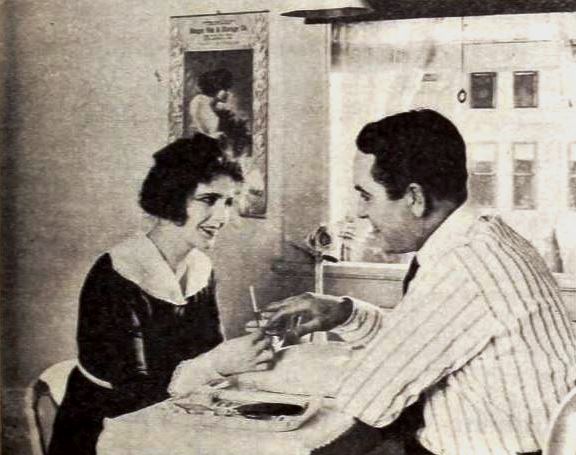
The supporting cast, including Mary Warren, Graham Pettie, Joe King, and Anna Dodge, each contribute to the film's vibrant tapestry, adding depth and comedic relief where needed. Lillian Langdon, in particular, excels as Jack's stern mother, her disapproving glances and rigid posture perfectly encapsulating the societal pressures of the time. The direction, while uncredited in some records, effectively utilizes the visual language of silent film to tell a compelling story. The use of intertitles is judicious, allowing the actors' expressions and actions to largely carry the narrative. The pacing is brisk, keeping the audience engaged through Helen's rollercoaster journey of fortune and misfortune.
Heiress for a Day, despite its age, grapples with themes that remain remarkably pertinent. The tension between social class and individual merit, the seductive power of wealth, and the ultimate triumph of authentic connection over superficiality are all explored with a surprising degree of insight. The film gently satirizes the pretensions of high society while simultaneously celebrating the virtues of sincerity and perseverance. It’s a narrative that reminds us that true riches often lie not in bank accounts, but in integrity and love.
The film also provides a fascinating glimpse into the social dynamics of the early 20th century, particularly the expectations placed upon women and the rigid class structures that defined society. Helen's journey from a working-class woman to a perceived heiress, and then back again, before finally achieving her rightful status, serves as a microcosm of the era's anxieties and aspirations. It's a testament to the writers, Robert F. Hill and Henry Albert Phillips, that they crafted a story that, while entertaining, also offered subtle social commentary. While not as overtly political as some films of the time, such as On the Firing Line with the Germans, which focused on war propaganda, or the more dramatic social statements of films like A Mother's Sin, Heiress for a Day still manages to offer a gentle critique of societal norms through its romantic comedy framework.
The visual aesthetics of Heiress for a Day are characteristic of the period, relying heavily on expressive acting, clear staging, and often opulent set designs to convey atmosphere and plot points. The contrast between Helen's humble manicure station and the lavish Standring mansion is striking, effectively communicating the class divide without needing extensive dialogue. The costumes, too, play a crucial role, particularly Helen's transformation from simple attire to extravagant gowns, which visually represents her changing fortunes and aspirations. The film’s ability to communicate complex emotions and plot developments through purely visual means is a hallmark of silent cinema and a skill that is often underestimated today. It requires a different kind of engagement from the viewer, one that rewards careful observation of facial expressions, body language, and environmental details.
The cinematography, while perhaps not groundbreaking for its time, is competent and serves the narrative well. Lighting is used to highlight key characters and create mood, and the camera angles are generally straightforward, focusing on clarity and emotional impact. The absence of spoken dialogue forces the filmmakers to be incredibly inventive with visual cues, and Heiress for a Day certainly delivers on this front. The film's overall production value, considering the technological limitations of the era, is commendable. It successfully creates a believable, albeit heightened, world for its characters to inhabit, drawing the audience into Helen's predicament and cheering for her eventual triumph. For those interested in the evolution of cinematic language, studying films like Heiress for a Day alongside others such as The Ghost Breaker reveals how early filmmakers experimented with suspense and character development without the crutch of sound.
Heiress for a Day is more than just a historical curiosity; it's a delightful and engaging film that holds up surprisingly well for modern audiences willing to embrace the charm of silent cinema. Its narrative is universally appealing, touching upon the age-old desires for love, acceptance, and security. Olive Thomas's radiant performance is reason enough to seek out this gem, but the well-structured plot, the endearing characters, and the subtle social commentary all contribute to its enduring appeal. It's a testament to the power of simple, heartfelt storytelling, proving that a compelling narrative doesn't always require elaborate special effects or a booming soundtrack.
For aficionados of classic Hollywood, particularly those fascinated by the silent era, Heiress for a Day offers a charming escape and a valuable insight into the cinematic sensibilities of its time. It’s a film that reminds us that while fortunes may ebb and flow, true character and genuine affection are the most valuable inheritances of all. So, if you're in the mood for a heartwarming romance with a dash of comedic misfortune and a satisfying resolution, dust off this silent classic. It's a reminder of cinema's foundational magic, a captivating journey into a world where expressions and gestures spoke volumes, and love ultimately found a way, even against the odds of a capricious inheritance. It stands as a sweet, unpretentious example of early American filmmaking, a perfect complement to other character-driven narratives from the period such as Sunshine Dad, showcasing the diverse range of stories told without sound.

IMDb —
1932
Community
Log in to comment.