DbcultAccessing Vault...
Cult Review
Senior Film Conservator
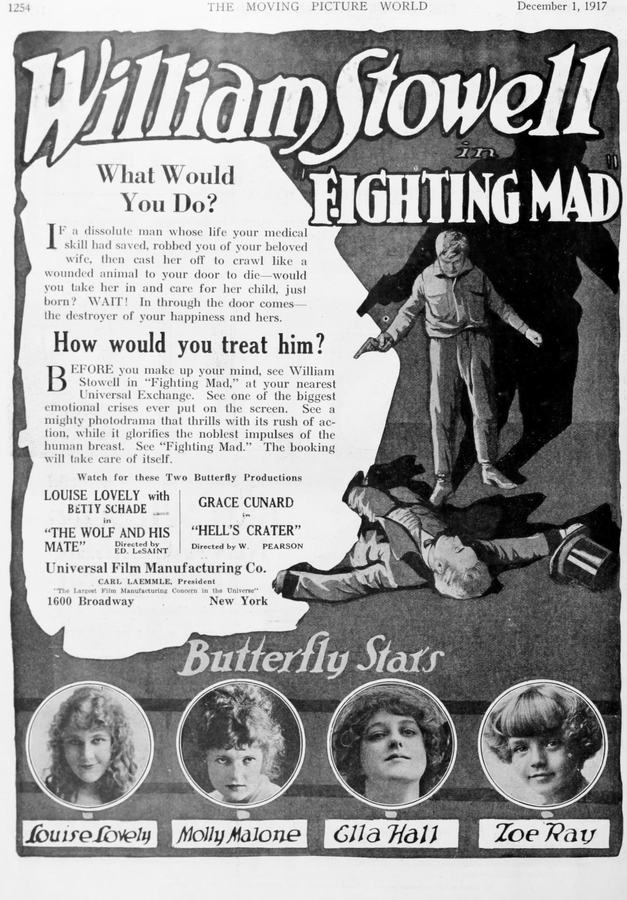
Step into the flickering shadows of the past, where the silent screen conveyed narratives of profound human struggle with an intensity that often transcends the spoken word. Today, our gaze falls upon Fighting Mad, a 1917 production that, despite its century-old vintage, offers a gripping exploration of faith, betrayal, and the arduous path to redemption. This is no mere historical curiosity; it is a raw, unflinching melodrama that grapples with the very essence of despair and the miraculous resilience of the human spirit. In an era where cinema was still finding its voice, films like Fighting Mad laid the groundwork for complex storytelling, proving that emotional depth could be communicated through gesture, expression, and the careful orchestration of visual metaphor.
The film introduces us to Doctor Lambert, a man whose noble intentions lead him and his wife to the untamed American West. Here, amidst the rugged landscape of a nascent mining town, he endeavors to fulfill a dual calling: healing bodies and ministering to souls. It's an ambitious, almost quixotic undertaking, embodying the pioneering spirit of an age. Yet, this idyllic vision of purpose is tragically short-lived. His wife, ill-suited to the harsh realities of frontier life, finds herself increasingly discontent. Her subsequent discovery of pregnancy, rather than grounding her, precipitates a desperate, ill-conceived flight into the arms of a charismatic gambler. This act of profound betrayal sets the stage for a cascade of calamitous events, unraveling the very fabric of Lambert's existence. The gambler, a figure of fleeting charm and moral vacuity, predictably abandons her, leaving her to return, broken and vulnerable, to the only man who ever truly cared. Her subsequent death in childbirth, leaving behind a baby girl, is the final, devastating blow. This moment marks Lambert's complete capitulation to an all-consuming rage and despair. He abandons his newborn, a symbolic rejection of both his past and any future hope, and, in a harrowing oath, severs all ties with his faith. This descent into spiritual desolation is powerfully rendered, a testament to the dramatic capabilities of silent cinema.
Fifteen years later, the narrative re-engages with Lambert, now a shadow of his former self, a drunkard haunted by the ghosts of his past. He returns, almost instinctively, to the very town that witnessed his spiritual death. It is here that fate, in its often-cruel but occasionally redemptive way, intervenes. He encounters Lily Sawyer, a young woman whose compassionate nature and innate kindness stand in stark contrast to the bitterness that has festered within him for so long. Lily becomes, for Lambert, an unwitting beacon, stirring long-dormant embers of humanity. The dramatic tension escalates with the reappearance of the gambler, still a force of destructive self-interest, who sets his sights on abducting Lily. However, in a twist of dramatic irony, his partner, recognizing Lambert, reveals the shocking truth: Lily is Lambert's daughter. This revelation, delivered at a moment of extreme peril, shatters Lambert's apathy, igniting a primal instinct to protect. He confronts the gambler, exacting a violent justice that not only saves Lily but also, profoundly, restores his shattered faith. The climax is a visceral release, a catharsis for both character and audience, culminating in a powerful affirmation of the enduring power of love and forgiveness.
The effectiveness of Fighting Mad hinges on the expressive capabilities of its cast, a hallmark of the silent era. While dialogue was absent, the actors' ability to convey complex emotions through facial expressions, body language, and carefully choreographed gestures was paramount. Betty Schade, likely portraying the ill-fated wife, would have needed to embody both the fragile discontent and the desperate impulsiveness that drives her character's initial transgression. Mildred Davis, in the role of Lily Sawyer, would have been tasked with radiating an almost ethereal innocence and compassion, serving as the moral compass and ultimate catalyst for Lambert's redemption. Her performance would have been crucial in providing a stark contrast to the world-weary cynicism of the protagonist.
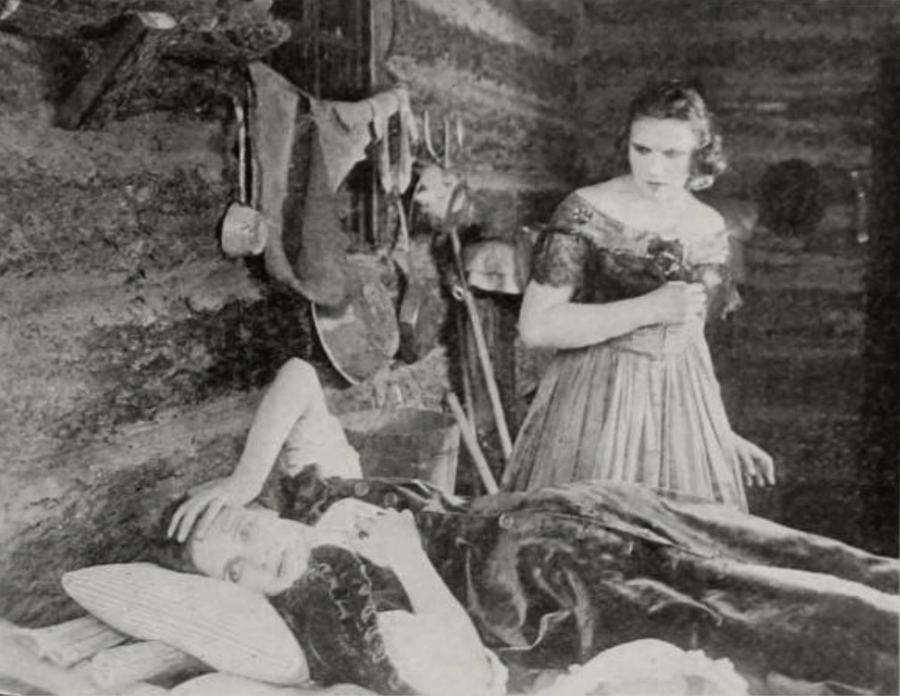
William Stowell, as Doctor Lambert, carries the immense burden of the film's emotional arc. His transformation from a man of purpose and faith to a broken, vengeful drunkard, and finally to a reawakened protector, demands a range of nuanced yet palpable expressions. The silent film actor's toolkit — the downward gaze, the clenched jaw, the sudden, desperate gesture — would have been employed to communicate the depth of his despair, his simmering rage, and the eventual dawning of hope. Hector Dion, likely in the role of the nefarious gambler, would have needed to exude a dangerous charm, a superficial allure that masks a core of moral depravity. His portrayal would have been key to making the initial betrayal believable and the later abduction attempt genuinely menacing. Millard K. Wilson, Alfred Allen, and Helen Gibson would have contributed to the ensemble, each playing their part in weaving the narrative tapestry, providing the necessary dramatic support and environmental context.
The direction, likely overseen by J. Grubb Alexander and Fred Myton, would have focused on clear visual storytelling. In the absence of spoken words, the camera's gaze, the staging of scenes, and the pacing of intertitles became the primary narrative tools. The contrast between the initial optimism of the frontier and Lambert's later degradation would have been emphasized through mise-en-scène. The dusty, unforgiving landscape could itself serve as a character, mirroring the internal desolation of Lambert. The climactic confrontation, a moment of intense action and profound emotional reckoning, would have been orchestrated for maximum impact, relying on dynamic staging and perhaps rapid editing to convey the urgency and violence of the moment. The writers, J. Grubb Alexander and Fred Myton, crafted a story rich in classical melodramatic elements: betrayal, loss, a moral fall, and ultimately, a redemptive arc. Their narrative structure, even within the confines of early cinema, demonstrates a keen understanding of human psychology and the power of a compelling moral journey.
At its core, Fighting Mad is a profound meditation on the nature of faith – its fragility, its loss, and its eventual reclamation. Lambert’s initial crisis is not merely personal but spiritual, a complete renunciation of belief in the face of unbearable suffering. This theme resonates deeply, inviting audiences to consider how adversity challenges their own convictions. We see parallels in other narratives of spiritual struggle, though perhaps less overtly religious, such as the moral quandaries faced by protagonists in films like Honor's Altar or the societal pressures in A Man's Man, where characters are pushed to their ethical limits. Lambert's journey from righteous anger to self-destructive despair is a powerful depiction of how unchecked grief can warp the soul, turning a healer into a broken man.
The film also delves into the destructive allure of vengeance and the redemptive power of forgiveness. Lambert’s initial response to betrayal and loss is an understandable, if ultimately destructive, desire for retribution, manifested in his abandonment of his child and his own descent. However, true redemption arrives not through direct vengeance against his wife (who is already deceased) or even solely through the gambler's demise, but through the rediscovery of love and responsibility towards Lily. This echoes the profound moral lessons found in spiritual epics like Life of Christ or The Life of St. Patrick, where suffering and sacrifice often precede spiritual awakening. The film posits that true healing comes not from erasing the past, but from embracing a future shaped by compassion and renewed purpose.
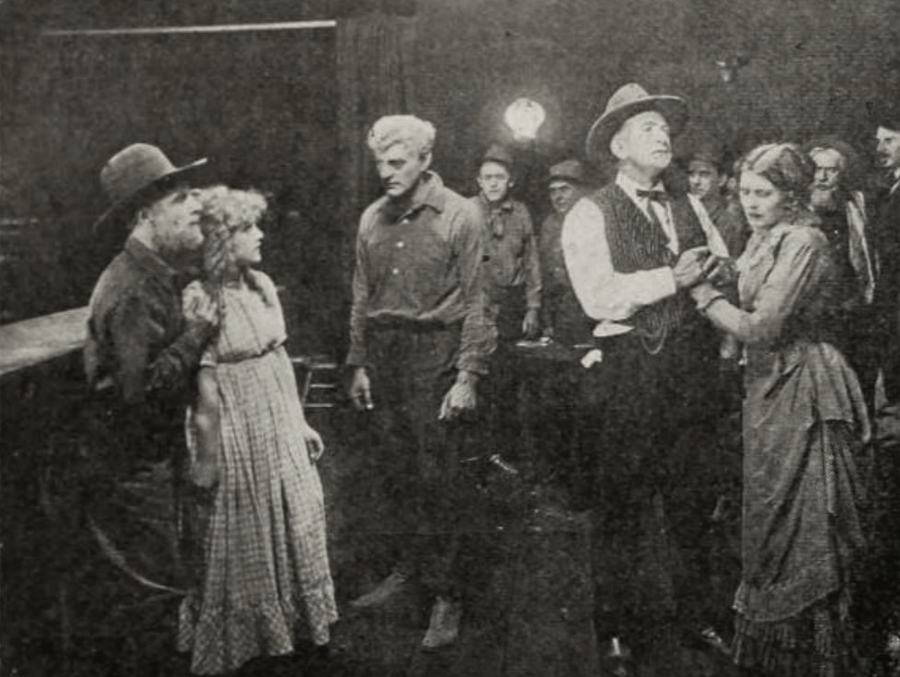
The character of Lily Sawyer embodies innocence and purity, acting as a stark counterpoint to the moral decay represented by the gambler and the internal darkness consuming Lambert. Her presence is a symbol of hope, a tangible reason for Lambert to reclaim his lost humanity. This trope of an innocent figure inspiring redemption is a timeless narrative device, seen in various forms across cinematic history, from the pure-hearted heroines of films like The Goose Girl to the resilient characters in Sally in Our Alley. Lily’s vulnerability and her intrinsic goodness force Lambert to confront his own abandonment, ultimately leading to a powerful act of paternal protection. The film suggests that even in the darkest corners of the human experience, a spark of goodness can ignite a transformative fire.
Fighting Mad provides a fascinating window into the storytelling techniques of the early 20th century. In an era before synchronized sound, filmmakers relied heavily on visual metaphors, dramatic compositions, and the emotional resonance of their actors' physical performances. The use of intertitles, far from being a mere placeholder for dialogue, became an art form in itself, guiding the audience through plot points, revealing internal monologues, and setting the emotional tone. The film's setting in a mining town in the American West also places it within a burgeoning genre, the Western, which often served as a backdrop for tales of moral fortitude, lawlessness, and personal struggle, much like The Darkening Trail, another film of that era exploring similar frontier themes.
The pacing of silent films, often dictated by the need to convey action and emotion without sound, could feel deliberately measured by modern standards, yet it allowed for a deeper absorption of the visual narrative. Each gesture, each lingering shot, carried significant weight. The contrast between the initial idyllic scenes and the later gritty reality of Lambert’s alcoholism would have been visually striking, using costume, set design, and even lighting to delineate his moral and physical decline. This era was also characterized by a certain theatricality in acting, a necessary exaggeration to communicate across the barrier of silence. While some might view this as overacting today, it was a finely tuned craft, essential for conveying the raw emotions that underpin a story like Fighting Mad.
While specific contemporary reviews of Fighting Mad may be scarce, its narrative structure and thematic concerns align with many successful films of its time. The story's focus on a morally complex protagonist undergoing a profound transformation, combined with elements of suspense and emotional catharsis, would have resonated deeply with early 20th-century audiences. Films like The Stronger Love or even the darker undertones of The Black Butterfly often explored the intricate dance between love, loss, and the choices that define a person. The universal themes of parental love, the struggle against personal demons, and the yearning for spiritual peace ensure that the film, even a century later, retains a potent emotional core.
The enduring appeal of stories like Fighting Mad lies in their ability to tap into fundamental human experiences. Who among us has not faced a crisis of faith, felt the sting of betrayal, or yearned for a second chance? Lambert's journey, though set in a specific historical context, transcends its era. His descent into despair, his confrontation with his past, and his eventual redemption speak to the timeless struggle to find meaning and purpose in a world often fraught with pain. Much like the enduring power of classic literature, such as the dramatic intensity found in adaptations like Hamlet (1917), these silent films, when viewed with an open mind and heart, reveal a rich tapestry of human emotion and cinematic innovation. They remind us that the art of storytelling, in its purest form, relies not on technological sophistication, but on the profound connection between narrative and the human condition.
In conclusion, Fighting Mad stands as a compelling example of early cinematic artistry. It is a testament to the power of visual narrative to convey a complex emotional landscape, to explore the depths of human despair, and to celebrate the arduous but ultimately triumphant journey towards redemption. For those willing to engage with the unique language of silent film, it offers a profoundly moving and thought-provoking experience, a reminder that some stories, stripped of sound, resonate with an even greater, more universal truth.

IMDb 7.2
1918
Community
Log in to comment.