DbcultAccessing Vault...
Cult Review
Senior Film Conservator
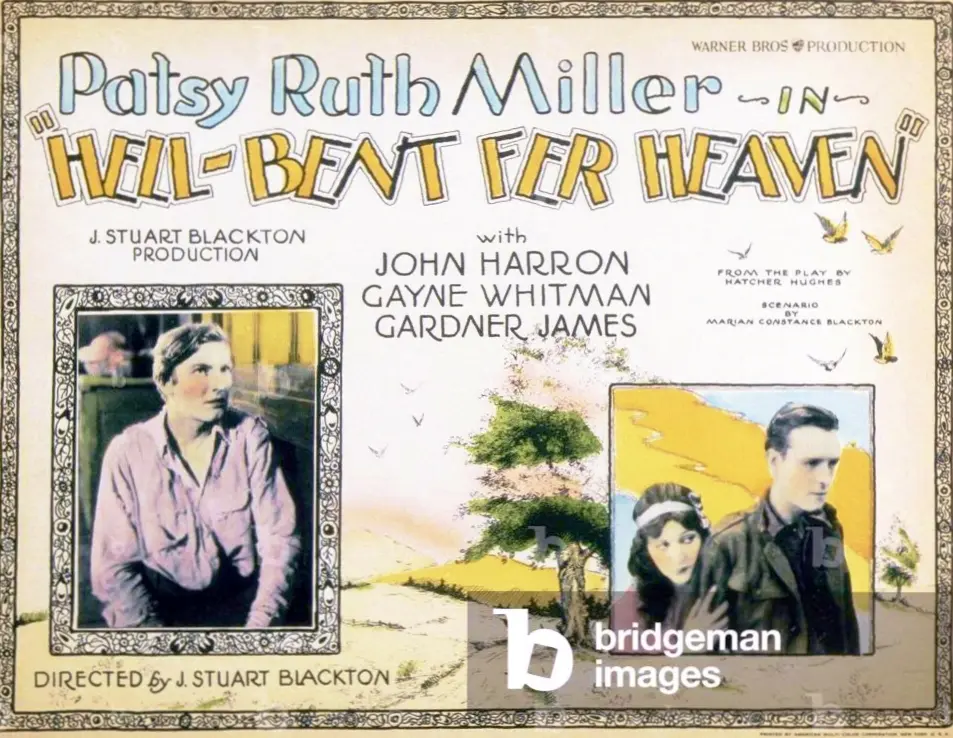
Short answer: yes, but only if you have a genuine interest in the origins of the Southern Gothic genre and can tolerate the exaggerated theatricality of the silent era. This is not a film for those seeking fast-paced action or modern moral ambiguity; it is a rigid, fascinating study of religious hypocrisy and mountain justice.
This film is specifically for fans of early cinema who appreciate how landscape can be used as a psychological character. It is NOT for viewers who find the slow pacing and intertitles of the 1920s to be an insurmountable barrier to enjoyment.
1) This film works because Gardner James delivers a chillingly modern performance as the manipulative Rufe, creating a villain that feels more like a psychological thriller antagonist than a silent movie caricature.
2) This film fails because the transition from the intimate family drama of the first half to the high-stakes disaster movie of the finale feels disjointed and rushed.
3) You should watch it if you want to see one of the earliest examples of a Pulitzer Prize-winning play being adapted with high-budget practical effects, specifically the impressive dam explosion sequence.
The heart of Hell-Bent fer Heaven isn't the romance between Sid and Jude; it is the rot inside Rufe Pryer. Gardner James plays Rufe with a twitchy, nervous energy that suggests a man constantly at war with his own impulses. Unlike the broad villains found in films like The Pretenders, Rufe doesn't twirl a mustache. He prays. He uses the language of the pulpit to isolate Jude and gaslight her family.
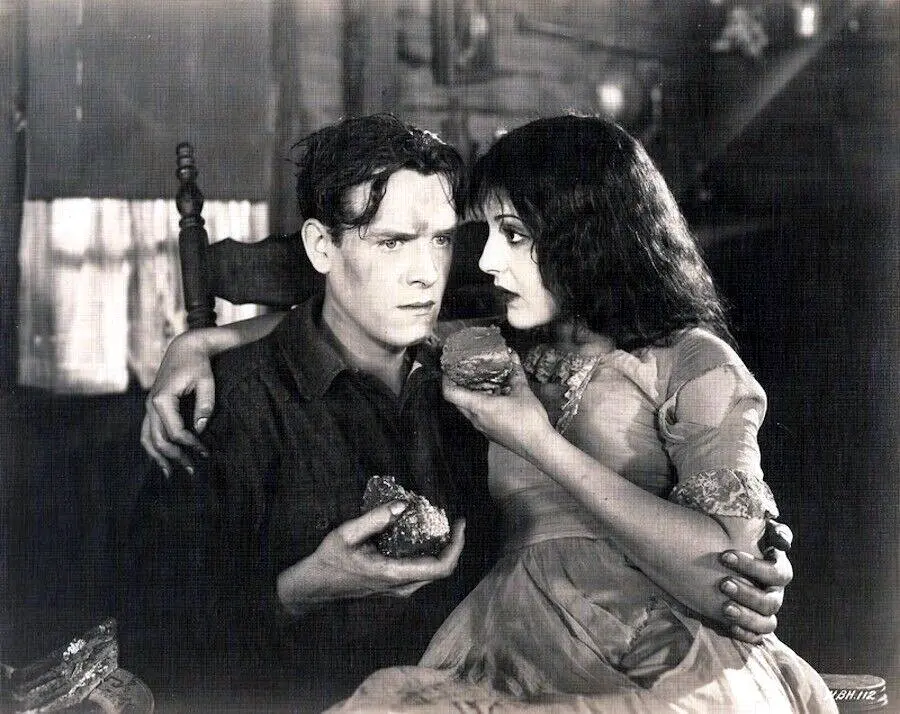
There is a specific scene where Rufe speaks to Andy, Jude's brother, while Andy is in a state of drunken vulnerability. The camera lingers on Rufe’s face as he plants the seed of the feud. He doesn't tell Andy to kill Sid; he merely suggests that Sid is a threat to the family honor. It is a masterclass in subtlety. Rufe is a parasite. He feeds on the weaknesses of others.
This psychological depth is rare for 1926. While other films of the era, such as Enoch Arden, relied on external fate to drive the plot, Hell-Bent fer Heaven relies on the internal darkness of a single man. It makes the film feel surprisingly contemporary. Rufe’s obsession isn't just about love; it’s about control. He wants to be the savior of the valley, even if he has to burn it down first.
The direction by J. Stuart Blackton makes excellent use of the rugged terrain. The mountains aren't just a backdrop; they are a prison. The way the shadows fall across the Hunt family cabin creates a sense of impending doom long before the first shot is fired. The cinematography captures the isolation of the setting, making the characters' reliance on each other feel both necessary and dangerous.
Consider the sequence where Sid’s horse returns home riderless. It is a classic trope, but here it is executed with a stark, minimalist dread. The wide shots of the empty saddle against the harsh mountain light tell the story better than any dialogue could. It’s a moment of pure visual storytelling that rivals the emotional weight of The Cradle of Courage.
The film’s climax, involving the destruction of the big dam, is a technical marvel for the mid-20s. The use of miniatures and practical water effects creates a visceral sense of chaos. When Jude is caught in the swirling waters, the danger feels real. The editing speeds up, cutting between Rufe’s manic reactions and the sheer power of the flood. It is a sharp contrast to the quiet, slow-burn tension of the film’s first hour.
Patsy Ruth Miller, as Jude, provides the necessary light to balance Rufe’s darkness. While the role of the "sweetheart" can often be thankless in these types of dramas, Miller gives Jude a sense of agency. She isn't just a prize to be won; she is a woman trying to navigate a world governed by violent men. Her reactions to Rufe’s advances are a mix of pity and growing horror.
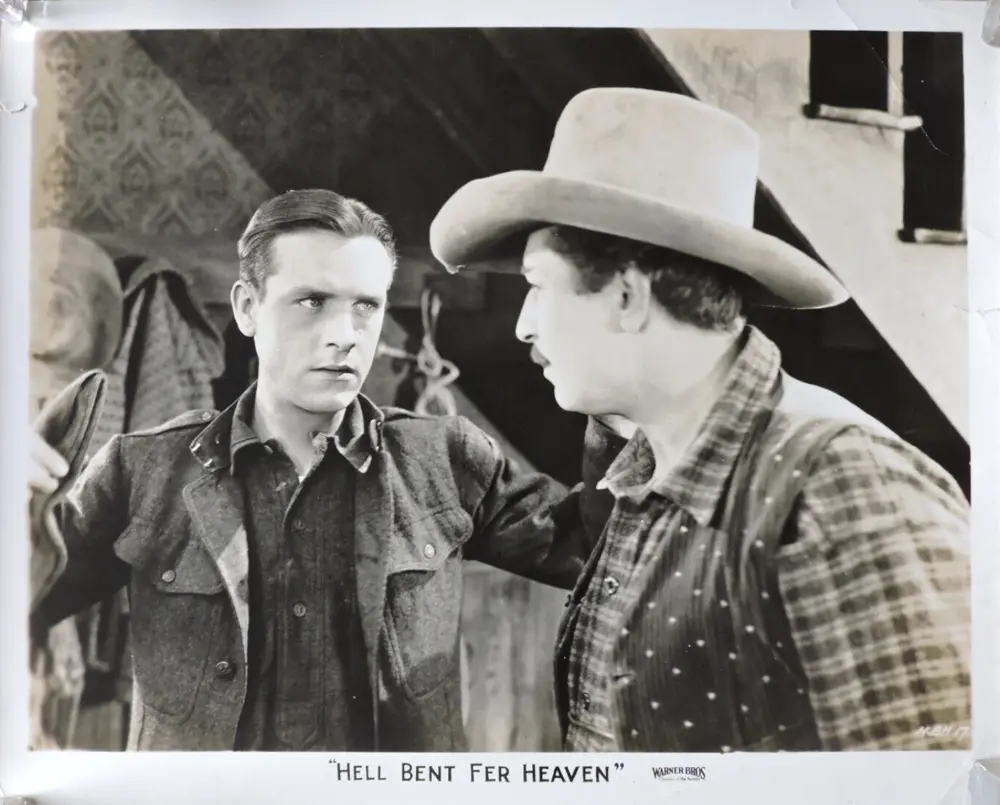
In comparison to the more comedic roles seen in Her Night of Romance, Miller’s work here is grounded and somber. She carries the weight of the family’s history on her shoulders. When she realizes the extent of Rufe’s betrayal, her performance shifts from passive concern to active survival. It is a subtle but effective arc.
However, the film does occasionally sideline her in favor of the conflict between Sid and Andy. The "drunken Andy" subplot, while necessary for the plot, feels a bit dated. The trope of the hot-headed brother was common in the era, but here it feels like a distraction from the much more interesting psychological battle between Sid and Rufe. John Harron as Sid is serviceable, but he lacks the screen presence of James. Sid is the hero because the script says so, not because he is particularly compelling.
If you are looking for a historical document that showcases the transition from stage to screen, then yes. Hell-Bent fer Heaven is a fascinating bridge between the theatrical traditions of the 19th century and the cinematic innovations of the 20th. It tackles themes of religious fanaticism with a boldness that was quite rare before the Hays Code tightened its grip on Hollywood.
The film is flawed, certainly. The pacing is uneven. The secondary characters are often one-dimensional. But the central conflict is so strong that it carries the viewer through the slower moments. It’s a sweaty, claustrophobic experience that lingers in the mind. The water doesn't lie.
The practical effects during the dam collapse are genuinely impressive for 1926. The film avoids a simple "happily ever after" by acknowledging the trauma caused by Rufe's manipulation. The mountain setting is used effectively to heighten the sense of isolation and dread.
The character of Andy is a bit of a caricature, making his easy manipulation by Rufe feel slightly contrived. Some of the intertitles are overly wordy, reflecting the film's origins as a stage play. The romantic chemistry between Sid and Jude is overshadowed by the villain's antics.
Hell-Bent fer Heaven is a grim, effective piece of early American cinema. It manages to transcend its stage-bound roots through clever use of location and a standout villainous performance. While it doesn't have the whimsical charm of Laughing Gas or the surrealist edge of The Monster and the Girl, it offers something more grounded and disturbing. It is a film about the danger of the "holy man" who uses his faith as a shield for his own malice. It works. But it’s flawed. Ultimately, it remains a vital watch for anyone interested in how Hollywood first began to deconstruct the myths of the American South. Rufe is a monster, and the film doesn't blink when showing the wreckage he leaves behind.
IMDb 6
1927
Community
Log in to comment.