DbcultAccessing Vault...
Cult Review
Senior Film Conservator
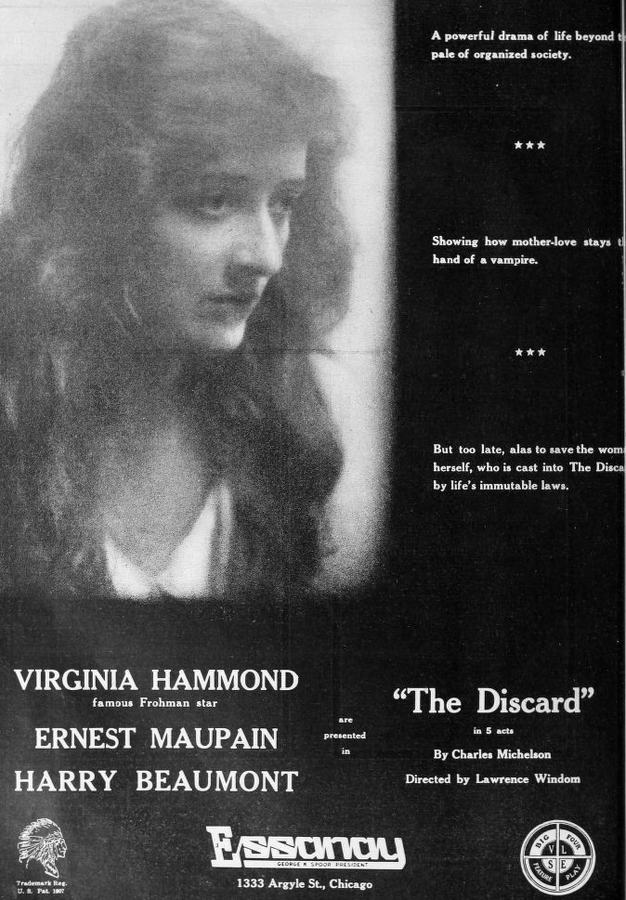
From the shadowy annals of early cinema emerges 'The Discard', a silent film that, even a century later, resonates with a profound emotional complexity, weaving a narrative that transcends its era's melodramatic conventions. This isn't merely a tale of good versus evil, but a deeply human exploration of fractured familial bonds, the insidious nature of deceit, and the ultimate, often unseen, cost of redemption. It’s a film that dares to ask how much one can sacrifice for love, especially when that love has been tainted by a lifetime of regrettable choices.
At its heart, the story introduces us to Doris Wynne, a character whose initial portrayal is one of almost ethereal innocence, yet tinged with an underlying melancholy born from a peculiar upbringing. Her relationship with her mother, Alys, is not one of tender embraces or whispered confidences, but rather a chillingly formal arrangement, conducted through the cold, impartial lens of legal attorneys. This early detail immediately establishes a profound sense of emotional distance, suggesting a mother burdened by circumstances too dark or complex to allow for conventional maternal affection. Doris's subsequent immersion into a blissful marriage with Keith Bourne, a young American of burgeoning wealth, seems to offer her a sanctuary, a chance to forge the warm, intimate connections that had been conspicuously absent from her formative years. Her happiness, however, feels almost precariously balanced, a fragile bloom susceptible to the harsh winds of her mother's hidden life. One can almost feel the impending shadow, a dramatic irony that would have been palpable to audiences of the time, anticipating the inevitable collision of these two disparate worlds.
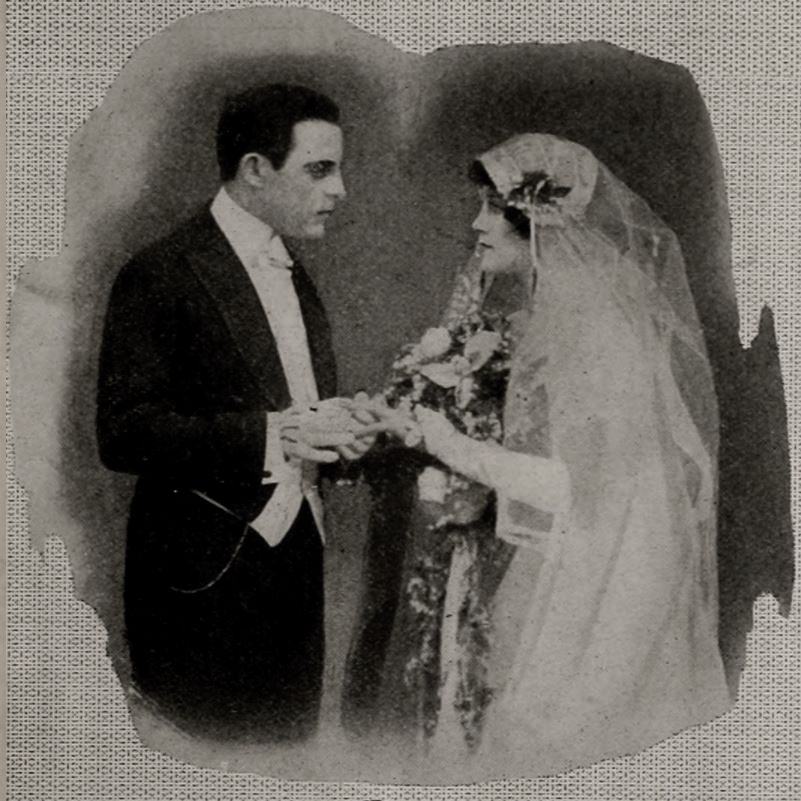
Alys Wynne, Doris's mother, is arguably the most compelling and tragic figure in 'The Discard'. She is introduced not as a nurturing matriarch, but as an international swindler, the partner-in-crime to the aptly named "Python" Grant. This stark contrast between her public persona and her private life as a mother creates an immediate moral dilemma for the viewer. Her life is one of calculated deception, culminating in the ruin and suicide of a young nobleman – an act that stains her conscience, even if her pragmatic exterior attempts to deny it. Yet, beneath this hardened veneer, the film subtly suggests a flicker of humanity, a dormant maternal instinct. One wonders about the choices that led her down such a path. Was it desperation, a thirst for power, or simply a lack of viable alternatives in a society that offered limited options for women? Her beauty and youth, still intact despite her criminal enterprises, add another layer to her complexity, hinting at a past perhaps more privileged, now squandered. Her journey from the cold manipulator to the sacrificial lamb is the narrative's true emotional anchor, transforming her from a villain into a figure of profound pathos. Comparisons might be drawn to characters in films like The Better Woman, where female protagonists grapple with difficult moral choices and societal pressures, or even Souls in Bondage, exploring the entrapment of individuals by their past actions or circumstances.
"Python" Grant embodies pure, unadulterated malevolence, a character driven solely by greed and a chilling lack of empathy. He is the architect of the schemes, the puppeteer pulling Alys's strings, exploiting her vulnerabilities and perhaps even her lingering affections. His choice of Keith Bourne as the next mark, utterly unaware of Keith's connection to Alys, sets the stage for the film's central, devastating irony. Keith, on the other hand, represents the unsuspecting victim, a man of inherent goodness whose sudden inheritance of a million dollars makes him a tantalizing target. His willingness to comfort Alys, believing her to be a genuinely distressed woman abused by her husband, highlights his compassionate nature, making his subsequent exploitation all the more tragic. His decision to settle the alienation of affection lawsuit for $40,000, not out of guilt, but to shield his beloved Doris from scandal and misunderstanding, speaks volumes about his character. It underscores his devotion and his desire to preserve the sanctity of his marriage, a stark contrast to the predatory motives of Grant and the conflicted actions of Alys.
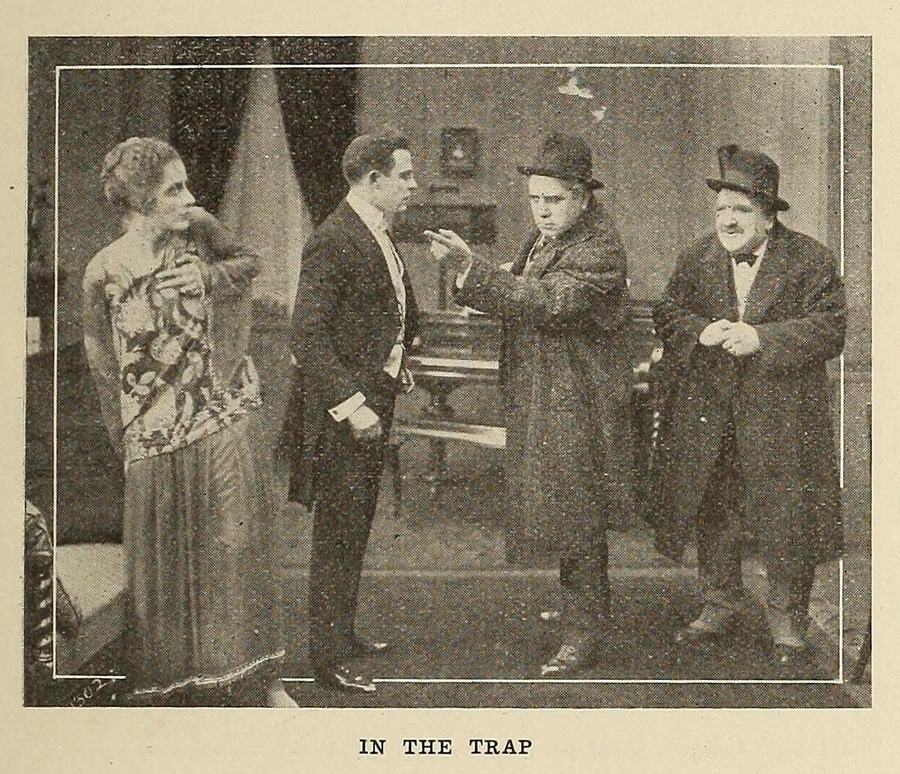
The narrative’s brilliance lies in its slow, agonizing build-up to the inevitable collision of Doris and Alys's worlds. The audience is privy to the dramatic irony, watching Alys and Grant cultivate Keith, knowing the devastating truth that remains hidden from the characters. This tension is masterfully sustained, making the eventual reveal all the more impactful. When the swindlers, emboldened by their initial success, attempt a "follow-up" scam, Keith's refusal to be further exploited leads them to the desperate act of telephoning Doris. The revelation to Doris that her husband has been entangled in a scandal, seemingly involving another woman, shatters her idyllic world. Her reaction, to turn to her mother through the same legal intermediaries that defined their relationship, is a poignant callback to her isolated upbringing. This choice, born of desperation and a lifetime of transactional communication, inadvertently sets the stage for Alys's moment of truth and reckoning.
The scene where Alys, summoned by her daughter, hears the story from Doris and realizes that her victim, Keith Bourne, is her own son-in-law, is the film's emotional crescendo. The plot description's use of "thunderstruck" perfectly captures the magnitude of this moment. It’s a seismic shift in Alys’s moral landscape, where her criminal past collides catastrophically with her dormant maternal instincts. The realization that she has inadvertently conspired to ruin her own daughter's happiness, to inflict pain upon the man her child loves, is a moment of profound horror and self-awareness. This is where Alys transcends the typical villainess archetype. Her immediate advice to Doris – to believe in her husband – is her first genuine act of maternal love, untainted by self-interest or manipulation. It’s a desperate attempt to repair the damage, to protect the fragile happiness she almost destroyed. Her subsequent disappearance, followed by her informing the police of Grant's whereabouts, cements her transformation. This act of betrayal against her partner, and ultimately against herself, is a powerful move towards atonement. It harks back to themes seen in films like Charity, where characters make drastic choices to rectify past wrongs, or As Ye Sow, exploring the inevitable consequences of one's actions.
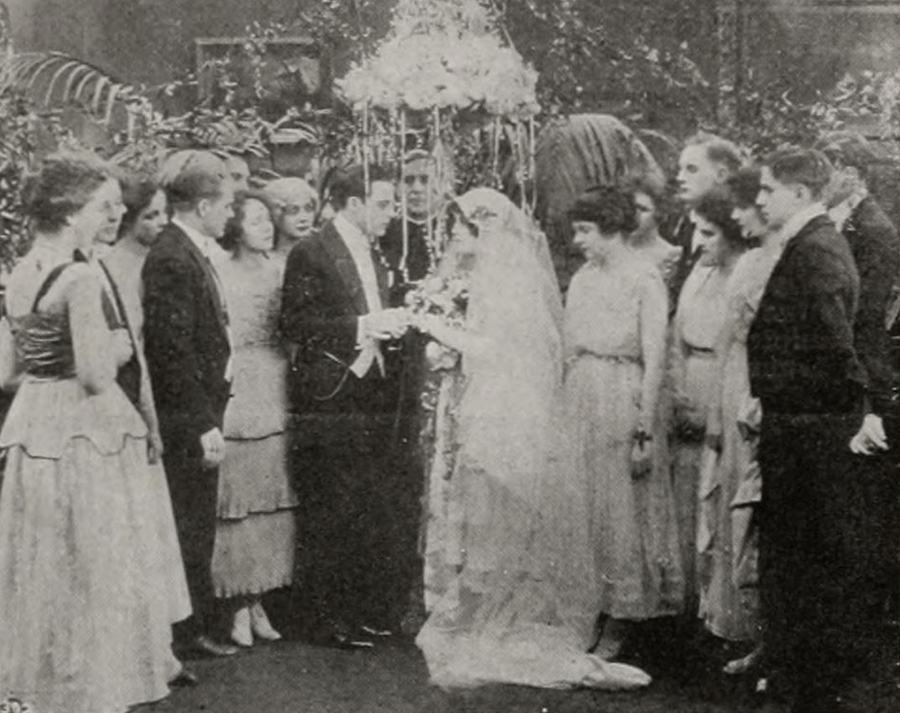
The film's ending is a masterstroke of bitter irony and tragic beauty. Grant is apprehended, a victory for justice. But Alys's fate is sealed: she is found dead, her demise reported in the newspapers as that of the "woman accomplice of the swindler." The most devastating aspect is that this news "means nothing to them" – to Doris and Keith. They are left blissfully unaware of the profound sacrifice Alys made, the ultimate act of maternal love and redemption. Her atonement remains anonymous, her death a mere footnote in their newly restored happiness. This lack of recognition elevates Alys's sacrifice from a simple plot resolution to a deeply philosophical statement on the nature of redemption itself. Is a sacrifice truly redemptive if the recipients remain ignorant of its cost? Does it diminish its value, or enhance it, making it a purer, selfless act? The ending forces the audience to confront the emotional weight of Alys’s final choice, painting her not as a criminal who merely got caught, but as a mother who, in her final moments, found her moral compass and paid the ultimate price. This lingering question of unknowing love and sacrifice gives 'The Discard' a haunting quality that lingers long after the credits (or, in this case, the final intertitle) fade.
As a silent film, 'The Discard' would have relied heavily on visual storytelling, exaggerated expressions, and evocative intertitles to convey its complex narrative and emotional depth. The performances, particularly that of Virginia Hammond as Alys Wynne, would have been crucial in communicating the character's internal conflict – the hardened exterior battling against the rising tide of maternal love. Alys's "thunderstruck" realization would have required a powerful, wordless portrayal of shock, grief, and dawning horror, a moment where her entire demeanor would shift. Similarly, Doris's innocence and Keith's steadfast devotion would have been conveyed through gestures, facial expressions, and nuanced body language. The absence of dialogue often forces a deeper engagement with the visual cues, allowing the audience to project their own understanding onto the characters' unspoken emotions, much like the intricate psychological layers of Othello, where misinterpretations and visual cues lead to tragic outcomes. The use of close-ups, camera angles, and even the pacing of editing would have been instrumental in building tension and delivering the emotional blows of the story, particularly in the dramatic confrontations and the final, poignant reveal of Alys's fate.
Beyond its intricate plot and compelling characters, 'The Discard' stands as a testament to the power of early cinema to explore profound human themes. It's a morality play wrapped in a melodrama, a story that critiques the corrosive nature of greed while celebrating the enduring, if sometimes tragically expressed, power of familial love. The film's ability to elicit empathy for a character like Alys, despite her past transgressions, is a remarkable achievement. It forces us to look beyond simplistic labels of 'good' and 'evil' and consider the complex tapestry of human motivation and consequence. The final image of Doris and Keith, happy and oblivious, while Alys lies anonymously dead, provides a haunting commentary on the often-unseen sacrifices that underpin our lives. It reminds us that sometimes, the greatest acts of love are performed in silence, their true meaning forever obscured from those they save. This profound, bittersweet conclusion cements 'The Discard' not just as a historical artifact, but as a timeless piece of cinematic storytelling that continues to provoke thought and stir the soul, making it a valuable subject for modern critical examination.
IMDb 6.3
1935
Community
Log in to comment.