
DbcultAccessing Vault...
7.1/10
Senior Film Conservator
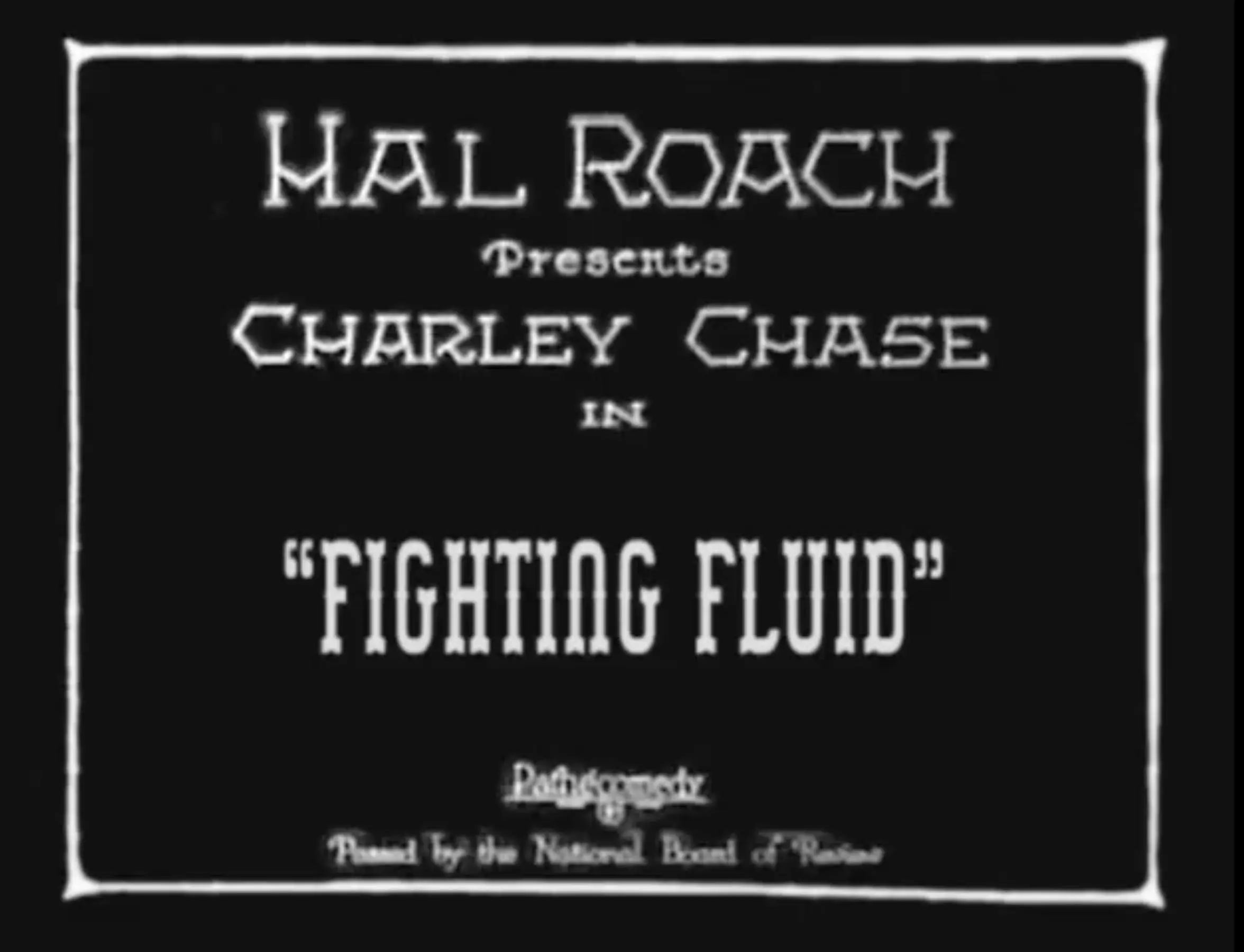
A definitive 7.1/10 rating for a film that redefined the boundaries of cult cinema. Fighting Fluid remains a cornerstone of transgressive art.
In the realm of silent comedies, Fighting Fluid stands out as a particularly intriguing specimen, showcasing the inimitable Charley Chase as a bashful clerk whose life is turned upside down by a series of improbable events. The film's narrative is set in motion when Charley, smitten with his boss's daughter, inadvertently drinks gin that had been hidden in the office water cooler. This ingestion of spirits precipitates a radical transformation, imbuing Charley with an uncharacteristic ferocity and pugilistic prowess.
As Charley navigates his newfound persona, he finds himself embroiled in a succession of hilarious misadventures, replete with fisticuffs and comedic misunderstandings. The film's comedic tempo is expertly calibrated, with each successive scene ratcheting up the absurdity and hilarity. One cannot help but draw comparisons to other silent comedies of the era, such as Squire Phin and The Little Gray Lady, which similarly leveraged physical comedy and situational humor to great effect.
The cast, comprising Pierre Couderc, Ed Porter, Clara Guiol, Marie Mosquini, and Charley Chase, deliver performances that are at once nuanced and broadly comedic. Their collective efforts bring depth and humor to the film's narrative, which is expertly facilitated by the direction. A notable highlight is the chemistry between Charley and the boss's daughter, which adds a touching romantic element to the film's otherwise raucous proceedings.
One of the most striking aspects of Fighting Fluid is its thoughtful exploration of themes such as self-discovery and the complexities of romantic love. In this regard, the film recalls other notable silent comedies, including Her Ball and Chain and Slaves of Pride, which similarly probed the intricacies of human relationships. The film's denouement, in which gasoline vapors serve as a sobering agent, restoring Charley to his former self, is both unexpected and strangely resonant.
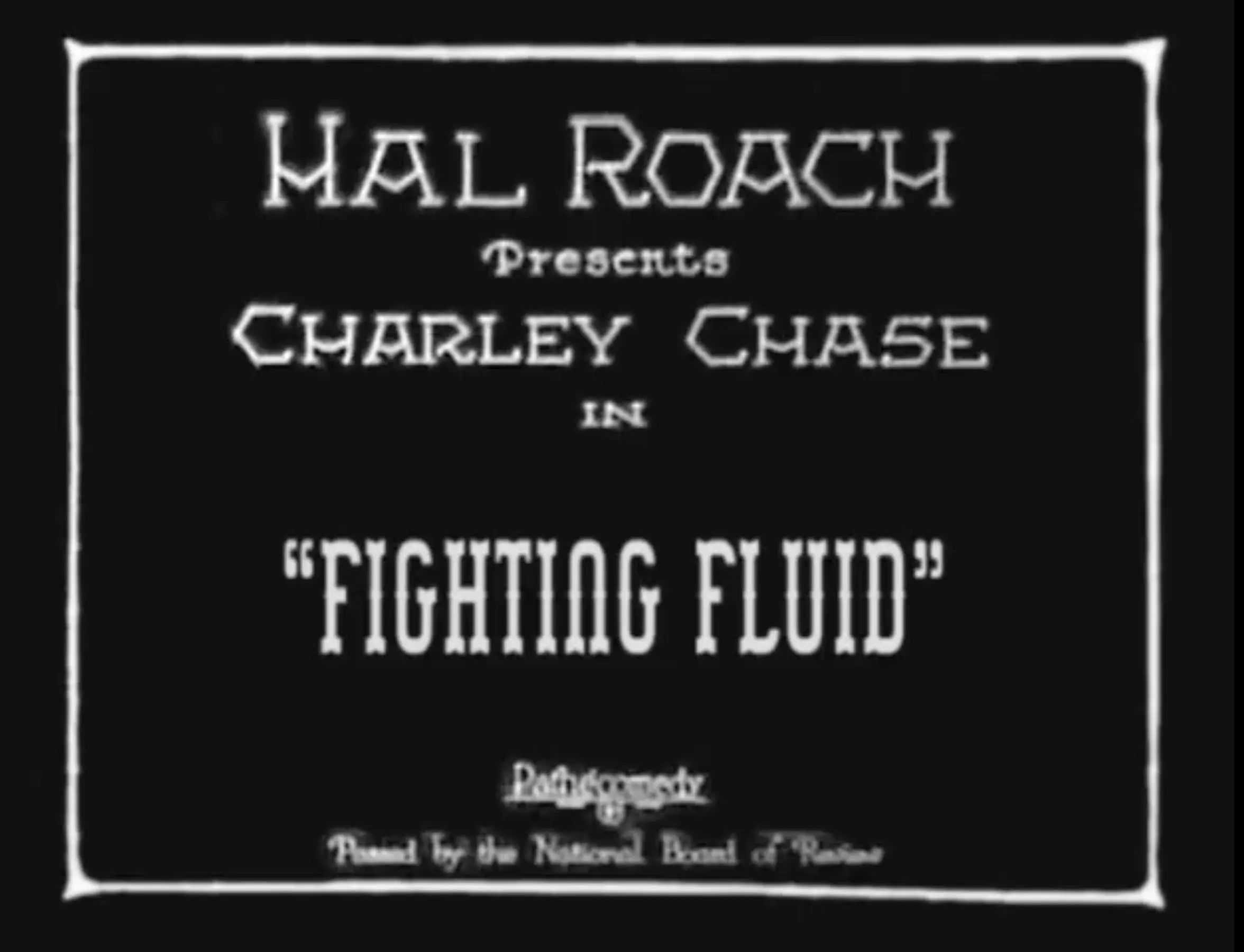
From a technical standpoint, Fighting Fluid exhibits a keen sense of visual storytelling, with crisp cinematography and clever editing. The film's use of situational humor and physical comedy is reminiscent of other notable works, such as Blow 'Em Up and The Jack of Hearts. The film's score, while not particularly noteworthy, adequately complements the on-screen action, adding to the overall sense of comedic timing.
Upon closer inspection, Fighting Fluid reveals itself to be a film of surprising complexity, tackling themes such as identity, love, and the human condition. In its portrayal of Charley's transformation, the film offers a wry commentary on the fluidity of self, suggesting that our personas are not fixed, but rather subject to the vicissitudes of circumstance. This theme is echoed in other films of the era, including Parisian Love and The Little Brother, which similarly explored the nuances of human relationships.
In conclusion, Fighting Fluid is a sidesplitting silent comedy that showcases Charley Chase's remarkable comedic talents. With its clever narrative, nuanced performances, and thoughtful exploration of themes, the film is a must-see for fans of the genre. While not without its flaws, Fighting Fluid is a true gem of the silent era, offering a unique blend of humor, pathos, and romance that continues to delight audiences to this day. For those interested in exploring further, The Magic Note and Daddy are also worth watching, as they share similar themes and comedic elements.
Ultimately, Fighting Fluid is a film that will leave you smiling, its humor and charm lingering long after the credits roll. If you're a fan of silent comedies, or simply looking for a lighthearted cinematic experience, Fighting Fluid is an excellent choice. Be sure to also check out The Man Who Beat Dan Dolan and The Dresden Doll for more classic comedic entertainment.