DbcultAccessing Vault...
Cult Review
Senior Film Conservator
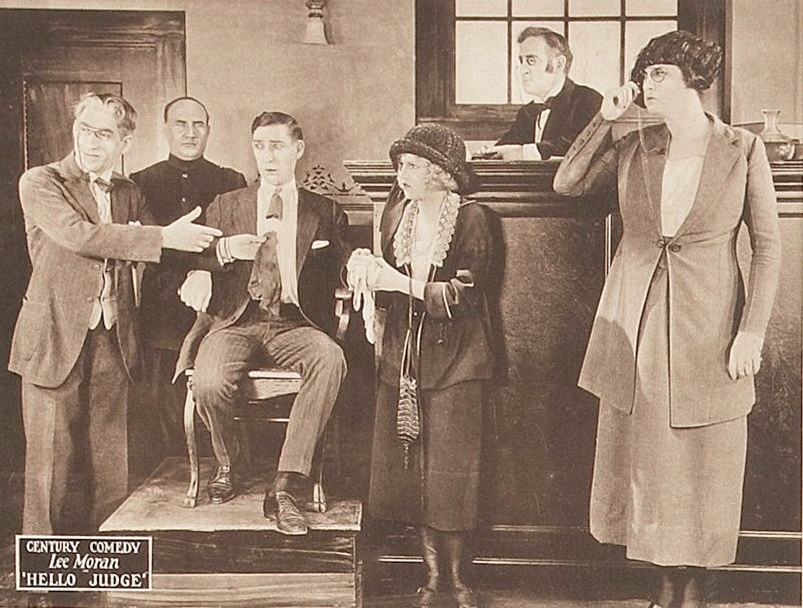
The first time I encountered Hello, Judge I expected a disposable one-reel grin; what flickered across the screen was a pocket-sized carnival of cruelty, a silent-era piñata that bursts with moral shrapnel. Arvid E. Gillstrom—whose name rarely escapes the footnotes—directs like a man winking through cracked spectacles: every iris-in feels conspiratorial, every intertitle drips arsenic-laced honey.
William Irving’s Lee arrives in the dock shoulders curved like a question mark, yet his eyes spark with the lunatic optimism of someone who believes the universe might still apologize. The courtroom is a cathedral of varnished pine where justice is measured in decibels; when the sobs of the jury ricochet, the chandelier trembles, and for a moment silent cinema finds its own form of surround-sound. Blanche Payson’s mother-in-law looms like a granite monument to ingratitude, her scowl etched so deep you could plant petunias in it. She doesn’t walk—she looms, a gothic gargoyle dolled up in lace.
And then there’s Clementina, the parrot, a Technicolor fever dream in monochrome surroundings. Birds in slapstick usually serve as punchlines; here the parrot is Greek chorus, snitch, and repressed desire rolled into one feathered package. When Lee confesses to murdering the bird, the gasp that sweeps the gallery is so synchronized you’d swear the orchestra pit rehearsed it. Yet the crime is less avicide than symbolic patricide—offing the creature that repeats every maternal reproach in piercing falsetto.
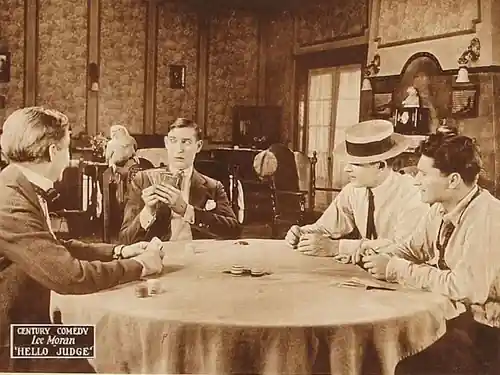
Gillstrom orchestrates tonal whiplash with sadistic finesse. One moment we’re in melodrama—Lee binding the old woman with clothesline as shadows stripe the wall like prison bars; the next we’re hurled into custard-pie absurdity as Lee plants a smooch on the judge’s powdered cheek, leaving a lipstick bruise shaped like guilt itself. The edit is so abrupt you can feel the filmstrip snicker.
The genius resides in the verdict reversal. Twenty-five years of penal servitude dissolves not through fresh evidence but through the seductive alchemy of storytelling. Lee’s testimony becomes a campfire tale of domestic gulags: cold coffee substituted for affection, every breakfast egg scrutinized for runny inadequacy, the parrot trained to screech “failure” at each new moon. The judge—played by Jack Henderson with the weary benevolence of a man who’s seen every excuse stapled to human frailty—leans forward, enchanted. In that tilt of the bench we witness jurisprudence toppled by pure narrative, a reminder that whoever owns the story owns the cell key.
Comparative glances are illuminating. Gillstrom’s tonal pivot anticipates the acrid whimsy of A Champion Loser and the domestic guillotine of Playthings, yet predates them by seasons. Where The People vs. John Doe moralizes its miscarriage, Hello, Judge belly-laughs at the absurdity of assigning guilt in a rigged vaudeville. Meanwhile the parrot—ancestor to every Hitchcock MacGuffin with wings—steals focus more brazenly than the courtroom gavel.
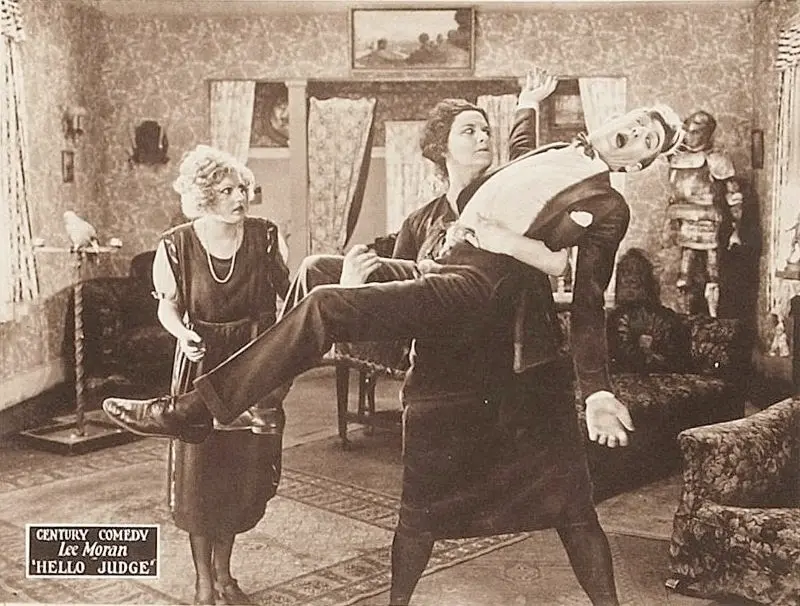
Visually, the picture exploits high-contrast orthochromatic stock to sculpt faces into lunar topographies. Lee’s sweat beads glow like miniature novas; the mother-in-law’s lace collar becomes a snowstorm devouring her neck. Gillstrom’s camera lingers on hands—trembling, clenching, shaking in jubilation—because in the silent era hands orate louder than tongues.
The final image—Clementina fluttering behind the American flag—reads as both absurdist coup and sly political sneer. The bird seeks sanctuary within the symbol of liberty, suggesting even patriotism can be reduced to a perch if the joke lands. Cynics will call it cheap irony; I call it 1925 throwing a tomato at the notion of moral absolutes.
Performances oscillate between greasepaint exaggeration and flickers of Method avant-la-lettre. Irving’s grin when the sentence is pronounced is so wide it threatens to split his face into two dissatisfied halves; you sense a man tasting revenge in advance. Lee Moran as the prosecutor provides eyebrows that semaphore condescension, while Ena Gregory’s brief turn as the put-upon wife embodies the era’s favorite paradox: angelic suffering wrapped in drop-waist chic.
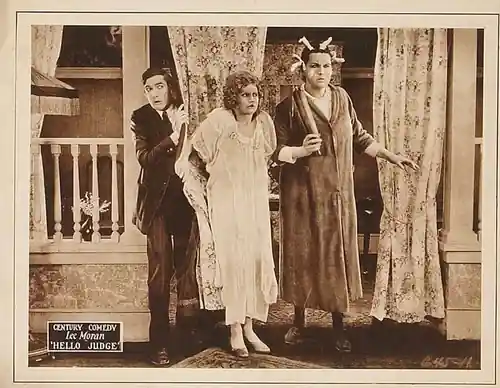
Yet the film’s true star is rhythm. Gillstrom cuts on gestures rather than exposition: a shrug, a spit-take, a parrot squawk—each becomes metronome for the next gag. The result feels like scrolling through a flip-book drawn by a cynic with a heart secretly stitched from tinsel.
Restoration enthusiasts note: surviving prints derive from a 16 mm classroom dupe laced with Dutch intertitles, giving the dialogue cards the faint aroma of licorice. Some cine-clubs substitute live piano with ukulele, a decision that neuters the menace; insist on a keyboard capable of thunderous minor chords when the noose tightens.
Socially, the short plays like a vaudeville referendum on the Road of Ambition myth: work hard, keep polite, and maybe prosperity will alight upon your shoulder like a friendly sparrow. Lee followed the script, only to find the sparrow replaced by a carping parrot. His celebration of a twenty-five-year sentence is the belly-laugh of someone whose compass of expectation has snapped; better a numbered bunk than the chaos of shared dishes with a harridan.
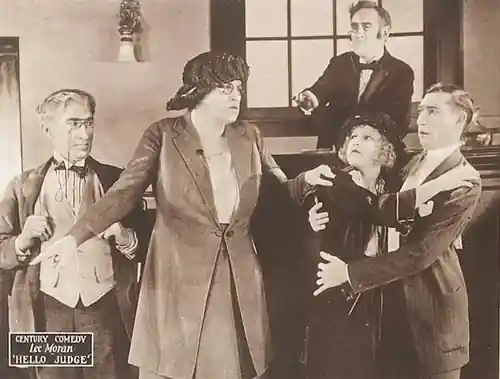
Contemporary viewers might flinch at the slapstick violence—gagging an elder woman courts discomfort in an age alert to elder abuse. But Gillstrom isn’t endorsing; he’s inflating human resentment until it becomes balloon-animal caricature. The moment Lee is freed, the mother-in-law’s terror is played for laughs, yet Blanche Payson’s quivering jowls betray genuine fear, threading pathos through farce like a hairline fracture.
Sound cinema would drown this delicacy under dialogue; silence forces the viewer to supply internal monologue, making us accomplices first to Lee’s rage, then to the judge’s clemency. We become the jury, and the sneaky exhilaration of absolving a guilty man stains the conscience with orange zest.
Marketing ephemera of 1925 sold the film as “A Scream from Start to Finish,” underselling its serrated aftertaste. Trade papers praised Jack Morgan’s comedic timing but missed the picture’s stealth thesis: family is the original crime scene, and every generation rewrites the bloodstains into punchlines.
For collectors, the reel clocks a brisk 22 minutes—perfect double-bill fodder with Hearts and Flowers or Distilled Love. Program them under the umbrella title “Domestic Battlegrounds” and watch audiences squirm in communal recognition.
In the end, Hello, Judge lingers because it refuses to pick a moral lane. It hands us a bouquet of thorns and whistles away, convinced we’ll admire the bloom even as our palms bleed. And the parrot—perched somewhere between prop and prophet—keeps repeating a phrase we can’t quite translate, a squawk that sounds suspiciously like the future laughing at our need for neat endings.
IMDb 6.4
1927
Community
Log in to comment.