DbcultAccessing Vault...
Cult Review
Senior Film Conservator
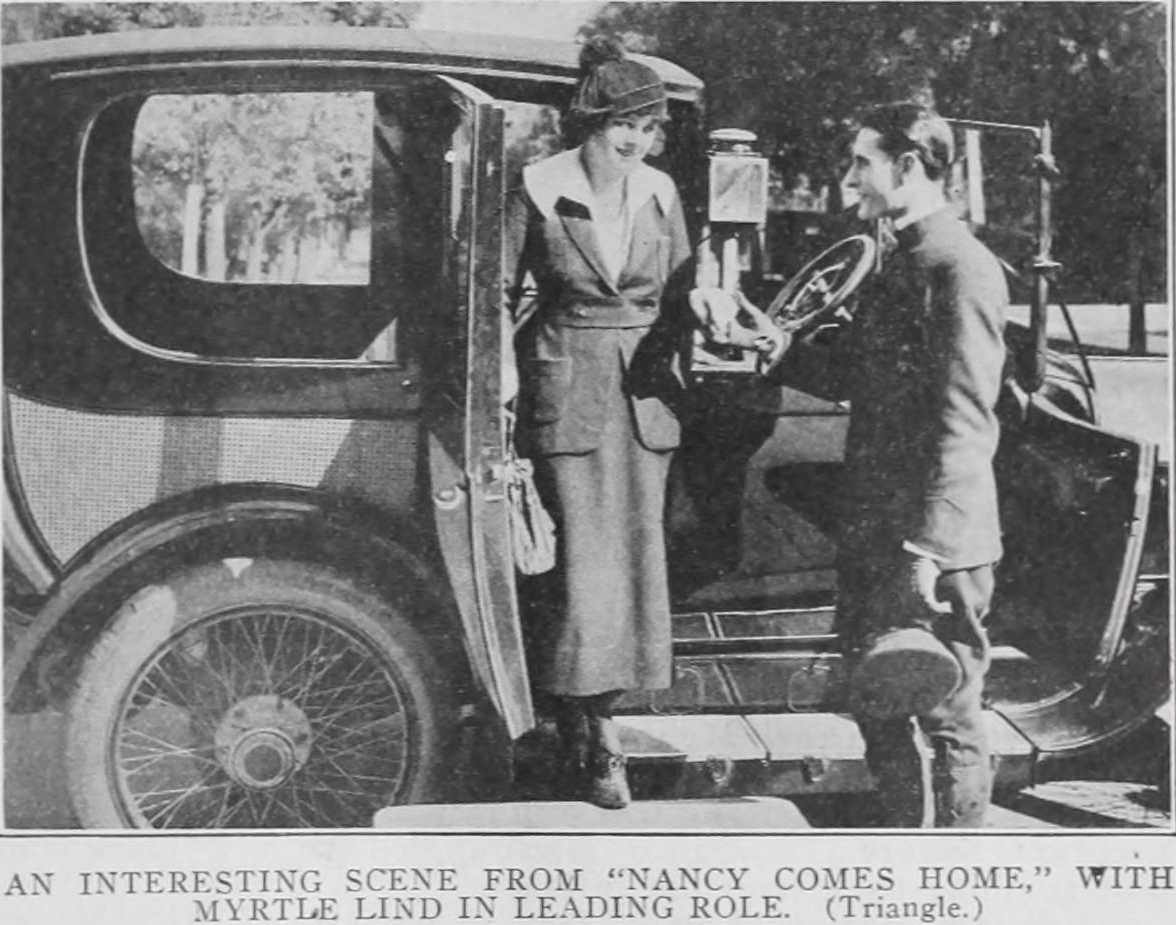
Nancy Comes Home (1920) is a cinematic relic, a silent film that clings to the frayed edges of a bygone era where morality plays collided with the nascent anxieties of modernity. Directed with a mix of earnestness and theatricality by an uncredited hand—a product of the studio system’s anonymity—it follows the titular character’s descent into chaos and her eventual resurrection through contrition. The film’s opening frames, steeped in the sepia-toned melancholy of a young woman returning from the sterile confines of a boarding school, set the stage for a melodrama that oscillates between the operatic and the mundane.
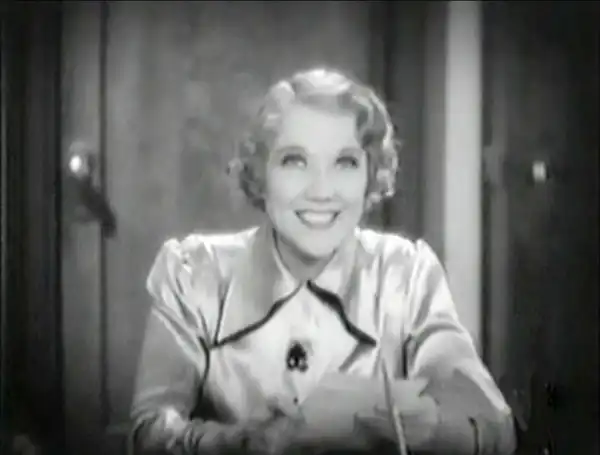
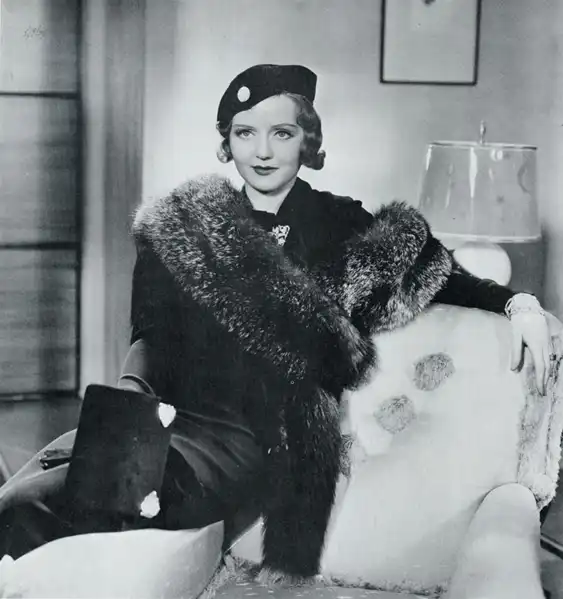
Nancy (played with a blend of hauteur and vulnerability by Myrtle Rishell) is not merely a product of her environment; she is its most volatile element. Her parents, portrayed with chilling detachment by George C. Pearce and Anna Dodge, exist as specters of privilege, their indifference to their daughter’s emotional needs a silent indictment of the upper class. The jewels pawned by Nancy—gleaming emblems of inherited wealth—become the film’s most potent symbol: a currency of shame traded for the illusion of autonomy. When Nancy persuades the chauffeur Phil Ballou (Eugene Burr), a figure of stoic reliability, to smuggle her into a cabaret, the narrative veers into the realm of the grotesque, a world where vice masquerades as liberation.
The film’s most audacious sequence—a shooting at the cabaret—unfolds with the dispassion of a newsreel, the camera lingering on Phil’s arrest as if to underscore the arbitrariness of justice. The trial scenes, a patchwork of muffled dialogue and exaggerated gestures, recall the absurdity of a farce yet pulse with the gravity of a Sophoclean tragedy. Phil’s revelation of his aristocratic lineage—a twist that feels both contrived and necessary—serves as the film’s pivot point, exposing the hypocrisy of a society that demands conformity while tolerating its own transgressions. Nancy’s final act of confession, delivered with the solemnity of a ritual, is less a resolution than a surrender to the narrative’s moral framework.
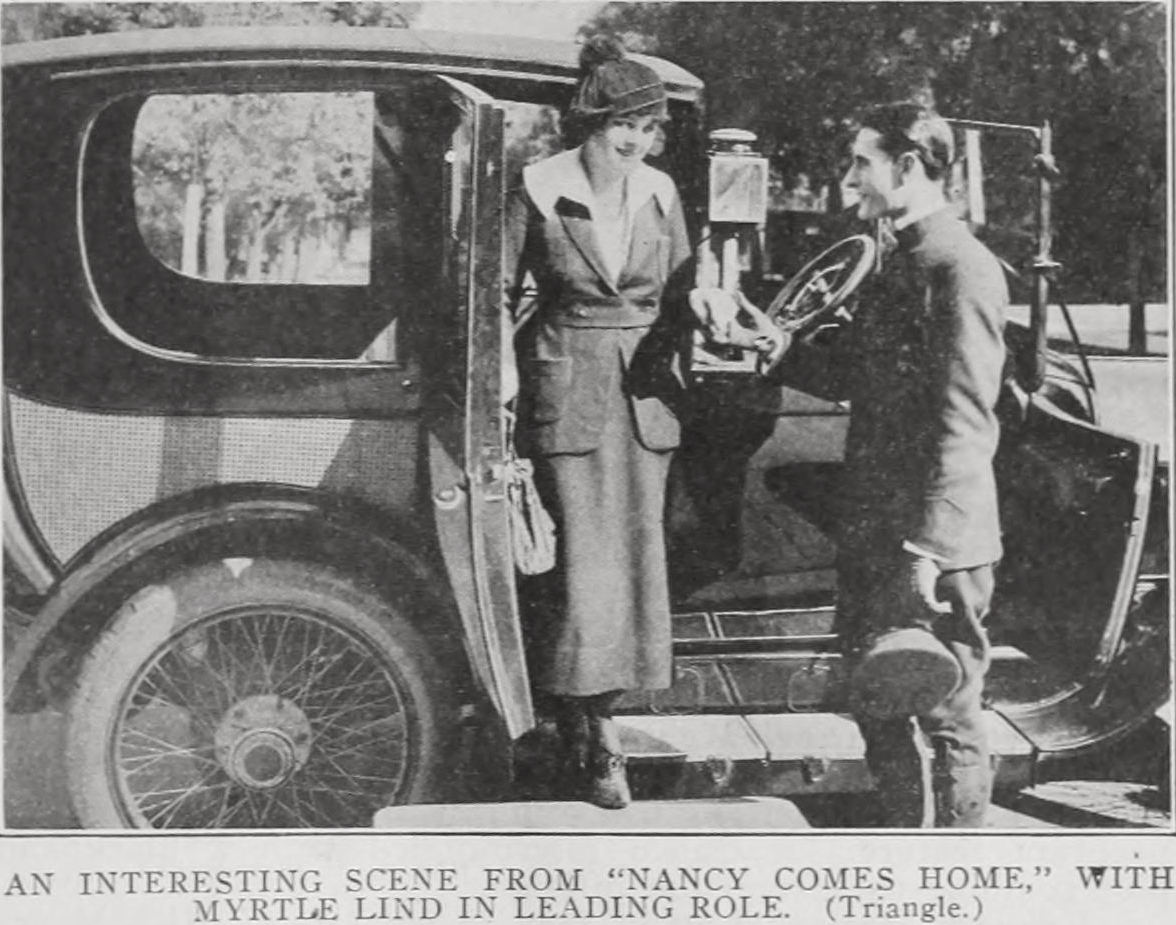
What elevates Nancy Comes Home beyond its B-movie trappings is its unflinching examination of complicity. Nancy’s actions—rooted in a desire to belong—are not vilified but refracted through the lens of her privilege. The film’s visual grammar, replete with shadowy interiors and stark chiaroscuro, mirrors the characters’ inner turmoil. A recurring motif of mirrors, glimpsed in fleeting moments of self-reflection, suggests a preoccupation with identity as both performance and prison. The final scenes, where the young lovers reconcile their fates, are tinged with the bittersweetness of a society that cannot fully absolve its wayward children.
The supporting cast, including the enigmatic Anna Dodge as the mother and John Gilbert in a minor role, lend the film a sense of cohesion despite its uneven pacing. The score, a melancholic waltz that underscores the film’s tragicomedy, is a ghostly reminder of the era’s romantic fatalism. For modern audiences, the film’s didacticism may feel heavy-handed, yet its raw emotional core—Nancy’s guilt, Phil’s stoic dignity—resonates with a sincerity that transcends its technical limitations.
Comparisons to The Mystery of No. 47 (1914) are inevitable, given the shared fascination with courtroom theatrics, yet Nancy Comes Home distinguishes itself through its focus on gender and class. Unlike the more plot-driven Anna Karenina (1914), this film’s emotional stakes are intimate, its world confined to the domestic sphere. For those seeking a more nuanced exploration of societal decay, The Blacklist (1922) offers a sharper critique, but Nancy Comes Home holds its own as a period piece, its flaws inseparable from its charm.
In an age where silent films are often dismissed as relics, Nancy Comes Home persists as a curio of early cinema, its narrative simplicity a portal into the moral quandaries of the interwar period. The film’s final moments, with Nancy and Phil walking into the dawn, are a masterclass in visual storytelling: the dawn is not a promise but a truce, a tacit acknowledgment that redemption is a fragile thing. For cinephiles, the film remains a testament to the era’s belief in art’s power to moralize, a belief both endearing and exhausting in its earnestness.
IMDb —
1924
Community
Log in to comment.