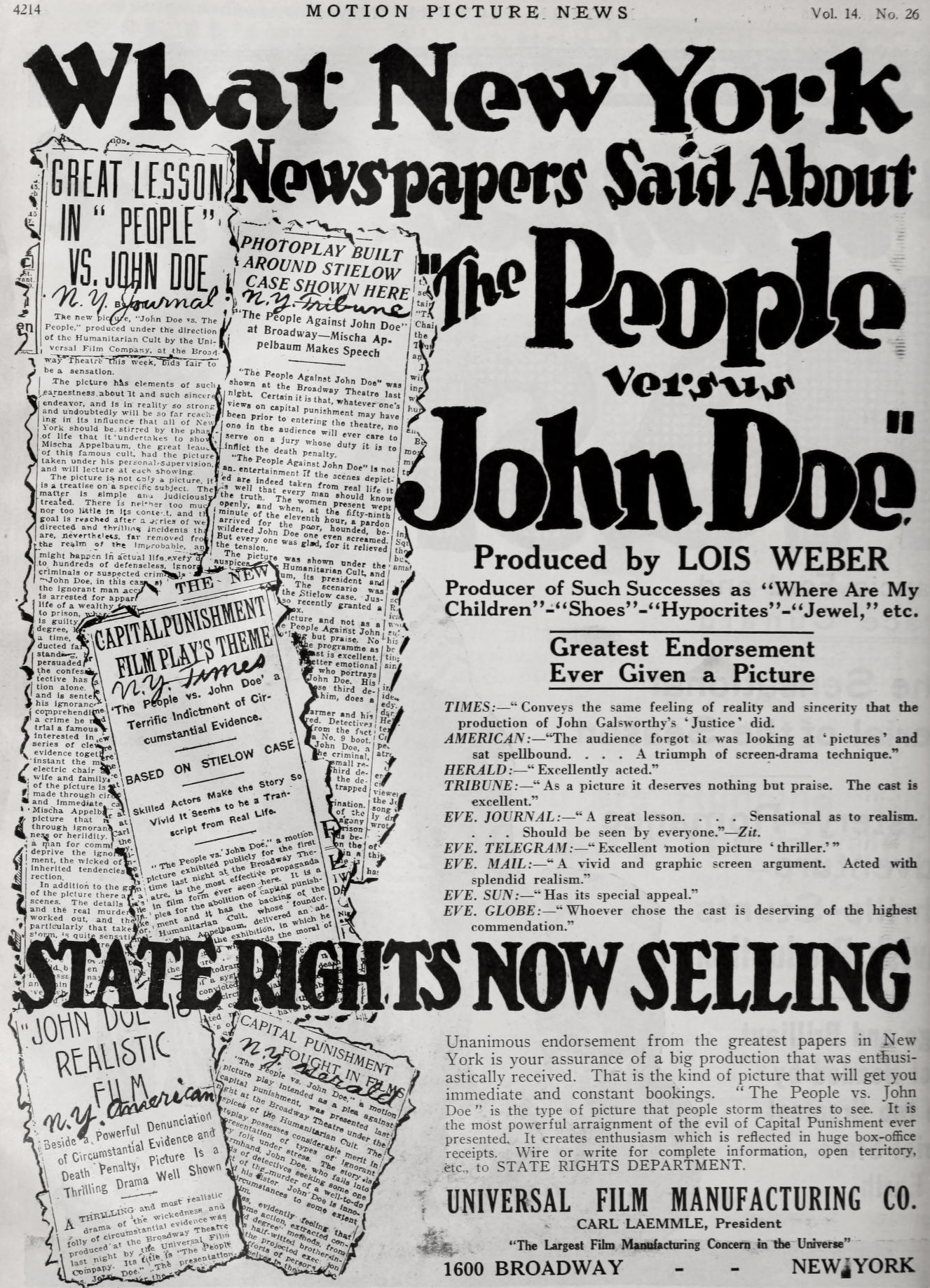
A fictionalized composite of several celebrated murder cases, particularly the Stielow case, in which an innocent man is convicted and sentenced to death on purely speculative evidence..

Lois Weber
United States
To witness The People vs. John Doe in the modern era is to participate in an act of cinematic archaeology that unearths the very foundations of the social-problem film. Directed and penned by the formidable Lois Weber, this 1916 silent feature is far more than a historical artifact; it is a thundering polemic agains...
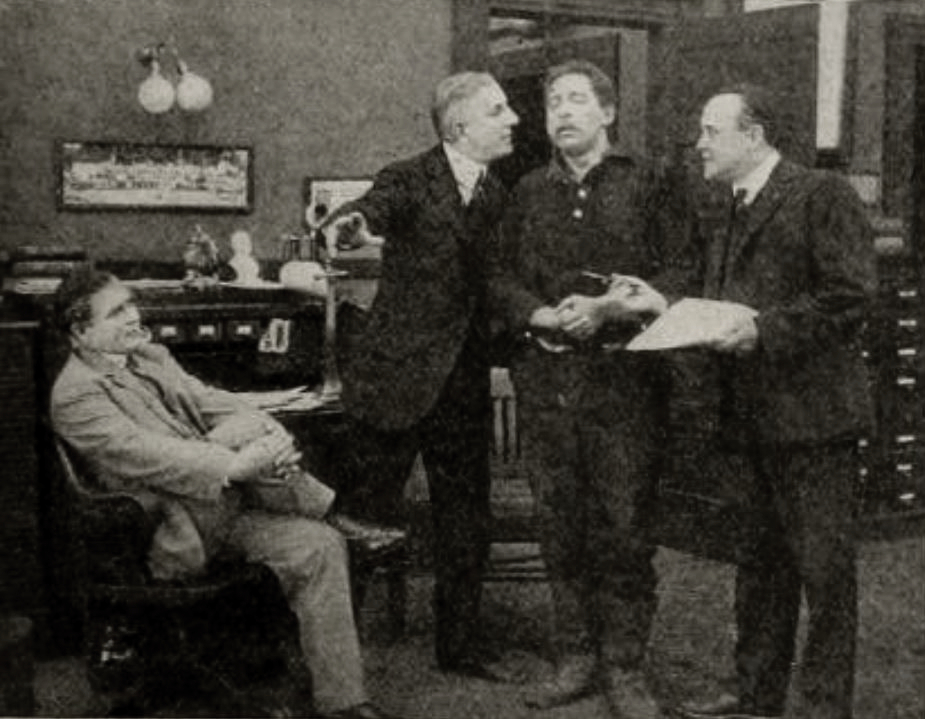
still_frame
Comparing the cinematic DNA and archive impact of two defining moments in cult history.
Lois Weber
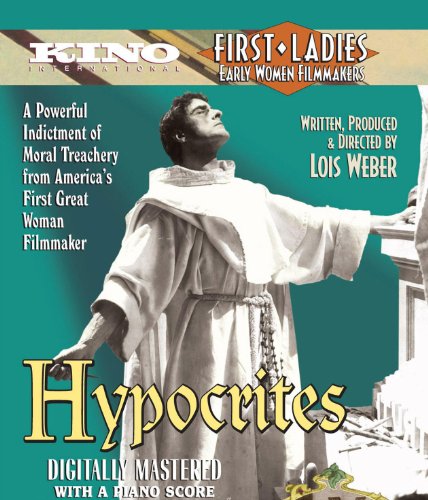
Lois Weber
Community
Log in to comment.
" To witness The People vs. John Doe in the modern era is to participate in an act of cinematic archaeology that unearths the very foundations of the social-problem film. Directed and penned by the formidable Lois Weber, this 1916 silent feature is far more than a historical artifact; it is a thundering polemic against the fragility of justice. At a time when the medium was still grappling with its own grammar, Weber was already utilizing the screen as a pulpit, a laboratory, and a courtroom. T..."

Deep dive into the cult classic
Discover similar cinematic experiences
A Directorial Spotlight on Lois Weber