DbcultAccessing Vault...
6.7/10
Senior Film Conservator
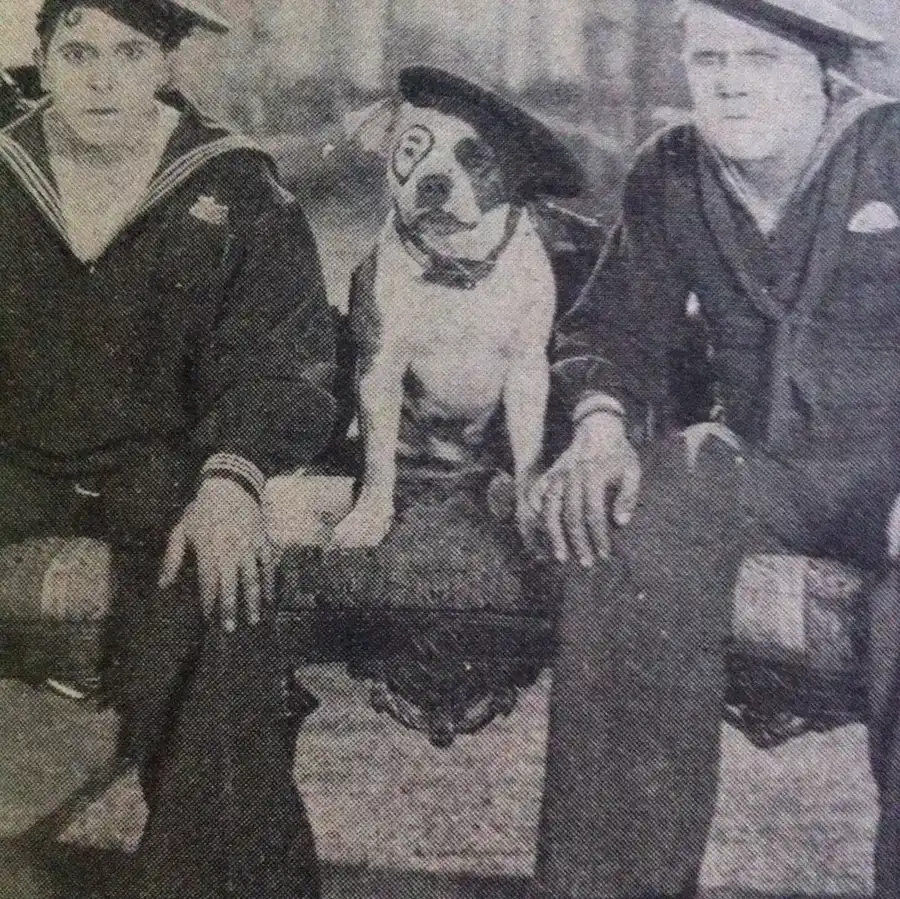
A definitive 6.7/10 rating for a film that redefined the boundaries of cult cinema. Hello Sailor remains a cornerstone of transgressive art.
Short answer: yes, but with a significant caveat. ‘Hello Sailor’ is a delightful, if undeniably dated, romp that offers genuine charm and a surprising amount of heart. It’s a film that asks its audience to meet it halfway, forgiving its period-specific pacing and sensibilities in exchange for a dose of pure, unpretentious joy. This is a film for those who appreciate the foundational elements of comedic storytelling and character-driven narratives from an earlier era, particularly fans of silent-era slapstick and early talkie adventures.
However, it is decidedly NOT for viewers accustomed to modern narrative complexity, rapid-fire editing, or cynical realism. If your cinematic palate demands high-stakes drama, intricate plot twists, or cutting-edge special effects, ‘Hello Sailor’ will likely feel like a quaint relic rather than a compelling watch. It’s a gentle film, a warm embrace from a bygone era, and its appeal is deeply rooted in that specific historical context.
At its core, ‘Hello Sailor’ unfurls as a quintessential tale of humble ambition and unexpected romance, all set against a bustling harbor backdrop. We follow Captain Wallace Lupino, a man whose dreams of maritime independence are as vast as the ocean itself, yet whose reality is tethered to the whims of the eccentric Captain Lupino Lane. Wallace’s journey is not a solitary one; he’s accompanied by the truly remarkable The Wonder Dog Pal, whose screen presence often rivals that of his human counterparts. Their bond forms the emotional anchor of the film, providing both comedic relief and genuine pathos.
The introduction of Charlene Aber, a spirited performer, and her fiercely protective Aunt Arline Abers, injects a delightful romantic tension and a healthy dose of comedic obstacles. The plot accelerates with the disappearance of a supposedly cursed antique compass, drawing Wallace and Pal into a madcap chase that they believe holds the key to Wallace’s fortune and, more importantly, Charlene’s affection. It’s a simple premise, executed with an infectious enthusiasm that speaks volumes about the era’s filmmaking ethos.
This film works because... it masterfully blends earnest character performances with a lighthearted, almost innocent, sense of adventure and comedic timing that feels both classic and enduringly charming. The chemistry between Wallace Lupino and The Wonder Dog Pal is particularly compelling, providing a genuine emotional core.
This film fails because... its pacing can be agonizingly slow for modern audiences, and some of its comedic tropes, while historically significant, haven't aged gracefully, occasionally bordering on repetitive.
You should watch it if... you are a cinephile interested in the evolution of cinematic comedy, a fan of early animal performers, or simply seeking a gentle, optimistic escape into a bygone era of filmmaking.
The strength of ‘Hello Sailor’ largely rests on the shoulders, or rather, the flippers and paws, of its engaging cast. Wallace Lupino, as the titular sailor, brings a disarming blend of wide-eyed optimism and bumbling sincerity to Captain Wallace. He’s not a dashing hero in the conventional sense, but rather an everyman whose aspirations are relatable, making his triumphs feel earned. His physical comedy, though understated compared to some contemporaries, is effective, particularly in scenes involving his attempts to impress Charlene or navigate the chaotic harbor chase. There’s a moment where he tries to gracefully leap onto a moving boat, only to spectacularly miss and land in a coil of rope, which perfectly encapsulates his endearing awkwardness.
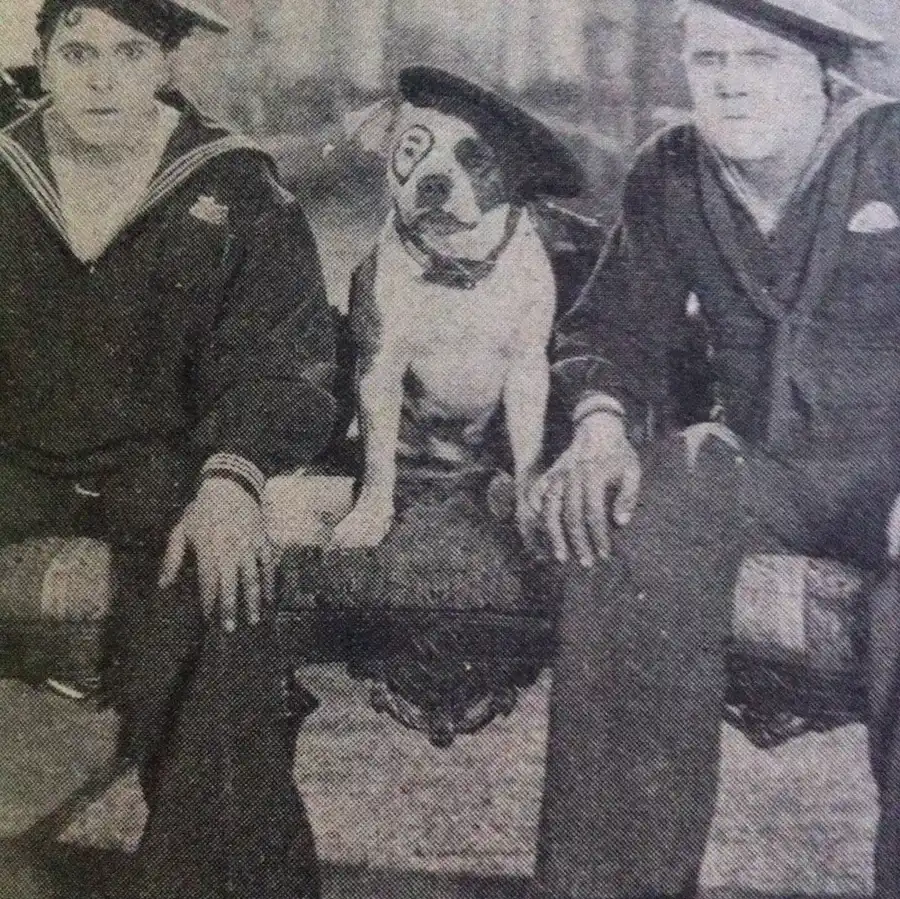
Charlene Aber, as the object of Wallace’s affections, delivers a performance that is both vivacious and grounded. She avoids the trap of being a mere damsel in distress, instead portraying a character with agency and a clear sense of self. Her initial skepticism towards Wallace, particularly in her witty retorts during their first meeting on the pier, adds a layer of intelligent banter that elevates their romance beyond simple infatuation. Her interactions with Arline Abers, her aunt, are particularly well-observed, showcasing a believable family dynamic that grounds the more farcical elements of the plot.
However, the true standout, and arguably the film’s most enduring legacy, is The Wonder Dog Pal. Pal is not merely a prop or a cute sidekick; he is an integral character whose intelligence and training are genuinely astonishing. His ability to react to Wallace’s commands, to ‘think’ his way out of predicaments (such as retrieving the compass from a difficult spot by nudging it with his nose), and to convey emotion through subtle cues is nothing short of remarkable. The scene where Pal ‘comforts’ a dejected Wallace by nudging his hand and then playfully stealing his hat is a masterclass in animal acting, demonstrating a bond that feels utterly authentic. It's a testament to the trainers and the dog himself that Pal's performance feels so natural, so much a part of the narrative fabric.
Lupino Lane, in a supporting role as the eccentric Captain, provides much of the broader physical comedy. His exaggerated expressions and theatrical gestures lean heavily into the vaudevillian traditions of the era. While sometimes bordering on caricature, his performance serves as a necessary foil to Wallace’s more subdued demeanor, adding an anarchic energy to the shipboard scenes. Arline Abers, as the overprotective aunt, rounds out the ensemble with a performance that balances sternness with an underlying, if begrudging, affection. Her suspicious glances and sharp tongue provide many of the film’s verbal jabs, contrasting nicely with the physical antics.
The direction of ‘Hello Sailor’ is a fascinating study in early cinematic storytelling. The filmmaker (whose name is notably absent from the initial prompt, suggesting it might have been lost to time or a collaborative effort characteristic of early studios) employs a straightforward, unembellished style that prioritizes clear narrative progression over visual flair. This isn’t a film striving for experimental artistry; it’s focused on effective communication of plot and character. The use of medium shots and wider frames allows the audience to fully appreciate the physical comedy and the bustling harbor environments, a stark contrast to the tighter, more intimate framing prevalent in modern cinema.
Cinematographically, the film benefits immensely from its on-location shooting. The harbor scenes are particularly vibrant, capturing the genuine atmosphere of a working waterfront. The natural light, even in black and white, lends an authenticity that studio sets often struggled to replicate. There’s a specific sequence involving a small boat chase through the crowded docks, where the camera, mounted on what appears to be another moving vessel, captures the kinetic energy and the genuine peril (albeit played for laughs) of the pursuit. This provides a rare, almost documentary-like glimpse into the maritime life of the period, far more compelling than any set could achieve.
However, the film’s visual language is, by contemporary standards, quite rudimentary. Camera movements are minimal, often static, allowing the action to unfold within the frame rather than guiding the viewer’s eye with dynamic cuts or sweeping tracking shots. While this simplicity can feel charmingly old-fashioned, it occasionally contributes to the sense of a slower pace. The focus on establishing shots and clear sightlines for the physical comedy is evident, but it sometimes sacrifices visual dynamism for narrative clarity. The lack of complex lighting setups means that some interior scenes can appear flat, relying heavily on the performances to inject depth.
The pacing of ‘Hello Sailor’ is perhaps its most divisive element. It operates on a rhythm that is significantly slower than what most contemporary viewers are accustomed to. Plot points unfold gradually, and comedic moments are given ample time to breathe, sometimes extending beyond what feels necessary by today’s standards. For instance, the initial establishment of Wallace’s aspirations and his clumsy attempts to interact with Charlene takes a considerable amount of screen time before the central conflict of the missing compass truly kicks in. This deliberate tempo, however, allows for a deeper appreciation of the character interactions and the subtle comedic beats, fostering a sense of immersion in the film’s world rather than rushing through it.
The tone is overwhelmingly lighthearted and optimistic, a refreshing departure from the often cynical or gritty narratives of modern cinema. Even when characters face setbacks, there’s an underlying current of hope and resilience. The humor is largely physical and situational, relying on misunderstandings, pratfalls, and the endearing antics of Pal. It’s a gentle comedy, free from malice or harshness. The romantic elements are sweet and innocent, building through shared experiences rather than grand declarations. This unwavering optimism, while potentially saccharine for some, is undeniably a core part of its charm and historical appeal. It's a film that genuinely wants you to smile.
Beneath its surface of comedic adventure, ‘Hello Sailor’ explores several timeless themes. The pursuit of dreams, despite numerous obstacles, is central to Wallace’s character. His desire for his own ship isn't just about material wealth; it's about autonomy and purpose. The film also champions the power of loyalty and friendship, most poignantly demonstrated
IMDb 7
1935
Community
Log in to comment.