DbcultAccessing Vault...
6.9/10
Senior Film Conservator
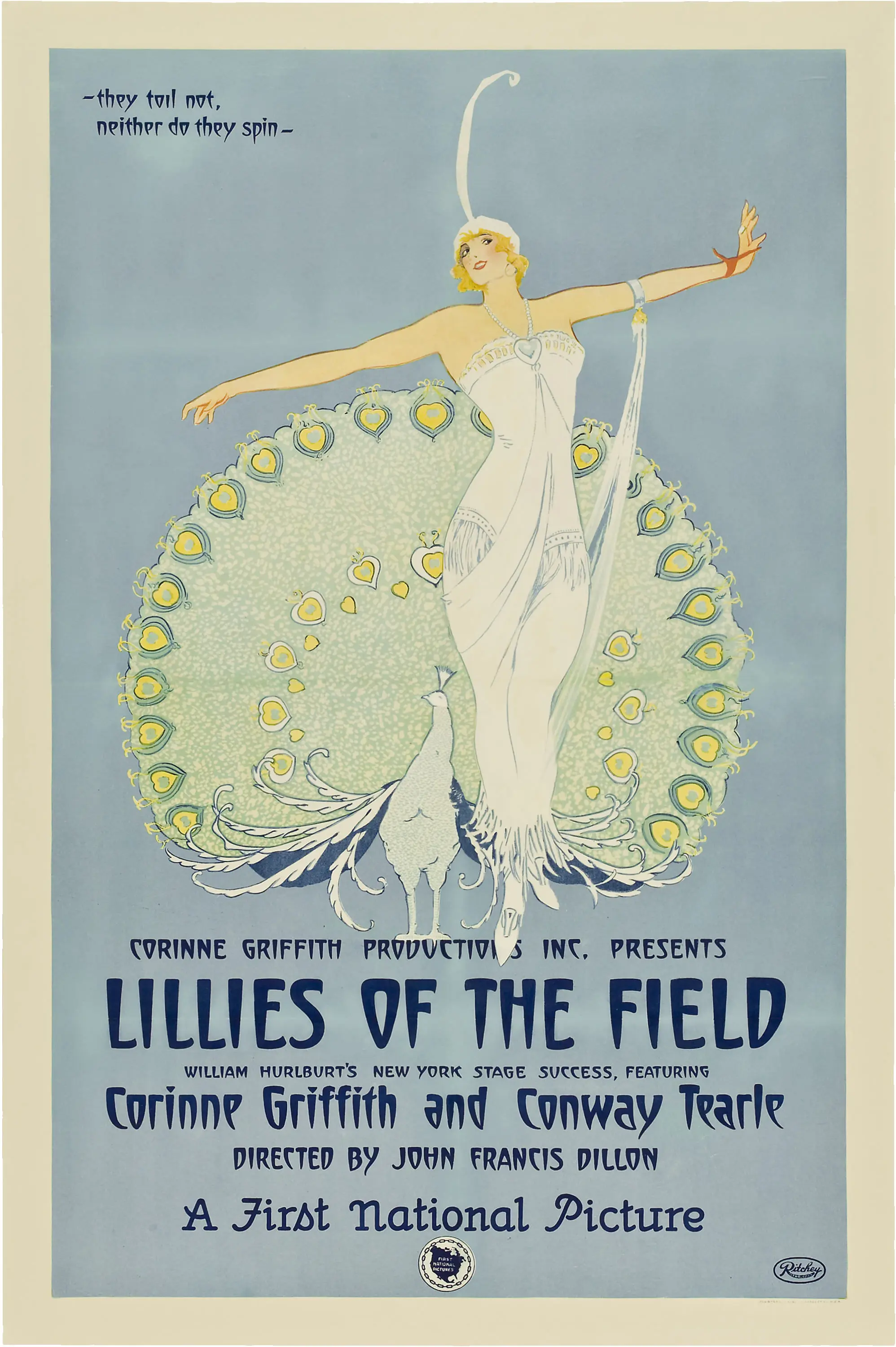
A definitive 6.9/10 rating for a film that redefined the boundaries of cult cinema. Lilies of the Field remains a cornerstone of transgressive art.
In the rarefied realm of cinematic history, 'Lilies of the Field' (1924) emerges as a fascinating artifact, a film that masterfully excavates the complexities of matrimony, deceit, and the societal pressures that underpin the institution of marriage. This cinematic treatise, penned by Adelaide Heilbron, William Hurlbut, and Marion Fairfax, presents a nuanced exploration of the human condition, eschewing didacticism in favor of a character-driven narrative.
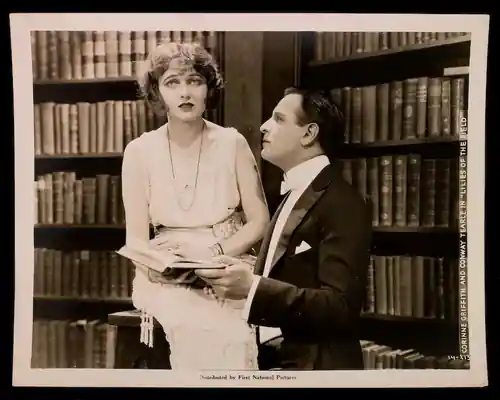
The film's protagonist, Mildred, played by Alma Bennett, is a young mother whose life is turned upside down by her husband Walter's perfidious actions. Unbeknownst to Mildred, Walter is embroiled in an extramarital affair, which sets in motion a chain of events that will ultimately lead to their divorce. The narrative takes a dramatic turn when Mildred attends a party with a friend of Walter's, only to find herself in a compromising situation with the inebriated acquaintance.
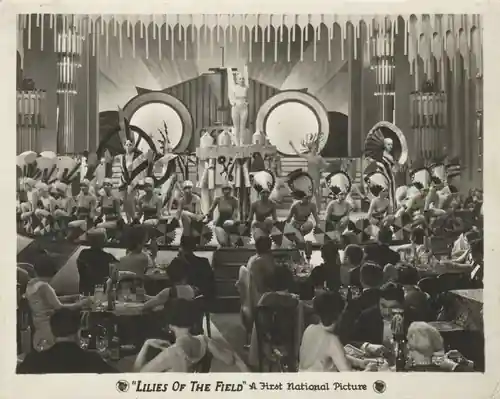
As the story unfolds, Walter capitalizes on this fortuitous, yet compromising, encounter to sue Mildred for divorce, citing her alleged 'immorality' as grounds for the dissolution of their marriage. The trial that ensues is a masterclass in dramatic tension, as Walter's deceitful testimony and the presentation of fraudulent evidence ultimately lead to his victory in the courtroom. The consequences of this verdict are dire, as Walter is awarded custody of their child, leaving Mildred to navigate the complexities of her shattered life.
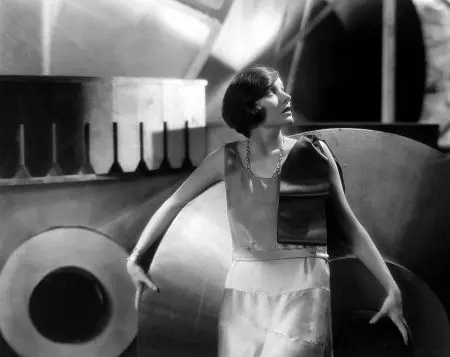
Throughout the film, the performances of the cast are noteworthy, with Crauford Kent delivering a particularly memorable portrayal of Walter, the duplicitous husband. The cinematography, though somewhat dated, still manages to convey the somber tone and emotional intensity of the narrative, drawing the viewer into the world of the characters.
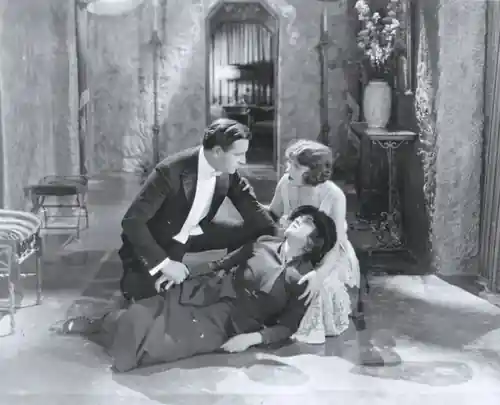
In comparison to other films of the era, 'Lilies of the Field' shares thematic similarities with 'Velikiye dni Rossiiskoi revolutsii s 28/II po 4/III 1917 goda', which also explores the complexities of relationships and societal pressures. However, 'Lilies of the Field' distinguishes itself through its nuanced characterizations and masterful plotting.
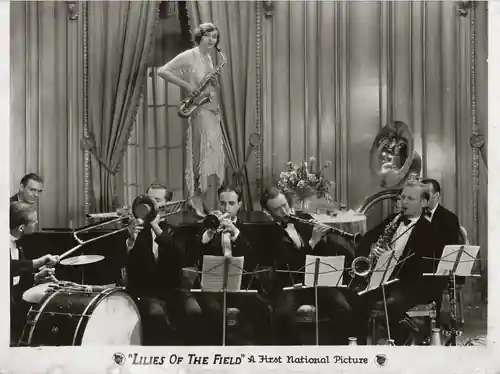
The film's exploration of marriage, divorce, and the societal pressures that underpin these institutions is both thought-provoking and visually stunning. As a cinematic artifact, 'Lilies of the Field' offers a captivating glimpse into the past, providing a unique window into the values, attitudes, and social norms of the era.
In conclusion, 'Lilies of the Field' is a tour de force of early 20th-century cinema, a film that masterfully dissects the complexities of marriage, deceit, and societal pressures. With its nuanced characterizations, masterful plotting, and thought-provoking themes, this cinematic treatise remains an essential viewing experience for film enthusiasts and scholars alike.
Additional films that may be of interest to viewers of 'Lilies of the Field' include 'The Dangerous Talent', 'Tipped Off', and 'Lost and Won', all of which offer unique perspectives on the human condition and the complexities of relationships.
IMDb 5.8
1922
Community
Log in to comment.