DbcultAccessing Vault...
6.9/10
Senior Film Conservator
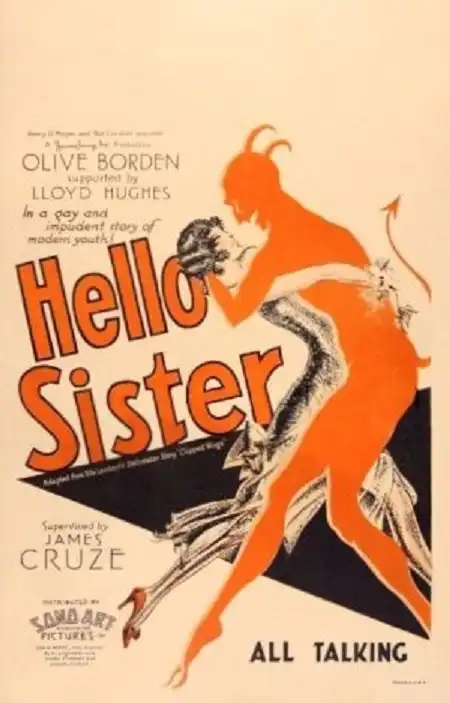
A definitive 6.9/10 rating for a film that redefined the boundaries of cult cinema. Hello Sister remains a cornerstone of transgressive art.
Hello Sister is one of those old films that might just surprise you, _if_ you're in the mood for a gentle, often charming look at a bygone era. If you enjoy digging into films from the late 20s, especially ones with a spunky lead trying to navigate silly rules, then yeah, give it a shot. But if you're expecting anything fast-paced or deeply dramatic, this one will probably feel like watching paint dry. It’s a definite skip if you can't stand silent film conventions or a plot that hinges on a very specific, slightly dated idea of "being proper."
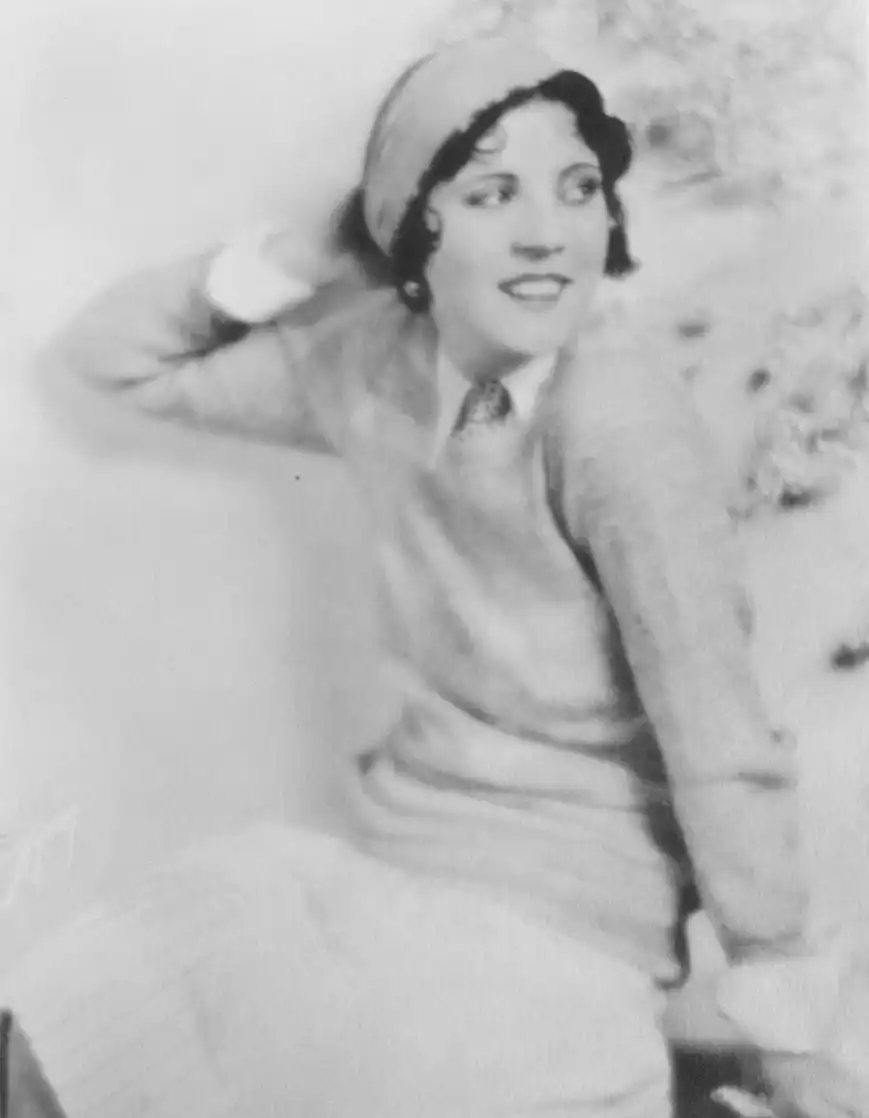
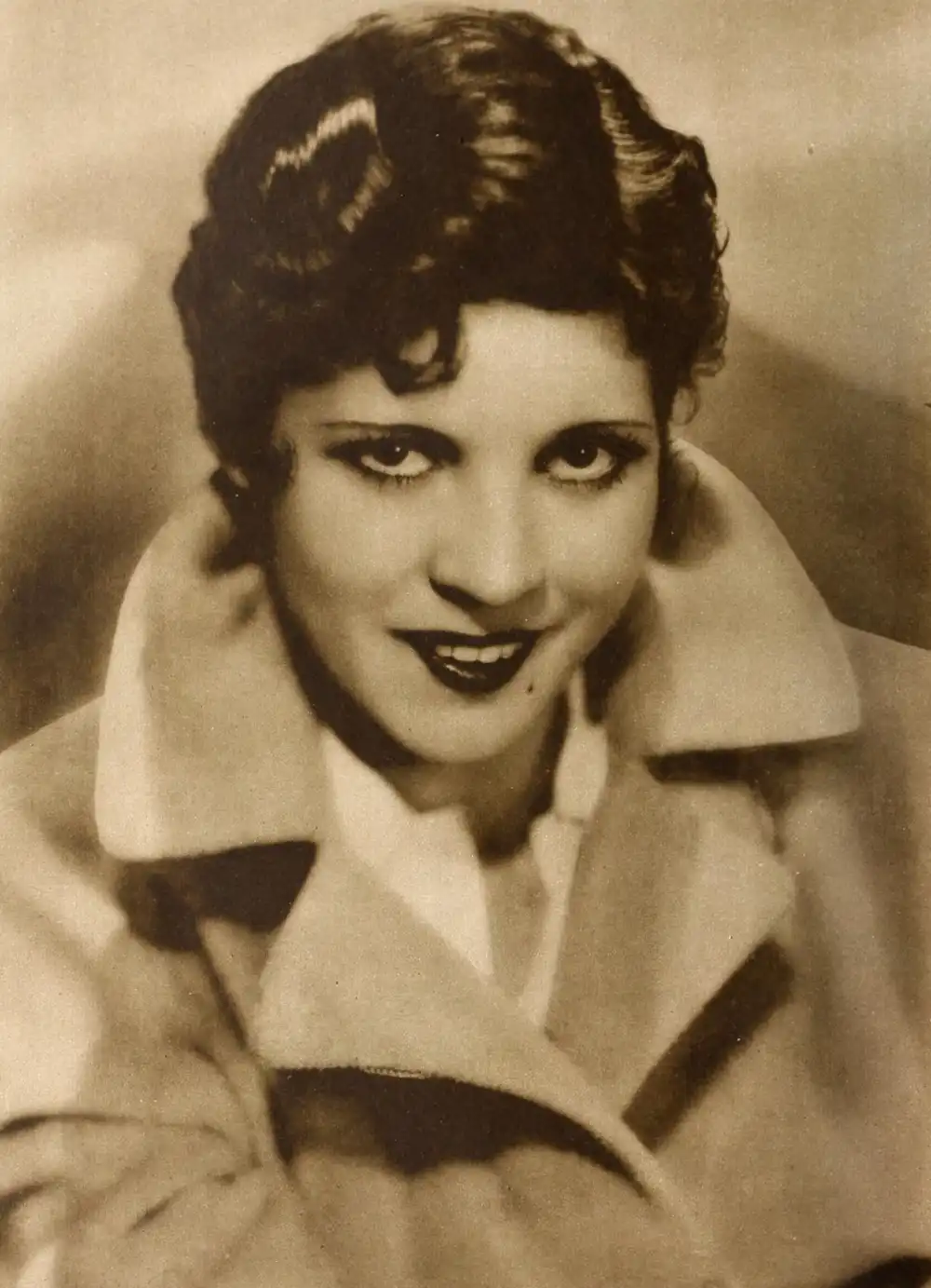
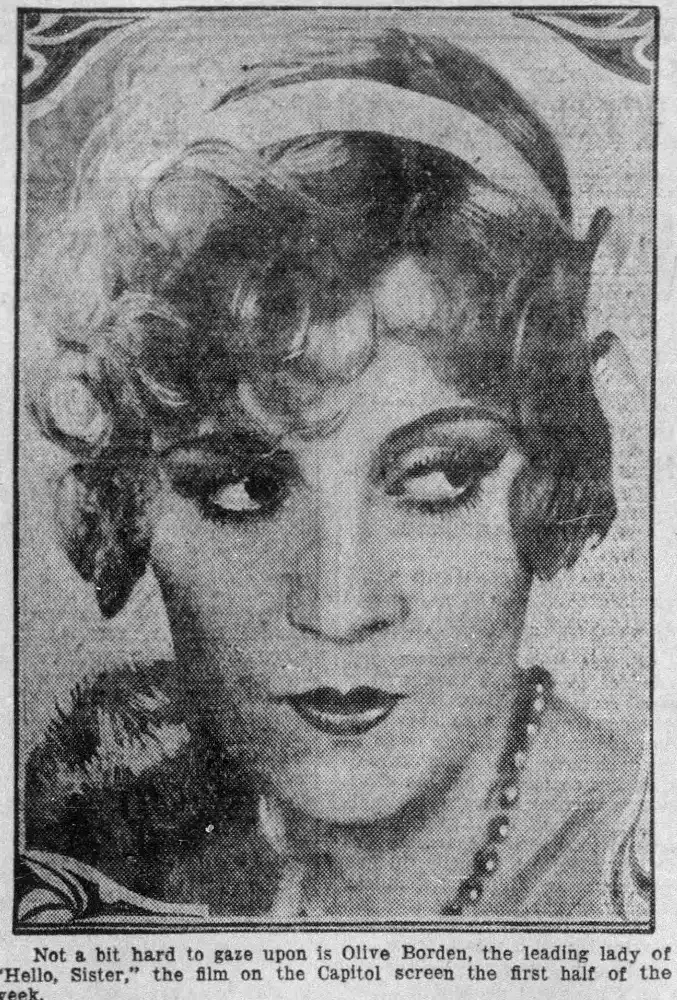
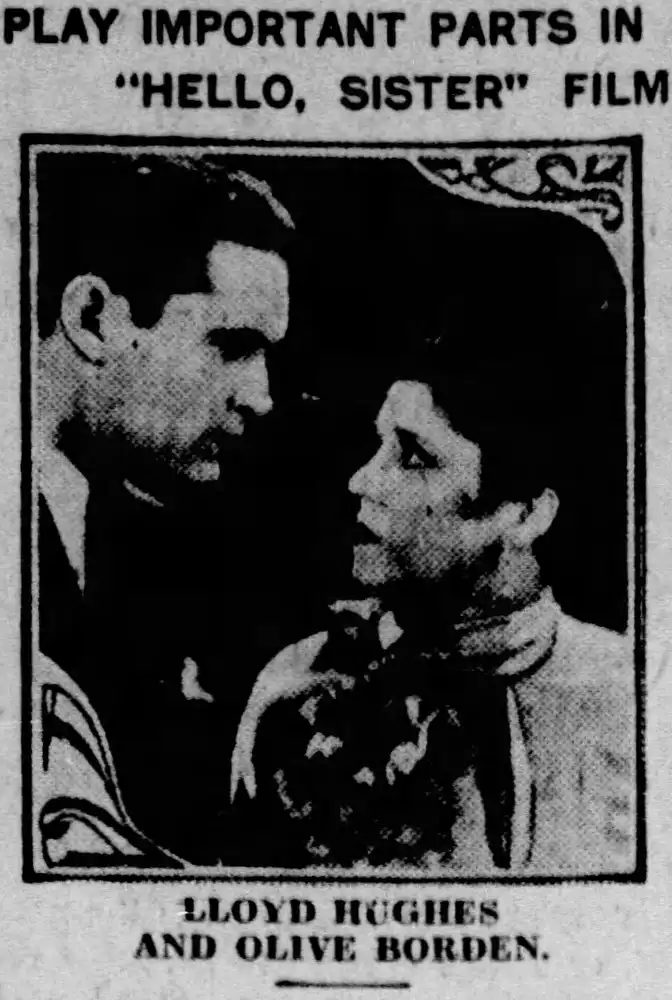
Olive Borden plays Betty, our spirited "jazz maiden." She’s got this grandfather, you see, who thinks she’s a bit too wild for his liking. So, he dangles a big inheritance. The catch? Six months of being *good*. Seems simple enough, right? Except Betty clearly has other ideas bubbling under the surface. You can just tell she's barely containing herself.
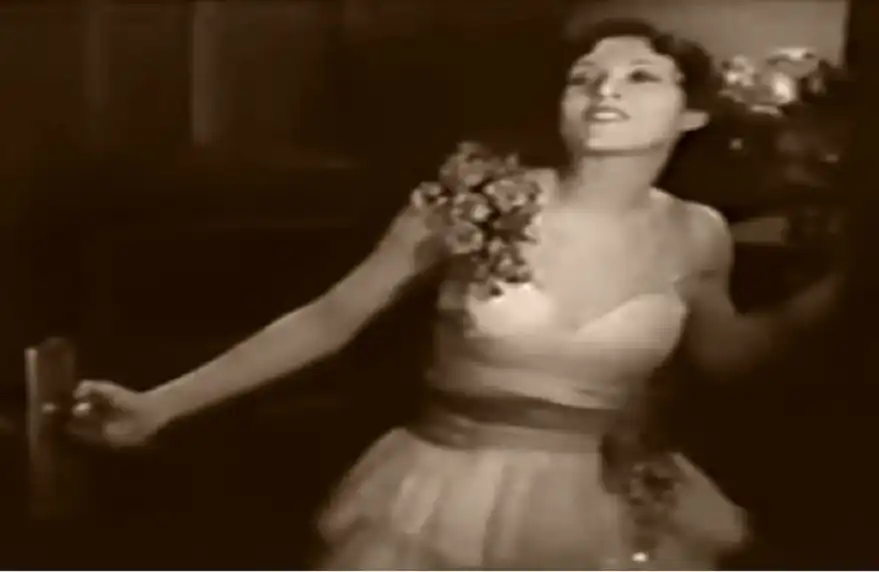
The film spends a good chunk of its runtime on Betty’s, let's call them, *attempts* to be proper. You see her trying to suppress a laugh at a stuffy dinner, or her eyes darting around when she's supposed to be demure. There's a moment where she almost spills tea, and her whole body tenses up. It's _almost_ too broad a bit of physical comedy, but Borden pulls it back just enough to keep it endearing. She has this way of conveying mischief with just a twitch of her lips. 🤏
Lloyd Hughes is there, of course, as the love interest, or at least, the guy she’s supposed to be interested in. He's fine. He does the whole handsome, slightly bewildered thing well. Honestly, his character feels less like a fully-formed person and more like a gentle obstacle for Betty to charm or playfully outwit. He mostly reacts to her energy.
What really sticks with you are the small, quiet details. Like, the way the grandfather's butler (played by Norman Peck) has this constant look of weary disapproval. He doesn't say much, but his eyebrows do a lot of heavy lifting. Or the brief glimpses of the jazz club scenes, which are just that — glimpses. They're short, but they give you a strong sense of what Betty's missing out on. The accompanying music, even though it's a silent film, really tries its best to convey that vibrant, foot-tapping energy. 🎶
There’s a part where Betty is trying her hardest to impress some very proper, very stuffy aunts. She keeps glancing at a clock, a really quick shot. But it tells you everything you need to know about how much she hates the situation, how bored she is. The movie doesn't dwell on it, just shows it and moves on. It trusts you to get it.
Sometimes, the pacing drags a bit. You get a few too many shots of people just walking into rooms or sitting down. It's not *bad*, exactly, just a little... leisurely. Then again, this is a film from 1927. You really have to adjust your expectations for the era. Things moved at a different clip back then.
The whole premise, this idea of the "jazz maiden" versus the "good girl," it feels so incredibly _of its time_. It’s less about deep character exploration and more about the surface-level clash of attitudes. You can almost feel the movie winking at you, knowing these rigid rules are a bit silly, even back then. It’s less a moral lesson and more a lighthearted observation.
Bodil Rosing plays what feels like the stern housekeeper, or maybe a very strict aunt. She’s got this _incredible_ glare. Seriously, you wouldn't want to cross her. There's one scene where she catches Betty doing something slightly rebellious, and the look she gives her is just *withering*. Betty actually flinches, which is a rare sight for our plucky lead. You can feel the weight of that disapproval. 😬
The story also involves a few misunderstandings, naturally. People jumping to conclusions, a bit of mistaken identity. It’s all pretty standard stuff for the era, but handled with a light touch. Nothing gets too heavy or complicated, which is probably for the best. The film keeps its focus squarely on Betty's predicament and her charm.
The resolution, without giving too much away, is pretty much what you'd expect. It’s a classic story arc, tied up neatly. No big surprises, no major twists that will leave your jaw on the floor. Just a sweet, straightforward ending that leaves you with a smile. It’s cozy, almost.
This isn't a film that's going to change your life or spark hours of philosophical debate. It's not trying to. It's a little slice of 1920s cinema, centered around a genuinely charming performance from Olive Borden. It’s _**light**_, definitely. And sometimes, especially when you want a break from all the heavy, serious stuff, that's exactly what you need. A nice, quiet film to put on when you want to see a bit of old Hollywood charm and a spunky heroine. ✨
IMDb 7.1
1931
Community
Log in to comment.