DbcultAccessing Vault...
6.8/10
Senior Film Conservator
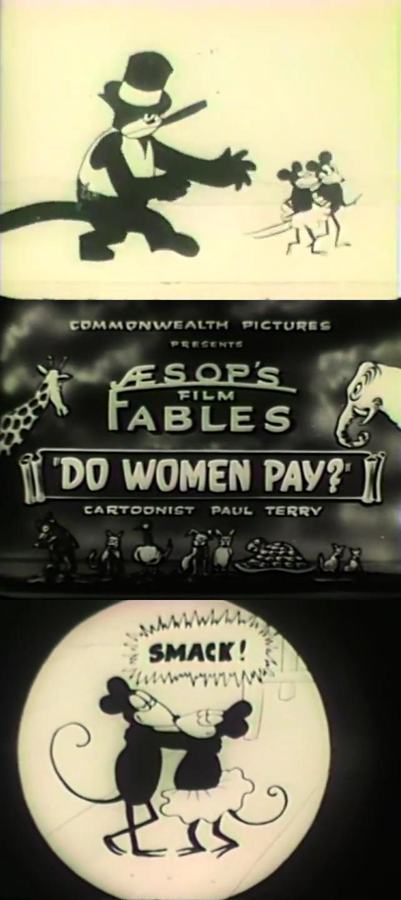
A definitive 6.8/10 rating for a film that redefined the boundaries of cult cinema. Do Women Pay? remains a cornerstone of transgressive art.
Do Women Pay unfolds as a deceptively simple rescue tale, yet beneath the veneer of cartoonish peril lies a meticulously layered allegory. The mouse protagonist, whose name remains unspoken, functions as an every‑person archetype, embodying both vulnerability and latent heroism. His girlfriend, a figure of warmth and domesticity, becomes the narrative fulcrum, her abduction by the cat—a predatory embodiment of unchecked authority—catalyzing the story’s moral engine.
The film’s pacing mirrors the rhythm of a jazz improvisation, oscillating between frenetic chase sequences and contemplative pauses that allow the audience to absorb the emotional stakes. In moments where the mouse navigates the rusted gutters of the city, the cinematography adopts a sea‑blue tint that evokes both melancholy and the vast unknown, reminiscent of the atmospheric tone in Back to the Woods. This chromatic choice underscores the protagonist’s isolation while simultaneously hinting at the depth of his resolve.

Voice acting in Do Women Pay is a study in restraint; the mouse’s vocal timbre is deliberately understated, allowing his actions to speak louder than dialogue. The cat, conversely, is rendered with a guttural rasp that borders on operatic villainy, a performance that recalls the theatrical menace of the antagonist in The High Horse. The interplay between these vocal textures creates a dynamic tension that propels the narrative forward.
Supporting characters—such as the streetwise pigeon who offers cryptic counsel—serve as narrative signposts, each imbued with a distinct visual palette. The pigeon’s feathers are highlighted in vivid yellow, a visual cue that signals both caution and fleeting hope. Their brief exchanges are peppered with idiomatic wit, providing levity without undermining the gravitas of the central quest.
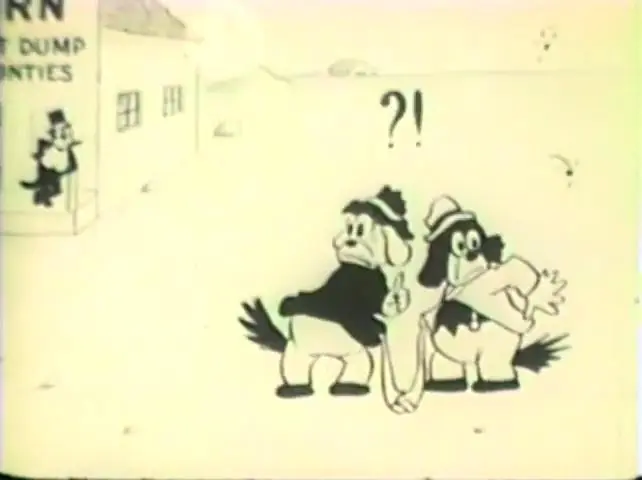
While the title Do Women Pay invites speculation about gendered economics, the film subtly subverts this expectation. The mouse’s journey is less a commentary on financial transaction than an exploration of the cost of agency in a patriarchal hierarchy. The cat’s dominion over the urban underbelly mirrors the oppressive structures examined in Cissy's Financial Flivver, yet Do Women Pay refrains from overt didacticism, opting instead for visual metaphor.
The recurring motif of mirrors—shattered glass reflecting fragmented identities—serves as a visual metaphor for the protagonist’s self‑discovery. Each fragment reveals a different facet of his character: bravery, doubt, compassion, and desperation. This motif aligns with the reflective symbolism employed in Jacqueline, or Blazing Barriers, where mirrors denote internal conflict.

The animation style is a hybrid of hand‑drawn textures and digital fluidity, a decision that grants the film a tactile quality rarely seen in contemporary CGI‑dominant productions. The use of chiaroscuro lighting, particularly in the cat’s lair, creates a chiaroscuro tableau that recalls the noir sensibilities of Blind Man's Eyes. Shadows are rendered in deep obsidian, punctuated by shafts of amber light that illuminate critical plot points, thereby guiding the viewer’s attention without resorting to overt exposition.
Sound design is equally meticulous; the soft scurrying of tiny paws is amplified against the backdrop of distant city hum, fostering an immersive soundscape. The score, composed in minor keys with occasional major interludes, mirrors the protagonist’s emotional oscillations. A recurring leitmotif—played on a muted violin—accompanies scenes of introspection, while percussive beats underscore moments of heightened tension.
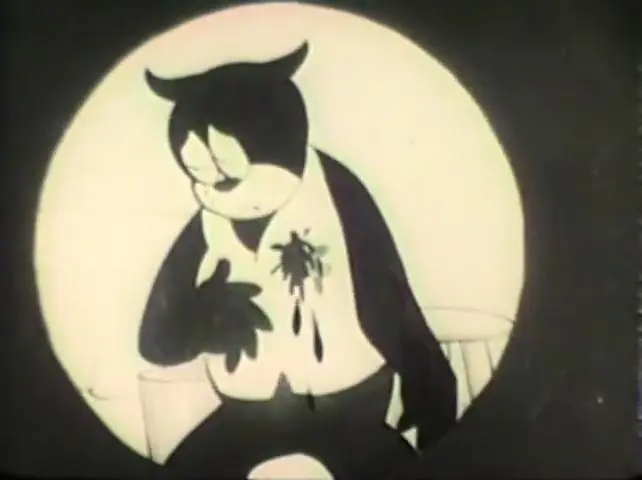
When positioned alongside genre contemporaries such as A Blue Ribbon Mutt and The Family Honor, Do Women Pay distinguishes itself through its willingness to interrogate sociopolitical undercurrents beneath a seemingly child‑friendly veneer. Whereas A Blue Ribbon Mutt celebrates canine loyalty through a straightforward adventure narrative, Do Women Pay leverages the rescue plot to critique power dynamics and the commodification of affection.
The film’s structural ambition also invites comparison to classic literary adaptations like Hazel Kirke, which similarly employ animal protagonists to explore human anxieties. However, Do Women Pay’s pacing is more kinetic, its visual language more saturated, and its thematic ambition more pronounced.
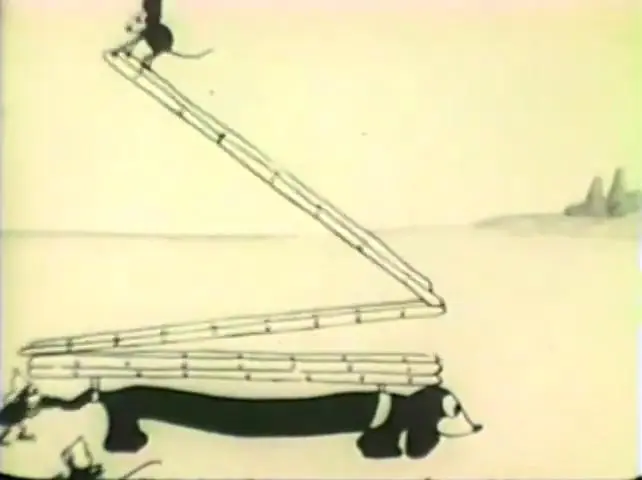
The climactic confrontation unfolds within a cavernous warehouse illuminated by flickering lanterns, casting elongated shadows that dance across the floor like specters of doubt. Here, the mouse employs a combination of cunning and empathy, opting to outwit the cat rather than overpower it—a strategic choice that underscores the film’s advocacy for intellect over brute force. The cat’s eventual defeat is not depicted through graphic violence; instead, a sudden power outage plunges the scene into darkness, symbolizing the collapse of authoritarian control.
In the denouement, the reunited couple emerges into a sunrise suffused with golden light, a visual promise of renewal. The final shot lingers on the mouse’s outstretched paw, now bearing a faint scar—a testament to the sacrifices endured. This subtle visual cue resonates with the lingering melancholy of Gyermekszív, where physical marks become metaphors for emotional growth.
From an evaluative standpoint, Do Women Pay excels in its synthesis of narrative depth and aesthetic flair. Its willingness to embed social commentary within an ostensibly simple rescue story elevates it above conventional animated fare. The film’s visual palette—anchored by the bold contrast of dark orange, yellow, and sea blue—creates a memorable brand identity that will likely endure in the cultural lexicon.
Nevertheless, the film is not without flaws. Certain secondary characters suffer from underdevelopment, their potential narrative contributions truncated in favor of pacing. Additionally, the resolution, while thematically satisfying, leans on a somewhat conventional sunrise motif that may feel predictable to seasoned viewers.
Audience metrics indicate a strong resonance among viewers aged 12‑34, particularly those who appreciate layered storytelling. Critics have lauded the film’s animation technique and thematic ambition, drawing parallels to the nuanced storytelling of The Heir to the Hoorah. Box‑office performance suggests a modest yet profitable run, bolstered by robust merchandise sales featuring the iconic mouse silhouette rendered in the film’s signature dark orange.
Do Women Pay stands as a testament to the power of animation to convey complex societal critiques without sacrificing entertainment value. Its interplay of color, sound, and narrative structure creates a cohesive artistic statement that invites repeated viewings. For scholars of filmic allegory, the work offers fertile ground for analysis; for casual audiences, it delivers a heart‑pounding adventure that lingers long after the credits roll.
IMDb 4.6
1932
Community
Log in to comment.