DbcultAccessing Vault...
5.8/10
Senior Film Conservator
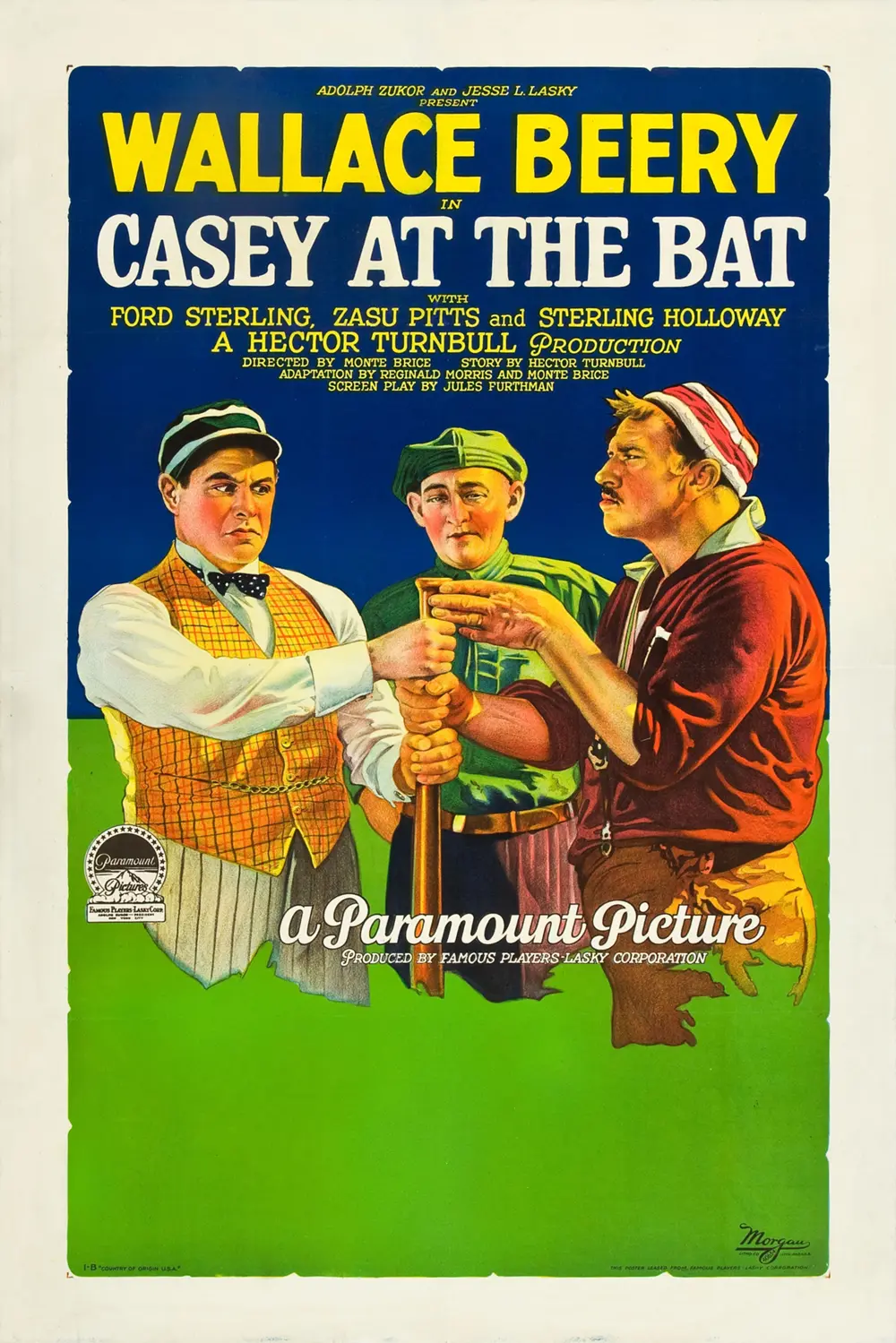
A definitive 5.8/10 rating for a film that redefined the boundaries of cult cinema. Casey at the Bat remains a cornerstone of transgressive art.
Does this 1927 silent classic still hold up for a modern audience? Short answer: Yes, but only if you have the patience for the slow-motion rhythms of the pre-sound era and a taste for gritty, unwashed character acting.
This film is specifically for those who enjoy the archeology of cinema and the evolution of the sports hero. It is absolutely not for viewers who require the fast-paced editing of modern baseball broadcasts or a squeaky-clean protagonist.
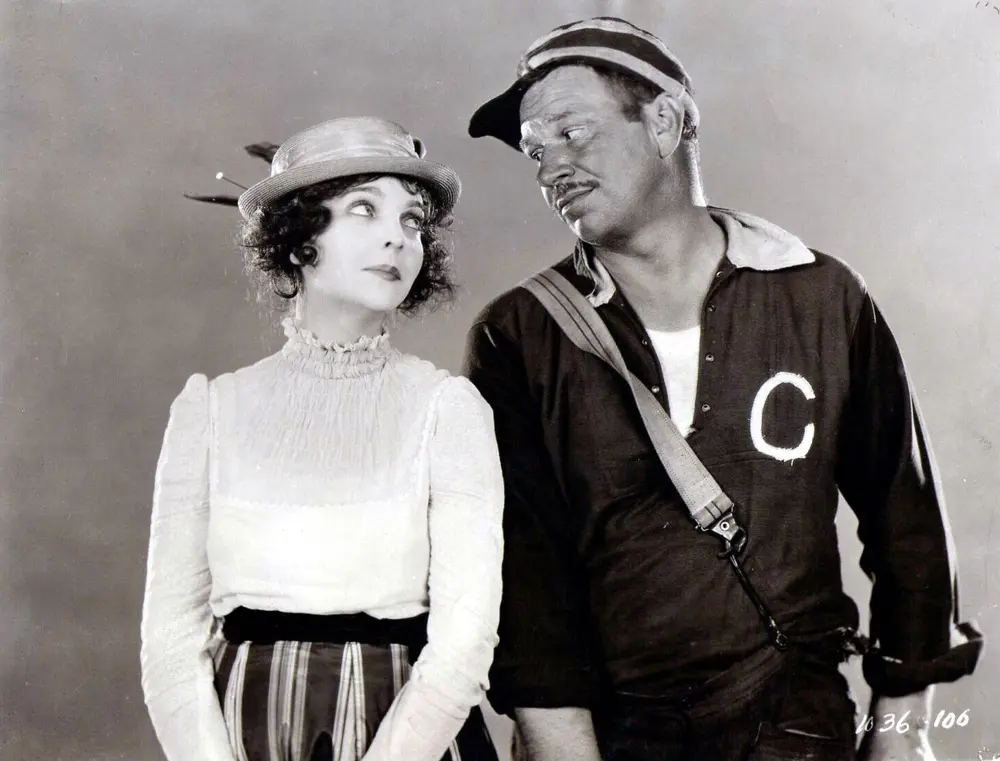
1) This film works because Wallace Beery transforms a static literary figure into a kinetic, often repulsive, but entirely magnetic force of nature.
2) This film fails because the narrative padding required to turn a short poem into a feature-length film occasionally leads to repetitive slapstick that loses its punch.
3) You should watch it if you want to see the exact moment when American cinema began to treat baseball as a mythic, yet deeply corruptible, institution.
Wallace Beery does not play Casey as a chiseled athlete. He plays him as a man who looks like he hasn't seen a bar of soap in a calendar year. This is a brilliant choice. It grounds the film in a realism that many other silent comedies, like Her Temporary Husband, lacked in their pursuit of polished gags.

Beery’s face is his greatest tool. In the opening scenes at the junk yard, his expressions convey a man who is blissfully unaware of his own potential. He isn't seeking greatness; greatness is an inconvenience that interrupts his loafing. When he finally picks up a bat, the transition from a slouching junk man to a powerhouse is startling. It’s a physical transformation that feels earned.
The film’s humor stems from this dissonance. Watching a man who looks like a pile of laundry dominate the 'gentleman’s game' provides a satirical edge. It mocks the elitism of the sport's early days. Beery’s Casey is the antithesis of the polished stars we see in films like Dodging a Million.
The primary challenge of Casey at the Bat is its source material. Ernest Thayer’s poem is brief. To make this a feature, the writers had to invent an entire back-story of greed and manipulation. While the junk man angle is inspired, the middle act suffers from some of the same pacing issues found in The Man Above the Law.

The introduction of the unscrupulous scout and the dishonest manager adds a layer of noir-lite to the proceedings. It’s a cynical move. Most sports films of this era tried to be uplifting. This one wants to show you the dirt under the fingernails of the promoters. The conspiracy to get Casey drunk before the big game is played for laughs, but it’s actually quite dark.
There is a specific scene in a smoke-filled backroom where the bet is placed. The lighting here is surprisingly sophisticated for 1927. The shadows cast by the conspirators' hats create a sense of impending doom that contrasts sharply with the sunny, flat lighting of Casey’s hometown. It’s a visual representation of the 'city' corrupting the 'country'.
Director Monte Brice, working with a team of seasoned writers like Jules Furthman, manages to keep the camera moving during the game sequences. This was no small feat in 1927. While it doesn't have the experimental grit of The Exiles, it possesses a certain rugged charm. The use of close-ups during the final strikeout sequence is masterfully handled.
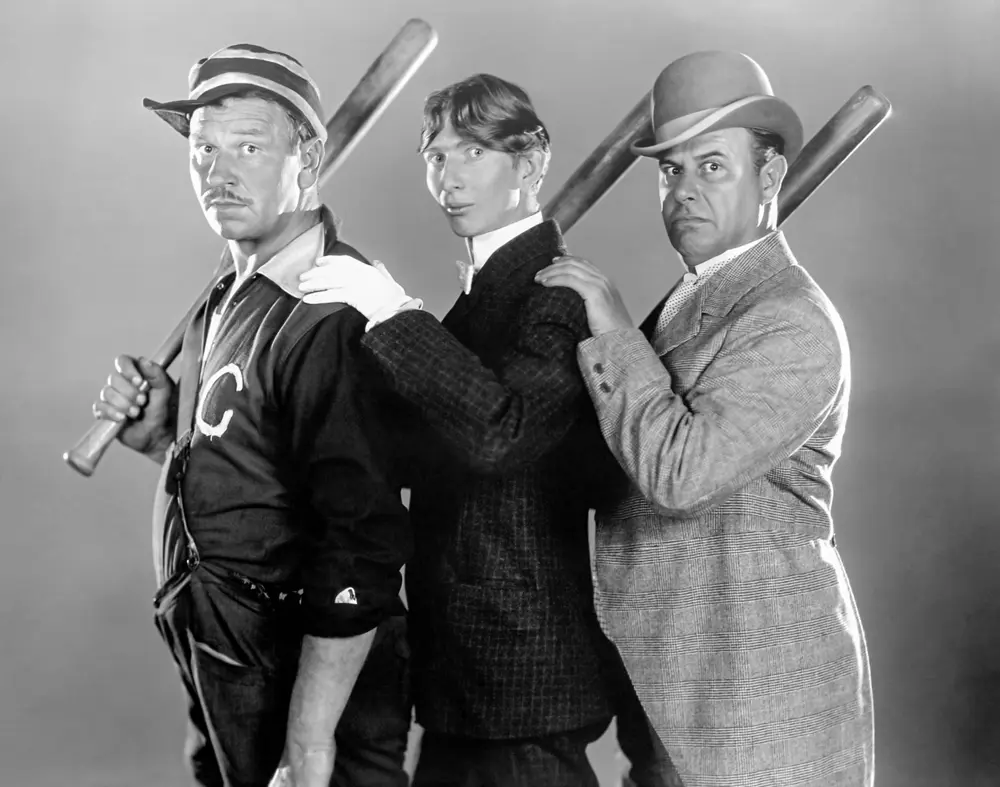
We see the sweat on Casey’s brow. We see the sneer of the pitcher. The editing speeds up, creating a rhythmic tension that mirrors the poem’s meter. It’s one of the few times the film feels like it is truly in conversation with its literary roots. The crowd shots are also notable, capturing a genuine sense of 1920s Americana that feels more authentic than the staged sets of In Society.
The pacing, however, is uneven. Some of the slapstick routines involving the supporting cast feel like they were lifted from a different, lesser movie. Sterling Holloway is a delight, as always, but his presence sometimes distracts from the central drama of Casey’s rise and fall. It’s a common issue in films of this period—a lack of tonal confidence.
Yes, Casey at the Bat (1927) is worth watching because it provides a rare, unvarnished look at early 20th-century sports culture. Unlike many of its contemporaries, it refuses to sentimentalize its hero. Casey is a slob, a drunk, and a fool, yet you cannot look away from him. It’s a fascinating character study wrapped in a period comedy.
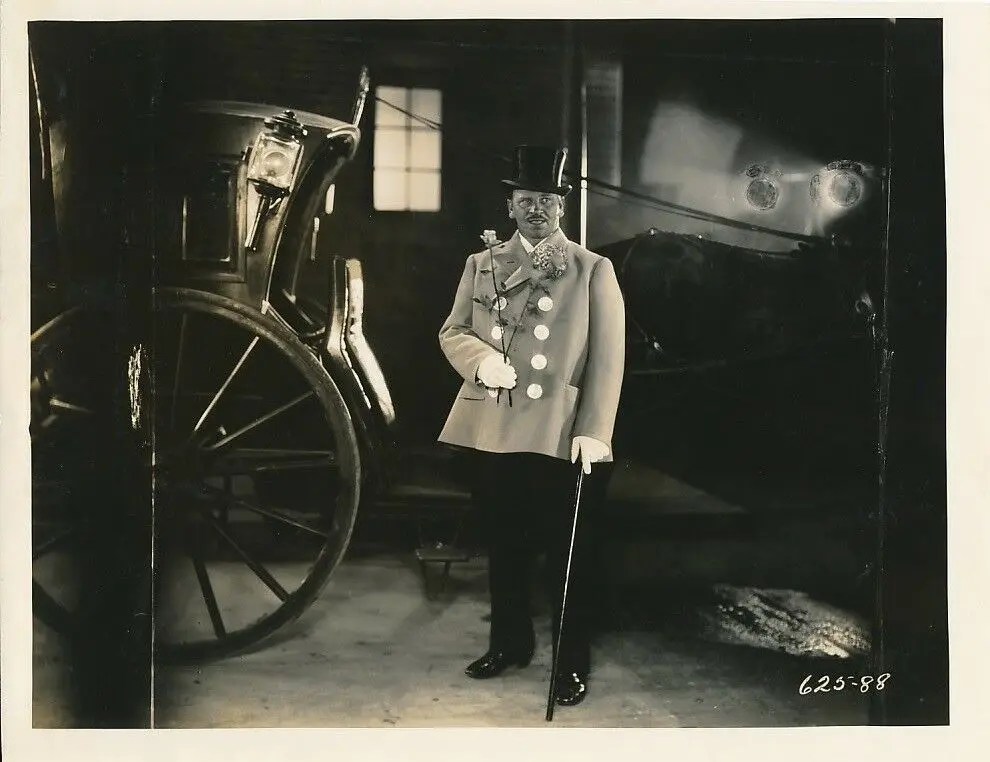
If you are a fan of Wallace Beery, this is essential viewing. It showcases his ability to balance pathos with broad comedy before he became a more standardized character actor in the sound era. If you are looking for a deep dive into the history of baseball on film, this is your starting point. It captures the game before it became a billion-dollar industry.
Pros:
Cons:
Casey at the Bat is a fascinating relic. It works. But it’s flawed. It avoids the trap of being a simple 'masterpiece' by being something much more interesting: a messy, honest, and occasionally brilliant adaptation of a legendary poem. Beery’s performance alone justifies the runtime. It’s a strikeout that feels like a win for cinema history.
IMDb 7.2
1919
Community
Log in to comment.