DbcultAccessing Vault...
6/10
Senior Film Conservator
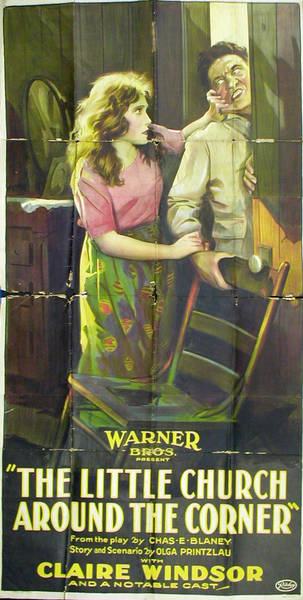
A definitive 6/10 rating for a film that redefined the boundaries of cult cinema. Little Church Around the Corner remains a cornerstone of transgressive art.
In the pantheon of 1920s silent cinema, few films manage to balance the heavy-handed moralism of the era with the raw, kinetic energy of industrial drama as effectively as Little Church Around the Corner. Directed by William A. Seiter, this 1923 gem transcends its somewhat quaint title to deliver a searing indictment of corporate negligence and religious isolationism. It is a film that demands to be viewed not just as a relic of a bygone age, but as a precursor to the social realism that would later define the works of the 1930s.
The narrative architecture, meticulously crafted by Olga Printzlau and her collaborators, constructs a world of sharp contrasts. We are introduced to a mining town where the skyline is dominated by the twin spires of the church and the skeletal frames of the mine shafts. This visual dichotomy serves as the perfect stage for a drama about the disconnect between the pulpit and the pit. The wealthy minister, played with a fascinating blend of initial arrogance and eventual desperation by Winter Hall, represents the 'Social Gospel' movement in its most stagnant form—preaching patience to the laborers while dining with the mine owners.
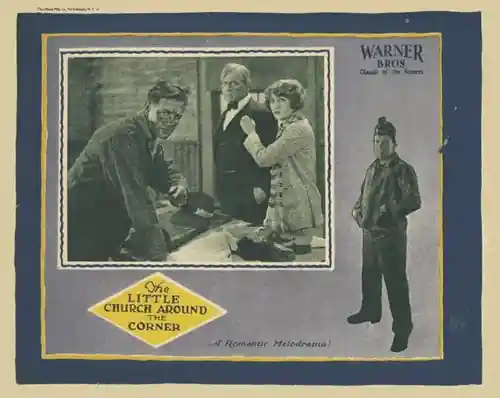
While many films of this period, such as The Toilers, explored the hardships of the working class, Little Church Around the Corner elevates the mine itself to the status of a primary antagonist. The cinematography captures the oppressive darkness of the shafts with a claustrophobic intensity that was quite revolutionary for 1923. When the inevitable explosion occurs, the editing shifts from the slow, rhythmic pace of the town's daily life to a frenetic, jarring montage of collapsing timber and billowing dust.
The sequence where the minister’s daughter, portrayed with a haunting vulnerability by Pauline Starke (and Mary Jane Irving in her younger years), becomes trapped is the film’s emotional fulcrum. It is here that the film sheds its didactic skin and becomes a pulse-pounding thriller. The minister’s transformation is not merely psychological; it is physical. We see him shed his pristine clerical collar, his hands becoming stained with the very coal dust he had previously viewed from a distance. This visual shorthand for redemption is powerful, reminding us of the themes explored in The Prison Without Walls, where the barriers between social classes are dismantled by shared human suffering.
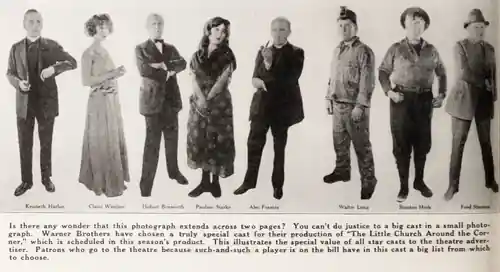
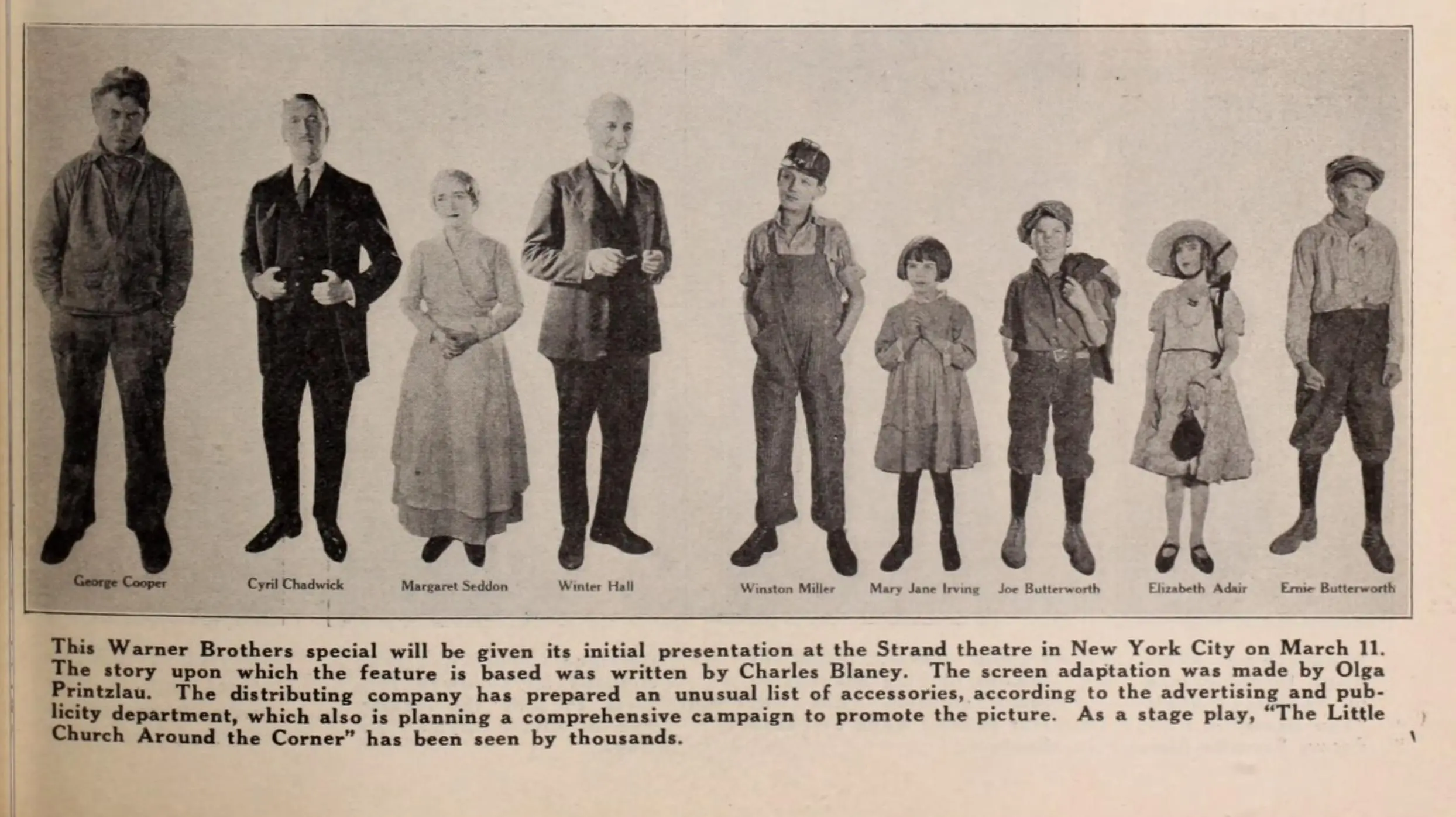
A significant highlight of this production is the inclusion of a young Jane Darwell. Long before she became the definitive 'Ma Joad' of cinema, Darwell possessed a grounded, maternal authority that anchors the domestic scenes of the film. Alongside her, Kenneth Harlan provides a sturdy presence as the film’s romantic and moral lead, bridging the gap between the upper-class idealism of the church and the gritty reality of the workers. The cast, including stalwarts like Hobart Bosworth and Alec B. Francis, creates a lived-in atmosphere that makes the high-stakes climax feel earned rather than manufactured.
The film’s approach to its villains is also worth noting. Unlike the caricatured antagonists of The Aryan, the 'villainy' here is found in systemic apathy and the bureaucratic 'safety' measures that exist only on paper. It is a nuanced take on industrial relations that feels surprisingly modern. The writers—Printzlau, Blaney, and Russell—deserve immense credit for not taking the easy path of melodrama, but instead focusing on the moral culpability of those in power.

Seiter’s direction utilizes light and shadow to articulate the spiritual journey of the protagonists. The 'Little Church' of the title is often bathed in a soft, ethereal glow, representing an idealized sanctuary. In contrast, the mine is a void, a place where light is swallowed and hope is extinguished. This chiaroscuro effect is particularly effective during the rescue operation, where the flickering lanterns of the miners provide the only illumination, symbolizing the small sparks of humanity fighting against a crushing darkness. This aesthetic choice echoes the brooding atmosphere of Az éjszaka rabja, albeit within a vastly different cultural context.
The pacing of the film is masterful. It takes its time establishing the social hierarchy and the simmering tensions within the community before plunging the audience into the chaos of the disaster. This slow-burn approach ensures that when the minister finally makes his stand, the impact is seismic. It’s a narrative technique that we see mirrored in other character-driven dramas of the era, such as The Inner Chamber, where the true nature of a man is only revealed under extreme pressure.
One cannot discuss Little Church Around the Corner without acknowledging its place in the history of the 'Social Gospel' on screen. During the early 20th century, there was a significant movement within American Protestantism to apply Christian ethics to social problems, particularly poverty and labor rights. This film is perhaps one of the most direct cinematic expressions of that movement. It doesn't just ask for charity; it demands justice and accountability. It suggests that a church that does not stand with the laborer in the mine is a church that has lost its soul.
When compared to lighter fare like Love's Lucky Day or the domestic comedies of Matri-Money, the gravitas of this film becomes even more apparent. It is a work of serious intent that refuses to provide easy comfort. Even the happy ending—the rescue of the daughter—is tempered by the knowledge of the lives already lost and the realization that the minister’s world has been irrevocably changed. He can never return to the comfort of his pulpit without hearing the echoes of the picks in the dark.
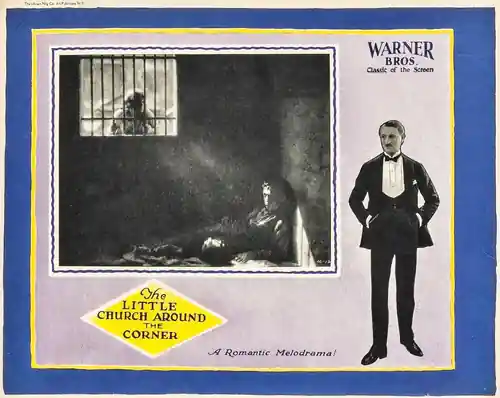
In the final analysis, Little Church Around the Corner is a triumph of silent storytelling. It possesses a lexical diversity in its visual language that rivals the best of Griffith or Murnau. The performances are nuanced, the technical execution of the disaster is breathtaking, and the thematic depth is staggering. It manages to be a thriller, a family drama, and a social manifesto all at once. For those looking to understand the evolution of the American social drama, this film is essential viewing.
It stands tall alongside other explorations of the human condition like Other Men's Daughters or the gritty realism of Texas of the Mounted. While it may not have the name recognition of some of its contemporaries, its influence can be seen in every film that dares to ask what our moral obligations are to those who toil in the shadows. It is a testament to the power of cinema to not only reflect our world but to challenge us to change it. The 'Little Church' may be small, but the questions it raises are monumental, echoing through the decades with a resonance that remains undiminished by time.
A haunting, visceral, and ultimately transcendent piece of cinema that proves the silent era was anything but quiet when it came to the matters of the heart and the heat of the struggle.

IMDb 6.6
1934
Community
Log in to comment.