DbcultAccessing Vault...
Cult Review
Senior Film Conservator
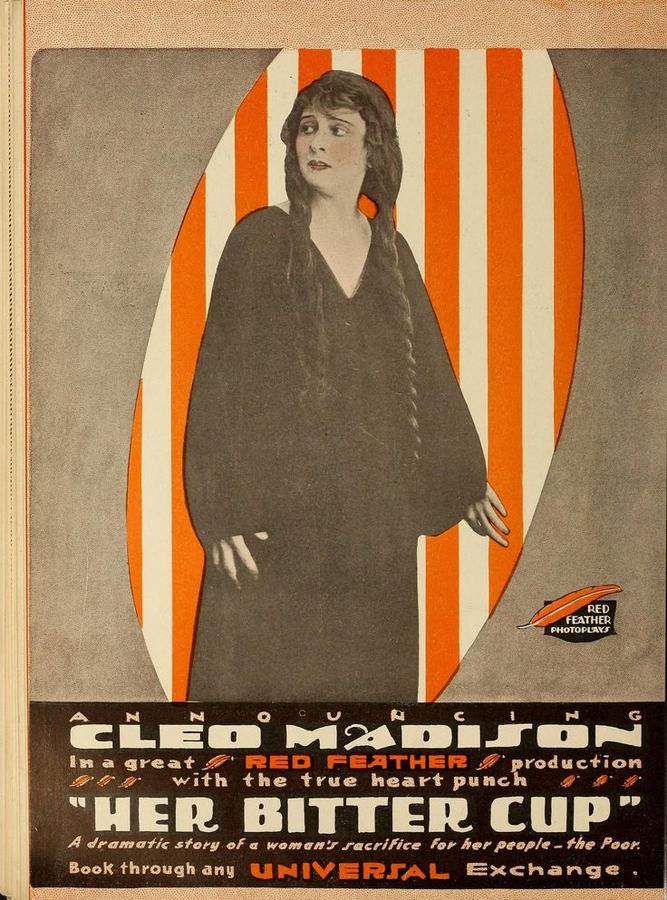
There’s a unique, almost ethereal quality to silent cinema, a language spoken not through dialogue but through the grand gestures, the magnified emotions, and the stark visual poetry that transcends the ages. To revisit a film like 'Her Bitter Cup' is to step into a time capsule, not merely observing a historical artifact but engaging with a narrative that, despite its century-old genesis, pulsates with themes as relevant today as they were in its initial release. This isn't just a film; it's a testament to the enduring power of storytelling, a raw, unflinching look at class struggle, moral compromise, and the intricate dance between love and ambition.
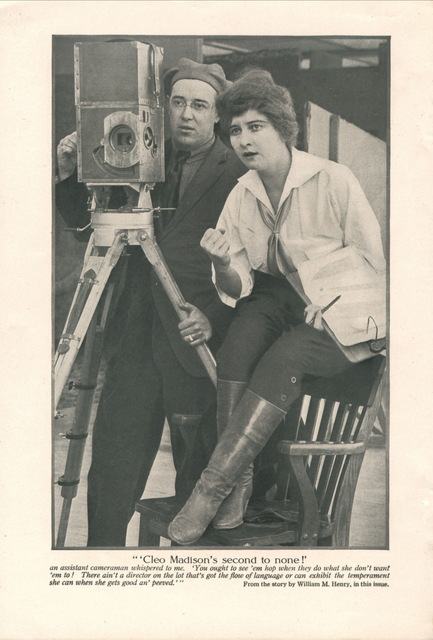
At the heart of 'Her Bitter Cup' lies Rethna, portrayed with a captivating intensity by Cleo Madison, who also shared writing credits for the film. Madison’s performance is a masterclass in silent film acting – her eyes convey volumes, her posture speaks of defiance, and her every movement is imbued with purpose. Rethna is no damsel in distress; she is a force of nature, a pragmatic revolutionary born from the crucible of industrial exploitation. Her initial motivation is crystal clear: to rally her fellow factory employees, to ignite a spark of resistance against the tyrannical Henry Burke, the factory owner whose heart seems as cold and unyielding as the machinery he profits from. This isn't abstract idealism; it's a visceral response to tangible suffering, a fight for dignity and fair conditions in an era where workers were often seen as mere cogs in a larger, indifferent machine. The film doesn't shy away from depicting the stark realities of labor disputes, a common thread in many films of the era, though few give their female protagonist such agency.
Rethna's journey takes a morally ambiguous turn when she realizes that sheer willpower and collective action might not be enough to dismantle Burke's entrenched power. She needs resources, a strategic advantage, and she finds it in the most unexpected, and ethically precarious, place: Burke's own family. Her decision to embark on an affair with Harry, Burke's unscrupulous son, is a stroke of audacious cunning. It's a move that places her in a moral quandary, forcing us, the audience, to grapple with the age-old question: do the ends justify the means? Madison's portrayal here is particularly nuanced; one can almost see the internal struggle, the calculation warring with any nascent guilt. This isn't a romance born of passion, but a transaction of power, a cold, hard maneuver in a high-stakes game. The film deftly navigates this complex ethical landscape, presenting Rethna not as a villain, but as a woman pushed to extreme measures by extreme circumstances.
A year into her calculated liaison with Harry, Rethna executes her next strategic pivot. She breaks off the affair, turning her attention to Walter, Harry's kind and unsuspecting brother. This transition is less about romantic inclination and more about securing a more stable, and ultimately more lucrative, channel to the Burke family's wealth. The film portrays Walter (Edward Hearn) as a beacon of genuine goodness, a stark contrast to his dissolute brother and his avaricious father. His love for Rethna is pure, unblemished by the cynicism that now defines her actions. It's a poignant irony that as Rethna uses Walter's affection to further her cause, channeling Burke funds to aid Burke employees, she inadvertently sets the stage for her own emotional reckoning. The dramatic tension here is palpable, a ticking clock counting down to the inevitable moment when Walter will discover the truth. This intricate web of deceit and genuine emotion elevates 'Her Bitter Cup' beyond a simple melodrama, imbuing it with a psychological depth that resonates deeply. One might draw parallels to the complex social dynamics explored in films like The Man of Shame, where personal integrity clashes with external pressures, often with devastating consequences.
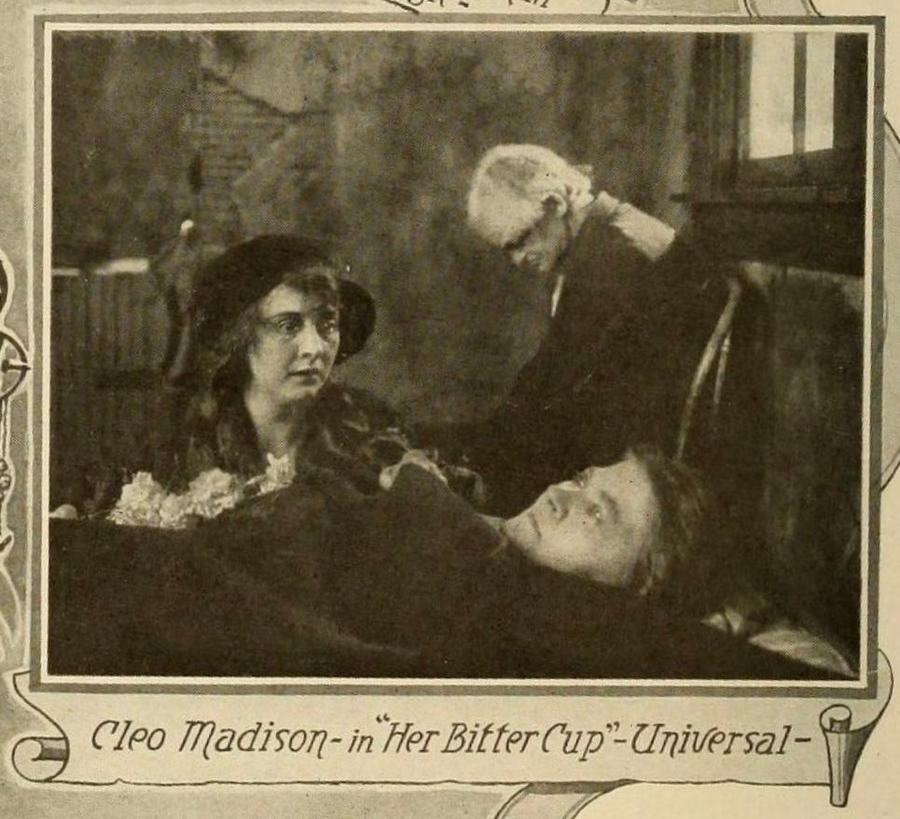
The moment of truth arrives, as it always must in narratives of such intricate deception. Walter, in his innocent love, eventually uncovers Rethna's true motives. The revelation shatters his world, transforming his pure affection into bitter disillusionment. Edward Hearn's portrayal of Walter's heartbreak is understated yet profoundly effective, his silent anguish speaking volumes. He leaves Rethna, the emotional wreckage of their union a stark testament to the destructive power of calculated ambition. This segment of the film is crucial, highlighting the personal cost of Rethna's crusade. It forces the audience to question whether her noble goals justify the emotional devastation she leaves in her wake. This isn't a story with clear heroes and villains, but rather a nuanced exploration of human motivations, where good intentions can be alloyed with morally questionable actions. The film refuses to offer easy answers, instead inviting contemplation on the nature of sacrifice and personal ethics.
The narrative reaches its dramatic crescendo during a desperate confrontation between Rethna and Henry Burke at the factory. As she pleads for better conditions, the very foundations of their conflict literally ignite. A devastating fire breaks out, transforming the industrial setting into a chaotic, terrifying inferno. This sequence is a masterstroke of silent film spectacle, the visual drama intensified by the sheer danger and the primal fear it evokes. It's a moment of profound symbolism: the old order, built on exploitation and neglect, consumed by flames. Amidst the chaos, Walter reappears, his inherent goodness overriding his personal pain. He rescues Rethna from the encroaching flames, a heroic act that transcends their broken relationship. This act of selfless bravery sets in motion a chain of events that will redefine their bond and fundamentally alter Rethna's perspective. The fire, much like the climactic events in films such as The Crime of the Camora, serves not just as a plot device but as a powerful metaphor for destruction and rebirth.
During her convalescence, a period of quiet reflection and healing, Rethna undergoes a profound transformation. The calculated pragmatism that had defined her actions begins to yield to genuine emotion. The trauma of the fire, coupled with Walter's selfless act, strips away her defenses, revealing a heart capable of true affection. She discovers, to her own surprise, that she truly loves Walter. This isn't a sudden, unearned shift, but the culmination of her journey, a realization forged in adversity. Her love for Walter is no longer a strategic maneuver but an authentic, deeply felt emotion. This emotional awakening is crucial to the film's thematic resolution, suggesting that even the most hardened hearts can be softened by genuine human connection and shared experience. It’s a powerful narrative arc, reminiscent of the journey of self-discovery often seen in classic dramas like The Aryan, where characters confront their deepest beliefs and emerge transformed.
The reconciliation between Rethna and Walter is deeply earned. It's not a return to naive innocence but a union forged in the fires of experience, a bond strengthened by shared trauma and a newfound understanding. Their love, now authentic, forms the emotional bedrock of the film's resolution. But the transformation isn't limited to the personal realm. The fire, a devastating event, also serves as a catalyst for systemic change. Henry Burke, witnessing the destruction and perhaps confronting the human cost of his negligence, finally undergoes a change of heart. He pledges to spare no expense in improving factory conditions, a testament to the idea that even the most obdurate individuals can be moved by tragedy. This dual resolution – personal and societal – offers a hopeful, if hard-won, vision of progress. The film suggests that genuine change, whether in the human heart or in industrial practices, often requires a profound shock, a moment of reckoning that forces a reevaluation of values.
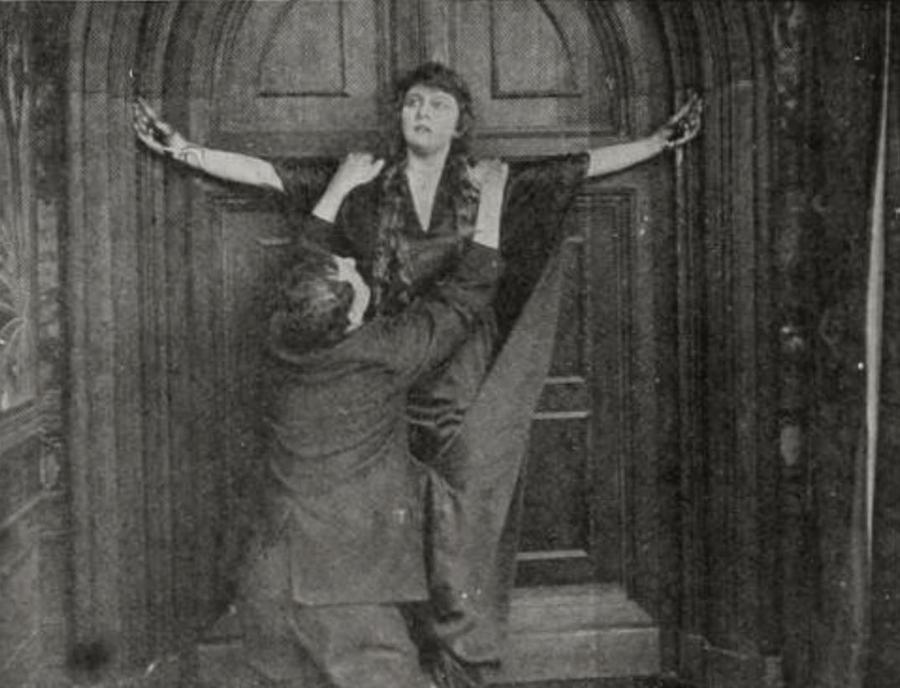
Beyond Cleo Madison's towering performance, the ensemble cast contributes significantly to the film's impact. William V. Mong, as the miserly Henry Burke, embodies the capitalist villain with chilling effectiveness, his stern demeanor and rigid posture communicating a profound lack of empathy. Edward Hearn’s Walter is the moral compass, his gentle nature providing a necessary counterpoint to the film's darker elements. Ray Hanford, Willis Marks, Lule Warrenton, Margaret Whistler, and Adele Farrington, though perhaps in less prominent roles, all contribute to the rich tapestry of the factory environment, lending authenticity to the workers' plight. The collective strength of these performances, guided by the vision of writers Kathleen Kerrigan and Cleo Madison, ensures that the film's emotional beats land with considerable force, even in the absence of spoken dialogue. The careful casting and direction allow for a nuanced portrayal of a society grappling with stark inequalities, a theme that resonates with other socially conscious films of the era, such as Deti veka, which also explored the struggles of the common person.
The direction of 'Her Bitter Cup' demonstrates a keen understanding of silent film aesthetics. The use of intertitles is effective, providing necessary exposition without bogging down the visual narrative. The cinematography, while perhaps not as overtly experimental as some European contemporaries, is functional and often striking, particularly during the factory fire sequence. The staging of scenes, the use of close-ups to emphasize emotional states, and the overall rhythm of the editing all contribute to a compelling viewing experience. The film successfully communicates complex emotional arcs and intricate plot developments through purely visual means, a testament to the craft of early filmmakers. The dramatic lighting in key scenes, particularly those depicting Rethna's internal struggles or the factory's grim reality, adds layers of meaning. The visual language speaks volumes, drawing the audience into the characters' inner worlds without a single spoken word, much like the evocative visual narratives found in films such as Pirate Haunts, where atmosphere and action tell the story.
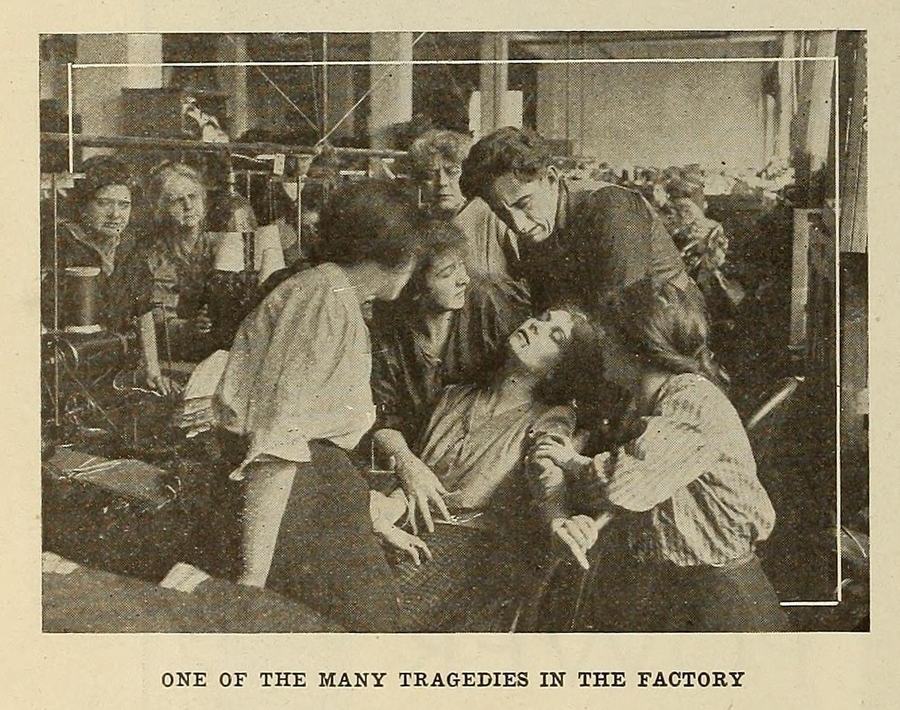
'Her Bitter Cup' is far more than a historical curiosity; it is a potent drama whose themes continue to reverberate. The struggle for workers' rights, the ethical dilemmas faced by those fighting for justice, the destructive power of greed, and the transformative potential of love and redemption are all woven into its fabric. Rethna's journey, from calculated pragmatist to genuinely loving woman, offers a compelling exploration of character evolution. The film's conclusion, while offering a sense of resolution, doesn't feel overly simplistic. The change in Henry Burke is hard-won, a result of catastrophe rather than simple persuasion, and Rethna's own path to love is paved with difficult choices and personal sacrifice. It reminds us that progress, both personal and societal, is often messy, fraught with moral ambiguities, and frequently born from hardship. In an era where discussions about labor conditions and corporate responsibility remain fiercely debated, 'Her Bitter Cup' serves as a powerful, century-old mirror reflecting our ongoing societal challenges.
'Her Bitter Cup' is a remarkable achievement for its time, a film that deftly combines social commentary with compelling human drama. Cleo Madison's multifaceted contribution as both writer and star is particularly noteworthy, cementing her legacy as a formidable talent in early cinema. The film's ability to evoke such strong emotions and convey complex ideas without the benefit of spoken dialogue is a testament to the artistry of silent filmmaking. It is a story that, despite its period setting, speaks to the universal human experience of struggle, ambition, betrayal, and ultimately, the redemptive power of love and empathy. For enthusiasts of silent cinema, or anyone interested in the evolution of storytelling, 'Her Bitter Cup' is an essential viewing experience, a bitter draught that ultimately leaves a taste of hope and hard-won understanding. Its narrative potency, its compelling performances, and its timeless themes ensure its place as a significant, if often overlooked, gem in the annals of early American cinema. Its fiery climax and subsequent reconciliation resonate with the dramatic intensity found in grand narratives like The Three Musketeers, though focused on an entirely different kind of battle.
IMDb 6.4
1932
Community
Log in to comment.