DbcultAccessing Vault...
6.3/10
Senior Film Conservator
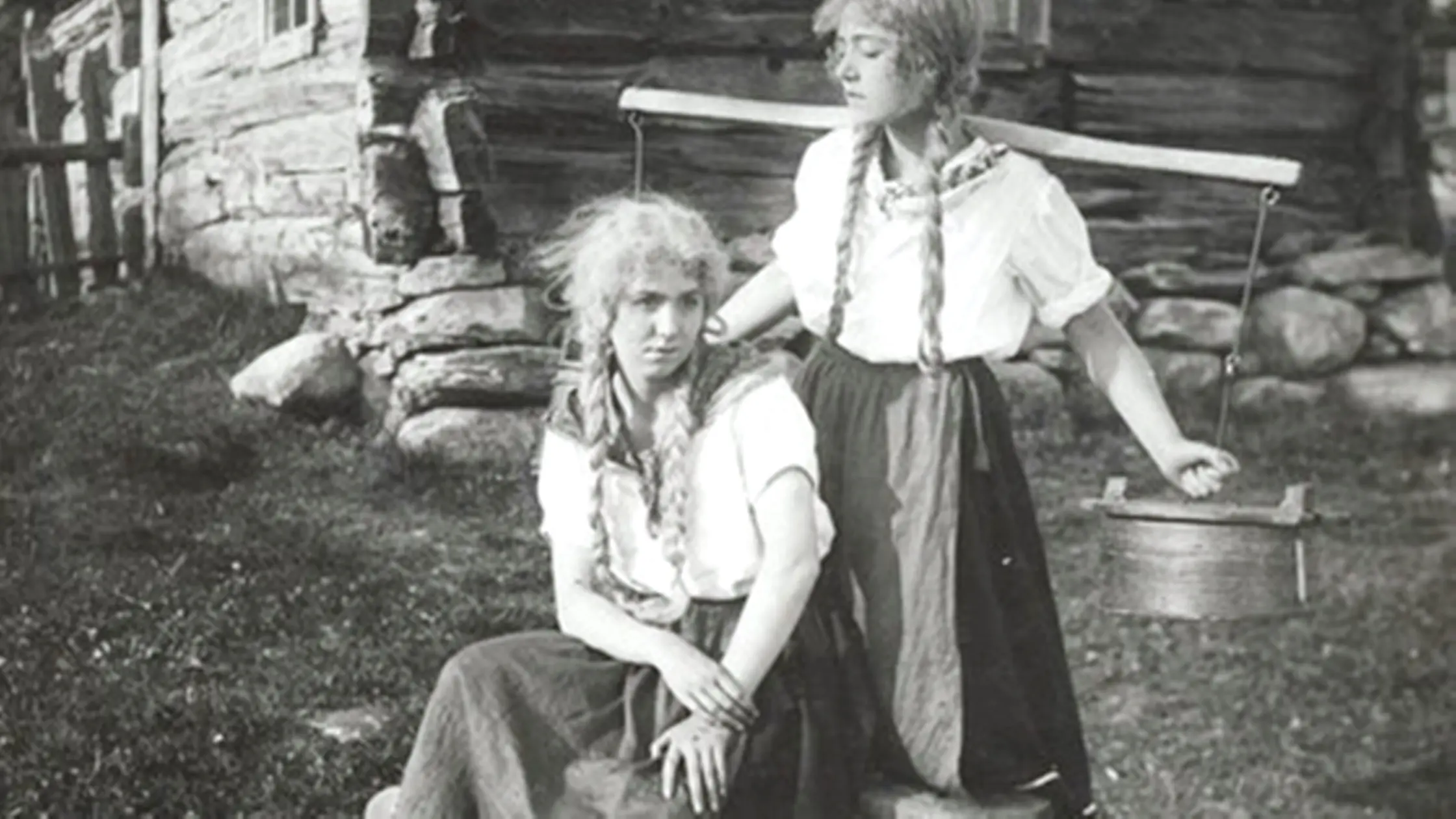
A definitive 6.3/10 rating for a film that redefined the boundaries of cult cinema. Til sæters remains a cornerstone of transgressive art.
In the annals of early Norwegian cinema, certain films emerge not just as historical artifacts but as enduring testaments to the universal human condition. Among these, Til sæters, a silent drama from a nascent era of filmmaking, stands as a quietly powerful exploration of love, social hierarchy, and the often-unyielding grip of familial expectation. Directed by Harry Ivarson, who also contributed to the screenplay alongside C.P. Riis, this film offers a fascinating glimpse into a society where personal desires frequently clashed with entrenched societal norms, all set against the breathtaking, rugged beauty of the Norwegian countryside.
The narrative, deceptively simple at its core, revolves around Gunhild, a recently widowed mother, and her two daughters. The heart of the conflict beats around Ragnhild, one of Gunhild's daughters, who has dared to fall in love with Asmund, a young man whose humble origins place him firmly outside the social strata Gunhild envisions for her child. This premise, while familiar in its essence—the classic 'love against odds' trope—is handled with a nuanced sensitivity that elevates it beyond mere melodrama. It is a story that resonates with the timeless struggle between the dictates of the heart and the pragmatic demands of societal position, a theme as relevant today as it was in the silent era.
What makes Til sæters particularly compelling is its commitment to character depth, even within the confines of silent film's visual storytelling. Gunhild, portrayed with a formidable, almost stoic presence by Didi Holtermann, is not merely a villainous matriarch. Her disapproval of Asmund (Rudolf Mjølstad) stems from a place of perceived protection and a desire for her daughters' security, a common thread in narratives exploring parental control over romantic choices. We see echoes of similar maternal anxieties, albeit in different societal contexts, in films like The Auction Block, where women's marital prospects were often tied directly to their economic survival and social standing. Holtermann imbues Gunhild with a gravitas that suggests a lifetime of hardship and a fierce determination to safeguard her family's future, even if it means sacrificing her daughter's immediate happiness.
Ragnhild, played with delicate conviction by Signe Heide Steen, embodies the youthful idealism and stubborn hope that often define first love. Her quiet defiance against her mother's wishes is not a grand rebellion, but a deeply felt commitment to her own heart. Asmund, in turn, is depicted with a quiet dignity by Rudolf Mjølstad, making his plight all the more sympathetic. He is not a rogue or a scoundrel, but an honest man whose only flaw, in Gunhild's eyes, is his lack of material wealth. This nuanced portrayal of characters, avoiding simplistic good-versus-evil dichotomies, allows the audience to empathize with multiple perspectives, enriching the emotional landscape of the film.
The cinematography of Til sæters is a character in itself. The Norwegian landscape, with its rolling hills, vast skies, and traditional farmsteads, is not merely a backdrop but an active participant in the narrative. The stark beauty of the natural world often mirrors the emotional intensity of the human drama unfolding within it. There's a particular artistry in how the camera captures the isolation and grandeur of the rural setting, subtly emphasizing the smallness of individual struggles against the immensity of nature, yet simultaneously highlighting the profound impact of these struggles on the human heart. One might draw parallels to the way landscape is utilized in American silent westerns like On the Night Stage, where the environment is integral to the characters' journeys and conflicts, albeit for very different thematic ends.
The film's narrative pacing is deliberate, allowing moments of quiet contemplation and emotional resonance to breathe. It eschews rapid-fire editing in favor of longer takes that immerse the viewer in the scene, fostering a deeper connection with the characters' internal states. This measured approach is a hallmark of many silent dramas, distinguishing them from the more action-oriented fare. The performances by the ensemble cast, including Josef Sjøgren, Olafr Havrevold, Henry Randolf, Emmy Worm-Müller, Arne Svendsen, Sverre Næss, Sigrun Svenningsen, Hjalmar Fries, Idar Tranar, and Ellen Sinding, are uniformly strong, conveying a wealth of emotion through gesture, facial expression, and subtle body language, a testament to the unique demands of silent acting.
At its heart, Til sæters is a profound commentary on the rigid social structures prevalent in early 20th-century rural Norway. Asmund's poverty is not merely a personal misfortune; it's a barrier erected by society, one that Gunhild, as a representative of traditional values, feels compelled to uphold. This struggle against class distinctions for the sake of love is a recurring motif in cinematic history, from the more melodramatic explorations in films like The Price They Pay to the more romanticized versions in Cupid Camouflaged. However, Til sæters presents this conflict with a grounded realism, avoiding sensationalism.
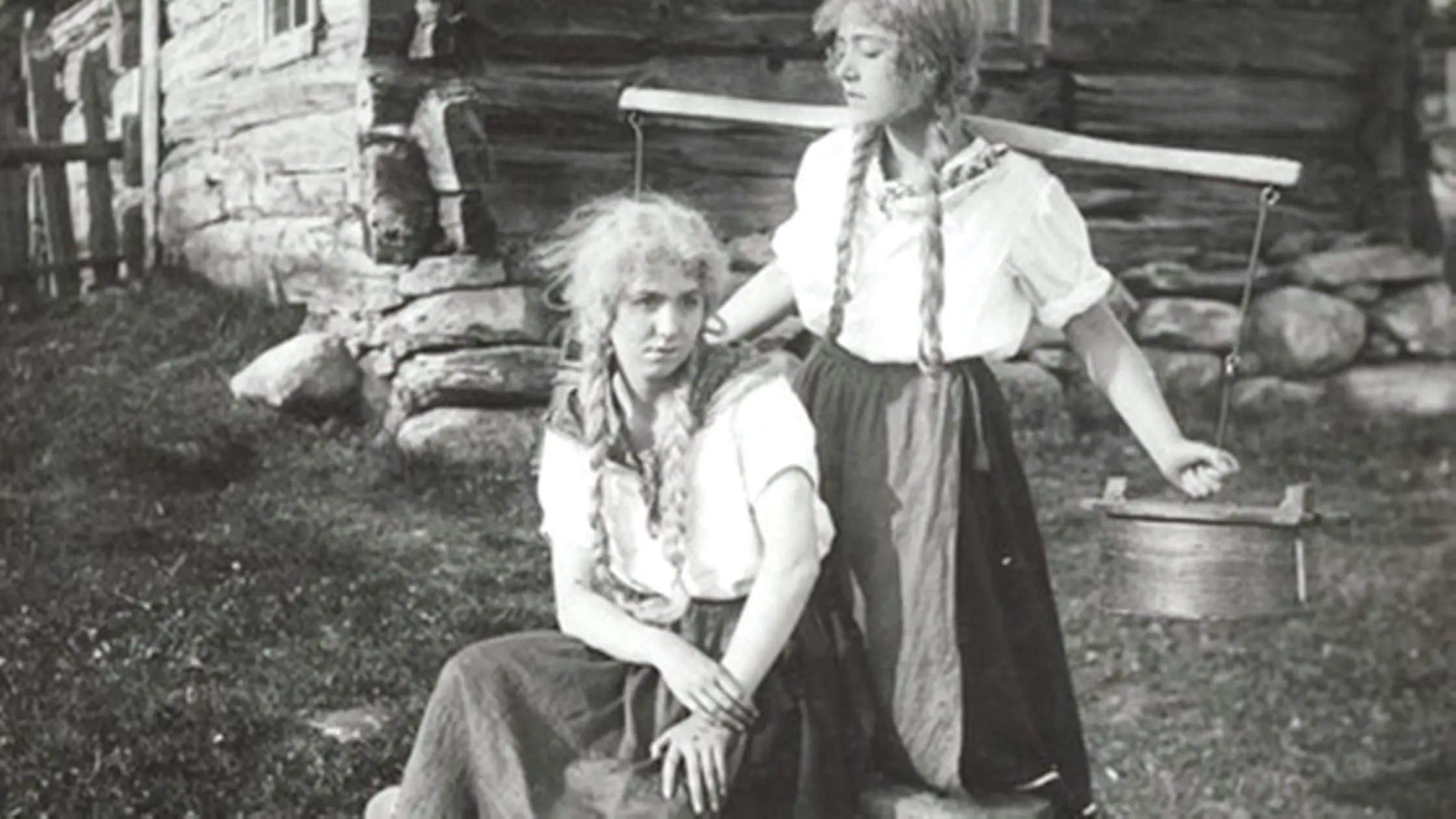
The film also subtly explores the agency of women within these societal constraints. While Gunhild exercises her agency through control and tradition, Ragnhild asserts hers through quiet resistance and unwavering loyalty to her beloved. This dichotomy highlights the different ways women navigated their roles and sought fulfillment in an era where their choices were often circumscribed by family and social standing. The writers, Harry Ivarson and C.P. Riis, crafted a narrative that, while adhering to certain genre conventions, manages to imbue its characters with genuine psychological complexity.
Watching Til sæters today offers more than just a historical viewing experience; it provides a window into the enduring power of storytelling. The film's themes—love transcending social barriers, the tension between individual happiness and familial duty, the quiet strength of conviction—remain profoundly resonant. It serves as a reminder that the struggles of the human heart are timeless, irrespective of technological advancements or societal shifts. In an era where cinema was still finding its voice, films like this demonstrated the medium's capacity for emotional depth and social commentary.
Comparing it to other silent films of the period, Til sæters might not possess the grand scale of a Hollywood epic like The Courtship of Myles Standish, nor the explicit social reform agenda of The Black Stork. Instead, its strength lies in its intimate focus, its authentic portrayal of a specific cultural milieu, and its universal emotional appeal. It shares a certain contemplative quality with European dramas such as Fasching or Die Gespensterstunde, which often delved into the psychological complexities of their characters.
The film's direction by Harry Ivarson is marked by an understated elegance. He allows the story to unfold naturally, trusting his actors and the visual landscape to convey the emotional weight. There's a distinct lack of theatricality, which might surprise viewers accustomed to more exaggerated silent film performances. Instead, the emotional beats are hit through subtle glances, hesitant gestures, and the powerful expressiveness of the actors' faces. This refined approach distinguishes it from more overtly dramatic fare like The Winning Stroke or The Speed Maniac, which relied on kinetic energy and grand gestures.
Furthermore, the film's exploration of family dynamics, particularly the mother-daughter relationship, is handled with considerable insight. It’s not simply a case of an evil mother thwarting true love, but a more complex interplay of expectations, duty, and affection. Gunhild's actions, while causing pain, are rooted in a perceived responsibility, a desire to secure a future for her child that she believes Asmund cannot provide. This internal conflict, though unspoken, is palpable throughout the film, making it a more sophisticated examination of familial bonds than one might initially expect from a silent picture. It’s a struggle that resonates with the themes of duty versus desire found in films like The Girl and the Judge or The Law Decides, though perhaps with a more intimate, personal scale.
Ultimately, Til sæters is more than just a historical curiosity; it is a compelling piece of cinematic art that speaks to enduring human experiences. Its simple premise belies a rich tapestry of emotional depth, social commentary, and visual splendor. For those interested in the evolution of cinema, particularly beyond the dominant Hollywood narratives, this Norwegian gem offers a valuable and rewarding viewing experience. It reminds us that profound stories of love, loss, and the intricate dance between personal will and societal expectation have been captivating audiences since the earliest days of film. Its portrayal of an idyllic yet socially stratified rural life, coupled with the earnest performances of its cast, renders it a noteworthy contribution to silent cinema, one that deserves to be rediscovered and appreciated for its timeless charm and poignant narrative. Much like The Loves of Letty or Scratch My Back, it delves into the complexities of romantic relationships within a structured society, but with its own distinct Nordic flavor.
The film's strength lies not in grand pronouncements or dramatic twists, but in its quiet observation of human nature. It presents a world where the beauty of the natural environment contrasts sharply with the often-harsh realities of social divisions. The characters, particularly Gunhild and Ragnhild, are drawn with a depth that allows for genuine empathy, even when their actions are at odds. This nuanced characterization, combined with the striking visuals and deliberate pacing, ensures that Til sæters remains a compelling and significant work, a testament to the power of early Scandinavian filmmaking. It stands as a powerful, albeit understated, example of how silent cinema could convey complex emotional landscapes without a single spoken word, allowing the audience to truly immerse themselves in the world it presented, much like the contemplative nature of Turning the Tables, which also explored societal expectations and personal desires in a quieter, yet impactful way.

IMDb 7.7
1932
Community
Log in to comment.