DbcultAccessing Vault...
Cult Review
Senior Film Conservator
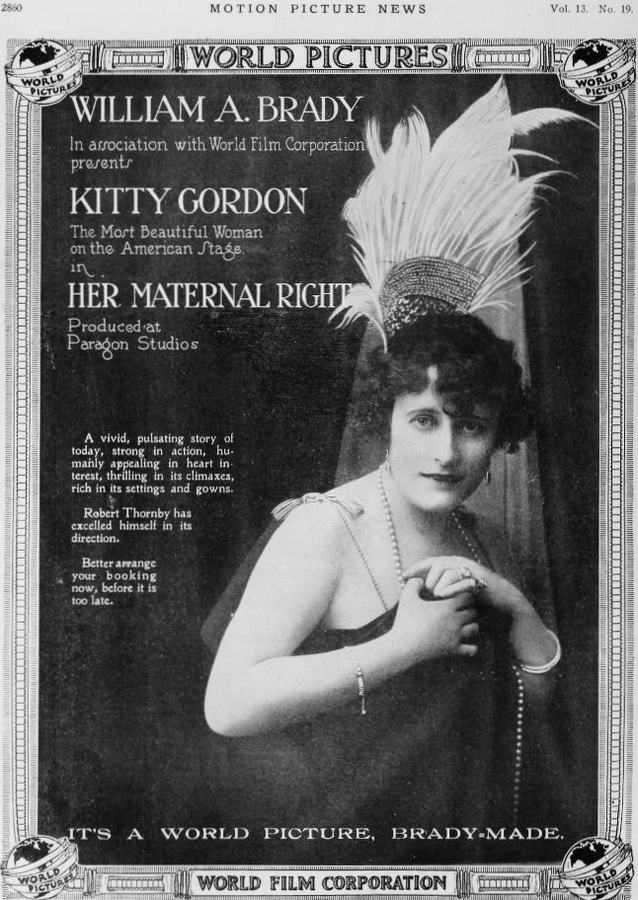
Stepping back into the annals of silent cinema often feels like unearthing a forgotten treasure, and Her Maternal Right, a compelling drama from 1916, is precisely that. It’s a film that, despite its age, resonates with an astonishingly contemporary exploration of human desire, moral compromise, and the ferocious power of a mother’s love. Directed with a keen eye for dramatic tension and featuring a cast that imbues their roles with palpable emotion, this Willard Mack-penned narrative is far more than a simple melodrama; it’s a nuanced character study wrapped in a gripping tale of crime and redemption. The film draws us into a world where superficial allure battles profound affection, where material ambition can corrupt, and where the most desperate acts are often born from the purest intentions. Its enduring power lies in its ability to dissect the human heart, exposing both its darkest corners and its most luminous capacities for self-sacrifice. It’s a testament to the era’s storytelling prowess, proving that even without spoken dialogue, a film can communicate complex emotional landscapes and moral dilemmas with striking clarity and force.
At the heart of this intricate web of ambition and affection is Nina Seabury, portrayed with captivating coldness by Kitty Gordon. Nina is not merely a femme fatale; she is a meticulously crafted artifact of societal aspiration, a woman whose entire existence is predicated on a transaction of charm for wealth. Her beauty is a currency, her affections a calculated investment, and her radar for affluence is unerringly precise. Gordon brings an almost regal detachment to the role, her expressions conveying a sophisticated indifference that makes her character’s motivations chillingly clear. She is the embodiment of the era’s fascination with the 'gold digger,' but Mack's writing elevates her beyond caricature. Nina’s fatal flaw – her misidentification of Emory Townsend as a bank president rather than a mere cashier – sets in motion a chain of events that exposes the brittle foundation of her materialistic world. This initial misstep is crucial, highlighting how her entire system of value is built on external appearances rather than intrinsic worth. It’s a stark reminder that even the most calculating individuals can be undone by a simple error in judgment, especially when their judgment is clouded by the very greed they embody.
Emory Townsend, brought to life by the earnest performance of George Relph, serves as the tragic fulcrum of the narrative. His character is a study in desperation, a man ensnared by an infatuation so profound it blinds him to moral rectitude. Relph portrays Emory’s initial naiveté and burgeoning despair with remarkable sensitivity. His love for Nina is not just misguided; it’s a form of self-destruction, a desperate attempt to bridge the chasm between his meager means and her exorbitant desires. The act of stealing $12,000 from the bank is depicted not as a malicious crime, but as a tragic consequence of his perceived inadequacy, a desperate gamble to secure a love that was never truly his to begin with. This descent into criminality, fueled by romantic delusion, echoes themes found in other films of the period, such as Chained to the Past, where characters find themselves trapped by their own choices and circumstances. Emory’s anguish upon Nina’s inevitable rejection is palpable, a silent scream of a man who has sacrificed everything for nothing. It’s a powerful portrayal of how love, when unrequited or misdirected, can lead even an honorable individual down a path of ruin.
The moral landscape of the film is further enriched by the introduction of Mary Winslow, embodied by Zena Keefe. Mary stands in stark contrast to Nina, representing purity, genuine affection, and an unwavering moral compass. Keefe’s performance is understated yet immensely powerful, conveying a quiet strength and a deep capacity for empathy. Her love for Emory is unconditional, untainted by material considerations, and it offers him a chance at true redemption and happiness. The blossoming of their relationship, culminating in Mary’s pregnancy, provides a tender respite from the film’s earlier cynicism, painting a picture of domestic bliss that feels both fragile and profound. This burgeoning family unit becomes the ultimate stake in the film’s escalating drama, elevating the personal plight of Emory into a matter of collective survival and future hope. Mary’s character is not merely a plot device; she is the moral heart of the story, her quiet dignity and unwavering devotion serving as a stark counterpoint to Nina’s calculated self-interest. Her presence establishes the emotional stakes, making Emory's eventual peril all the more poignant.
The narrative gains significant momentum with the re-emergence of Emory’s past transgression. The diligent detective, a figure often seen in silent era crime dramas like The Fugitive, slowly but surely closes in, his investigation serving as a ticking clock that ratchets up the tension. The discovery of evidence implicating Emory is a masterstroke of suspense, transforming the personal drama into a race against time and justice. George Relph excels in portraying Emory’s growing desperation, his silent anguish conveyed through subtle shifts in posture and expression. His frantic appeal to Nina for the $12,000 to return the stolen funds is a moment of raw vulnerability, a desperate plea for a second chance. This scene is pivotal, not just for its plot implications, but for its stark revelation of character. Nina’s refusal is delivered with an almost casual cruelty, a definitive statement on her unyielding self-preservation. Kitty Gordon’s cold gaze and dismissive gestures in this moment solidify Nina as a formidable antagonist, her lack of empathy a stark contrast to the burgeoning humanity of Emory and Mary.
The climax of Her Maternal Right is a breathtaking display of cinematic power, a testament to the silent era’s ability to build and release tension without a single uttered word. Mary’s dramatic entrance, pregnant and armed, is a moment of astonishing transformation. From the demure, loving partner, she metamorphoses into a fierce protectress, her maternal instinct overriding all fear and societal convention. Zena Keefe’s portrayal of this sudden, desperate resolve is electrifying; her eyes, previously filled with gentle affection, now burn with an unwavering determination. The gun in her hand is not a symbol of aggression, but of ultimate sacrifice, a desperate measure to safeguard her future and the future of her child. The confrontation between Mary and Nina is a silent battle of wills, a powerful tableau where pure love confronts unadulterated greed. Mary’s unwavering stance, her refusal to back down, forces Nina’s hand, compelling her to write the check. It is a moment of profound triumph, not just for Emory, but for the inherent goodness that Mary represents. This act, born of a primal, maternal drive, is the film’s defining statement, encapsulating the very essence of its title. It’s a powerful exploration of female agency, reminiscent of the strong-willed heroines seen in films like Diplomacy or The Rug Maker's Daughter, who defy conventional expectations to protect their loved ones.
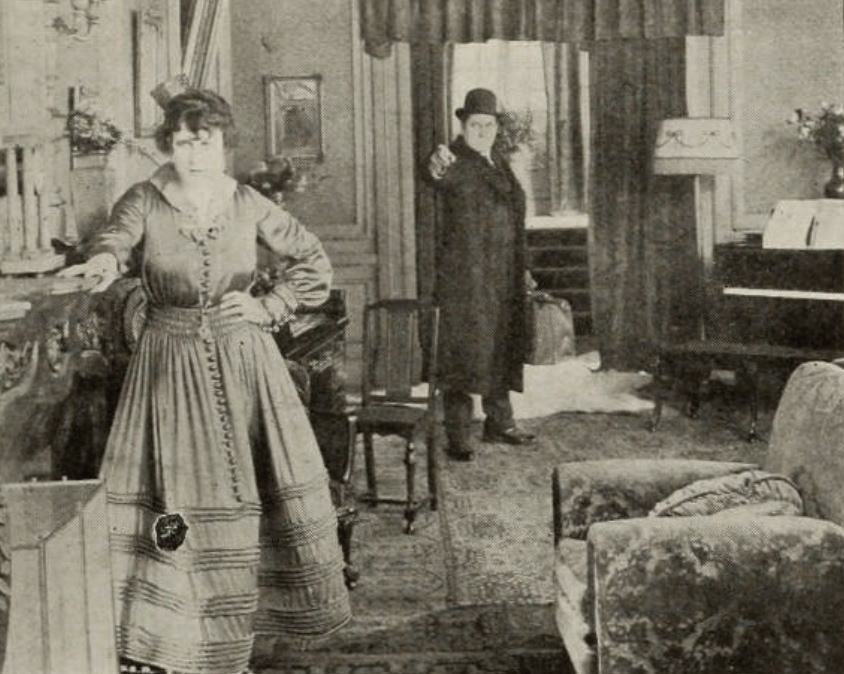
Willard Mack’s screenplay is a masterclass in dramatic construction. He meticulously builds character through action, allowing the audience to infer motivations and emotional states from the silent performances. The plot unfolds with a relentless logic, each event a direct consequence of the preceding one, creating a tightly woven narrative tapestry. Mack understands the power of contrast, juxtaposing Nina’s cold ambition with Mary’s selfless devotion, and Emory’s initial weakness with his eventual, hard-won redemption. The pacing is deliberate, allowing moments of quiet intimacy to breathe before plunging the characters into renewed conflict. The use of intertitles, while a necessity of the era, is handled artfully, providing just enough information to propel the story forward without diluting the visual storytelling. Mack’s ability to craft such a compelling and morally complex story within the constraints of silent film is truly commendable, showcasing his talent for universal themes that transcend the limitations of the medium. The themes of moral ambiguity and the price of ambition are explored with a depth that feels ahead of its time, making the narrative feel robust and resonant even today.
The visual language of Her Maternal Right, typical of early 20th-century cinema, relies heavily on expressive acting, symbolic gestures, and carefully composed shots. The director – though uncredited in some records, the visual storytelling speaks volumes – uses close-ups to emphasize emotional intensity, particularly during the climax. The framing often isolates characters, highlighting their internal struggles or their separation from others. Lighting, a crucial element in silent film, is employed to create mood and atmosphere, casting shadows that reflect the characters' moral dilemmas or illuminating their moments of clarity. The physical performances are paramount, with actors like Gordon, Relph, and Keefe using their entire bodies to convey complex emotions – fear, love, desperation, resolve. This reliance on visual cues and non-verbal communication demands a heightened level of engagement from the audience, inviting them to interpret and connect with the characters on a deeper, more visceral level. The absence of dialogue forces a focus on raw human emotion, a universal language that transcends time and culture.
The performances across the board are a testament to the skill of silent film actors. Kitty Gordon, as Nina, is a fascinating study in controlled villainy. Her expressions are often subtle, a flicker of disdain or a calculating glance, but they speak volumes. She doesn't need to chew scenery to convey her character's self-serving nature; her elegance and poise only make her coldness more impactful. George Relph delivers a performance of quiet anguish and ultimate relief. His transformation from a lovestruck fool to a man humbled by his mistakes and saved by genuine love is compelling. He manages to convey Emory’s internal turmoil with a raw honesty that elicits genuine empathy. Zena Keefe, as Mary, is the emotional anchor of the film. Her journey from gentle partner to fierce protector is beautifully rendered. Her final act of defiance is not theatrical; it’s born of a profound, visceral need to protect her family, and Keefe sells every ounce of that conviction. Even supporting players like Warner Richmond and Frank Evans contribute to the film’s rich tapestry, their presence adding layers to the unfolding drama. Their performances, though perhaps less central, are crucial in establishing the world and the stakes within it.
Thematic resonance is where Her Maternal Right truly shines. The film masterfully explores the corrosive power of avarice, contrasting it sharply with the redemptive strength of selfless love. Nina’s relentless pursuit of wealth leads only to isolation, while Mary’s unwavering devotion ultimately saves not just Emory, but the very essence of their future. It’s a classic morality play, but one handled with a sophisticated understanding of human psychology. The concept of 'maternal right' in the title is profoundly explored, suggesting that a mother’s inherent right to protect her offspring transcends legal boundaries and societal norms. This theme of desperate maternal action can be seen in other films of the era, albeit with different contexts, such as The War Bride's Secret, where mothers make extreme sacrifices for their children. The film also delves into themes of class distinction and the pressures faced by individuals to maintain certain appearances, a prevalent social commentary in early 20th-century narratives. Emory’s initial crime is a direct consequence of this pressure, a desperate attempt to fit into a world that was never meant for him. It's a poignant commentary on the dangers of living beyond one's means for the sake of another's approval.
While Her Maternal Right might not be as widely known as some of its contemporaries, its narrative depth and emotional impact deserve rediscovery. It offers a fascinating glimpse into the social mores and dramatic conventions of the silent era, while simultaneously presenting a story that feels timeless in its exploration of human nature. The film serves as a powerful reminder of the sophisticated storytelling that existed before the advent of sound, proving that compelling narratives and profound emotional experiences were being crafted with ingenuity and artistic vision. It’s a film that encourages reflection on what truly holds value in life: the fleeting allure of material possessions or the enduring power of genuine connection and unwavering love. For enthusiasts of classic cinema, or anyone interested in the evolution of dramatic storytelling, Her Maternal Right is an essential viewing experience, a film that speaks volumes without uttering a single word, leaving an indelible mark on the viewer's consciousness long after the final frame has faded. It's a testament to the enduring power of silent film to captivate, challenge, and move an audience with its raw, unfiltered emotion and intricate character work.
In conclusion, Her Maternal Right stands as a compelling example of early cinematic artistry. It's a meticulously crafted drama that transcends its silent origins, offering a powerful and poignant exploration of human frailty and resilience. The performances are nuanced, the plot is gripping, and its thematic core remains as relevant today as it was over a century ago. It’s a film that deserves to be celebrated, studied, and appreciated for its contribution to the rich tapestry of cinematic history, a true testament to the enduring power of storytelling through images. Its narrative complexity and emotional depth secure its place as a significant work that masterfully navigates the treacherous waters of human desire and the ultimate triumph of selfless love. This film, with its stark moral contrasts and powerful climax, continues to resonate, demonstrating the timeless appeal of well-told stories about the human condition.
IMDb 6.6
1932
Community
Log in to comment.