DbcultAccessing Vault...
6.3/10
Senior Film Conservator
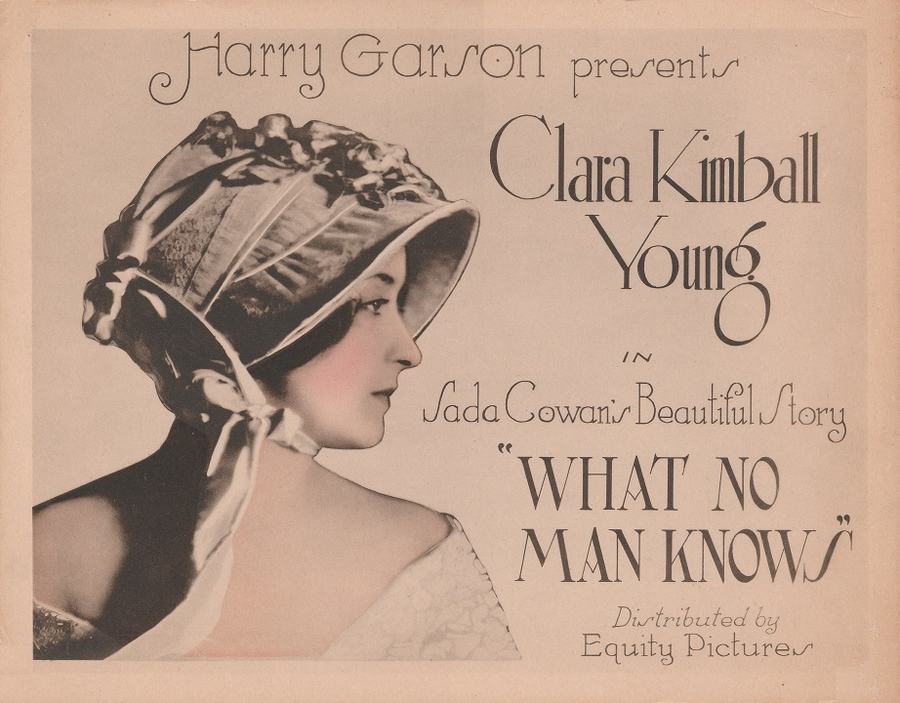
A definitive 6.3/10 rating for a film that redefined the boundaries of cult cinema. What No Man Knows remains a cornerstone of transgressive art.
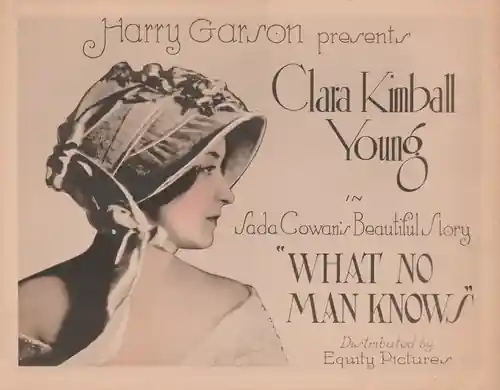
Stepping back into the silent film era, one often encounters narratives that, despite their age, possess an astonishing contemporary relevance. What No Man Knows, a cinematic exploration of human frailty, societal judgment, and the arduous path to redemption, stands as a poignant testament to this enduring power. Directed with a keen eye for melodrama and character, and penned by the insightful Sada Cowan, this film delves into the moral quagmires and unexpected alliances that define the human experience. It's a story not just of love lost and found, but of societal hypocrisy, the crushing weight of public opinion, and the quiet heroism found in unwavering compassion. The film, featuring the luminous Clara Kimball Young as Norma Harvey and the compelling Lowell Sherman as Craig Dunlap, invites us to ponder the very essence of what it means to be 'worthy' in the eyes of a judgmental world.
At the heart of this intricate drama is Norma Harvey, portrayed with a delicate strength by Clara Kimball Young. Norma is not merely a character; she is an archetype of selfless devotion, a newspaperwoman whose professional pursuits are secondary to her profound commitment to social welfare. Her days are spent navigating the grimy, unforgiving labyrinth of the city's slums, extending a hand to those society has forgotten. This isn't a superficial charity; it's a deep-seated empathy that defines her very being. She embodies a kind of practical idealism, a belief that even in the darkest corners, light can be found and nurtured. Her character arc is less about personal transformation and more about steadfastness in the face of adversity, a quiet resilience that challenges the rigid moral codes of her time. Her compassion is not a weakness but a formidable strength, a force that eventually reshapes the lives around her. In an era where female protagonists often grappled with restrictive societal roles, Norma carves out a space for agency and moral leadership, reminiscent of the quiet determination seen in characters navigating similar social strictures, perhaps even more pronounced than the domestic struggles in a film like Miss Lulu Bett.
Conversely, Craig Dunlap's journey is one of precipitous decline and a tortuous ascent towards self-respect. Once a respected lawyer, his world crumbles due to the desperate measures he takes to shield his wife's kleptomania. This isn't just a story about a man losing his profession; it's about the erosion of his identity, his moral compass skewed by a misguided sense of loyalty and a desperate attempt to preserve appearances. Lowell Sherman’s portrayal, even in the silent medium, conveys the profound shame and despair that accompany such a fall. His disbarment isn't merely a legal consequence; it's a symbolic stripping away of his societal standing, casting him into the very shadows Norma seeks to illuminate. His subsequent encounter with Norma in a 'disreputable dive' is not accidental; it’s a collision of worlds, a stark juxtaposition of his fallen state against her unwavering virtue. His path to redemption is not linear or easy, mirroring the complex moral ambiguities explored in works such as The Light That Failed, though Dunlap's struggle is more overtly moral than artistic. It requires him to shed the vestiges of his former life, confront his past mistakes, and ultimately, to rebuild his character from the ground up, guided by Norma's steadfast belief in his inherent goodness.
The film sharply critiques the judgmental nature of society, particularly through the lens of Norma’s two 'gossipy neighbors.' These characters, though minor, serve as potent symbols of the societal pressures and narrow-mindedness that often impede genuine compassion. Their swift condemnation of Norma's unconventional household – housing a fallen man and a blind orphan – underscores the hypocrisy inherent in a community quick to judge but slow to understand. The removal of little Mazie, the blind orphan, from Norma's custody is the most heartbreaking consequence of this moral policing. Mazie, with her vulnerability and innocence, represents the purity that Norma strives to protect, and her temporary separation from Norma highlights the arbitrary cruelty of a system that prioritizes appearances over genuine care. The theme of a child's custody being dictated by societal perceptions of a guardian's 'fitness' is a timeless one, echoing the pathos found in stories where children are caught in the crossfire of adult lives, albeit with a different focus than the direct familial conflicts in Youth's Endearing Charm, where familial expectations take precedence.
Craig Dunlap's prior marriage is a study in dysfunction and misguided obligation. His wife's kleptomania, rather than being a catalyst for genuine help, becomes a source of his downfall, a secret he desperately tries to contain. Norma's advice to Dunlap to give his wife 'another chance' speaks volumes about her belief in second chances, even for those who have caused pain. However, the film realistically portrays the limits of such grace. Dunlap's discovery of his wife 'rough-housing with friends' is not merely an inconvenience; it’s a profound realization of her incorrigible nature, her inability or unwillingness to change, and the superficiality of their bond. This scene acts as a pivotal moment, severing the last threads of his obligation and allowing him to pursue a genuine path forward. His subsequent threat to expose her fur theft, compelling her consent to divorce, is a stark, almost brutal, act born of necessity, highlighting the desperation and moral compromises sometimes required to break free from toxic entanglements. It's a pragmatic, if harsh, resolution to a relationship that was never founded on mutual respect or love, a stark contrast to the more overtly dramatic and dangerous entanglements seen in films like Obsession.
The narrative's compelling structure and its nuanced exploration of character are largely attributable to Sada Cowan's masterful screenplay. Cowan, a notable writer of the era, crafts a story that transcends simple good-versus-evil dichotomies, instead presenting characters fraught with human flaws and virtues. Her writing imbues Norma with an unwavering moral core without making her saccharine, and Craig with a relatable fallibility that makes his eventual redemption earned rather than given. The progression of the plot, from the initial scandal to the eventual reunion, feels organic, each event building upon the last to reveal deeper truths about the characters and the society they inhabit. Cowan’s ability to weave together themes of social responsibility, personal integrity, and the redemptive power of love within the constraints of the silent film medium is truly remarkable. Her work, much like the intricate storytelling in The Glorious Lady, demonstrates a keen understanding of emotional resonance and narrative drive, making the most of visual storytelling to convey complex internal states.
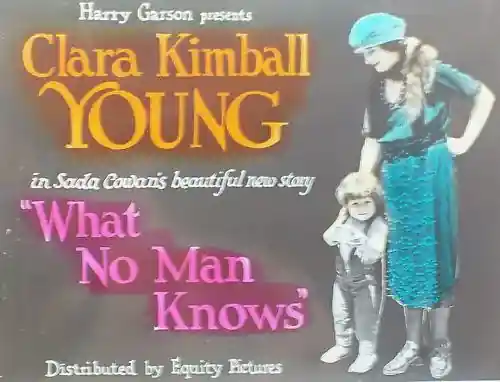
The success of What No Man Knows hinges significantly on the performances of its lead actors. Clara Kimball Young, a prominent star of the silent era, brings a captivating blend of grace and fortitude to Norma Harvey. Her expressive eyes and subtle gestures convey the depth of Norma's compassion and her inner resilience, making her character utterly believable and deeply sympathetic. One can almost feel the weight of societal judgment through her quiet resolve. Lowell Sherman, as Craig Dunlap, delivers a performance that charts a convincing trajectory from arrogance to despair and finally to humble redemption. His body language and facial expressions effectively communicate the internal turmoil of a man grappling with the consequences of his actions and the slow, painful process of rebuilding his life. The supporting cast, including the poignant Jeanne Carpenter as little Mazie, and the gossipy Milla Davenport and Dulcie Cooper, further flesh out the world of the film, adding layers of authenticity to the societal backdrop. The collective effort of the cast underpins the film’s emotional impact, turning what could be a simple melodrama into a profound character study, much like the ensemble work that would later define character-driven pieces such as Bring Him In, albeit in a different genre.
What No Man Knows is a tapestry woven with rich, timeless themes. It explores the transformative power of unconditional love, particularly Norma’s unwavering affection for Craig, which persists despite his fall from grace. This love is not blind; it is a discerning compassion that sees beyond superficial failings to the potential for good. The film also examines the concept of sacrifice – Norma’s sacrifice of her reputation for the sake of an orphan and a disgraced man, and Craig’s eventual sacrifice of his pride to rebuild his life. Perhaps most compellingly, it dissects the arbitrary and often cruel nature of societal norms and expectations. The neighbors’ condemnation of Norma highlights how easily reputation can be tarnished by rumor and how quickly judgment can supersede empathy. The film suggests that true morality lies not in adherence to rigid social codes, but in acts of genuine kindness and integrity, even when those acts defy conventional wisdom. The narrative arc, culminating in Norma regaining custody of Mazie and finding happiness with Craig, serves as a powerful affirmation of these values, suggesting that perseverance and moral fortitude ultimately triumph over superficial judgment.
While a product of its time, What No Man Knows possesses a universal appeal that resonates even today. Its exploration of redemption, the battle against societal prejudice, and the enduring power of human connection are themes that transcend eras and cultural boundaries. The film serves as a valuable historical document, offering a glimpse into the social anxieties and moral debates of the early 20th century. More than that, it is a testament to the power of storytelling to illuminate the complexities of the human heart. The silent film medium, far from being a limitation, enhances the emotional impact, forcing the audience to engage more deeply with the visual storytelling and the actors' expressive performances. For those interested in the evolution of dramatic cinema and the enduring power of character-driven narratives, What No Man Knows remains a compelling and worthy watch, a quiet masterclass in silent storytelling that, much like the subtle intricacies of Blind Chance, reveals profound truths through seemingly simple premises. It reminds us that often, the most significant struggles and triumphs occur within the confines of the human spirit, unknown to the wider world, yet profoundly impactful to those involved.
IMDb 7.1
1936
Community
Log in to comment.