DbcultAccessing Vault...
Cult Review
Senior Film Conservator
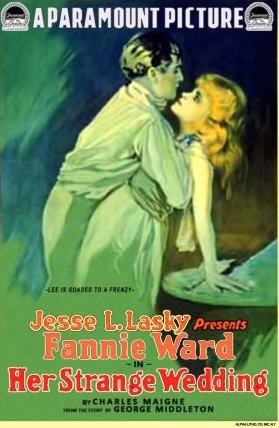
Stepping into the world of early 20th-century cinema, one often encounters narratives that, while perhaps melodramatic by contemporary standards, pulse with an raw emotional intensity and a stark moral clarity that remains captivating. Such is the case with Her Strange Wedding, a film that deftly navigates the treacherous waters of familial loyalty, romantic entanglement, and the corrosive nature of unchecked avarice. Penned by George Middleton and Charles Maigne, this dramatic offering plunges us into a vortex of human fallibility and eventual, if tragic, liberation, anchored by performances that, even across the chasm of a century, resonate with a compelling force.
The narrative’s genesis lies in the morally compromised actions of Lee Brownell, portrayed with a nuanced blend of charm and underlying villainy by William Elmer. Lee, having brazenly embezzled a substantial sum from a prominent Chicago firm, seeks an unlikely sanctuary: the home of his upright brother, Dr. Max Brownell. Lee’s pretext of needing a period of recuperation, a respite from the rigors of city life, is a thin veil over his deeper, more sinister machinations. Max, embodied by the steadfast Tom Forman, is a man of honor, unaware of the serpent he has unwittingly invited into his domestic Eden. The immediate conflict, however, isn't financial, but romantic. Max harbors a quiet, profound affection for Coralie Grayson, a woman of evident grace and charm, brought to life by the luminous Fannie Ward. Yet, Lee, with his deceptive charisma and practiced guile, swiftly captivates Coralie’s heart, a cruel twist of fate that sets the stage for the unfolding tragedy.
The film excels in building this initial tension, portraying the subtle shifts in affection and the unspoken desires that simmer beneath the polite surface of social interaction. Fannie Ward, as Coralie, delivers a performance that skillfully conveys both her initial innocence and her growing disillusionment. Her early scenes with Elmer’s Lee are imbued with a certain breathless romance, a testament to Lee’s persuasive powers, making her eventual awakening all the more poignant. It is a classic setup: the virtuous but overlooked suitor, the charming rogue, and the woman caught between. This dynamic, though timeless, is rendered with a particular urgency characteristic of silent-era melodrama, where gestures and expressions carried the weight of dialogue.
The dramatic fulcrum of the story arrives on the very eve of Coralie and Lee’s wedding. Max, through some undisclosed means, uncovers the truth of his brother’s initial embezzlement. This revelation thrusts him into an agonizing moral quandary. His love for Coralie, a pure and unselfish affection, compels him to protect her from the devastating truth, even if it means sacrificing his own peace of mind. In a desperate, almost quixotic, act of brotherly devotion and romantic chivalry, Max endeavors to repay the stolen money, hoping to erase Lee’s transgression and spare Coralie the ignominy of marrying a criminal. This selfless act, reminiscent of the noble sacrifices seen in films like A Man of Sorrow, highlights Max’s intrinsic goodness and his tragic inability to truly save his brother from himself.
However, the threads of fate, or perhaps simply Lee’s incorrigible nature, conspire against Max’s redemptive efforts. He is too late. Lee, it transpires, has committed yet another act of theft, further cementing his path of moral decay. This repeated transgression solidifies Lee’s character as irredeemable, a man utterly consumed by his own base impulses. The wedding proceeds, a ceremony ironically shrouded in unspoken deceit and impending heartbreak. The contrast between the joyous facade and the underlying rot is palpable, a testament to the script's ability to build dramatic irony. Coralie, now Mrs. Brownell, soon confronts the devastating reality of her husband's true nature. The honeymoon, typically a period of blissful discovery, becomes instead a crucible of disillusionment and painful revelation. Fannie Ward's portrayal of Coralie's dawning horror and subsequent despair is central to the film's emotional impact, allowing the audience to viscerally feel her betrayal.
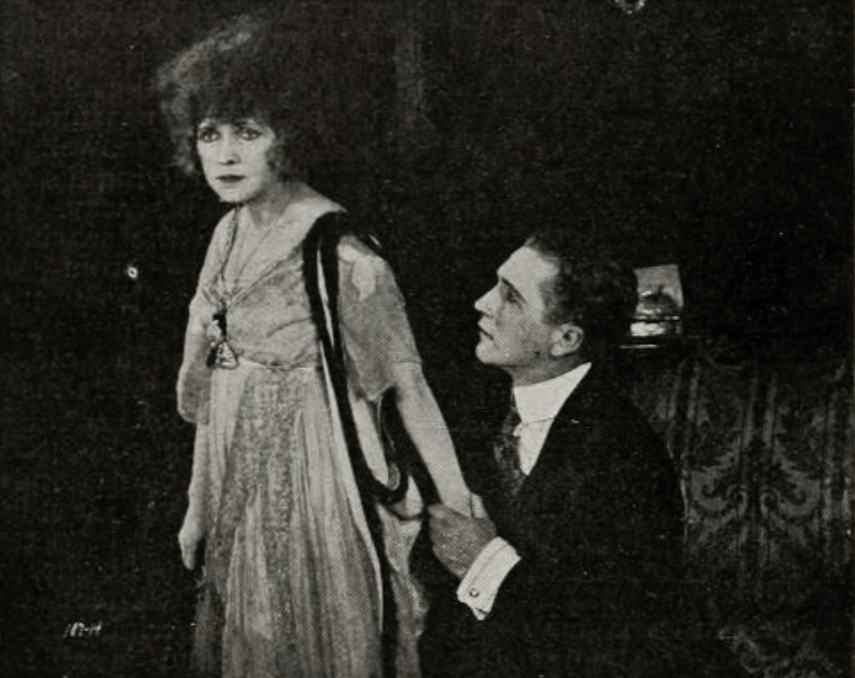
The setting shifts dramatically as the newlyweds embark on their honeymoon cruise. The vast, indifferent expanse of the ocean serves as a potent metaphor for Coralie's isolation and the inescapable nature of Lee's character. In a twist of narrative synchronicity, Max, still reeling from the events and perhaps seeking his own form of solace or escape, finds himself on the very same vessel. This chance encounter, while perhaps straining credulity slightly, is a classic melodramatic device, intensifying the already fraught emotional landscape. The confined space of the ship amplifies the tension, forcing the three protagonists into an unavoidable proximity that can only lead to further conflict.
As the cruise progresses, Lee’s moral compass continues its downward spiral. His true colors, no longer masked by charming pretense, are fully exposed. His depravity intensifies, manifesting in ways that further alienate Coralie and deepen Max’s quiet anguish. The film masterfully depicts this descent, relying on Elmer’s expressive acting to convey Lee’s increasingly erratic and vicious behavior. This slow burn to outright villainy is a highlight of the performance, portraying a man utterly devoid of conscience or empathy. The pressure cooker environment of the ship, coupled with Max's unwelcome presence, pushes Lee to the brink. This kind of escalating tension, where characters are trapped with their demons, can also be observed in other thrillers of the era, though perhaps with less overt psychological exploration than seen in The House of a Thousand Candles, which also builds suspense within confined spaces.
The climax is both sudden and inevitable. In a fit of jealous pique, fueled by his own paranoia and burgeoning madness, Lee lashes out, shooting Max. This violent act shatters any remaining illusion of civility or control. Max, grievously wounded, embarks on a desperate crawl to his brother’s room. This arduous journey, fraught with pain and determination, is a powerful visual metaphor for his unwavering pursuit of justice, or perhaps, a final, desperate attempt to confront the source of his and Coralie's suffering. Forman’s portrayal of Max’s resilience in the face of near-fatal injury is particularly striking, conveying a profound inner strength.
The confrontation is swift and brutally effective. Lee, confronted by his victim, the brother he wronged, the man he tried to murder, is overcome not by remorse, but by sheer, overwhelming shock. The sudden, stark reality of his actions, perhaps the ultimate manifestation of his moral bankruptcy, proves too much for his fractured psyche. Lee dies of shock, a poetic and fitting end for a character whose life was built on deception and self-serving ambition. This unexpected demise, rather than a direct act of vengeance, offers a unique resolution, highlighting the psychological toll of guilt and the fragility of even the most hardened criminal mind when faced with the consequences of their deeds. It's a dramatic twist that avoids a simple 'good guy kills bad guy' scenario, opting for a more psychological, if still melodramatic, conclusion.
With Lee’s death, the oppressive shadow that had fallen over Max and Coralie's lives is finally lifted. The narrative concludes with the promise of a new life together, freed from the toxic influence of Lee’s deceit. It is a hard-won liberation, steeped in sorrow and marked by the scars of past trauma, but a liberation nonetheless. The film, through its dramatic arc, ultimately champions virtue and perseverance, even if the path to happiness is paved with significant suffering. This thematic resolution, where the good endure and the wicked meet their just, if unconventional, end, is a hallmark of the era, offering audiences a sense of moral order restored. The ending, while delivering a sense of closure, doesn't shy away from the emotional weight of what Coralie and Max have endured, suggesting a future built on resilience and perhaps a deeper appreciation for genuine connection, a sentiment often explored in films focusing on emotional endurance, like The Blindness of Love.
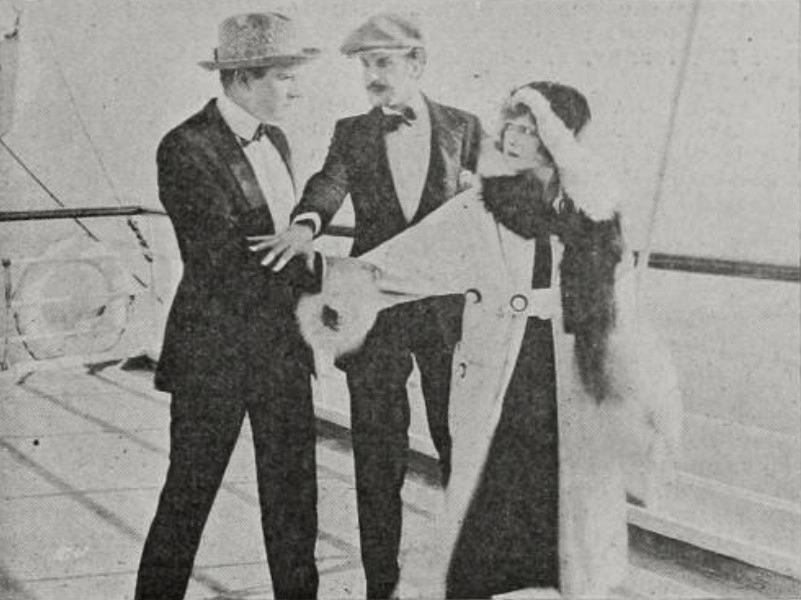
The ensemble cast of Her Strange Wedding delivers performances that are both emblematic of the silent film era and surprisingly enduring. Fannie Ward, as Coralie Grayson, carries the emotional core of the film. Her transition from naive bride to heartbroken wife, and eventually to a woman finding renewed hope, is portrayed with a captivating sensitivity that transcends the limitations of silent acting. Ward’s expressive eyes and gestures convey a rich inner life, making Coralie’s plight deeply empathetic. Her ability to project vulnerability and strength in equal measure is a testament to her acting prowess, similar in its nuanced emotional range to performances seen in other compelling female-led dramas of the period, such as Miss Nobody or The Empress.
William Elmer’s portrayal of Lee Brownell is a masterclass in villainy. He imbues Lee with a superficial charm that makes his initial deception believable, slowly peeling back layers to reveal the rotten core beneath. His descent into depravity, culminating in the jealous rage, is chillingly effective. Elmer avoids caricature, presenting a villain who, while undeniably evil, is also tragically human in his flaws. Tom Forman, as Dr. Max Brownell, provides the moral anchor of the story. His quiet dignity, selflessness, and unwavering love for Coralie are beautifully conveyed. Forman’s performance is understated yet powerful, a perfect foil to Elmer’s flamboyant villainy. Jack Dean’s contribution, though perhaps in a supporting role, adds further depth to the narrative fabric, ensuring a well-rounded cinematic experience.
Writers George Middleton and Charles Maigne craft a narrative that, despite its melodramatic flourishes, possesses a tight structural integrity and a clear thematic purpose. The pacing is deliberate, allowing the psychological tension to build gradually, culminating in a series of highly dramatic confrontations. Their ability to weave together themes of betrayal, sacrifice, and eventual redemption within a compelling character-driven plot is commendable. The film, in its essence, is a cautionary tale about the deceptive nature of appearances and the enduring power of genuine affection over fleeting passion and material greed.
Her Strange Wedding stands as a compelling example of early 20th-century cinema’s capacity for intricate storytelling and powerful emotional resonance. It reflects the era’s fascination with moral dilemmas, the consequences of crime, and the ultimate triumph of virtue, albeit often through a circuitous and painful route. The film’s dramatic structure, with its clear heroes and villains, its emphasis on grand gestures and heightened emotions, is characteristic of a period where cinema was still defining its language, often drawing heavily from theatrical traditions. While some plot points might seem convenient or overly dramatic to a modern viewer, they were essential tools for conveying complex narratives in a medium still evolving beyond simple visual spectacles. The story’s focus on the unraveling of a deceptive marriage and the eventual, if tragic, freeing of the innocent party, speaks to enduring societal anxieties surrounding trust, commitment, and hidden lives, themes that continue to resonate in contemporary cinema, albeit with different stylistic approaches. The film’s engagement with moral questions and its exploration of human nature's darker side positions it alongside other works of its time that delved into complex ethical landscapes, such as Scandal, which also explored societal judgments and hidden truths.
The film’s title itself, Her Strange Wedding, encapsulates the central irony and tragedy of Coralie’s experience. What should have been a joyous beginning becomes a nightmarish entanglement, a testament to the profound impact of one man’s deceit on the lives of those around him. It’s a title that immediately grabs attention, promising a narrative that deviates from conventional romance, a promise the film undoubtedly delivers upon. The 'strangeness' isn't just in the circumstances of the wedding, but in the entire trajectory of Coralie's journey with Lee, and the extraordinary, almost unbelievable, circumstances that ultimately lead to her freedom.
In conclusion, Her Strange Wedding is more than just a historical artifact; it is a vibrant, emotionally charged drama that, through its compelling plot, strong performances, and clear moral compass, continues to offer insights into human nature. It reminds us of the enduring power of classic narratives to explore themes of love, betrayal, and redemption, proving that even a century later, a well-told story, especially one with such a peculiar and poignant resolution, can still hold an audience captive. For enthusiasts of early cinema, or anyone interested in the foundational narratives that shaped the art form, this film offers a rich and rewarding viewing experience, a true testament to the timeless appeal of a well-crafted melodrama. The film’s narrative complexity and character development, particularly for its era, make it a noteworthy entry in the annals of early cinematic storytelling, standing as a testament to the creative ambitions of its creators and performers, and a compelling watch for anyone interested in the roots of dramatic filmmaking.
IMDb —
1930
Community
Log in to comment.