DbcultAccessing Vault...
Cult Review
Senior Film Conservator
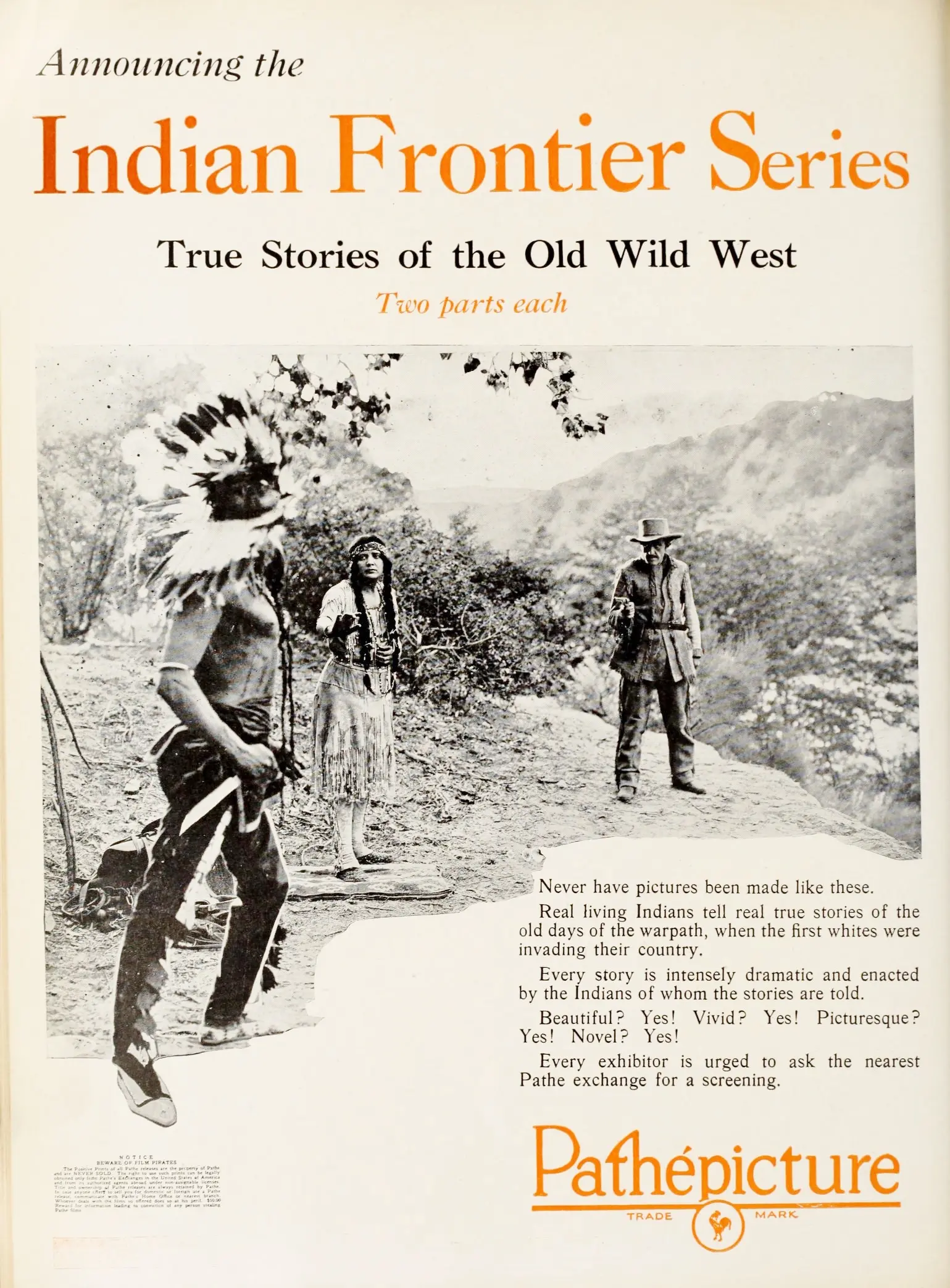
Stepping back into the cinematic tapestry of 1924, one encounters a film that, despite its relative obscurity in the annals of mainstream film history, offers a potent glimpse into narrative tradition, cultural encounter, and the foundational myths of heroism. 'The Man Who Would Not Die' is not merely a relic; it’s a vibrant, if silent, testament to storytelling’s enduring power, framed through the lens of a deeply personal, ancestral recounting. In an age where spectacle often overshadows substance, this film reminds us that the most profound narratives frequently spring from the wellspring of human experience and the echoes of generations past.
The film commences with an elegant framing device, a narrative strategy that elevates a straightforward plot into something far more resonant. We are introduced to an elderly indigenous chief, his visage etched with the wisdom of countless seasons, who chooses to share a deeply personal chronicle with a sympathetic white visitor. This isn't merely a casual anecdote; it is a vital piece of his personal history, a story of youth, betrayal, and unwavering resolve, delivered with the gravitas of a living legend recounting his own foundational myth. The chief’s revelation that he himself was the 'young brave' of the tale imbues the entire narrative with an almost mythic quality, transforming a simple rescue mission into a timeless saga of identity and legacy.
The core of his recounting transports us to a time when a white man, journeying westward towards the setting sun, sought refuge and hospitality within the chief's village. This initial interaction, seemingly benign, quickly devolves into a stark portrayal of cultural insensitivity and outright transgression. The guest, instead of departing with gratitude, commits an act of profound disrespect: he abducts the chief’s daughter, a woman already betrothed within her own tribe. This act is not merely a personal affront but a violation of communal trust, a rupture in the delicate fabric of inter-cultural relations, and a direct challenge to the indigenous society’s laws and customs. The ensuing pursuit, led by the spirited young brave, becomes a powerful affirmation of tribal sovereignty and the unyielding strength of familial bonds. His successful retrieval of the maiden, before any lasting harm could befall her, serves as the triumphant climax, a testament to courage and the swift hand of justice.
In the silent era, the burden of conveying emotion and intent fell squarely on the shoulders of the actors' physicality, their facial expressions, and their command of gesture. 'The Man Who Would Not Die' showcases a cast adept at this demanding craft. While specific details of their performances are often lost to the mists of time or fragmented prints, the essence of their contributions can be gleaned from the film's narrative impact. Adelaide Hallock, whose work might be compared to other earnest ingénues of the period in films like Who Loved Him Best?, likely brought a compelling vulnerability to the role of the abducted daughter, her distress and subsequent relief palpable without a single spoken word. Her portrayal would have been crucial in garnering audience sympathy and amplifying the stakes of the young brave’s mission.
Tim McCoy, a figure who would later become a renowned cowboy star, likely embodied the vigor and determination of the young brave with an athleticism and stoicism characteristic of his screen persona. His presence would have lent an authentic gravitas to the pursuit scenes, making the audience believe in his unwavering commitment to justice and his beloved. Ed Brady and Paul Hurst, often cast in character roles, would have provided the necessary dramatic foil, perhaps portraying the white abductor or his cohorts, their expressions conveying villainy or misguided entitlement. David Dunbar and Hedda Nova, though their specific roles are less documented, would have contributed to the ensemble, painting a vivid picture of the tribal community and the emotional fallout of the abduction. The collective efforts of this cast, under the direction, undoubtedly infused the narrative with the raw emotion and tension required to captivate an early 20th-century audience.
'The Man Who Would Not Die' is more than a simple adventure story; it is a poignant exploration of cultural collision. The arrival of the white man, ostensibly a benign encounter, quickly exposes the inherent power imbalances and potential for exploitation that characterized interactions between indigenous peoples and encroaching settlers. The abduction of the chief’s daughter is a stark symbol of this imbalance, representing the violation of native lands, customs, and sovereignty. Yet, the film masterfully pivots from victimhood to agency through the figure of the young brave. His relentless pursuit and successful rescue affirm the resilience and strength of the indigenous community, demonstrating that their traditions, their justice, and their spirit are not easily broken.
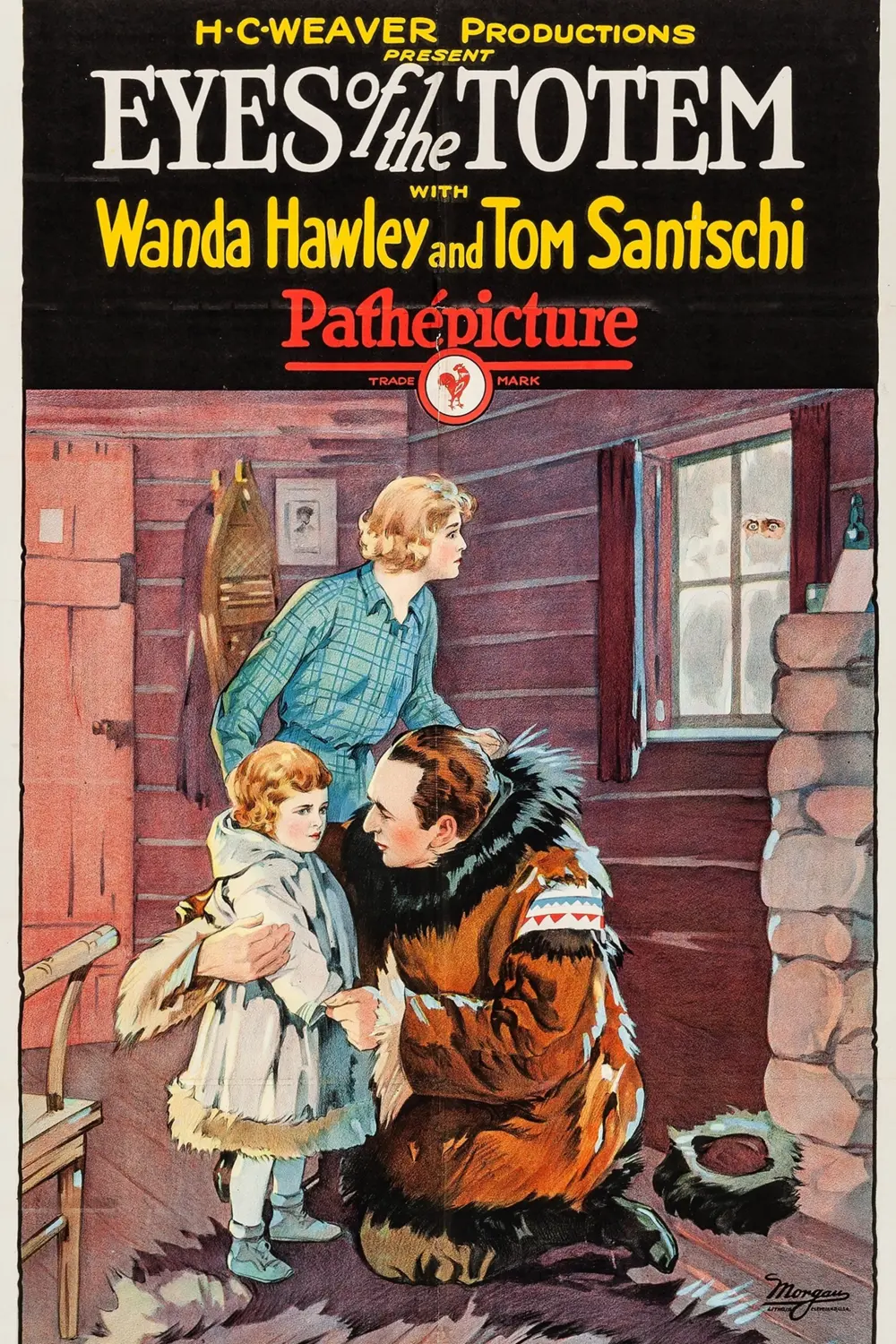
The title itself, 'The Man Who Would Not Die,' hints at a deeper, almost allegorical meaning. It refers not just to the physical survival of the brave, but to the enduring spirit of his people, their customs, and their right to self-determination. In an era where many films often portrayed indigenous characters through a simplistic or stereotypical lens, this film, even if imperfect, offers a narrative where an indigenous protagonist is the hero, the upholder of justice, and the embodiment of an unbroken lineage. This thematic depth makes it a noteworthy artifact for those interested in the evolving portrayal of Native Americans in early cinema, standing in contrast to films that might have sensationalized conflict without exploring its deeper human implications, perhaps like some elements of The Devil-Stone, or focused solely on romance without cultural context, such as His Briny Romance.
The cinematic techniques of 1924, while rudimentary by today's standards, were nevertheless sophisticated for their time. Filmmakers relied heavily on visual storytelling, using composition, lighting, and editing to convey meaning and emotion. The 'Man Who Would Not Die' would have utilized close-ups to emphasize the actors' nuanced expressions, particularly during moments of distress or determination. Wide shots would have established the vast, untamed landscapes, underscoring the arduous journey of the young brave and the isolation of the abduction. The pacing, though often slower than modern cinema, would have built tension through sustained sequences of pursuit and flight, culminating in a dramatic resolution.
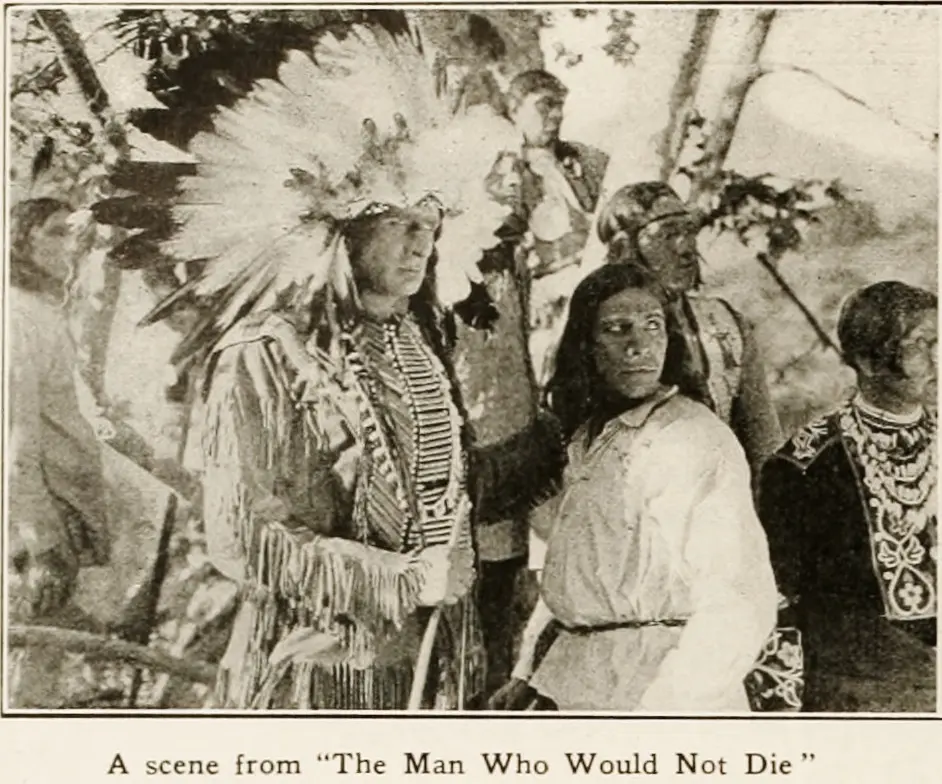
Intertitles, the textual inserts that conveyed dialogue and exposition, were crucial. They served not just to advance the plot but also to inject character voice and thematic statements, guiding the audience through the emotional landscape of the narrative. The contrast between the elder chief's calm, reflective narrative and the frantic, action-packed flashback would have been a deliberate choice, highlighting the passage of time and the weight of memory. While we lack specific details on the cinematography or direction, one can infer a reliance on practical effects for action sequences and a focus on natural light for outdoor scenes, common practices of the period that lend an undeniable authenticity to such historical dramas. This approach to visual narrative is akin to other adventure films of the era, where the landscape itself became a character, such as in The Phantom Fortune, though perhaps with a more pronounced cultural commentary here.
For modern audiences, engaging with 'The Man Who Would Not Die' requires a willingness to suspend contemporary expectations of sound, color, and rapid-fire editing. Yet, for those willing to embrace its silent charm, the film offers profound rewards. It stands as a valuable historical document, reflecting not only the cinematic techniques of its time but also societal attitudes and evolving narratives around indigenous populations. The film's central conceit — an elder recounting his own heroic past — provides a powerful framework for understanding cultural continuity and the importance of oral tradition, even when mediated through a Western cinematic form.
Its themes of justice, cultural respect, and the assertion of identity remain remarkably relevant. In an ongoing global dialogue about reconciliation and understanding between diverse communities, a film like this, which centers an indigenous perspective of heroism and resilience, even in a historical context, holds unique significance. It encourages reflection on how stories are told, who tells them, and what truths they convey. While films like What Happened to Jones or Squabs and Squabbles might offer comedic diversions, 'The Man Who Would Not Die' delves into deeper, more enduring human struggles, positioning itself as a more serious historical and cultural touchstone.
In an era saturated with digitally enhanced blockbusters, the quiet dignity and powerful narrative of 'The Man Who Would Not Die' serve as a poignant reminder of cinema's foundational purpose: to tell stories that move, challenge, and connect us. Its narrative structure, weaving past and present through the wisdom of an elder, is a sophisticated device that transcends its silent origins. It speaks to the universal human experience of confronting injustice and fighting for what is right, echoing the spirit found in other tales of steadfast heroes, though perhaps with less fantastical elements than Le revenant au baiser mortel, or more grounded than the dramatic flourishes of The Sons of Satan.
For film scholars, cultural historians, and cinephiles alike, this film is a treasure waiting to be fully rediscovered and appreciated. Its simple yet profound plot, elevated by the framing device and the dedicated performances of its cast, offers a window into a past that continues to inform our present. It underscores the idea that true heroism isn't just about physical prowess, but about the unwavering spirit, the commitment to one's people, and the courage to reclaim what has been unjustly taken. 'The Man Who Would Not Die' is a testament to the fact that some stories, like the enduring spirit they portray, simply refuse to fade away, continuing to resonate through the decades with a quiet, yet powerful, voice. It is a film that, in its very essence, embodies the concept of timelessness, proving that even without sound, a narrative can speak volumes across generations and cultures.
The film’s portrayal of the young brave’s pursuit is not merely an action sequence; it’s a journey laden with cultural significance. The act of retrieving the betrothed daughter is paramount, ensuring the continuation of tribal lineage and the sanctity of communal agreements. This narrative thread provides a rich tapestry against which the individual performances, particularly that of Tim McCoy, gain an added layer of depth. His silent resolve, communicated through his posture and determined gaze, would have been the anchor of this critical expedition. The dramatic tension built by the director, even without the benefit of a modern score, would have been palpable, relying on the visual rhythm of the chase and the emotional stakes established early in the chief’s recounting. This focus on individual heroism within a communal context offers a compelling counter-narrative to the often-singular focus of Westerns of the period.
Furthermore, the film’s ending, where the elderly chief concludes his story, reinforces the cyclical nature of oral tradition and the vital role of elders in preserving history and cultural identity. The friendly white man, a silent recipient of this profound narrative, becomes a proxy for the audience, invited to understand and appreciate a perspective often marginalized in dominant historical accounts. This meta-narrative structure elevates 'The Man Who Would Not Die' beyond a simple genre piece, positioning it as an early, albeit perhaps unintentional, exploration of postcolonial themes, where the voice of the colonized is given a platform, however brief, to articulate its truth. It’s a subtle yet powerful statement on the enduring power of memory and the resilience of a people’s narrative against attempts to erase or diminish it.
In conclusion, 'The Man Who Would Not Die' is far from a forgotten curiosity; it is a film that, when viewed with an informed eye, reveals layers of cultural commentary, heroic narrative, and cinematic ingenuity. It beckons us to consider the silent voices of the past, to listen to the stories that refuse to die, and to appreciate the enduring power of a well-told tale, irrespective of its technological limitations. Its legacy lies not just in its existence, but in its capacity to provoke thought and inspire a deeper appreciation for the rich and diverse history of cinema.
IMDb 6.9
1926
Community
Log in to comment.