DbcultAccessing Vault...
4.3/10
Senior Film Conservator
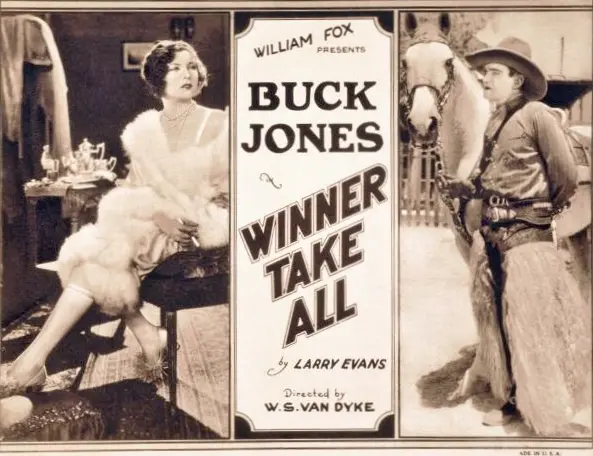
A definitive 4.3/10 rating for a film that redefined the boundaries of cult cinema. Winner Take All remains a cornerstone of transgressive art.
The cinematic landscape of 1924 was one of profound transition, a period where the rugged individualism of the frontier began to clash violently with the burgeoning artifice of industrial modernity. In Winner Take All, we witness a fascinating distillation of this cultural friction. Directed with a keen eye for physical choreography, the film serves as a vehicle for Buck Jones, an actor whose screen presence traditionally evoked the wide-open prairies rather than the claustrophobic confines of a boxing ring. This departure from his established persona provides the film with an inherent tension, as we watch a creature of the wild attempt to navigate the shark-infested waters of urban sports promotion.
The visual grammar of the film is striking, particularly in its depiction of the pugilistic sequences. Unlike the more sanitized sporting dramas of the later Hays Code era, Winner Take All leans into the sweat and grime of the ring. The cinematography captures the rhythmic brutality of the matches with a sense of immediacy that feels surprisingly contemporary. There is a palpable weight to every blow, a testament to the physicality of the era's stunt work. When compared to other films of the period, such as The Brute Master, one can see a clear evolution in how masculine aggression is framed—not merely as a destructive force, but as a disciplined art form susceptible to the corruptive influence of capital.
The plot, penned by Ewart Adamson and Larry Evans, transcends the typical 'rags-to-riches' sporting trope by introducing a pivotal moral crisis. Perry Blair’s refusal to participate in a crooked match is the thematic heartbeat of the film. In an era where the 'Black Sox' scandal was still fresh in the American psyche, this depiction of athletic purity was both a balm and a provocation. Blair’s return to the West is not a retreat, but a reclamation of self. It echoes the sentiment found in The Man Life Passed By, where the protagonist must find redemption outside the conventional structures of success.
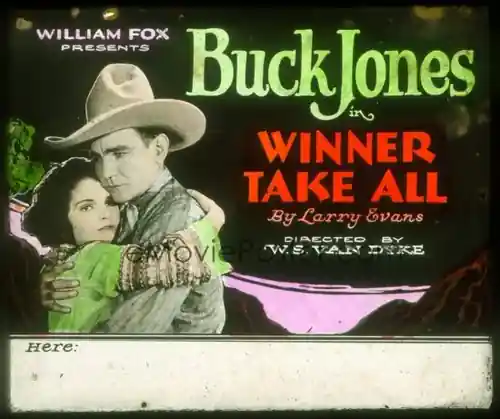
While Buck Jones anchors the film with his stoic charisma, the supporting cast provides the necessary texture to make the world of the 1920s feel lived-in. Lilyan Tashman and Anastasia Reilley offer performances that contrast the grit of the gym with the sophistication of the social elite. The chemistry between Jones and the promoter, played with a delightful sleaziness by Ben Deeley, creates a compelling dynamic of exploitation versus agency. This duality is a common thread in silent cinema, often explored in domestic comedies like Her Temporary Husband, though here it is stripped of its levity and replaced with the high stakes of physical survival.
The title itself serves as a grim commentary on the burgeoning American Dream. In the world of Perry Blair, there is no middle ground—only total victory or absolute obsolescence. This binary worldview reflects the harsh economic realities of the 1920s, a period of extreme wealth and devastating poverty. The film’s climax, the winner-take-all match, is a masterclass in suspense. The stakes are not merely financial; they are existential. Blair is fighting for his right to exist as an honest man in a world that demands duplicity. This thematic weight is what elevates the film above contemporary works like Some Judge or the more melodramatic The Burning Question.
One must also consider the technical prowess of the production. The lighting in the final fight scene utilizes high-contrast shadows to emphasize the isolation of the combatants. It is a precursor to the noir aesthetic that would dominate the 1940s. The way the light catches the perspiration on Jones’ brow and the glint in the eyes of the spectators creates an atmosphere of suffocating intensity. It is a far cry from the more ethereal lighting found in The Dreamer or the pastoral softness of Comin' Thro' the Rye.
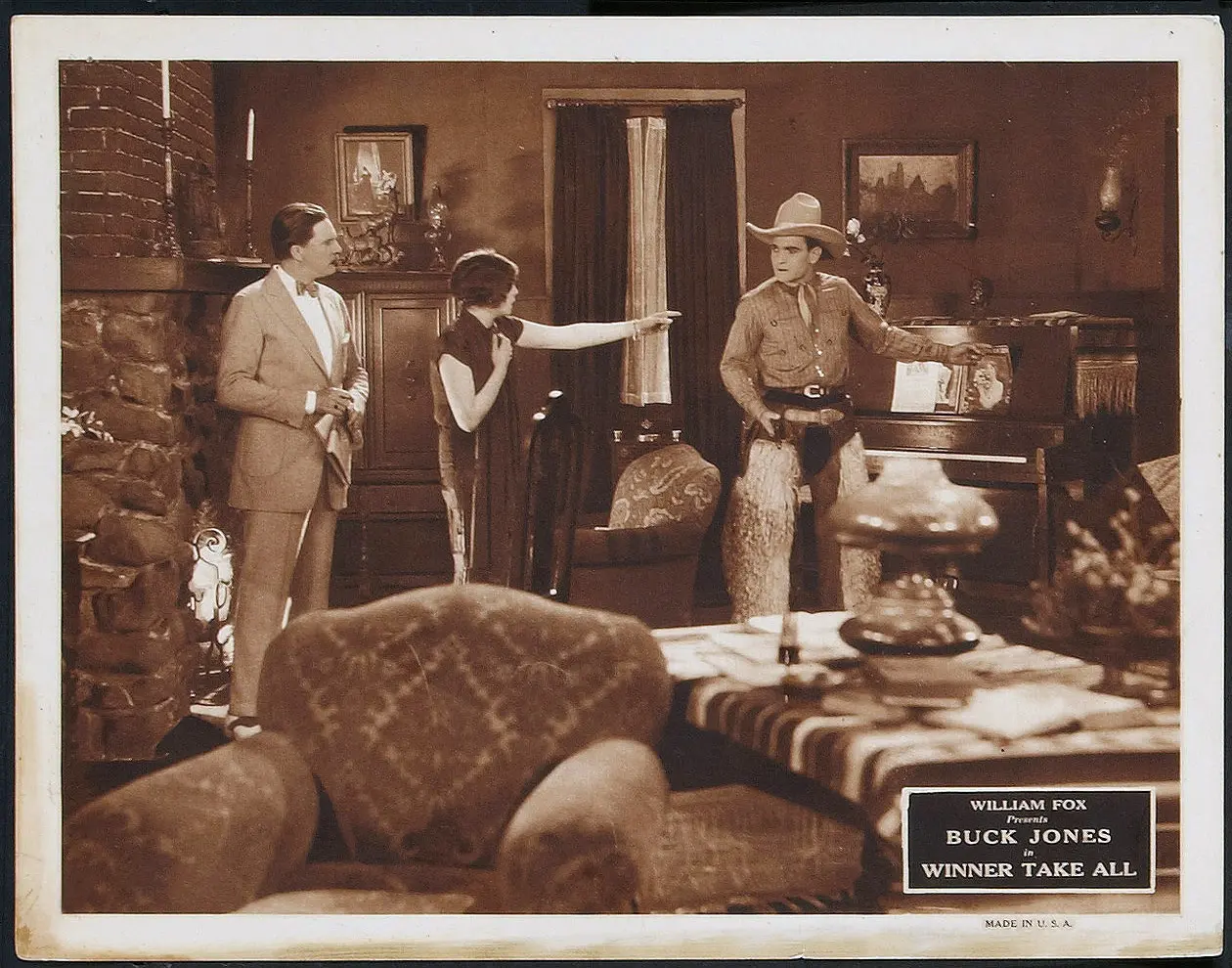
The character of Cecil Manners represents the detached curiosity of the upper class, viewing the violence of the ring as a mere diversion. The film subtly critiques this voyeurism. When Blair wins, he isn't just defeating an opponent; he is shattering Manners' preconceptions of the 'lower-class brawler.' This social commentary aligns Winner Take All with films like The Social Code, which interrogated the rigid boundaries of early 20th-century society. The triumph is as much a social victory as it is an athletic one.
Furthermore, the screenplay avoids the pitfalls of excessive sentimentality. While there is a romantic subtext, it remains secondary to the protagonist’s internal struggle. The narrative arc follows a logic of consequence rather than coincidence, a rarity in an era often defined by the 'Deus Ex Machina.' Even in its most dramatic moments, the film maintains a sense of grounded realism that distinguishes it from the more fantastical elements of Die Herrin der Welt 8. Teil.
Looking back at Winner Take All from a modern perspective, one cannot help but admire its lean, muscular storytelling. It lacks the bloat that often plagues contemporary sports dramas. Every scene serves the dual purpose of character development and narrative progression. It is a film that understands the value of silence—not just as a technical constraint, but as an emotional tool. The quiet moments of reflection when Blair is back on the ranch are just as powerful as the roar of the crowd in the Madison Square Garden-esque finale.
In comparing this work to The Right to Be Happy, we see two very different approaches to the concept of fulfillment. Where the latter seeks joy through moral rectitude and kindness, Winner Take All suggests that happiness is something that must be fought for, often literally. It is a more cynical, perhaps more honest, appraisal of the human condition. The film’s endurance in the annals of silent cinema is a testament to its universal themes and the undeniable magnetism of its lead actor.
Final Thought: Winner Take All is not merely a boxing movie; it is a cinematic treatise on the price of one's soul in an increasingly transactional world. It remains a vital piece of the 1920s filmic canon, offering a raw, unfiltered glimpse into the heart of a man who refused to be bought.
IMDb 4.7
1920
Community
Log in to comment.