DbcultAccessing Vault...
6.6/10
Senior Film Conservator
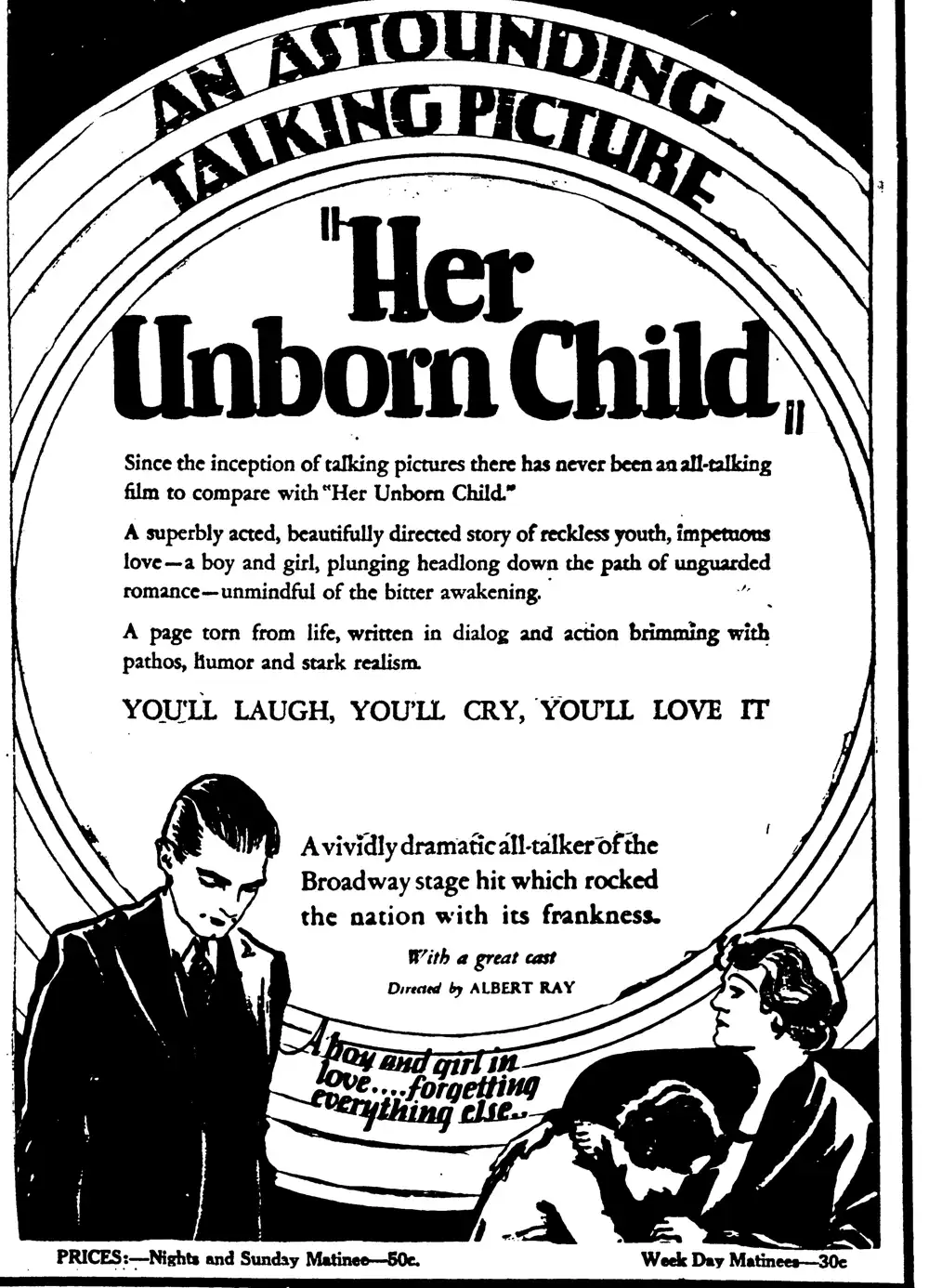
A definitive 6.6/10 rating for a film that redefined the boundaries of cult cinema. Her Unborn Child remains a cornerstone of transgressive art.
"Her Unborn Child" is definitely one for the dedicated old movie buffs, especially if you're into those really dramatic, almost theatrical tales from way back when. If you enjoy digging into how films handled big social issues decades ago, you'll find something to chew on here. But look, if you need snappy dialogue or stories that move at a modern clip, this one might feel like a bit of a slog. It’s a snapshot, really, of a certain kind of storytelling. 🕰️
The film centers on Dorothy Kennedy and her whirlwind romance with a guy named Henry, who’s unfortunately tied to his very intense aunt. This aunt, played by Adele Ronson, is just menacing in a way that feels straight out of a stage play, almost. She controls everything, and you can practically feel her grip tightening around Henry.
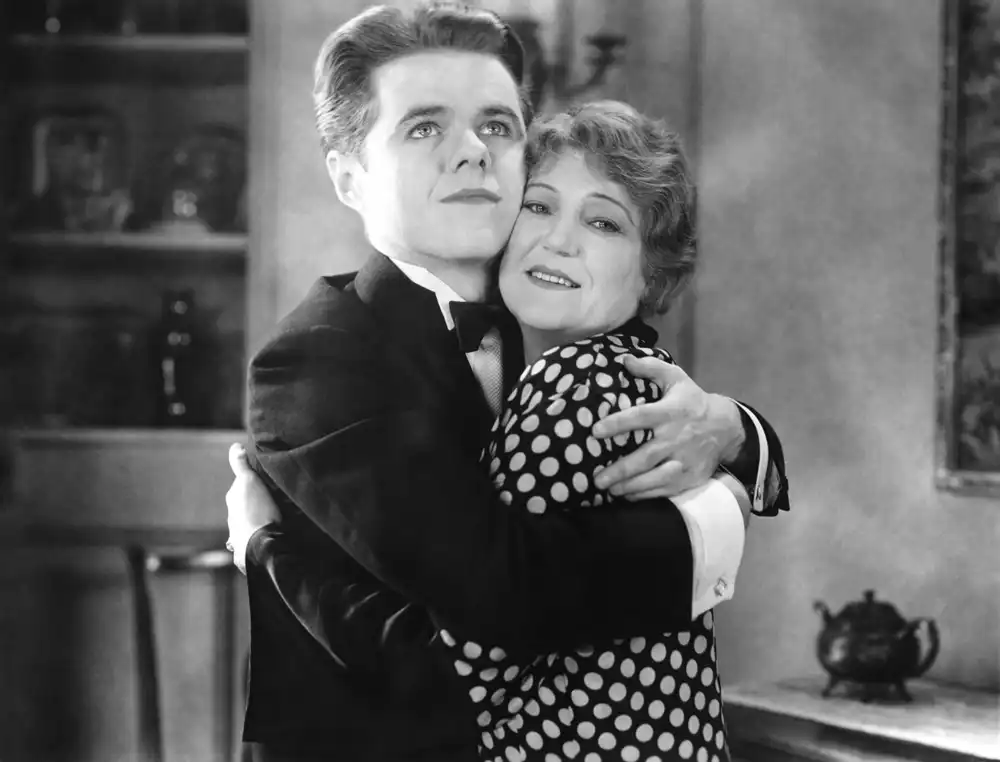
You notice it in the way she holds herself, those sharp glances. The house itself feels like it’s her domain, cold and orderly. Even the way Henry sits seems a little hunched, like he’s constantly braced for her next instruction.
The "secret" hinted at in the plot description, when it finally comes out, hits with all the subtlety of a brick through a window. Which, for a film of this era, isn't necessarily a bad thing. It's meant to shock, and it probably did back then. It really makes you think about what was considered scandalous.
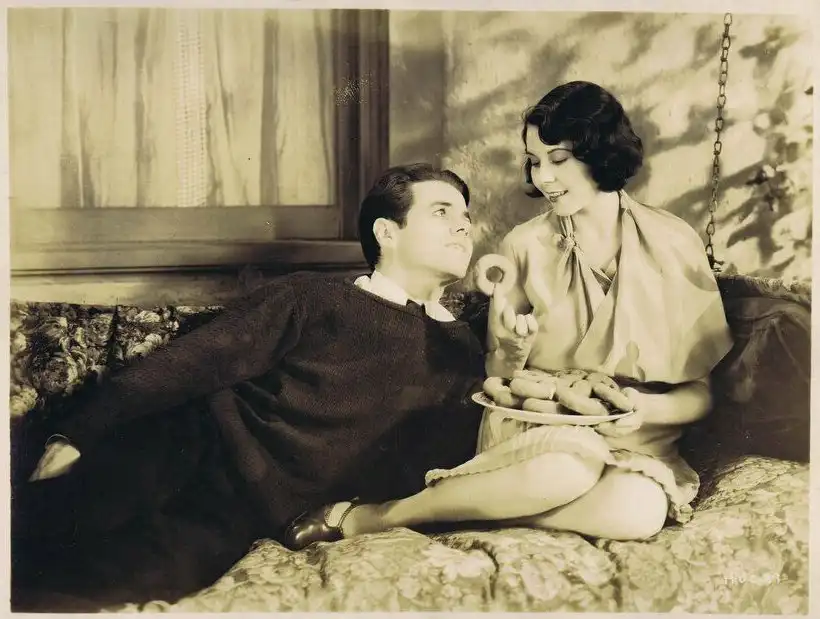
I found myself really watching Frances Miller as Dorothy. There's a scene where she's just sitting alone, after realizing what's happening, and her face holds so much. It’s not flashy acting, but you really feel her despair. That quiet moment sticks with you.
Paul Clare as Henry is... well, he’s earnest. He often looks a bit lost, caught between Dorothy and his aunt. You want to root for him, but sometimes you just wish he’d make a decision already. The whole dynamic feels very much like a play where characters are archetypes of love and control.
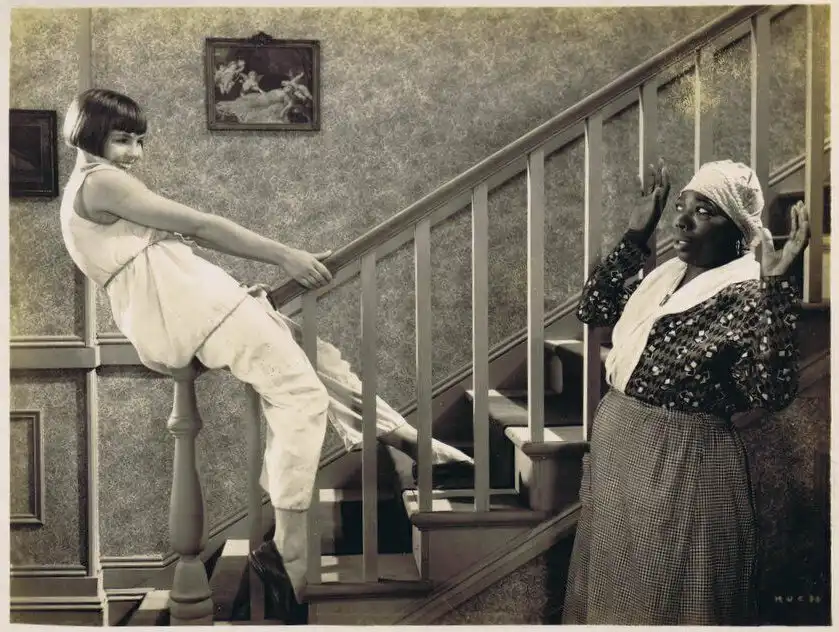
The film has these long stretches of conversation, sometimes just dialogue that feels written rather than spoken naturally. It's a common trait for movies transitioning from silent to sound, or early talkies, so you get used to it. But it does make certain scenes feel a little stiff.
One thing that genuinely surprised me was how much screen time Elisha Cook Jr. gets. He pops up in a minor role, and it's wild to see him so young, long before he became the go-to guy for twitchy, nervous characters in later classics like The Maltese Falcon. He just has a few lines, but he's already got that distinct presence. A little detail, but it made me smile. 😊 I just wonder if anyone noticed that back then.
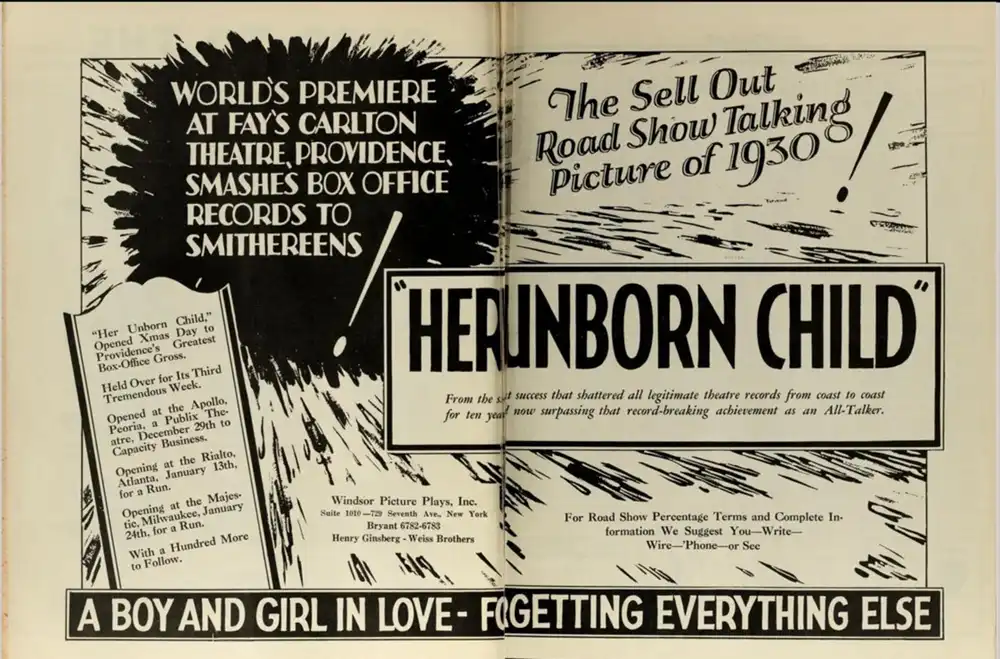
The core conflict around Dorothy's situation, without giving too much away, is handled with a lot of moralizing. The movie really wants you to understand the gravity of it all. It’s less about empathy sometimes, and more about showing the "consequences." The ending ties things up in a way that feels a little too neat, a little too much like a lesson. You can almost feel the movie trying to convince you this moment matters.
But even with its flaws, the film offers a glimpse into how society viewed these kinds of personal dramas. The way characters react, the subtle judgments in their expressions, it’s all very telling. It almost feels like a historical document. The clothes, the way people move... it’s a whole different world.
Some of the camera work is pretty standard, but there are a few shots that stand out. There’s one where the aunt is framed almost like a giant shadow over Henry, which visually sells her power over him without a single word. That was a neat touch. Another moment, a close-up on a telegram, felt surprisingly impactful.
The pacing can be a bit challenging. There are moments where you feel like a scene could have been trimmed by a minute or two, especially during some of the more intense arguments. The silence between lines sometimes stretches just a bit too long, not quite creating tension, but just... silence. Like, about 10 seconds too long.
Ultimately, "Her Unborn Child" isn’t going to blow anyone’s mind today with its technical prowess or nuanced storytelling. It’s an interesting watch for what it represents: a certain kind of melodramatic storytelling tackling very real issues, often with a heavy hand. It’s imperfect, sure, but it’s authentically imperfect. And sometimes, that’s exactly what you’re looking for. A little window into film history.
IMDb 5.8
1934
Community
Log in to comment.