DbcultAccessing Vault...
5.4/10
Senior Film Conservator
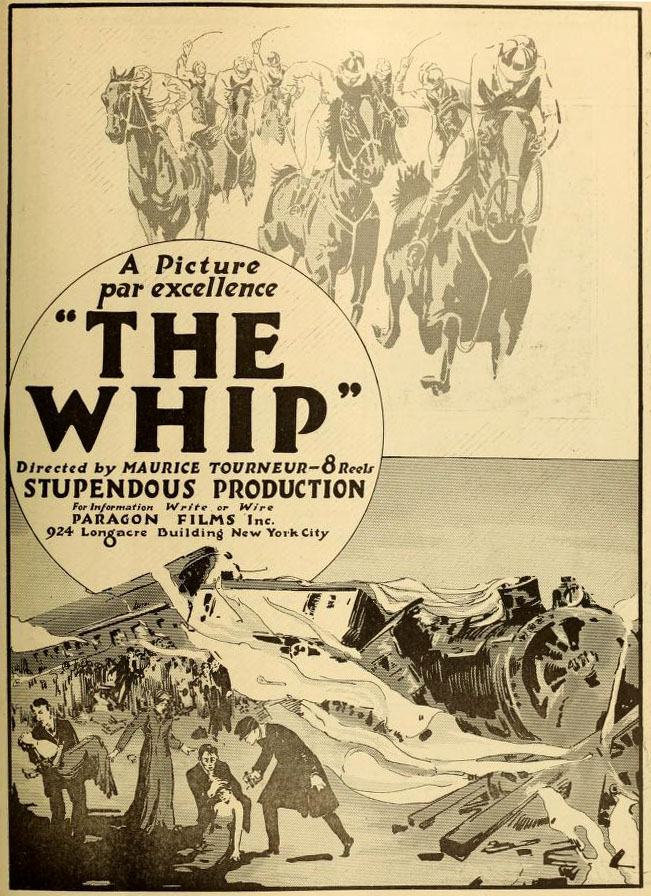
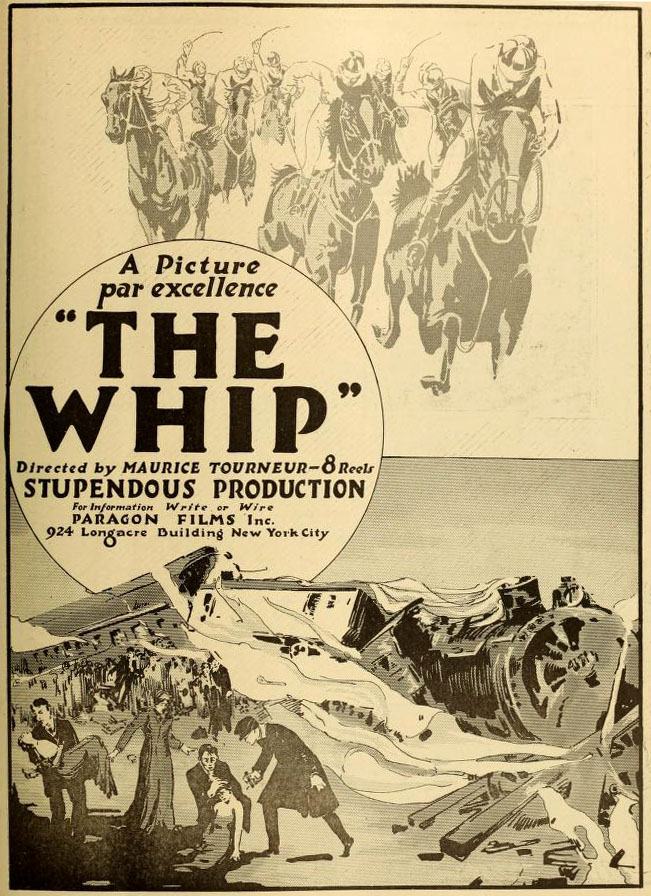
A definitive 5.4/10 rating for a film that redefined the boundaries of cult cinema. The Whip remains a cornerstone of transgressive art.
Stepping back into the flickering glow of a century-old projector, one encounters a cinematic artifact like 'The Whip,' a 1917 silent film that masterfully blends the high-octane drama of the racetrack with the intricate machinations of a classic melodrama. Directed by Maurice Tourneur, though often uncredited, this picture, adapted from the hugely popular stage play by Henry Hamilton, Charles E. Whittaker, and Cecil Raleigh, represented a significant undertaking for its era. It wasn't just a film; it was an event, promising grand spectacle and visceral thrills, a testament to the burgeoning power of cinema to transport audiences into worlds both familiar and fantastically heightened. The enduring appeal of horses, especially racehorses, as symbols of grace, power, and untamed spirit, provided a fertile ground for storytelling, and 'The Whip' capitalizes on this innate fascination with remarkable efficacy. It's a journey into a bygone era of filmmaking, yet its core themes resonate with a timeless quality that still captivates.
At its heart, 'The Whip' unfurls a convoluted, yet utterly engaging, plot. We are introduced to the magnificent equine protagonist, a racehorse of unparalleled pedigree and potential, simply known as The Whip. This creature is not merely an animal; it is a catalyst, a symbol, and a crucial player in the unfolding drama. Its fate is inextricably linked to that of an aristocratic young man, a nobleman (portrayed with earnest conviction by Irving Cummings) who finds himself adrift in a fog of amnesia. His past is a blank slate, his identity a puzzle piece missing from the grand tapestry of his life. Yet, despite this profound cognitive rupture, an intuitive, almost spiritual connection binds him to The Whip. This bond is more than mere affection; it’s an unspoken understanding, a shared destiny that transcends the rational.
Against this backdrop of noble amnesia and equine grace, a shadowy cabal of villains emerges, their intentions as murky as a winter's night. These nefarious characters, driven by avarice and a lust for power, are determined to prevent The Whip from competing in a pivotal race. Their motives are manifold: to usurp the nobleman's inheritance, to silence his potential rediscovery of his past, and to generally sow discord and chaos for their own illicit gains. The narrative thus becomes a thrilling race against time, not just on the track, but in the psychological landscape of the amnesiac and the moral battleground where good confronts evil. The film excels in building suspense, relying on visual cues and the compelling performances of its cast to convey the urgency and danger inherent in every twist and turn. One might draw a parallel to the intricate plotting seen in other melodramas of the era, such as The Vital Question, where personal stakes are amplified by external threats, or even the grand scale of villainy in The Black Crook, albeit with a more grounded, albeit still theatrical, approach here.
In the silent era, the burden of storytelling rested heavily on the shoulders of the actors. Their expressions, gestures, and physical presence had to articulate entire dialogues, convey complex emotions, and drive the plot forward without the aid of spoken words, save for the intertitles. Irving Cummings, as the amnesiac nobleman, delivers a performance imbued with a poignant vulnerability and a quiet determination. He navigates the labyrinth of his character's fractured mind with commendable subtlety, making his connection to The Whip feel genuinely profound rather than merely a plot device. Alma Hanlon, likely playing the heroine who champions his cause, exudes a strength and compassion that grounds the more fantastical elements of the story. Her portrayal provides an emotional anchor, a beacon of hope amidst the encroaching shadows of the antagonists.
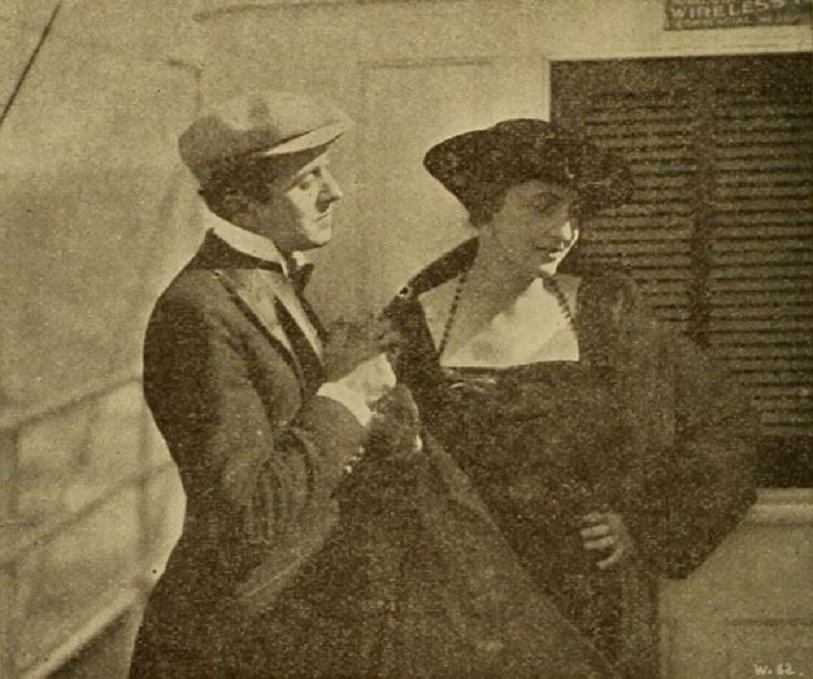
The villains, a crucial component of any melodrama, are brought to life by actors such as Alfred Hemming and Jean Dumas, alongside Dion Titheradge, June Elvidge, Warren Cook, and Paul McAllister. Their collective efforts create a palpable sense of menace and deceit. Without dialogue, their nefariousness must be communicated through exaggerated sneers, furtive glances, and menacing posturing, all of which are executed with the theatrical flair characteristic of the period. This ensemble manages to embody the archetypal antagonists without descending into pure caricature, maintaining a degree of sinister credibility. The interactions between these characters, though silent, are charged with tension, demonstrating the actors' skill in non-verbal communication. In a period where over-the-top acting was often the norm, 'The Whip' manages to strike a fine balance, giving its characters enough dramatic weight to carry the narrative without becoming overly farcical.
The adaptation of a popular stage play to the cinematic medium presents its own unique set of challenges and opportunities. Maurice Tourneur, a director celebrated for his visual artistry and innovative techniques, was adept at translating theatrical grandeur into cinematic spectacle. The film's depiction of the race itself is a standout sequence, a tour de force of early filmmaking. The dynamic camera work, though rudimentary by today's standards, effectively conveys the speed, power, and danger of the horses thundering down the track. The editing is brisk, building tension through rapid cuts and close-ups, immersing the audience in the heart-pounding action. This attention to detail in staging and capturing such a pivotal event showcases the nascent sophistication of silent film production. It's a far cry from the more static, stage-bound cinematography of earlier works, demonstrating a clear understanding of cinema's unique ability to capture movement and energy.
The use of sets and locations also contributes significantly to the film's immersive quality. From the opulent interiors of the nobleman's estate to the vast expanses of the racetrack, each setting is meticulously designed to enhance the narrative. The contrast between the gilded cages of aristocracy and the open, perilous world of professional racing adds layers to the story, mirroring the internal struggles of the characters. The visual storytelling extends beyond mere plot progression; it creates atmosphere, foreshadows events, and reinforces character motivations. This visual richness is a hallmark of Tourneur's style, often seen in his other works, and sets 'The Whip' apart as more than just a simple adaptation. The ambition in its production design and execution echoes other large-scale silent productions like The Pageant of San Francisco, though here the focus is on a more intimate, character-driven drama rather than historical reconstruction.
Beyond the thrilling races and the dastardly plots, 'The Whip' delves into profound human themes. The amnesia of the nobleman serves as a potent metaphor for the fragility of identity and the human need for self-discovery. His journey is not just about regaining his memory, but about reclaiming his place in the world, asserting his true self against the forces that seek to erase him. This quest for identity resonates deeply, tapping into universal anxieties about who we are and where we belong. The steadfast loyalty of The Whip, the horse, to its human companion is another central theme, highlighting the powerful, often unspoken, bonds that can form between species. This loyalty stands in stark contrast to the treachery of the villains, creating a clear moral dichotomy that drives much of the film's emotional impact. It’s a testament to the idea that true allegiance can be found in unexpected places, and that sometimes, an animal's devotion surpasses human fidelity.
The film also explores the perennial struggle for justice. The villains' attempts to manipulate and undermine the nobleman's rightful claim are met with a tenacious fight for what is right. This narrative arc, common in melodramas, provides a satisfying resolution, reaffirming the belief that virtue will ultimately triumph over vice. The stakes are high, not just for the characters involved, but for the very fabric of moral order that the film posits. This exploration of justice and retribution can be seen in other contemporary films such as The Social Leper, which grapples with societal judgments and the search for redemption, or A Man's Making, focusing on character development through adversity. 'The Whip' employs these familiar motifs but imbues them with the unique flavor of its racing setting, making the pursuit of justice a literal race to the finish line.
To fully appreciate 'The Whip' today requires a certain willingness to engage with the conventions of silent cinema. The pacing, the acting styles, the reliance on intertitles – these elements are distinct from modern filmmaking. Yet, within these constraints, 'The Whip' achieves a remarkable level of dramatic intensity and visual flair. It stands as a powerful example of how early filmmakers, despite technological limitations, were able to craft compelling stories that resonated deeply with audiences. The film's success at the time was a testament to its ability to tap into universal emotions and deliver thrilling entertainment. It’s a snapshot of an era when cinema was rapidly evolving, pushing the boundaries of what was thought possible in visual storytelling.
The writers, Henry Hamilton, Charles E. Whittaker, and Cecil Raleigh, deserve commendation for creating a narrative that, while perhaps melodramatic by modern sensibilities, was perfectly attuned to the tastes of its time. Their ability to weave together disparate elements – amnesia, horse racing, villainy, and romance – into a cohesive and exciting whole is a testament to their storytelling prowess. The film's influence, though perhaps not as overtly discussed as some of its more avant-garde contemporaries, lies in its contribution to the popularization of genre filmmaking and its demonstration of how spectacle could be married with character-driven drama. It paved the way for countless racing dramas and tales of perseverance against overwhelming odds. When viewed alongside other dramatic works of its period, such as The Sin of a Woman or Blue Blood and Red, 'The Whip' distinguishes itself through its unique blend of human and animal drama, elevating the horse from mere prop to a central figure of agency and emotional resonance. It’s a film that, despite its age, still possesses a vibrant energy, reminding us of the enduring power of a well-told story and the magic of early cinema.
'The Whip' is more than just a historical curiosity; it is a compelling piece of silent cinema that offers a rich tapestry of drama, suspense, and heartwarming loyalty. Its intricate plot, memorable performances, and innovative direction for its time combine to create a truly engaging experience. For aficionados of silent film, or indeed anyone interested in the evolution of cinematic storytelling, 'The Whip' provides a fascinating glimpse into the artistic and technical achievements of an earlier era. It reminds us that long before advanced CGI or complex sound design, filmmakers possessed the ingenuity and passion to transport audiences and evoke powerful emotions. So, if you ever find yourself yearning for a journey back to the golden age of silent pictures, consider saddling up with 'The Whip'. It's a ride that's both exhilarating and surprisingly touching, a testament to the timeless allure of a good story, a noble animal, and the triumph of spirit against adversity. Its narrative, though rooted in the theatrical conventions of its time, still manages to create a visceral impact, proving that some stories are simply too potent to be confined by the passage of time or the absence of spoken dialogue. It's a film that continues to speak volumes without uttering a single word, inviting us to listen with our eyes and feel with our hearts.

IMDb 5.8
1929
Community
Log in to comment.