DbcultAccessing Vault...
7/10
Senior Film Conservator
A definitive 7/10 rating for a film that redefined the boundaries of cult cinema. Heroic Ambrose remains a cornerstone of transgressive art.
Stepping into the effervescent world of early silent cinema, one often encounters a delightful concoction of exaggerated physical comedy, nascent narrative structures, and an unbridled enthusiasm for the moving image. 'Heroic Ambrose,' a short film from an era brimming with cinematic experimentation, serves as a quintessential example of this period's charming simplicity and burgeoning comedic genius. It's a film that, despite its brevity and straightforward premise, encapsulates a certain innocent joy and a foundational approach to storytelling that laid the groundwork for decades of cinematic humor. The film’s narrative, while ostensibly uncomplicated, provides a fascinating glimpse into the societal norms and comedic sensibilities of the early 20th century, particularly regarding courtship, public propriety, and the often-hilarious consequences of male romantic pursuits. The beach setting itself, a common backdrop for early comedies, allowed for a certain liberation of character and action, a departure from the more rigid confines of domestic or urban environments. This freedom is palpable in the film's playful spirit, inviting audiences to revel in the uninhibited escapades unfolding on screen.
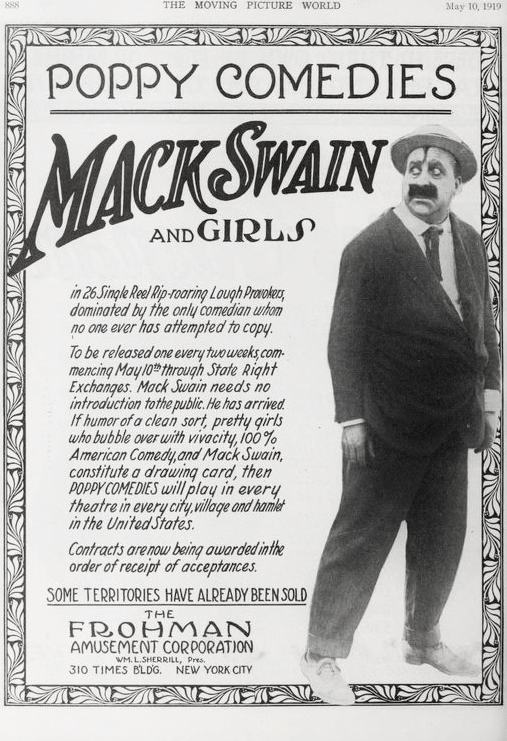
At the heart of 'Heroic Ambrose' is Mack Swain, a towering figure in early comedy, both literally and figuratively. His portrayal of Ambrose is a masterclass in silent-era physical acting, relying on his formidable stature and expressive face to convey a spectrum of emotions, from lovelorn longing to boisterous abandon. Swain, with his signature walrus mustache and often bewildered or blustery demeanor, was a comedic force, a character actor whose presence alone could elicit chuckles. Here, he embodies the archetype of the well-meaning but often clumsy suitor, whose romantic overtures are perpetually thwarted or comically misdirected. His initial rejection by his sweetheart's formidable mother is not just a plot point; it's a testament to the power dynamics and social expectations of the time, where maternal approval was often paramount. Yet, Ambrose’s resilience, his swift pivot to finding new companionship, speaks volumes about the character's indomitable spirit and the film's lighthearted approach to romantic setbacks. This kind of character resilience, often seen in contemporaries, underscores a universal human trait: the pursuit of happiness despite obstacles, often leading to unexpectedly humorous outcomes.
The film’s opening sequence, depicting Ambrose’s initial romantic entanglement and subsequent dismissal, is a study in efficient visual storytelling. Without a single spoken word, the audience grasps the predicament: a young man's affections are deemed unsuitable by a disapproving parent. Lottie Cruz, as Ambrose's sweetheart, embodies the demure innocence often attributed to leading ladies of the era, though her role is largely reactive. It is the mother, however, who provides the initial comedic impetus for Ambrose's subsequent adventures, her stern disapproval acting as the catalyst for the entire plot. This dynamic, where a supporting character's action directly propels the protagonist into a new, often more chaotic, scenario, is a common comedic device that allows for rapid shifts in tone and setting. Once freed from this restrictive gaze, Ambrose's transformation is immediate and joyous. He sheds the mantle of the rejected suitor and embraces the role of the enthusiastic participant in beachside merriment, illustrating a fundamental comedic principle: the release from constraint often leads to the most exuberant and memorable antics.
The transition from romantic rejection to a frolic with a bevy of bathing beauties is where 'Heroic Ambrose' truly leans into its comedic potential. The beach becomes a stage for uninhibited play, a canvas for slapstick and flirtation. The bathing beauties, a common visual motif in early cinema, represent a carefree, modern sensibility, a stark contrast to the conservative mother. Their presence allows for a vibrant display of physical comedy, from playful splashing to mock chases, all orchestrated with a charming amateurishness that is characteristic of the era. The collective joy of these scenes is infectious, drawing the audience into the spontaneous delight of the characters. This sequence, in particular, highlights the film's ability to create a sense of escapism, offering viewers a momentary reprieve from the more rigid social codes of their daily lives. The sheer exuberance of the frolicking, a kind of innocent bacchanalian revelry, underscores the film's primary goal: to entertain and amuse through spectacle and lighthearted chaos.
The narrative takes an unexpected turn with the sinking of a boat, introducing an element of surprise and escalating the comedic stakes. This sudden mishap transforms the lighthearted frolic into a minor crisis, albeit one still infused with comedic potential. The shift from playful splashing to genuine, if exaggerated, distress provides a comedic climax, forcing Ambrose and his companions to contend with an unforeseen challenge. This plot device, where a seemingly innocuous object or activity leads to unforeseen chaos, is a hallmark of silent comedy, perfectly exemplified in films like His Musical Sneeze, where a simple bodily function spirals into widespread disruption. The boat sinking in 'Heroic Ambrose' serves a similar purpose, creating a focal point for the characters' reactions and allowing for further physical comedy as they attempt to salvage the situation. It's a moment that reminds us that even in the most carefree settings, unforeseen complications can arise, often with hilarious results.
From a directorial standpoint, the film, like many shorts of its time, likely prioritized action and visual gags over intricate character development or complex thematic exploration. The cinematography, while rudimentary by modern standards, effectively captures the broad physical comedy, often employing wide shots to ensure all the action is visible to the audience. Editing would have been functional, designed to maintain a brisk pace and transition smoothly between scenes, guiding the viewer through the narrative without linger. The choice of a beach setting was not merely aesthetic; it provided ample space for movement and interaction, essential for a film heavily reliant on physical comedy. The natural light and open environment also contributed to the film's bright, optimistic tone, a common characteristic of early comedies designed to offer escapism and simple amusement. This simplicity in production often belies the ingenuity required to create engaging content with limited resources, a testament to the pioneering spirit of early filmmakers.
Comparing 'Heroic Ambrose' to other films of its era, we can observe recurring themes and comedic structures. For instance, the portrayal of everyday life and its inherent humor, as seen in the antics of Ambrose, resonates with the observational comedy present in shorts like The Corner Grocer, which finds humor in mundane situations. The social dynamics and comedic misunderstandings, while less pronounced here, echo the intricate character interactions found in films such as Upstairs and Down, which explores class distinctions through a comedic lens. 'Heroic Ambrose' also shares a certain spirit of unbridled fun and a playful disregard for convention with other early comedies, where the primary goal was to elicit laughter through spectacle and physical performance. The film's unassuming charm lies in its ability to transport viewers to a simpler time, where a man's pursuit of happiness, however clumsy, could provide genuine amusement.
The legacy of films like 'Heroic Ambrose' extends beyond their immediate entertainment value. They serve as invaluable historical documents, showcasing the nascent stages of cinematic language and the evolution of comedic timing. Mack Swain, in particular, left an indelible mark on the industry, influencing subsequent generations of comedians with his unique blend of pathos and slapstick. His ability to convey complex emotions through gesture and facial expression, without the aid of dialogue, is a testament to the power of silent acting. The film's unpretentious approach to storytelling—a simple premise, a clear conflict, and a resolution driven by character action—remains a foundational blueprint for narrative construction even today. It reminds us that sometimes, the most profound cinematic experiences can emerge from the most straightforward narratives, proving that the essence of good storytelling transcends technological advancements. The enduring appeal of these early shorts lies in their pure, unadulterated joy and their foundational contribution to the art form.
Ultimately, 'Heroic Ambrose' stands as a delightful artifact from the dawn of cinema, a charming example of how early filmmakers captivated audiences with simple yet effective comedic scenarios. It's a testament to the universal appeal of slapstick and the enduring power of a well-executed visual gag. While it may lack the intricate plots or sophisticated character arcs of later films, its historical significance and unadulterated entertainment value are undeniable. It's a film that invites us to appreciate the foundational elements of comedy, reminding us that laughter often springs from the most unexpected and human of predicaments. The film, in its brief but impactful run, solidifies its place not just as a piece of cinematic history, but as a vibrant, chuckle-inducing experience that continues to resonate with those who appreciate the roots of film comedy. Its simple premise belies a profound understanding of human nature and the inherent humor in our daily struggles and triumphs, making it a timeless piece of early cinematic art.
IMDb —
1925
Community
Log in to comment.