DbcultAccessing Vault...
Cult Review
Senior Film Conservator
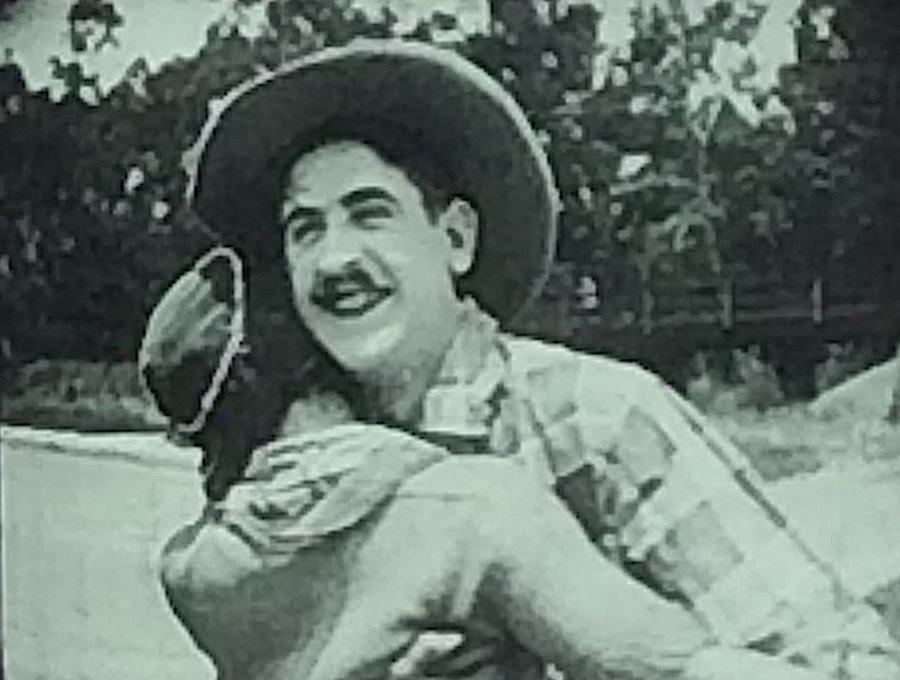
Stepping back into the annals of cinematic history, one often unearths hidden gems that, despite their age, possess an enduring, almost effervescent charm. 'Winner Take All' is precisely such a discovery—a delightful, if somewhat obscure, silent comedy from the prolific mind of Hal Roach. Released in an era when the silver screen was just beginning to truly captivate mass audiences, this film, like many of its contemporaries, offers a fascinating glimpse into the comedic sensibilities and narrative structures that laid the groundwork for generations of filmmakers to come. It's a testament to the simple power of visual storytelling, where exaggerated expressions, physical gags, and the sheer absurdity of a situation could elicit genuine laughter without a single uttered word.
Hal Roach, a name synonymous with some of the greatest comedic talents of the silent and early sound eras—Laurel and Hardy, Harold Lloyd—lends his inimitable touch as a writer to 'Winner Take All'. His influence is palpable throughout, evident in the film's deft pacing, its commitment to escalating comedic scenarios, and an overarching sense of playful mischief. Unlike the more dramatic narratives of the time, such as the intense social commentary found in Patriotism or the stark realism of Uden Fædreland, Roach's work consistently aimed for pure, unadulterated entertainment. He understood the rhythm of slapstick, the timing required for a sight gag to land perfectly, and the inherent humor in characters striving against seemingly insurmountable, often ludicrous, odds.
The plot of 'Winner Take All' is, at its heart, a classic romantic comedy setup, but filtered through the peculiar lens of early 20th-century American leisure and competition. The Clear Valley Country Club's annual tournament isn't just about athletic prowess; it's a high-stakes affair where the ultimate prize isn't merely a trophy, but the hand of the president's daughter. This kind of chivalric, almost medieval, quest for a bride, albeit in a modern setting, was a popular trope, echoing similar themes of romantic pursuit and societal expectations seen in films like The Prince of Avenue A or even the more dramatic implications of choice in Should She Obey?. It establishes a clear goal for our protagonist, Paul, and imbues the ensuing contests with a delightful, if exaggerated, sense of urgency.
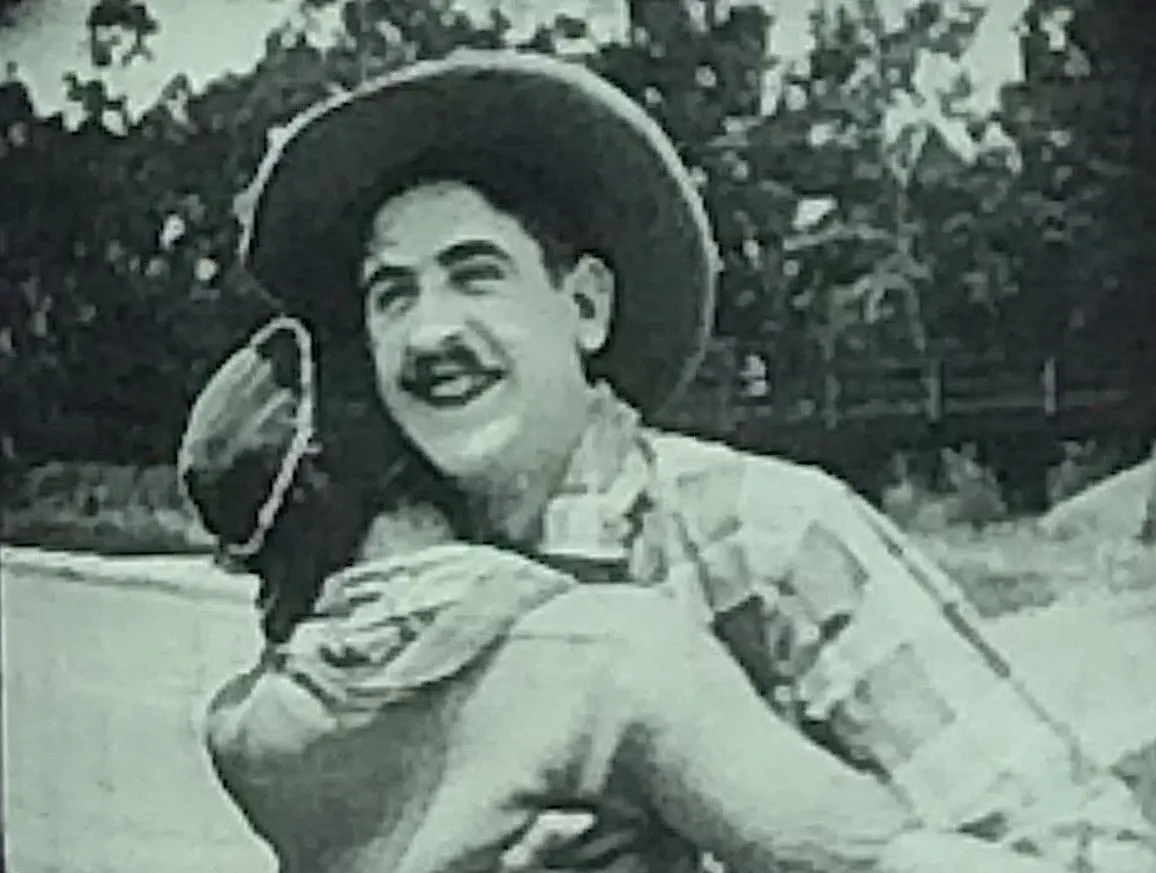
Our hero, Paul, portrayed with a charming everyman quality by James Parrott, initially finds himself in a rather unenviable position. He's up against the reigning champion, a formidable, perhaps even arrogant, figure whose proficiency in the more conventional athletic pursuits—golf and driving—places Paul at a significant disadvantage. The golf sequences, undoubtedly filled with the kind of frustrated swings, errant shots, and unexpected encounters with hazards that became staples of silent comedy, would have resonated with anyone who's ever struggled with the sport. Similarly, the driving contest, likely a chaotic display of early automotive antics, would have provided a thrilling, if slightly dangerous, spectacle. These initial failures establish Paul as the underdog, garnering audience sympathy and setting the stage for a climactic comeback.
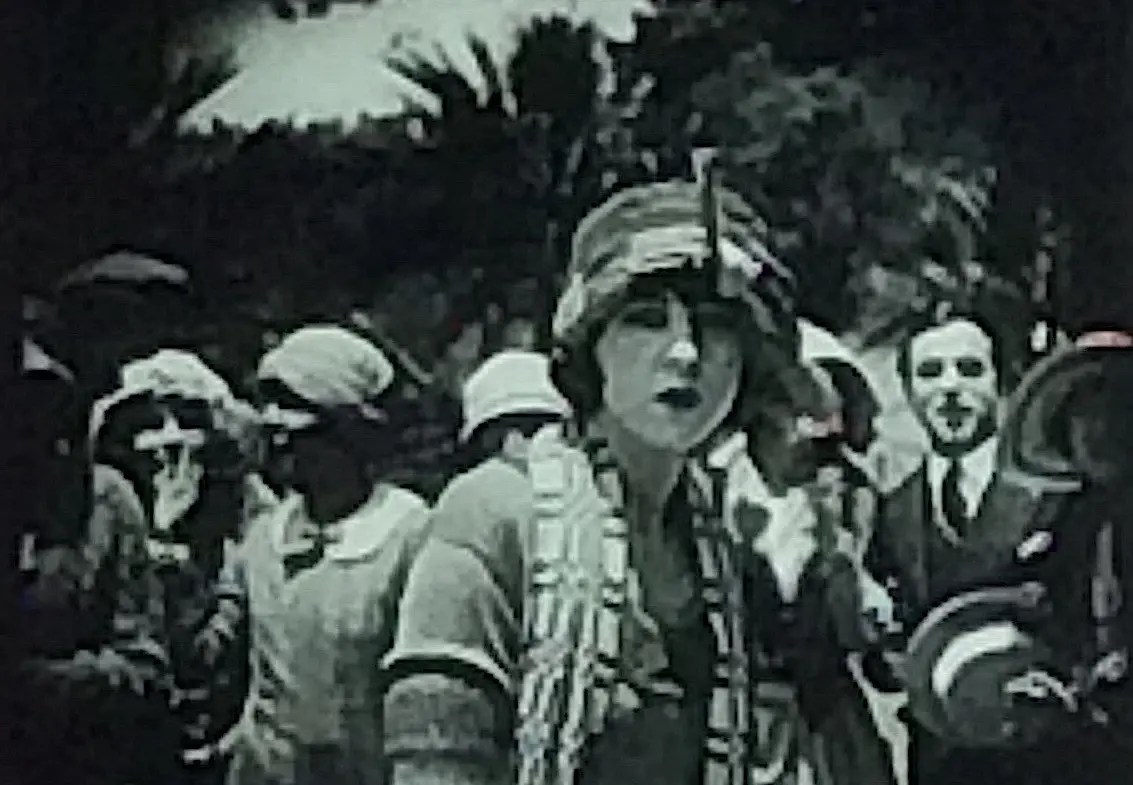
The casting of Jobyna Ralston, a popular leading lady of the era known for her sweet demeanor and expressive eyes, adds another layer of appeal. As the president's daughter, she embodies the prize, the object of Paul's affections and aspirations. Her presence would have provided a romantic anchor amidst the comedic chaos, much like the compelling female leads in films such as Gigolette or Three Weeks, though 'Winner Take All' leans heavily into lightheartedness rather than dramatic romance. Her reactions to Paul's struggles and eventual triumph would have been key to the film's emotional resonance, however subtle.
The true genius, and indeed the most memorable aspect, of 'Winner Take All' lies in its third and decisive contest: the Pogo race. This is where the film veers delightfully into the realm of the utterly absurd, a hallmark of Roach's comedic sensibilities. The Pogo stick, a relatively novel invention at the time, would have been inherently humorous, a symbol of youthful exuberance and awkward locomotion. But it's the unforeseen intervention of a goat that elevates this sequence from mere slapstick to a stroke of comedic brilliance. The goat, a creature not typically associated with competitive sports, becomes Paul's unwitting, yet crucial, ally. Its presence transforms the race into a chaotic ballet of bouncing, bleating, and desperate triumph.
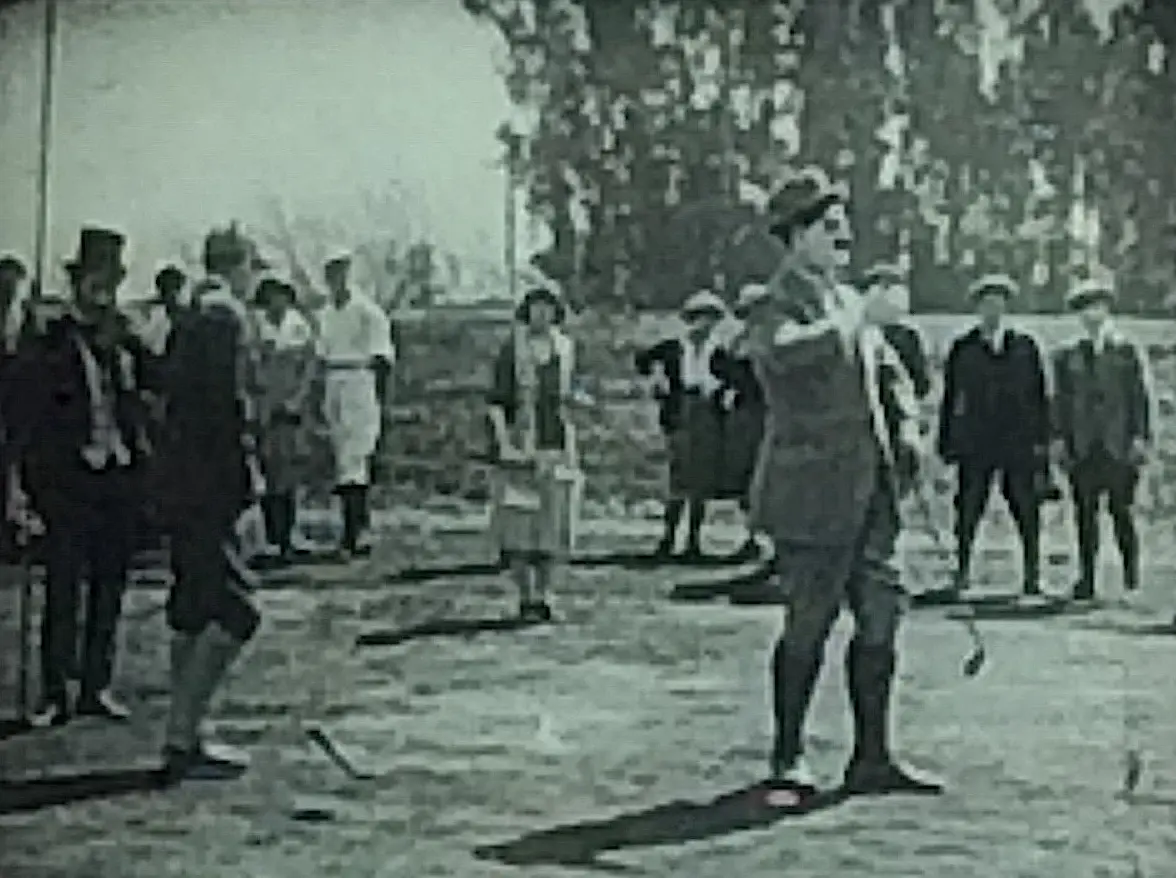
This kind of unconventional resolution, where victory is snatched from the jaws of defeat through an utterly improbable means, is a staple of silent comedy. It speaks to a profound understanding of comedic timing and the audience's willingness to suspend disbelief for the sake of a good laugh. The goat's role is not just a random gag; it's the lynchpin of the narrative, a symbol of how fortune favors the bizarre. One can easily imagine the visual humor—Paul struggling on his pogo stick, the champion perhaps mocking him, only for the goat to cause some kind of disruption, perhaps tripping the champion, or inadvertently propelling Paul forward. This element of animal-assisted chaos brings to mind the unpredictable nature of life itself, a theme that, while played for laughs here, can also be seen in the more dramatic twists of fate in films like The Last of the Mafia, albeit with vastly different tonal implications.
'Winner Take All', with its simple premise and uproarious execution, reminds us of the foundational elements of screen comedy. It's a film that prioritizes physical humor, expressive performances, and a clear, compelling narrative arc, even if that arc is propelled by a goat on a pogo stick. The performances by James Parrott and Jobyna Ralston, along with supporting players like Chet Brandenburg and Eddie Baker, would have relied heavily on pantomime and exaggerated gestures to convey emotion and intent, a skill perfected by silent film actors. This form of communication, devoid of dialogue, often created a more visceral and universal appeal, transcending language barriers in a way that perhaps even modern cinema sometimes struggles to achieve. It’s a stark contrast to the intricate psychological dramas of the era like Die Hexe, demonstrating the vast spectrum of storytelling available even without synchronized sound.
The film also serves as a charming historical document, reflecting the leisure activities and social milieu of the 1920s. Country clubs, golf, early automobiles, and even the novelty of the Pogo stick all paint a vivid picture of a particular moment in American culture. While it doesn't delve into the profound social commentary of a film like Turn to the Right, it nevertheless captures a slice of life, albeit a highly stylized and comedic one. Its lightheartedness offers a pleasant escape, much like the escapist adventure of Amazonas, Maior Rio do Mundo, but in a completely different geographical and narrative context. The joy of silent films often lies in this ability to transport viewers to a simpler, yet endlessly inventive, cinematic landscape.
In an age where cinematic storytelling often leans towards complex narratives and cutting-edge special effects, 'Winner Take All' stands as a delightful reminder of the fundamental power of character, conflict, and well-executed physical comedy. It’s a film that, despite its simplicity, manages to evoke genuine smiles and appreciation for the craft of early moviemaking. The resourcefulness of Paul, culminating in his goat-assisted triumph, is a timeless narrative of the underdog prevailing through unconventional means, a theme that resonates across genres and eras. We see echoes of this struggle and eventual victory, albeit in far more dramatic contexts, in films like The Barbarian or the intricate plots of Los misterios de Barcelona.
The absence of dialogue forces a reliance on visual cues and the sheer physicality of the performers, an art form that reached its zenith in the silent era. Every gesture, every facial expression, every pratfall had to be meticulously choreographed and executed to convey the intended emotion or comedic beat. This meticulousness, combined with Roach's keen understanding of what made audiences laugh, ensures that 'Winner Take All' remains a vibrant and engaging experience, even for modern viewers. It's a testament to the fact that genuine humor, regardless of technological advancements, always finds a way to shine through.
Considering the landscape of films from this period, 'Winner Take All' sits comfortably within the tradition of popular entertainment, offering a respite from the more serious fare. It contrasts sharply with the gritty realism or dramatic gravitas found in something like The Exiles or the journey depicted in The Purple Highway, cementing its place as a pure, lighthearted diversion. It reminds us that cinema, from its earliest days, has always served multiple purposes, from profound artistic expression to simple, joyous escapism. And in the realm of the latter, a film like 'Winner Take All', with its charming cast and an unforgettable goat, certainly holds its own, proving that sometimes, the most unexpected elements yield the greatest comedic rewards. It's a miniature masterpiece of mirth, a delightful curio that deserves a renewed appreciation for its unassuming brilliance and its ability to still bring a smile to faces nearly a century later.
IMDb 6.3
1921
Community
Log in to comment.