DbcultAccessing Vault...
6.6/10
Senior Film Conservator
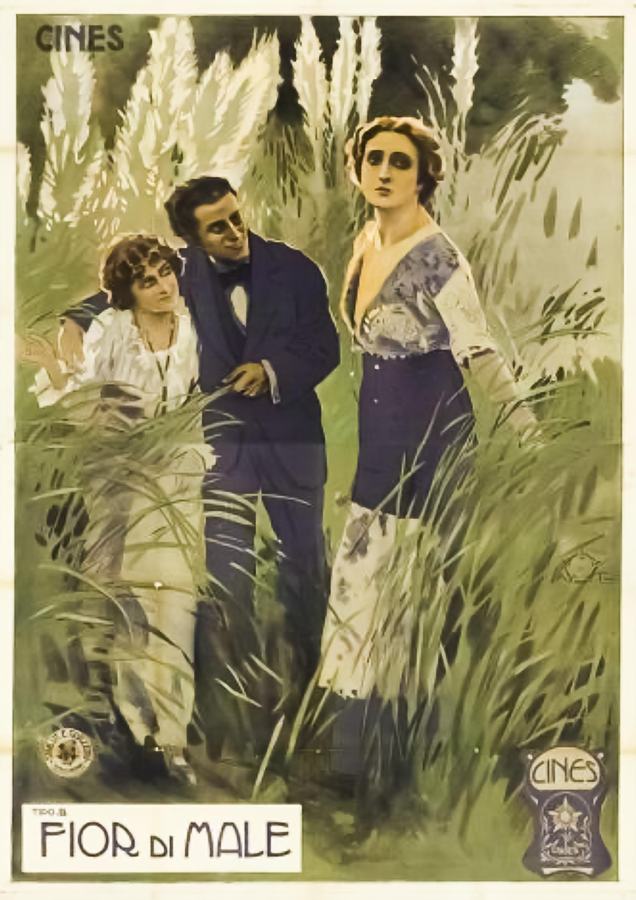
A definitive 6.6/10 rating for a film that redefined the boundaries of cult cinema. Fior di male remains a cornerstone of transgressive art.
In the annals of early cinematic history, certain films emerge not merely as entertainment but as stark, unflinching mirrors reflecting the societal anxieties and moral quandaries of their era. Nino Oxilia's Fior di Male, a silent masterpiece, stands as a haunting testament to this power. It is a cinematic experience that transcends its historical context, speaking with an enduring resonance about the plight of the marginalized, the crushing weight of circumstance, and the profound tragedy of a life denied agency. To revisit this film today is to engage with a narrative that, despite its sepia tones and silent frames, pulsates with a raw, visceral emotion that few contemporary works manage to capture.
At its core, Fior di Male is a character study, a deep dive into the soul of Lyda, portrayed with breathtaking intensity by the inimitable Lyda Borelli. Borelli, a titan of the Italian diva film era, imbues Lyda with a fragility and a fierce, almost defiant spirit that makes her suffering all the more poignant. Her performance is a masterclass in silent acting, where every gesture, every flicker of her eyes, every subtle shift in posture conveys volumes of unspoken sorrow and desperation. Lyda is not merely a figure of pity; she is a woman rendered powerless by a society that offers her no viable alternative to a life of degradation. Her profession, euphemistically termed an 'ungrateful job,' is presented as a brutal economic necessity, a trap from which escape seems an impossible dream. This economic determinism, a brutal reality for many women in the early 20th century, is depicted with a stark realism that foregoes melodrama for a more profound, almost anthropological observation of human suffering.
The narrative's central pivot, the unwanted pregnancy, is handled with a delicate yet devastating touch. It's a development that complicates Lyda's already precarious existence, adding another layer of vulnerability to her life. The film doesn't shy away from the immense personal cost of this development, painting a picture of a woman grappling with an impossible choice. When the child is born, the brief, fleeting moments of maternal connection are depicted with a heartbreaking tenderness, a stark contrast to the harsh realities that immediately follow. The subsequent abandonment of the child is not an act of callousness, but a desperate, agonizing decision born of utter despair. It is a moment that crystallizes Lyda's complete lack of options, a tragic sacrifice driven by the horrifying realization that she cannot offer her child a future any brighter than her own shadowed present. This act resonates deeply, drawing parallels to other tragic maternal figures in cinema, though few evoke the same raw, visceral pain as Borelli's Lyda.
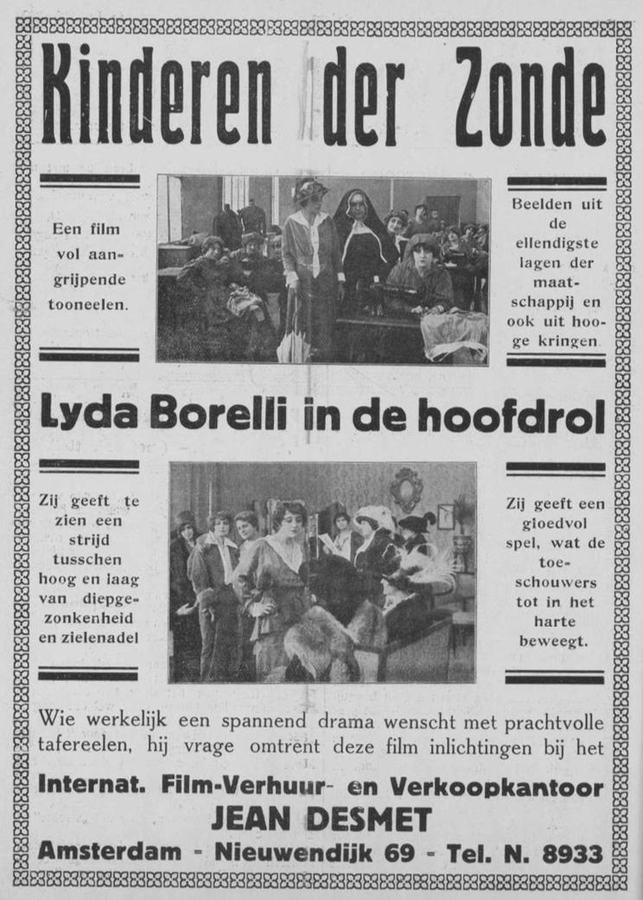
The thematic resonance of Fior di Male extends far beyond the individual plight of Lyda. It is a profound critique of societal structures that condemn women to such fates, offering little in the way of succour or redemption. The film implicitly questions the moral hypocrisy of a society that profits from, yet simultaneously ostracizes, figures like Lyda. This systemic critique aligns it with other films of the era that dared to examine the darker underbelly of modern life, such as Dzieje grzechu (History of Sin), which similarly explores a woman's descent into a tragic existence due to societal pressures and unfortunate circumstances. Both films, in their unflinching portrayal of female suffering, highlight a shared European cinematic sensibility towards social realism even in the silent era.
Lyda Borelli's performance as Lyda is, without hyperbole, the beating heart of Fior di Male. She was renowned for her expressive physicality and her ability to convey complex emotional states through subtle facial expressions and gestures, a necessity in the silent era. Here, her portrayal of Lyda is a masterclass in nuanced suffering. We see her character's initial weariness, the brief spark of hope ignited by the pregnancy, the profound joy of motherhood, and the ultimate, soul-crushing despair of abandonment. Borelli doesn't just act; she embodies the character's journey, drawing the viewer into Lyda's inner world with an almost hypnotic intensity. Her dramatic flourishes, characteristic of the Italian diva style, are never gratuitous; they serve to amplify the profound tragedy of Lyda's situation, making her plight universally understandable. The way she carries herself, the way her eyes convey a thousand unspoken words of sorrow and resignation, is simply breathtaking. It’s a performance that solidifies her status alongside other great actresses of the era who specialized in roles of tormented women, such as Sarah Bernhardt in her many dramatic turns or Asta Nielsen in films like Der Andere, though Borelli brings a unique Italianate passion to her characterization.
The supporting cast, including Ruggero Barni, Cecyl Tryan, and Pina Menichelli, provide solid foundations for Borelli's towering performance. While the focus remains squarely on Lyda, the interactions with these characters, however brief, serve to underscore her isolation and the transactional nature of her relationships. Augusto Poggioli and Fulvia Perini contribute to the tapestry of Lyda’s world, often representing the societal forces or personal connections that either deepen her despair or offer fleeting, ultimately illusory, moments of respite. Their presence, though secondary, is crucial in establishing the harsh social landscape against which Lyda’s tragedy unfolds. The ensemble works in concert to create a believable, albeit bleak, world for Lyda, emphasizing the systemic nature of her predicament rather than merely individual failures.
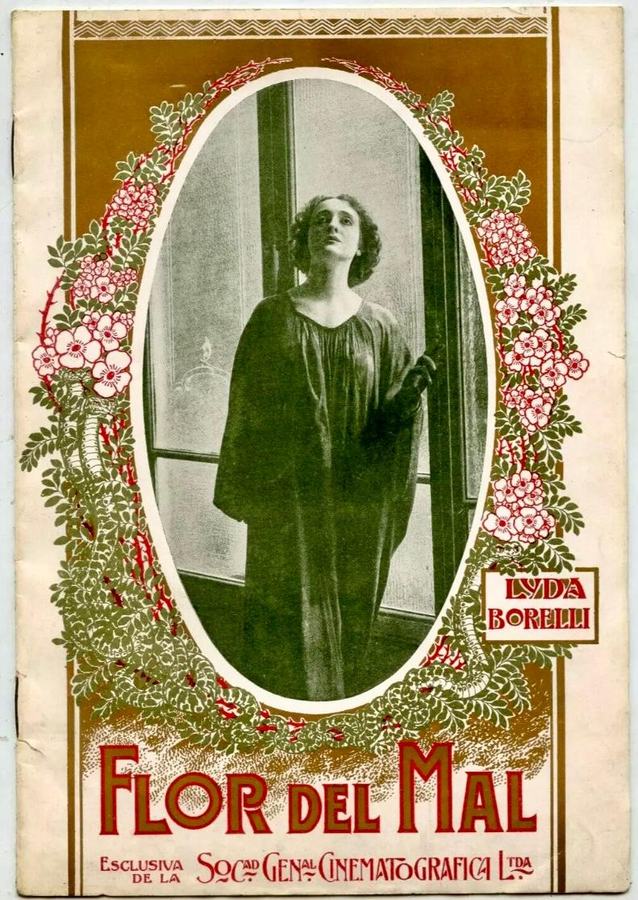
Nino Oxilia, as the writer, crafted a narrative that is both deeply personal and broadly allegorical. His screenplay delves into the psychological toll of Lyda's circumstances, eschewing simple morality tales for a more complex exploration of human frailty and societal culpability. The narrative structure, while perhaps appearing straightforward by modern standards, was revolutionary in its emotional depth and its commitment to exploring the darker corners of the human experience. Oxilia’s ability to weave such a compelling and heart-wrenching story, particularly within the constraints of silent cinema, speaks volumes about his talent as a storyteller. He understood the power of visual metaphor and the potency of a well-placed intertitle to convey layers of meaning.
The direction, while perhaps less attributed directly to Oxilia in terms of visual style, nonetheless brings his script to life with a keen eye for dramatic composition. Silent films relied heavily on mise-en-scène and lighting to convey mood and character. The visual language of Fior di Male is designed to amplify Lyda's isolation and the oppressive atmosphere of her existence. Shadows often cling to her, emphasizing her marginalized status, while stark contrasts in lighting might highlight moments of fleeting hope or crushing despair. The film employs a visual grammar common to the era but uses it with particular effectiveness to underscore the emotional weight of Lyda's journey. One might think of the dramatic framing seen in works like Fantomas: The Mysterious Finger Print, though in Fior di Male, the focus is less on thrilling suspense and more on psychological anguish, using similar visual techniques to intensify the viewer's emotional connection to the protagonist's plight.
Fior di Male is a product of its time, yet its themes resonate profoundly in the modern era. The 'fallen woman' narrative was a common trope in early cinema, often used to explore moral boundaries and societal judgments. However, Fior di Male distinguishes itself by its empathetic portrayal of Lyda, refusing to reduce her to a mere cautionary tale. Instead, it invites the audience to understand the systemic forces that lead to her tragic choices. This empathetic approach elevates the film beyond simple melodrama, positioning it as a significant piece of social commentary.
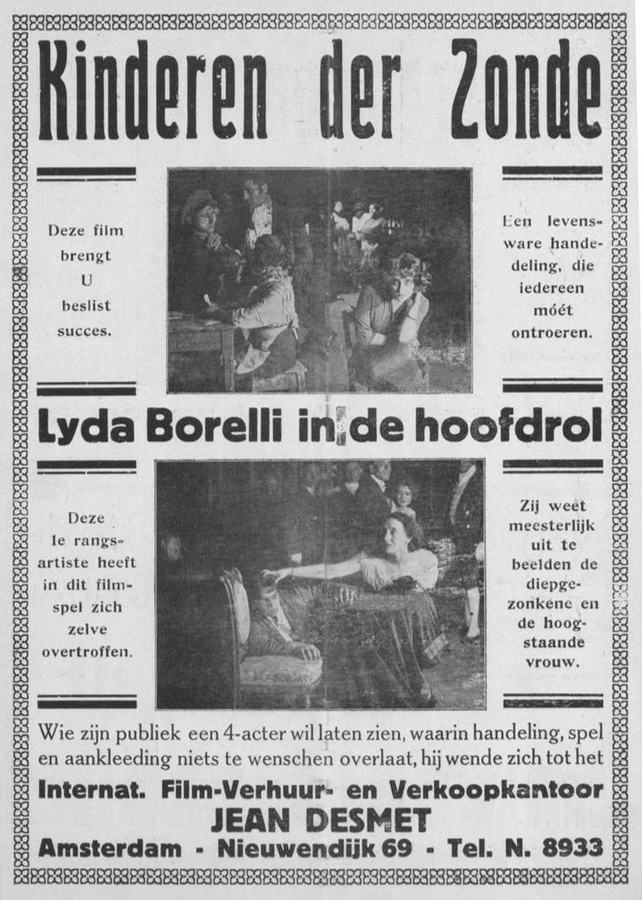
The film's exploration of maternal sacrifice and the impossible choices faced by women in dire circumstances finds echoes in various cinematic traditions. One could draw parallels to the enduring tragedy of Marguerite Gautier in La dame aux camélias, another iconic 'fallen woman' narrative, though Lyda's story is perhaps even more devoid of romanticized elements, presenting a grittier, more economically driven despair. The emotional weight of Lyda’s decision to abandon her child also brings to mind the profound sense of loss and impossible choices depicted in films like Enoch Arden, where circumstances dictate heartbreaking separations and sacrifices. Lyda's journey is one of relentless sorrow, a stark contrast to the often more sensationalized narratives of the period. This commitment to realism, or at least a powerful emotional realism, is what grants Fior di Male its enduring power.
The film's title itself, Fior di Male, or 'Flower of Evil,' is a poignant metaphor. Lyda is presented as a delicate bloom forced to grow in the most inhospitable of environments, her beauty and potential inevitably corrupted by the harsh realities of her existence. It’s a title that evokes Baudelaire, suggesting a dark beauty in tragedy, a poetic lament for a life irrevocably damaged. The film is a powerful reminder that not all flowers are destined for sunlight; some are born to wither in the shadows, victims of circumstances beyond their control.
In conclusion, Fior di Male is more than just a historical artifact; it is a profound cinematic experience that continues to resonate with audiences who appreciate the depth and power of early filmmaking. Lyda Borelli's unforgettable performance, coupled with Nino Oxilia's empathetic storytelling, creates a work that is both heartbreakingly specific and universally applicable. It challenges viewers to confront uncomfortable truths about societal responsibility and the enduring human capacity for both suffering and resilience. This film is a vital piece of cinematic heritage, a stark, beautiful, and utterly devastating portrait of a woman's struggle against an indifferent world. Its silent frames speak volumes, echoing across the decades with a message that remains as potent and relevant today as it was over a century ago. It reminds us that empathy is not a luxury, but a necessity, especially when confronting the 'flowers of evil' that societal neglect allows to bloom in the darkest corners of human experience. It's a film that stays with you, long after the final frame fades to black, leaving an indelible mark on the soul. The quiet tragedy of Lyda's life, immortalized through the artistry of Borelli and Oxilia, continues to serve as a powerful cautionary tale, urging us to look beyond superficial judgments and understand the profound societal forces that shape individual destinies. Truly, a film that, like a haunting melody, lingers in the mind, prompting reflection on the cost of indifference and the enduring power of human despair.
IMDb 5
1929
Community
Log in to comment.