DbcultAccessing Vault...
Cult Review
Senior Film Conservator
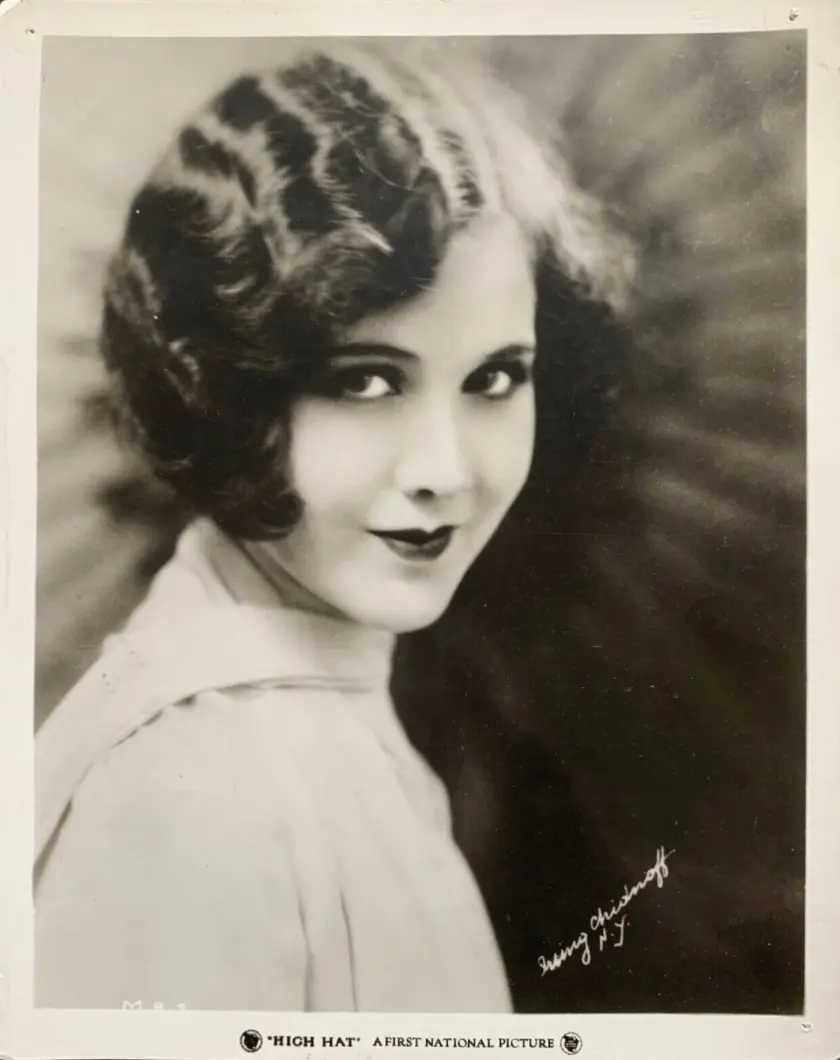
Is High Hat a forgotten classic deserving of rediscovery, or a relic best left in the archives? Short answer: yes, it absolutely warrants a viewing today, especially for those with a fondness for the sharp wit and social commentary of the early 1930s. This isn't a film for everyone, though; if you demand modern pacing or CGI spectacle, you'll be disappointed. But if you appreciate character-driven narratives, subtle performances, and a glimpse into a bygone cinematic era, then settle in.
It's a delightful, if occasionally uneven, piece of cinematic history that offers far more than just nostalgic value. It's a film for the discerning viewer who understands that entertainment isn't always about explosions, but about the intricate dance of human ambition and vulnerability.
This film works because of its surprisingly nuanced exploration of identity and aspiration, anchored by Ione Holmes’ captivating central performance.
This film fails because its narrative momentum occasionally sags in the second act, relying too heavily on convenient coincidences to propel the plot forward.
You should watch it if you're drawn to pre-Code era comedies and dramas that aren't afraid to critique societal norms with a blend of humor and genuine emotional stakes.
"High Hat" is, at its heart, a Cinderella story for the Jazz Age, but one where Cinderella actively designs her own glass slipper. The premise, following Kitty Marlowe's audacious ascent from chorus line to high society through sheer force of will and a fabricated identity, is ripe for both comedic misunderstanding and poignant observation. Writers Melville Baker and James Ashmore Creelman craft a script that, while occasionally predictable by modern standards, hums with the energy of its era. There’s a delicious tension built into Kitty’s every interaction, a constant threat of exposure that keeps the audience leaning forward.
What truly elevates the narrative beyond simple farce is its underlying commentary on class, ambition, and the performative nature of identity. Kitty isn't just trying to fool people; she's trying to become the person she pretends to be. This internal struggle, often conveyed through Holmes's subtle facial expressions rather than overt dialogue, adds a layer of depth that many of its contemporaries lacked. The film cleverly dissects the superficiality of the elite, suggesting that 'high society' is itself a carefully constructed performance, making Kitty's deception less an anomaly and more a mirror.
One particularly striking thematic element is the film's portrayal of female agency. Kitty Marlowe is no passive damsel; she is the architect of her own destiny, for better or worse. Her machinations, while born of desperation, showcase an impressive cunning and resilience. This starkly contrasts with many female characters of the time, positioning "High Hat" as a quiet, yet potent, statement on a woman's capacity for self-determination.
However, the narrative isn't without its weaknesses. The middle section, particularly when Kitty’s affections for Arthur Vance begin to genuinely develop, loses some of its initial sharp edge. The stakes, which were initially so high, feel momentarily diluted by conventional romantic beats. A key scene involving a misunderstanding at a charity ball, while designed to create dramatic tension, feels a little too convenient, almost as if the writers needed a quick way to complicate matters without truly advancing Kitty's internal conflict. It’s a momentary wobble in an otherwise confident stride.
The ensemble cast of "High Hat" is undoubtedly one of its strongest assets, breathing life into characters that could, in lesser hands, feel like caricatures. Ione Holmes, as Kitty Marlowe, delivers a performance that is nothing short of magnetic. She navigates the complex emotional landscape of her character with remarkable grace, shifting effortlessly from wide-eyed optimism to calculating cunning, and finally to genuine vulnerability. There’s a particular scene where she’s caught off guard by a question from Franklin Pangborn’s character at a dinner party; her quick, almost imperceptible flick of the eyes, a brief moment of panic before regaining composure, speaks volumes about the constant pressure she's under. It's a masterclass in subtle acting.
Jack Ackroyd, as the jaded millionaire Arthur Vance, provides a compelling foil. His cynicism is palpable, yet he manages to convey a quiet longing for authenticity that makes his eventual softening towards Kitty believable. Their chemistry, while not overtly passionate, is built on a foundation of intellectual sparring and a shared, unspoken understanding of the masks people wear. It’s a more subdued romantic lead than audiences might expect, but it works, adding a layer of sophisticated realism to the romance.
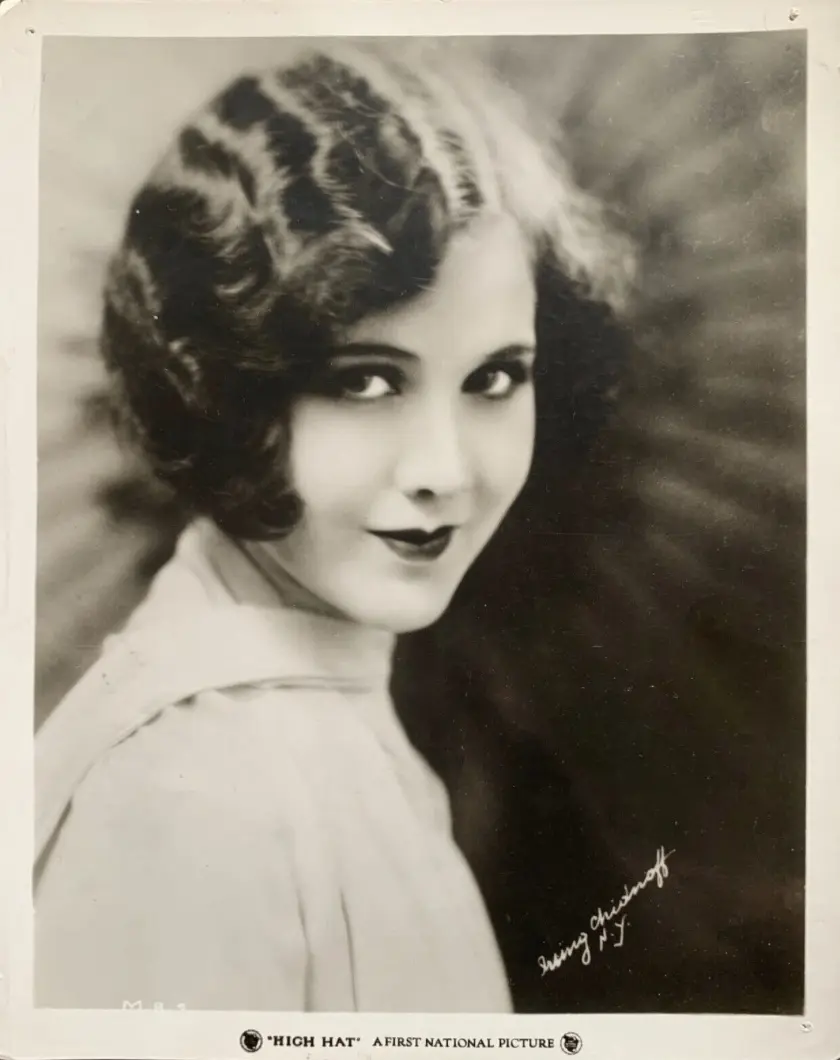
The supporting cast is equally strong. Iris Gray, as the sharp-tongued columnist Eleanor Sharpe, is a standout. She injects every line with a delightful venom and an astute sense of observation, often stealing scenes with just a glance. Her presence constantly reminds the audience of the precariousness of Kitty’s situation, and her character serves as a compelling antagonist without resorting to outright villainy. You find yourself both fearing and admiring her journalistic tenacity.
Franklin Pangborn, in a relatively small but memorable role as a fussy social arbiter, delivers his signature brand of flustered comedic relief. Every twitch and exaggerated gesture is perfectly timed, providing much-needed levity amidst the dramatic tension. Even Ben Lyon, in a role that could have been forgettable, brings a charming, roguish energy that adds another dimension to Kitty's past and present. The collective talent truly elevates the material.
The direction in "High Hat," while not overtly flashy, is remarkably effective in establishing the film's tone and atmosphere. The director (whose name is conspicuously absent from the provided context, suggesting a possible uncredited effort or a focus on writers/cast) demonstrates a keen eye for framing and character blocking. There’s a notable sequence during a bustling nightclub scene where the camera deftly weaves through the crowd, tracking Kitty as she attempts to maintain her facade amidst potential recognition. This fluid movement, especially impressive for the era, immerses the viewer directly into Kitty’s anxious experience.
Cinematography, too, plays a crucial role in creating the world of "High Hat." The use of light and shadow, particularly in the more intimate or conspiratorial scenes, is masterful. Contrast is often employed to highlight the disparity between Kitty’s public persona and her private anxieties. For instance, a close-up on Kitty’s face, bathed in the soft glow of a single lamp during a late-night phone call, perfectly captures her isolation despite her outward glamour. The film’s visual language subtly reinforces its themes of illusion and reality.
The aesthetic leans into the Art Deco sensibilities of the period, with opulent sets and costumes that underscore the allure of the high society Kitty desperately wishes to join. While not groundbreaking, the visual design is consistently pleasing and serves the story well. It’s a film that understands the power of visual storytelling, even without relying on overt spectacle. The carefully composed wide shots of grand ballrooms speak volumes about the scale of Kitty's ambition and the vastness of the world she's trying to conquer.
The pacing of "High Hat" is, for the most part, commendably brisk, especially in its setup and resolution. The early scenes, establishing Kitty’s ambition and her initial forays into deception, move with a lively energy that is both engaging and entertaining. Dialogue is sharp and delivered with rapid-fire precision, a hallmark of many films from this era. This quick rhythm keeps the audience invested in Kitty's schemes, rooting for her improbable success.
However, as mentioned earlier, there are moments in the second act where the pacing feels a little less assured. The film occasionally lingers on romantic subplots, slightly detouring from the central tension of Kitty’s double life. While these moments allow for character development, they sometimes disrupt the overall flow. It’s a minor quibble, but noticeable enough to occasionally pull you out of the narrative's grip.
The tone is a delicate blend of screwball comedy, social satire, and romantic drama. It manages to be genuinely funny without sacrificing its dramatic stakes. The humor often arises from the absurdities of social conventions and the sheer audacity of Kitty’s masquerade. There’s a cynical undercurrent, a subtle critique of wealth and status, that prevents the film from becoming mere fluff. This tonal balance is one of its most impressive feats; it can make you laugh one moment and genuinely empathize with Kitty's predicament the next. It works. But it’s flawed.
Absolutely. "High Hat" is more than just a historical curiosity; it's a surprisingly relevant film that speaks to timeless themes of identity, aspiration, and the masks we wear. Its charm lies in its sharp script, the compelling performances, and its ability to blend humor with genuine emotional depth. While it might not have the widespread recognition of other classics, it offers a rich viewing experience for those willing to engage with its particular rhythms.
It’s a strong recommendation for anyone interested in the evolution of cinematic storytelling, particularly the nuanced character studies that emerged from the pre-Code era. You won't find CG spectacle, but you'll find something arguably more valuable: a well-told story with a beating heart.
"High Hat" is a cinematic treat that, while not without its minor imperfections, delivers a compelling and entertaining experience. It's a testament to the power of strong performances and intelligent writing, even when operating within the constraints of its time. Ione Holmes's portrayal of Kitty Marlowe is reason enough to seek this film out, as she grounds the ambitious premise with genuine emotion and undeniable charisma. It might not be a groundbreaking film in every aspect, but it offers a fascinating window into a specific cultural moment, told with wit, style, and a surprising amount of heart.
For lovers of classic cinema, or anyone seeking a story that cleverly dissects the human desire for reinvention, "High Hat" is a highly recommended watch. It’s a film that sticks with you, prompting reflection on the roles we play and the truths we hide, long after the credits roll. Don't let its lesser-known status deter you; this is a film that deserves a place in your viewing queue.
IMDb —
1929
Community
Log in to comment.