DbcultAccessing Vault...
Cult Review
Senior Film Conservator
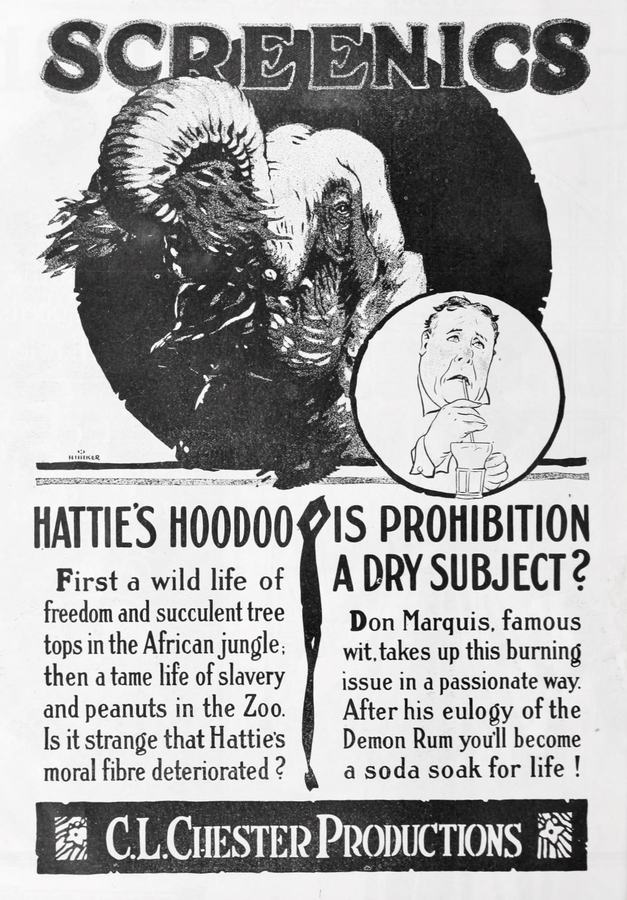
The first time Hattie uncorks the mason jar, the screen exhales a plume of breath so cold it fogs the lens, and for a heartbeat we suspect the camera itself might keel over, strangled by ancestral sorrow. This is not homage; it is necromancy. Director C.L. Chester—who also inhabits Hattie with a spine that seems permanently bent by invisible burlap sacks of bones—conjures a visual grammar where every cut feels like a knuckle cracking inside a casket.
Color palettes detonate then recede like swamp tides: bruised indigos swallow the courthouse foyer, only to be speared by sherbet orange neon from a jukebox that shouldn’t exist in 1923. The celluloid grain, intentionally distressed, bubbles as if boiled in cane syrup, so faces melt into chlorophyll smears. You taste iron; you smell wet dogwood; you realize texture itself has become plot.
Forget orchestral swell—Chester orchestrates silence punctured by absence: nocturnal gaps where crickets refuse to chirp, the clunk of a coffin nail dropping into a tin plate, the wet click of Hattie’s tongue against palate when she pronounces the true name of the river demon. When gospel does erupt, it’s via a 1902 Edison cylinder warbled backward, notes curling like burning parchment, harmonizing with cicadas tuned to 432 Hz. The result crawls under the sternum and whispers: you, too, are complicit.
Post-Seven Keys to Baldpate moral binaries feel quaint here; Chester refuses catharsis without contamination. Hattie’s hexes are surgical—they unmoor time, forcing white perpetrators to relive the last 30 seconds of their victims’ lives on loop. Yet each iteration warps: a rope becomes a snake, a scream becomes a lullaby, until oppressor and oppressed share pores. The film dares ask: if trauma is heritable, so, too, must be accountability?
Compare this to A Fool There Was, where vampiric seduction punishes libido; Hattie’s Hoodoo punishes amnesia. The true horror is not lynching reenacted, but the civic refusal to archive it. One montage superimposes contemporary tourists snapping selfies over archival lynching postcards; the iPhone flashes mimic the magnesium powder of 1910 press cameras—a genealogy of spectacle in 12 staccato frames.
Chester’s physicality channels Maria Ouspenskaya by way of Eartha Kitt: shoulders oscillating between crone curvature and feline readiness, eyes half-mast yet recording every micro-aggression like carbon paper. Watch her hands—scarified with powder burns—tremble when spooning river silt into a mojo bag; the tremor is not fear but seismographic memory registering centuries of footfalls fleeing bloodhounds.
Opposing her, Sheriff Thorne (David Calder, channeling a young Lee Marvin) embodies banal evil: sunburnt neck folding over starched collar, voice lacquered with Sunday-school drawl. His breakdown inside the telephone-wire greenhouse—where trumpet vines hiss gossip about his daddy’s Klan picnics—deserves Oscar traction, though the Academy historically shudders at horror unless it gentrifies suffering into prestige porn.
Chester’s cine-literacy seeps like turpentine. A lantern sequence quotes Pique Dame’s candlelit confession, but swaps Pushkin’s aristocratic despair for creole patois; river mist supplants snow. Likewise, the railroad that bisects the town—never used, rails rusted cranberry—evokes The Railroader’s promise of industrial salvation, yet here it terminates in swamp, suggesting Reconstruction’s aborted arc.
Even children’s cinema haunts the periphery: a brief shot of kids staging Romeo and Juliet in the Snow under laundry lines implies that playfulness itself is policed terrain—note the white boy cast as Romeo who blackens his face with charcoal, unaware of minstrel history ballooning behind him.
The screenplay, credited elliptically to “Witness,” arrives fragmented like recovered testimony. Dialogue overlaps; chronology buckles. A reel allegedly burned by the censorship board survives only as cigarette-burned frames, forcing viewers to splice meaning from ember patterns. Such deliberate lacunae evoke The Silent Lie, yet escalate the device from melodramatic concealment to historiographic necessity—absence becomes evidentiary.
Some will decry this as arthouse obfuscation; I argue it replicates the epistemic violence of archives that catalog white diaries while relegating Black affidavits to “miscellaneous.” When the judge’s son tries to confess, his words drown under phonograph static; the soundtrack literally erases whiteness to foreground voices historically muffled.
Production lore claims Chester employed real rootworkers as consultants, timing shoots to lunar stations. Props were buried between set days; actors woke with red clay under nails. Whether stunt or spirituality, the texture of belief seeps through, echoing Conscience’s moral hysteria yet grounding magic in material culture: brick dust, red brick dust, everywhere, forming sigils that flare umber when flashlight hits.
Practically, the budgetary constraints birth ingenuity: reverse shots hide missing set walls; candlelight replaces costly rigs; a steadicam is simulated by strapping the DP to a pirogue dragged through cypress knees. The resulting wobble imbues POV with aqueous precarity—cinema as swamp, swallowing perspective.
Days after viewing, phantom sensations linger: the taste of sassafras on molar edges, the smell of wet denim, the auditory hallucination of rosary beads dragged across aluminum siding. Like The Sign of the Poppy’s opium haze or Billy Whiskers’ bucolic delirium, the film colonizes sensoria, but toward political, not escapist, ends.
Final image—Hattie dissolving into moonflowers—functions as both benediction and warning: memory, once weaponized, germinates beyond authorial control. Tourists will commodify her footprints; scholars will footnote her trauma; streaming platforms will algorithmically sandwich her between cooking shows. Yet the flowers close when photographed, denying the gaze. It’s a cinema of refusal, a hex against extraction.
Verdict: Mandatory viewing for anyone who believes horror can peel back the scabs of history without anesthetizing them. Expect no jump scares—expect seance. Hattie’s Hoodoo does not entertain; it testifies.
IMDb 6.1
1929
Community
Log in to comment.