DbcultAccessing Vault...
5.3/10
Senior Film Conservator
A definitive 5.3/10 rating for a film that redefined the boundaries of cult cinema. Stickelback Eggs remains a cornerstone of transgressive art.
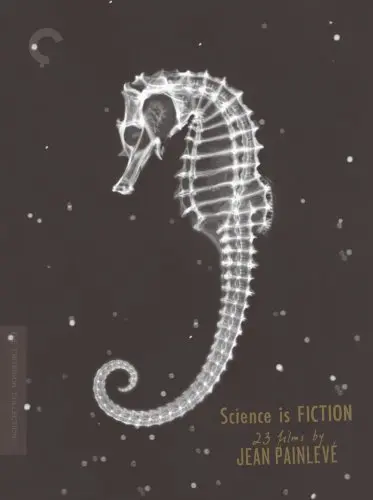
Stickelback Eggs, a marvel of early cinema and scientific documentation, invites viewers to witness the microscopic world of a stickelback egg's transformation from fertilization to hatching. This two-part film, meticulously captured by Jean Painlevé, serves as a profound educational tool, blending scientific accuracy with aesthetic beauty. The film is not merely a documentary; it is an artistic exploration of life’s most fundamental processes, presented with a cinematic touch that transcends mere education.
Part one begins with the egg's descent into water, marking the start of a remarkable journey. Within minutes, the egg undergoes fertilization, leading to the initiation of contractions. As the egg continues to develop, the germinal disc divides into two blastomeres, a process that is accompanied by detailed title cards in French, guiding the viewer through the stages of development. This visual narrative is complemented by the natural muscular movements and circulation that begin to manifest, culminating in the heart's first beat. The film’s meticulous framing and editing techniques, reminiscent of early experimental cinema, create a rhythmic and almost musical flow, enhancing the viewer's engagement and understanding.
Part two delves deeper into the egg's transformation, focusing on the development of blood circulation. Red cells begin to form on the surface of the yolk and gradually mass toward the heart, a process that is both biologically significant and visually captivating. The formation of arteries and the flow of blood are presented with a level of detail that is both scientifically accurate and aesthetically pleasing. The progression from a single fertilized egg to a fully formed and hatching entity is a testament to the film's skillful and comprehensive approach. The egg's hatching is captured with a sense of wonder and awe, as the newly formed entity breaks free from its watery prison, marking the beginning of a new life.
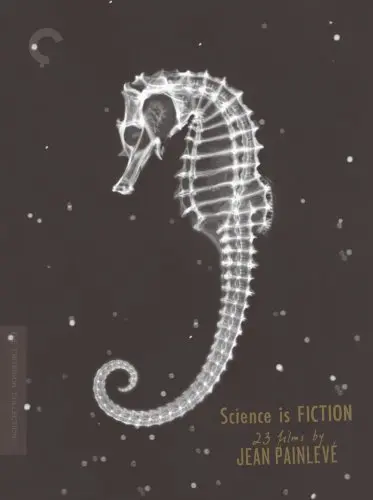
What sets Stickelback Eggs apart is its unique blend of scientific rigor and artistic vision. Jean Painlevé's ability to capture such minute details through a microscope, combined with his understanding of the visual language of cinema, results in a film that is both educational and engaging. The use of French title cards adds a layer of cultural richness, inviting viewers to appreciate the film from a multidisciplinary perspective. This film, much like its subject, is a testament to the power of observation and the beauty of life’s minutiae.
For those who appreciate films that push the boundaries of documentary and educational cinema, Stickelback Eggs is a must-watch. It not only educates but also inspires a sense of wonder and appreciation for the natural world. The film serves as a bridge between art and science, making complex biological processes accessible and fascinating to a wide audience. It is a reminder of the importance of preserving and documenting such fundamental aspects of life, and it does so with a grace and precision that is truly remarkable.
When comparing Stickelback Eggs to other films in the genre, it stands out for its combination of technical excellence and artistic merit. Films like West Meets East, Young Ideas, and The Duck Hunter offer similar insights into nature and life, but Stickelback Eggs provides a more focused and detailed exploration of a single subject. Its attention to detail, coupled with its ability to convey the beauty and complexity of life, sets it apart as a significant contribution to both documentary and educational cinema.
In conclusion, Stickelback Eggs is a film that offers more than just educational content; it is a work of art that celebrates the beauty and complexity of life at its most fundamental level. It is a testament to the power of cinema to reveal the world in new and profound ways, and it invites viewers to witness the miracle of life as it unfolds in the tiniest of spaces. This film is a reminder of the importance of observation and the beauty that lies in the smallest of details. It is a film that should be celebrated and preserved for its unique contribution to both scientific and artistic discourse.
IMDb 3.9
1934
Community
Log in to comment.