DbcultAccessing Vault...
7/10
Senior Film Conservator
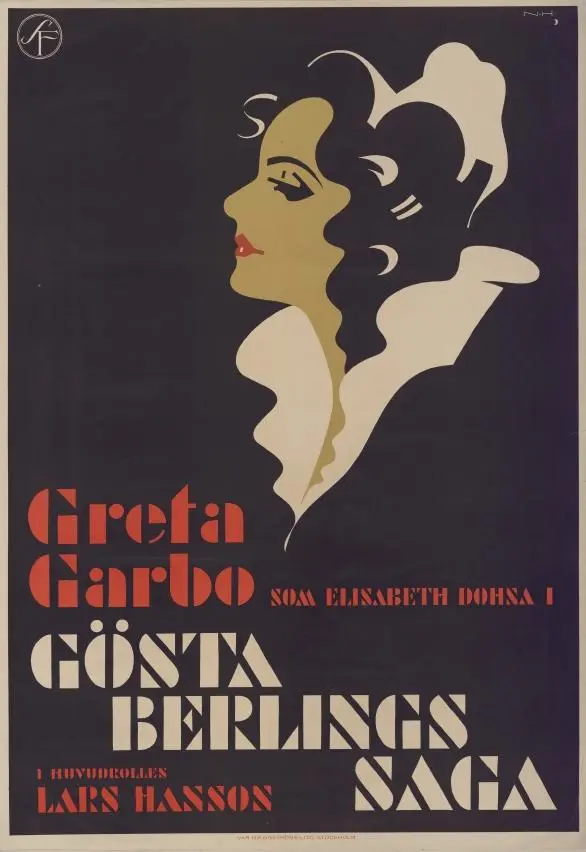
A definitive 7/10 rating for a film that redefined the boundaries of cult cinema. The Saga of Gösta Berling remains a cornerstone of transgressive art.
In the annals of silent cinema, few films possess the sweeping ambition and profound emotional resonance of Mauritz Stiller’s 1924 masterpiece, The Saga of Gösta Berling. This isn't merely a film; it’s an epic poem rendered in celluloid, a sprawling adaptation of Selma Lagerlöf’s Nobel Prize-winning novel that plunges viewers into the tumultuous soul of 19th-century Värmland, Sweden. It’s a work that defies easy categorization, weaving together elements of romantic drama, social commentary, and a deeply spiritual quest for redemption, all against a backdrop of breathtaking natural grandeur and human frailty.
At its heart lies the captivating, yet tragically flawed, figure of Gösta Berling, portrayed with an electrifying intensity by Lars Hanson. Berling is a former Lutheran priest, blessed with oratorical prowess and an undeniable magnetism, yet cursed by a profound weakness for alcohol and a propensity for reckless behavior. Stripped of his clerical collar and cast out from the community he once served, his journey becomes a desperate, often circuitous, quest to reclaim his honor and dignity. His expulsion isn't just a professional setback; it's a spiritual exile, forcing him to confront the very essence of his being amidst societal scorn and personal despair. This narrative arc, reminiscent of other tales of moral decline and societal ostracization, finds parallels in the somber introspection of films like Drama na okhote, where characters grapple with the devastating consequences of their own choices and external judgment.

Stiller, alongside co-writer Ragnar Hyltén-Cavallius, masterfully translates Lagerlöf's dense, episodic novel into a visual feast. The film is a testament to the power of Swedish silent cinema, renowned for its lyrical cinematography and profound psychological depth. The Värmland landscape itself becomes a character—vast, snow-covered, sometimes unforgiving, sometimes breathtakingly beautiful—mirroring the internal struggles and moral landscapes of its inhabitants. This isn't merely scenery; it's an active participant in the drama, its stark beauty amplifying the emotional weight of Berling's trials and tribulations.
The narrative unfurls around Berling’s entanglement with a series of powerful women, each representing a different facet of love, temptation, or salvation. There's the formidable Margareta Celsing (Gerda Lundequist), the mistress of Ekeby, whose generosity and shrewdness guide the lives of many, including Berling. Her complex relationship with him, oscillating between maternal care and stern judgment, forms a crucial backbone of the story. Then there's Ebba Dohna (Mona Mårtenson), a young woman whose innocent affection offers a fleeting glimpse of purity, tragically cut short. And, of course, the radiant Countess Elisabeth Dohna, portrayed by a nascent but already captivating Greta Garbo. Garbo, in one of her earliest screen roles, exudes an undeniable star quality, her expressive eyes and magnetic presence hinting at the legend she would soon become. Her character’s journey from a sheltered noblewoman to a woman who chooses love and sacrifice for Berling is one of the film’s most poignant threads.
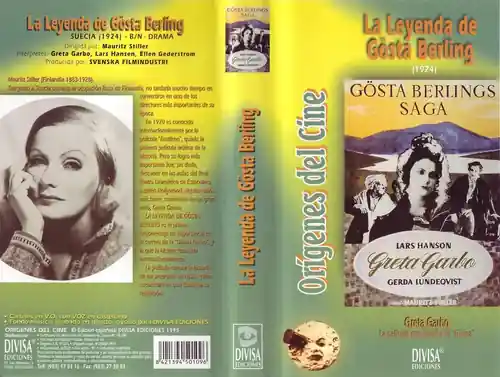
While Lars Hanson's performance as Gösta Berling is undeniably the anchor of the film, a tour de force of conflicted masculinity and tortured grace, it is Greta Garbo's portrayal of Elisabeth that often seizes the modern viewer's imagination. Even at this nascent stage of her career, under Stiller's astute direction, Garbo’s unique blend of ethereal beauty and profound melancholic intensity is palpable. Her scenes with Hanson crackle with an understated passion, a silent dialogue of longing and despair that transcends the limitations of the medium. She doesn't just act; she inhabits the screen, drawing the audience into Elisabeth's internal world with a subtle glance or a delicate gesture. Her transformation from a woman of privilege to one who embraces hardship for love speaks volumes, establishing her as an actress of immense depth from the outset. One can only imagine the impact her raw talent had on contemporary audiences, foreshadowing the iconic status she would achieve.
Mauritz Stiller's direction is nothing short of visionary. He orchestrates a vast ensemble cast, including Karin Swanström, Anna-Lisa Baude, Ellen Hartman-Cederström, Gucken Cederborg, Carl Deurell, Svend Kornbeck, Jenny Hasselqvist (as the spirited Marianne Sinclaire, another of Berling's loves), Lars Egge, Ruth Weijden, Hugo Rönnblad, Knut Lambert, Anton de Verdier, Hilda Castegren, Torsten Hammarén, Jan de Meyere, Erik Bergman, A.T.H. Buch, Oscar Byström, Hilda Forsslund, Sven Scholander, Otto Elg-Lundberg, Mia Gründer, Signe Enwall, Svea Palm, Sixten Malmerfeldt, and Edla Rothgardt, with remarkable clarity and emotional precision. Each performance, no matter how brief, contributes to the rich tapestry of Värmland life. Stiller’s camera work is fluid and expressive, capturing both the intimate nuances of human emotion and the grandeur of the natural world. Long shots of sleighs traversing snow-covered plains are juxtaposed with close-ups that reveal the inner turmoil of his characters. His command of visual storytelling is evident in every frame, creating a sense of epic scope without sacrificing personal intimacy.
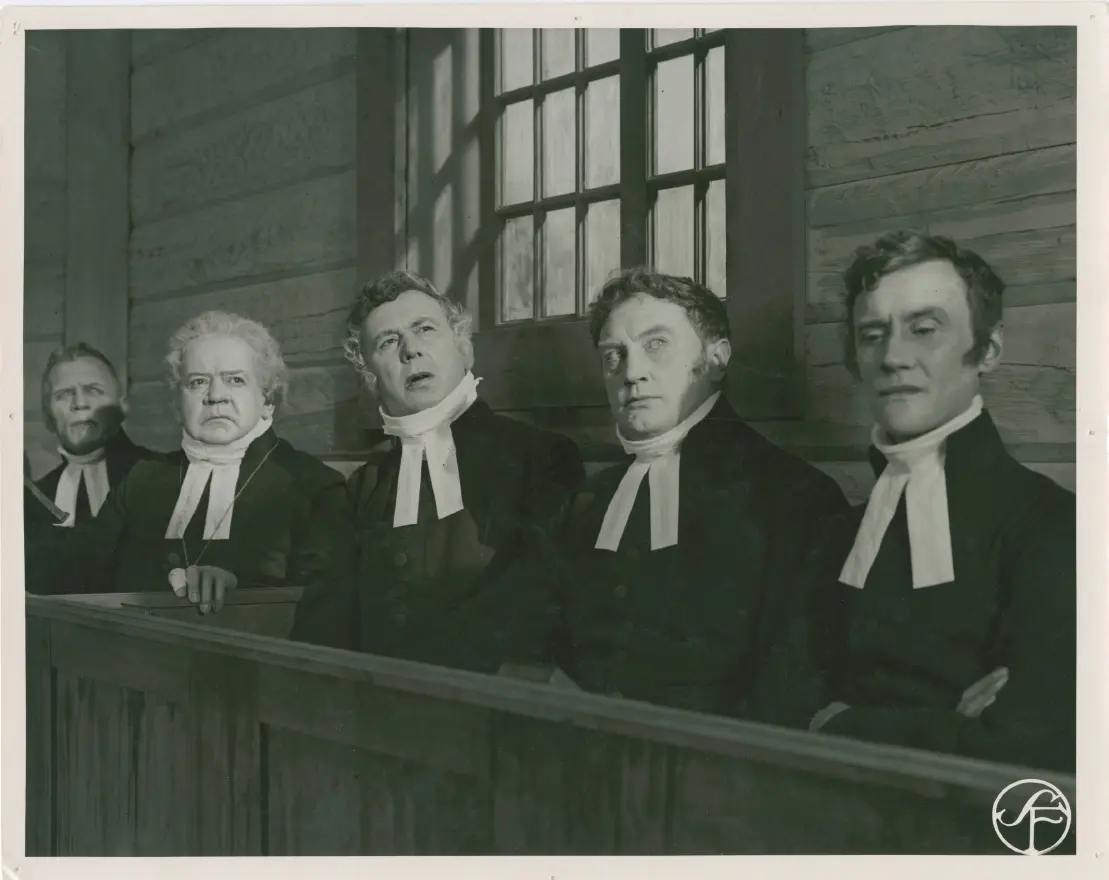
The episodic structure of the film, a direct reflection of Lagerlöf's novel, could have easily felt disjointed in lesser hands. Yet, Stiller imbues it with a cohesive through-line: Berling’s relentless pursuit of redemption. Each encounter, each misstep, each act of kindness or cruelty, serves to propel him further along this arduous path. The film explores themes of social hypocrisy, the rigid expectations of the church, and the redemptive power of love and sacrifice. Berling’s journey isn't a linear ascent; it’s a series of falls and tentative ascents, mirroring the cyclical nature of human struggle. This arduous path to forgiveness and a second chance is a motif explored across various cinematic eras, finding echoes in narratives such as Love's Redemption, where characters must confront their past to forge a new future.
The source material, Lagerlöf's debut novel, is a work steeped in folklore, romance, and moral philosophy. Stiller and his co-writers, Ragnar Hyltén-Cavallius and Lagerlöf herself, faced the monumental task of distilling its sprawling narrative into a cinematic experience. What they achieved is a faithful yet innovative adaptation that captures the novel's spirit, its blend of the mythical and the mundane, the heroic and the deeply human. The story’s blend of realism with a touch of the fantastical, its exploration of the human soul's capacity for both profound sin and profound grace, resonates deeply. It's a testament to the power of the original narrative that it translated so effectively to the silent screen, a medium perfectly suited for its grand gestures and heightened emotions.
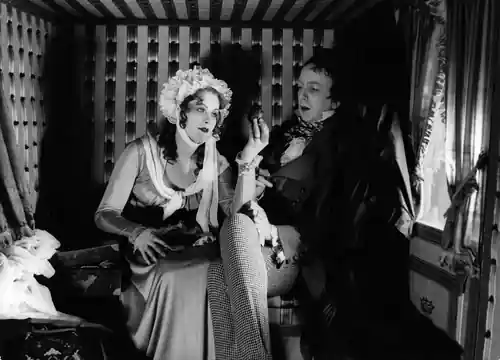
Beyond the spectacle and the star power, The Saga of Gösta Berling is a deeply moving exploration of human connection. Berling, for all his flaws, inspires fierce loyalty and passionate love. His relationships with the women in his life are complex and multifaceted, revealing different facets of his character and the society he inhabits. His journey is not just about personal redemption, but also about the impact he has on others, and how their love and belief in him ultimately guide him towards a semblance of peace. The film doesn't shy away from depicting the harsh realities of life in 19th-century Sweden, including poverty, social stratification, and the unforgiving nature of winter. Yet, it imbues these struggles with a poetic quality, suggesting that even in the bleakest circumstances, there is hope for transformation and grace.
The film’s portrayal of individual struggle against the backdrop of rigid societal expectations is particularly compelling. Berling's defiance, even in his moments of weakness, makes him a profoundly human character. This theme of an individual battling for identity or acceptance against a conformist world is a timeless one, echoing in films across different genres and eras, such as the German silent film Der Tänzer, which similarly delves into the personal cost of societal pressures. The sheer dramatic weight carried by Lars Hanson’s performance is immense; he embodies the charisma, the self-loathing, and the yearning for goodness that defines Gösta. His ability to convey such a complex emotional landscape without uttering a single word is a masterclass in silent acting.

Originally released in two parts, the film suffered cuts over time, a common fate for many silent epics. The existing versions, while magnificent, are often truncated compared to Stiller's original vision. This unfortunate reality only underscores the importance of preserving and restoring such cinematic treasures. The film’s influence on subsequent filmmakers, both in Sweden and internationally, is undeniable. It cemented the reputation of Swedish cinema for its artistry and psychological depth, and it launched Greta Garbo onto the international stage, paving her way to Hollywood stardom alongside Stiller himself. The technical aspects—the intricate set designs, the lavish costumes, and the pioneering cinematography—all contribute to its enduring appeal and historical significance.
Viewing The Saga of Gösta Berling today is more than just watching a silent film; it's an immersion into a bygone era of storytelling, where visual poetry and raw human emotion held sway. It's a reminder of the foundational artistry upon which modern cinema was built. The sweeping narrative, the deeply felt performances, and Stiller’s majestic direction combine to create an unforgettable experience that transcends its historical context. It speaks to universal themes of sin and salvation, love and loss, and the eternal human quest for meaning and belonging. It’s a film that demands patience and rewards it with an unparalleled richness, a true testament to the power of cinematic art.
For those who appreciate the grandeur of early cinema and the profound narratives it could convey, The Saga of Gösta Berling remains an essential viewing. It's a powerful and poetic journey into the heart of a man grappling with his demons and the society that judged him, all set against a landscape as wild and untamed as his own spirit. This film isn't just a historical artifact; it's a living, breathing work of art that continues to captivate and move audiences, reaffirming its place as a cornerstone of cinematic history. Its narrative of a man's struggle to atone, to find forgiveness both from others and from himself, resonates with an enduring power, making it a timeless exploration of the human condition.
IMDb —
1914
Community
Log in to comment.