DbcultAccessing Vault...
5.3/10
Senior Film Conservator
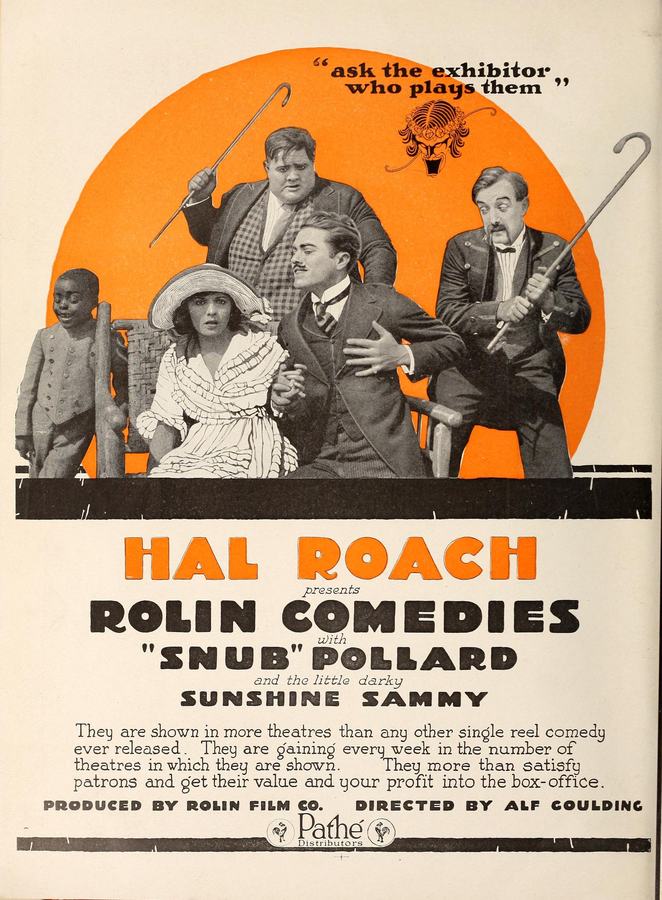
A definitive 5.3/10 rating for a film that redefined the boundaries of cult cinema. High Rollers remains a cornerstone of transgressive art.
In the pantheon of silent cinema’s most gloriously unhinged spectacles, High Rollers stands as a testament to the anarchic joy of slapstick unfettered by narrative pretension. It opens with a jarring thud—Snub, the film’s endearingly hapless protagonist, is flung from his automobile into the frozen heart of a skating rink. The collision is both literal and symbolic, a rupture in routine that thrusts him into a world of sideways momentum and gravitational defiance.
The rink becomes a microcosm of controlled chaos. Rowdy skaters, slick surfaces, and the ever-present threat of a pratfall form the foundation of a visual language that speaks in broad gestures and exaggerated misfortune. Enter Rowe and Marie, their presence adding a layer of romantic farce to the proceedings. Their interactions with Snub are less about dialogue and more about the ballet of near-misses—gloved hands grasping at thin air, ice blades carving arcs of desperation, and a shared understanding that gravity is the true antagonist.
But the film’s most audacious twist arrives not from human performers, but from its most unexpected stars: two mischievous monkeys, having liberated themselves from a traveling circus, adorn skates and descend upon the rink like furry harbingers of havoc. Their antics—grabbing pints of ale, hijacking skates, and orchestrating a synchronized crash into a cake cart—are pure, unrefined genius. These primates, with their unselfconscious glee, embody the film’s ethos: chaos is not to be feared, but embraced as the engine of laughter.
The cast, a constellation of early 20th-century comedic titans, elevates the material with precision-timed physicality. Noah Young and George Rowe trade pratfalls with the elegance of dancers, while Marie Mosquini’s performance as Marie is a masterclass in silent-era charm—her eyes wide with equal parts surprise and exasperation, her limbs executing graceful arcs of misfortune. Even the monkeys, though not actors in the traditional sense, are directed with such precision that their sequences feel like the pinnacle of collaborative comedy.
Technically, High Rollers is a marvel. The use of ice as a narrative device—both literal and metaphorical—is nothing short of inspired. Every slide, every collision, every desperate clutch at a lamppost is a testament to the filmmakers’ ingenuity in transforming a skating rink into a stage for human folly. The editing is brisk, the pacing relentless, and the visual gags land with the satisfying thud of a well-constructed punchline.
Comparisons to The Boat and Louisiana are inevitable, given their shared embrace of location-based farce. Yet High Rollers distinguishes itself by leaning fully into the absurdity of its premise. Where those films use their settings as backdrops, this one makes the rink itself a character—a glacial force that dictates the rhythm of chaos. The monkeys, in particular, elevate the film beyond mere slapstick; their presence introduces an element of the uncanny, a reminder that humor can emerge from the intersection of the expected and the utterly ridiculous.
One cannot discuss High Rollers without acknowledging its place in the lineage of silent comedy. It shares DNA with What Love Can Do and Angelo, das Mysterium des Schlosses Drachenegg, but diverges in its commitment to pure, unfiltered physicality. There is no grand plot to unravel, no moral to be learned—only the relentless pursuit of laughter through collision and chaos. This is comedy stripped to its essence: a shared experience of flailing limbs and improbable escapes.
The film’s greatest strength lies in its ability to balance mayhem with heart. Amid the avalanches of cake crumbs and the cacophony of crashing props, there are moments of genuine warmth. Snub’s interactions with Marie, though largely nonverbal, are imbued with a tenderness that transcends the slapstick. It’s a reminder that even in the most absurd circumstances, connection can be forged. This duality—laughter and love, chaos and camaraderie—makes High Rollers a standout in its genre.
Technically, the film is a triumph. The cinematography captures the rink’s icy expanse with reverence, using wide shots to emphasize the characters’ isolation and close-ups to highlight their expressions of panic and delight. The score, though likely a modern addition in surviving prints, complements the chaos with a playful, almost mischievous melody that mirrors the monkeys’ antics. Every frame is a study in contrast: the harshness of the accident juxtaposed with the whimsy of the rink, the gravity of the falls paired with the levity of the gags.
For modern audiences accustomed to CGI-driven absurdity, High Rollers is a revelation. It proves that spectacle need not rely on digital trickery—sometimes, a well-timed slip and a pair of skate-wearing monkeys are all that’s required. The film’s enduring appeal lies in its simplicity and its refusal to take itself seriously. It invites viewers to laugh at the fragility of control, to find joy in the inevitability of the pratfall.
In an era where comedy often straddles the line between satire and cynicism, High Rollers is a breath of fresh air. It is unapologetically lighthearted, a celebration of laughter for its own sake. The film’s legacy is not one of groundbreaking innovation, but of sheer, unadulterated entertainment. It is a reminder that sometimes, the best stories are the ones that don’t try to be stories at all.
To fully appreciate High Rollers, one must embrace its ethos: that life is a skating rink, and we are all merely trying not to fall. The monkeys, of course, are the ones having the most fun. They know the truth—chaos is inevitable, and the only response is to laugh, to skid, to embrace the slide. In this, the film finds its perfection: a testament to the beauty of falling, and the art of getting back up.
IMDb 6.5
1923
Community
Log in to comment.