DbcultAccessing Vault...
5.8/10
Senior Film Conservator
A definitive 5.8/10 rating for a film that redefined the boundaries of cult cinema. Az utolsó éjszaka remains a cornerstone of transgressive art.
There are silences that roar louder than Dolby thunder, and Az utolsó éjszaka wields such silence like a scalpel. Shot in 1922 on nitrate so flammable it could double as frontline ordnance, Mihály Fekete’s film arrived just as Hungary’s film industry staggered from post-Trianon wounds and hyper-inflationary vertigo. Studios auctioned off props for bread; cameras were mortgaged to buy coal. Yet out of this chaos blooms a fever dream of erotic damnation that rivals Sjöström’s spectral austerity and anticipates von Sternberg’s opulent masochism.
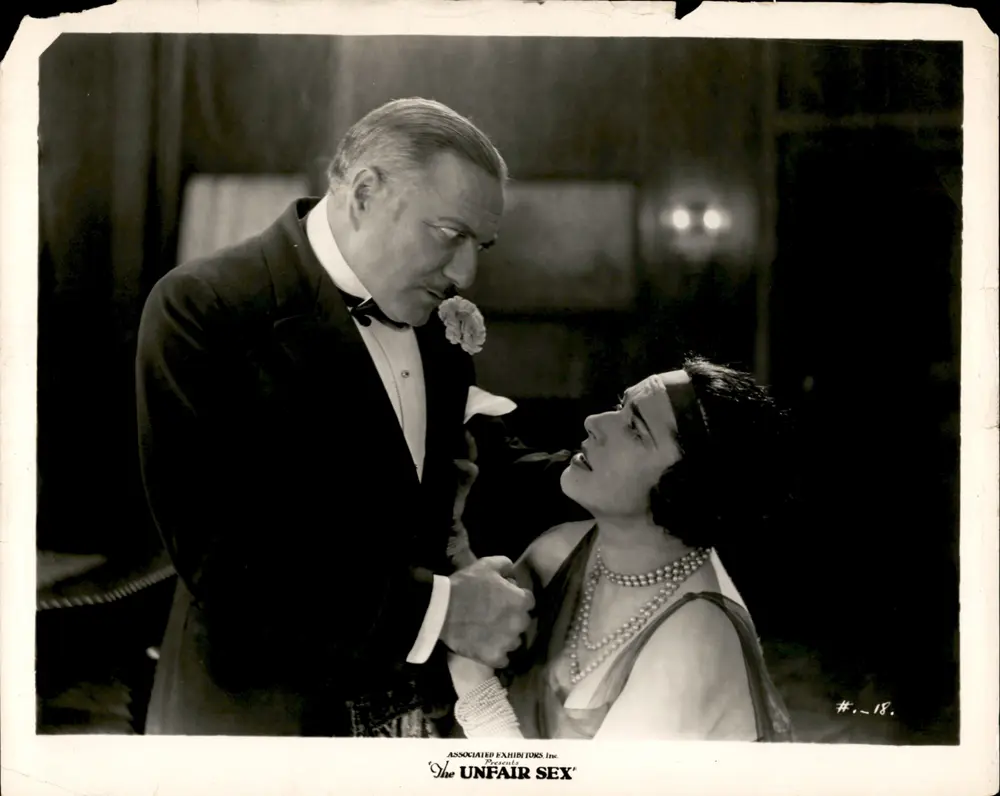
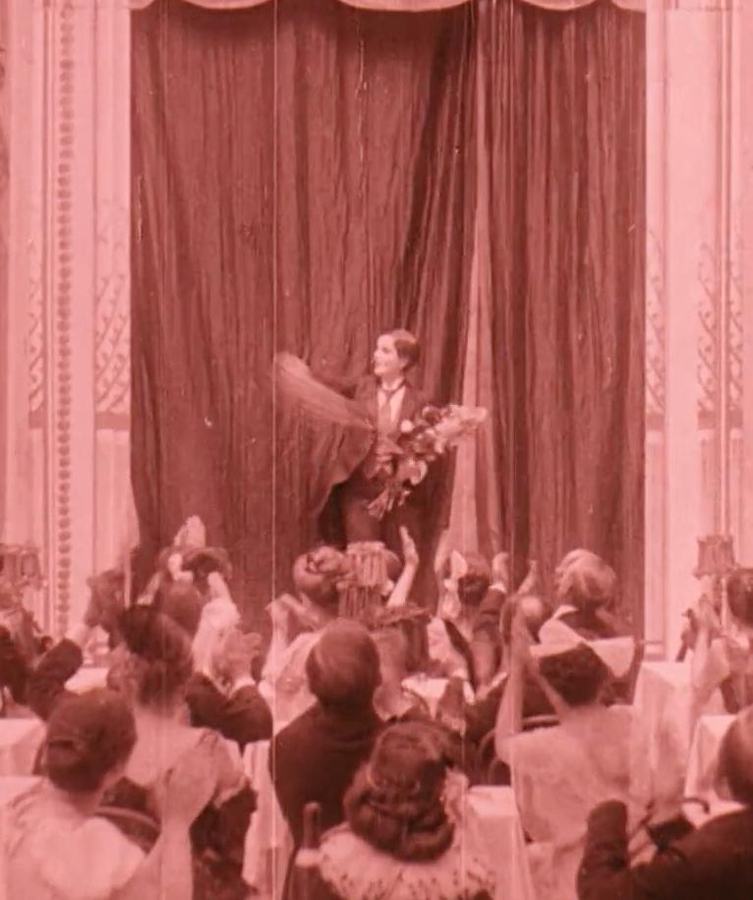
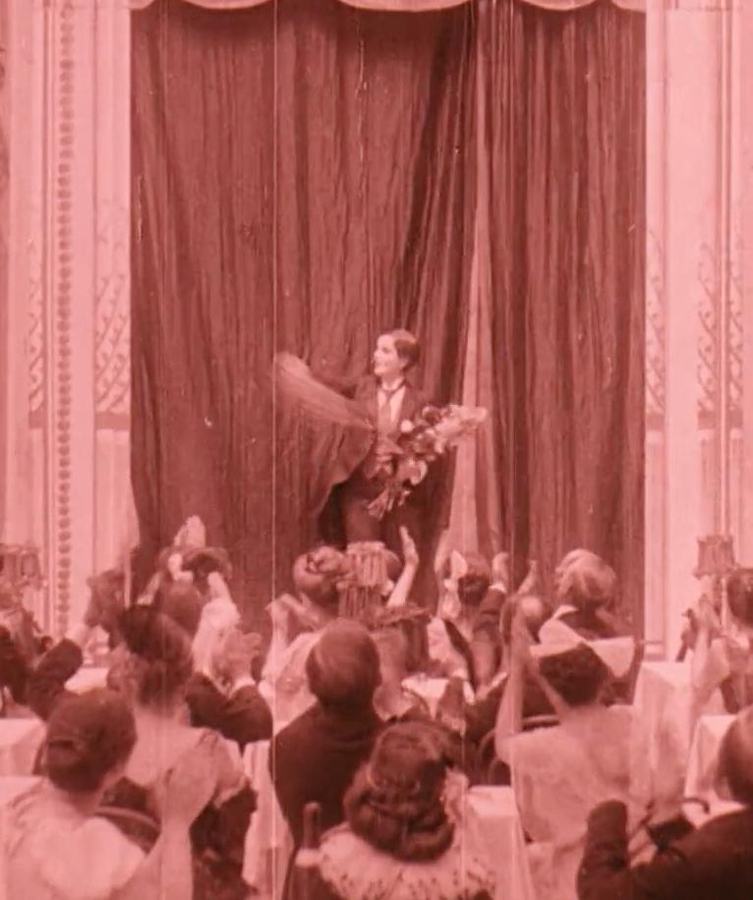
Fekete and cinematographer József Karstens conjure chiaroscuro so tactile you expect your fingerprints to come away sooty. Interior scenes drip with gilded mildew: cabaret tables shimmer under low-hanging gas-jets, officers’ medals refract fractured prisms, Gitta’s headdress quivers like a frightened halo. Exterior shots—Petrograd’s boulevards slashed by mobilizing cavalry—are framed through telephoto compression, turning crowds into human surf crashing against palace railings. The camera loves Gitta’s back more than her face; we watch shoulder blades slide beneath silk the way astronomers track comets, a cartography of desire mapping its own vanishing.
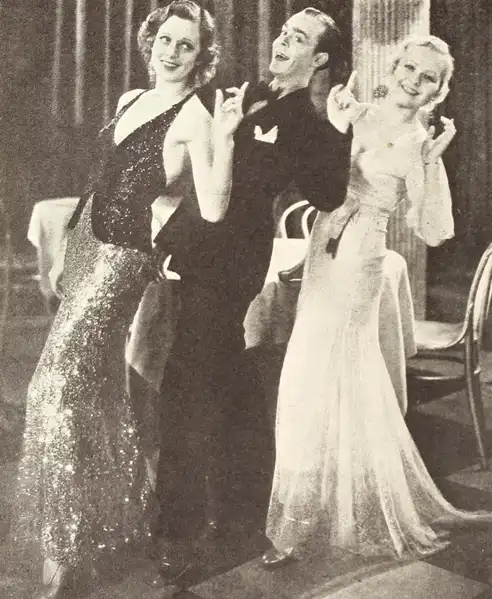
Lili Berky’s Gitta is no virginal victim of melodrama. She strides into infamy with the predatory glee of a gambler who’s already pawned her soul and now plays with house money. In medium close-up, her pupils dilate until irises become eclipsed marbles—windows boarded up against regret. When she executes a high-kick routine for a table of vodka-breathing colonels, the motion is less can-can than cocked rifle: each leg extension a silent bang. Berky modulates between feline languor and staccato panic without intertitles; the body speaks a dialect of sin and terror so fluid you forget title cards ever existed.
Victor Varconi’s Vándori slinks through the narrative like cigarette smoke in an absinthe glass—beautiful, toxic, impossible to pin. With cheekbones sharp enough to slice ration tickets, he embodies a predatory charm that feels eerily contemporary; imagine a 1910s Budapest amalgam of The Man from Nowhere and the manipulative mystic in God, Man and the Devil. His seduction of Gitta is staged in a single unbroken take: two bodies circling a lamppost whose gas flame flickers in sync with their breaths, the city dissolving into bokeh behind them. No kiss is shown; the camera tilts up to a sky hemorrhaging snow, implying conflagrations the censor’s scissors could never reach.
The film’s moral scaffolding teeters on a letter never fully read: Gitta’s toddler son scrawls crayon suns across parchment, the ink smudged by mother’s tears. Fekete withholds the complete text, letting fragments flicker in montage—"Mama, sky hurts."—intercut with Petrograd’s searchlights sweeping the Nevsky. The historical backdrop is no mere scenery; it is the film’s circulatory system. When Bolshevik partisans torch the cabaret, the conflagration feels predestined, as though history itself were a jealous lover avenging Gitta’s abandonment of hearth and home. In the climactic long shot, flames project her shadow thirty feet high onto a crumbling plaster wall: a colossus of self-annihilation.
Contemporary audiences experienced the film with live orchestral accompaniment; surviving cue sheets indicate a delirious collage—Tchaikovsky fragments, Csárdás rhythms, snare drums echoing the front. Modern restorations (Hungarian National Film Archive, 4K scan from a 1970s safety print) commission composer Márton Vizy, whose prepared-piano motifs scuttle under the images like rats in the wine cellar. Vizy interpolates a haunting female choir that enters only when Gitta’s lips part, suggesting voice itself as the phantom commodity she sold for applause.
Where Camille aestheticizes consumption into romantic lace, Az utolsó éjszaka weaponizes erotic autonomy until it ricochets back as shrapnel. The trajectory of maternal abandonment echoes My Madonna, yet Fekete refuses redemptive deathbed reconciliations. Gitta’s downfall is closer in tone to the nihilistic abyss of Sentenced for Life, though rendered with an expressionist sensuality that prefigures Dietrich’s frosty sensuality in The Blue Angel.
Early Hungarian cinema rarely granted women narrative agency beyond sacrificial motherhood. Fekete fractures that template: Gitta’s departure is not coerced seduction but calculated self-commodification. She monetizes desirability within a militarized economy where rank equals currency, yet the film refuses to caricature her as harlot or hapless dupe. Instead, her tragedy stems from the asymmetrical exchange rate of female ambition: the market will purchase her art but never allow her to own the stage. In the penultimate reel, she attempts to reclaim authorship—staging a solo midnight recital for an audience of empty overcoats—only to discover the footlights’ glare erases identity as efficiently as footnotes erase dissent.
Surviving prints clock in at 67 minutes, yet trade papers from 1923 advertise a 94-minute cut. Hungarian censors excised references to wartime profiteering and a subplot involving Gitt’s affair with a Polish intelligence officer. Nitrate decomposition claimed additional chunks: the original tinting—amber for domestic scenes, viridian for cabaret debauchery, blood-red for revolutionary violence—survives only in French Pathé distribution notes. What remains is fragmentary poetry, lacunae that invite the viewer to project personal ghosts into the gaps.
Streaming in 1080p on arthouse platforms, the film vibrates with uncanny topicality: women still negotiate fame versus domestic obligation; refugees still spill across borders; empires still collapse under the weight of their own mythology. Hashtag #GittaChallenge trended on TikTok last winter when Budapest teens recreated her iconic kick-line on subway platforms, overlaying synthwave tracks. In an age when influencers monetize intimacy, Gitta’s cautionary parable feels less antiquated than prophetic.
Az utolsó éjszaka is not a lament for a bygone Budapest but a forensic X-ray of the eternal Faustian wager: talent versus love, autonomy versus survival, spectacle versus self. It indicts both patriarchal fetters and capitalist illusion, yet reserves its harshest verdict for art itself—an addiction more ruinous than any lover. When the last frame flares white, you will sit in the dark hearing your own pulse, wondering which stage you are currently dancing on, and who has bought a ticket to watch you fall.
For further context, pair this viewing with The Little Church Around the Corner for a dose of spiritual redemption, or follow the rabbit hole to Nell Gwynne to witness another diva negotiating the scaffold of royal desire.
IMDb —
1918
Community
Log in to comment.