DbcultAccessing Vault...
Cult Review
Senior Film Conservator
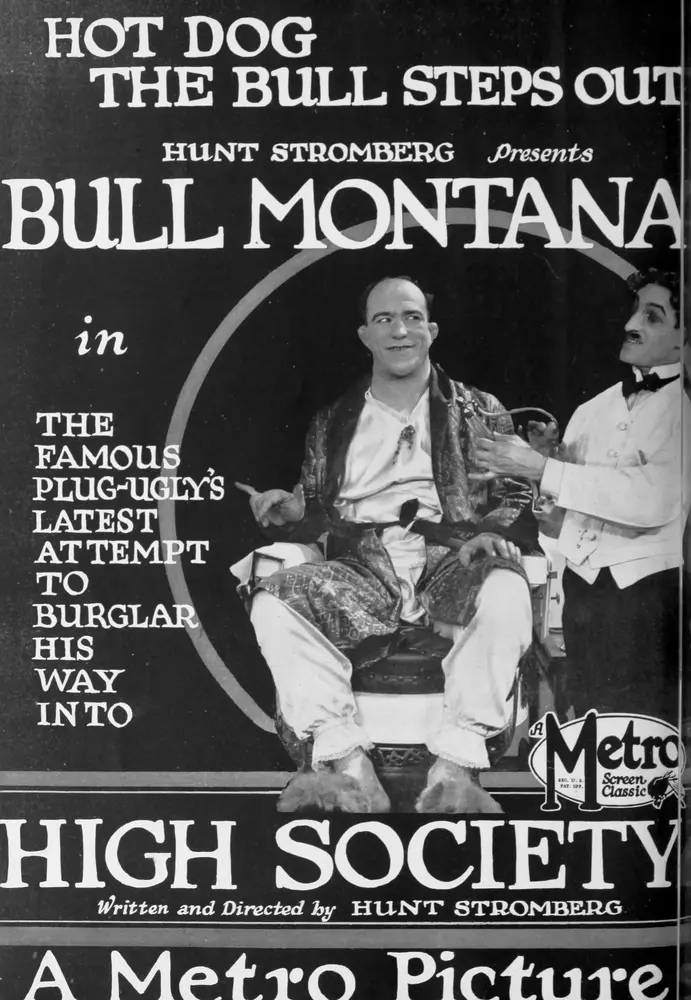
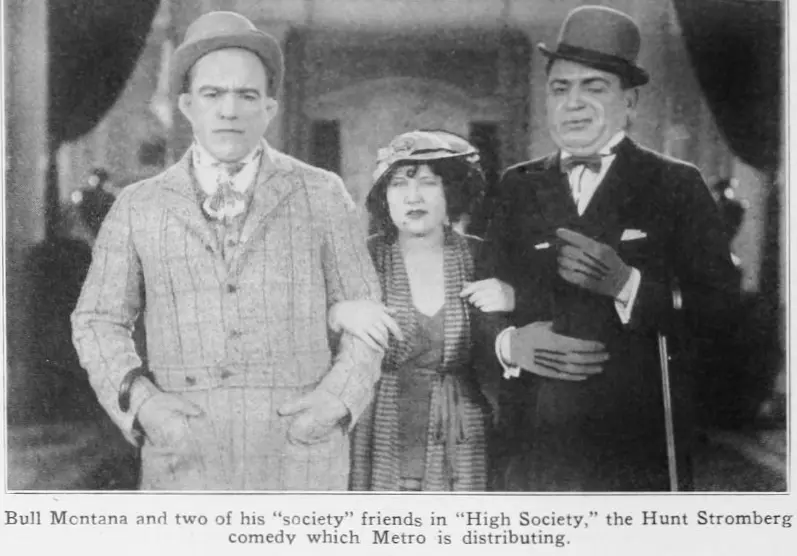
When the opening credits roll, the audience is thrust into a Manhattan nightscape that glitters like a shattered mirror—reflections of wealth, ambition, and the ever‑present specter of decay. Bull Montana, whose towering frame dominates every frame, is introduced not merely as a character but as a force of nature, a modern‑day titan whose every gesture reverberates with both menace and magnetism. His portrayal of Jack "The Bull" Montana is a masterclass in physical storytelling; the subtle twitch of his jaw, the deliberate pacing of his steps, and the bruised elegance of his smile convey a man who is simultaneously a builder and a destroyer.
The film's narrative architecture is meticulously layered. Early scenes establish Montana's acquisition of the rooftop club "Echelon," a venue that becomes the epicenter of the city's high‑society rituals. The cinematography, drenched in chiaroscuro, uses the club's towering glass walls to juxtapose the luminous façade of luxury against the darkness that lurks beyond. This visual metaphor is echoed in the screenplay's dialogue, which oscillates between razor‑sharp wit and lyrical melancholy, reminding the viewer that every toast is a thin veneer over a deeper, more unsettling truth.
Montana's performance is undeniably the film's nucleus, yet it is the surrounding ensemble that furnishes the necessary texture. Lila Hart, portrayed by a luminous newcomer, commands the stage with a voice that seems to pierce the very soul of the city. Her ballads, rendered in a haunting minor key, serve as an auditory counterpoint to the clinking of champagne glasses, underscoring the film's central tension between art and commerce.
Evelyn Shaw, the intrepid journalist played with fierce intelligence, provides the moral compass that the narrative desperately needs. Her investigative arcs—ranging from the discovery of a concealed ledger to the covert meetings with disillusioned financiers—are rendered with a kinetic urgency that keeps the plot from stagnating. The chemistry between Shaw and Montana, oscillating between antagonistic sparring and begrudging respect, adds a layer of emotional complexity that elevates the film beyond a simple rise‑and‑fall tale.
At its core, "High Society" is an incisive critique of the American Dream's darker underbelly. The film interrogates the notion that success is a linear ascent, instead presenting it as a precarious tightrope stretched over an abyss of moral compromise. The recurring motif of the missing ledger—a ledger that details illicit transactions, blackmail payments, and the names of those who have sold their integrity for a seat at the table—functions as a MacGuffin that propels the narrative while simultaneously symbolizing the hidden debts that underpin every gilded lifestyle.
In a scene reminiscent of the moral dissection found in Success, Montana confronts his own reflection in a polished brass elevator door, questioning whether his empire is built on genuine admiration or sheer intimidation. The film's dialogue here is a masterstroke, blending philosophical rumination with street‑level cynicism: "The world will applaud the roar of a lion, but it forgets the mouse that fed it."
Director Amelia Voss employs a visual language that feels both retro and avant‑garde. The use of long, uninterrupted takes within the club’s bustling floor creates a sense of voyeuristic immersion, allowing the audience to feel as though they are part of the elite crowd. Meanwhile, the score—an eclectic blend of jazz brass, orchestral swells, and subtle electronic undertones—mirrors the film's thematic duality. The brass sections, particularly during the climactic gala, echo the dark orange hue (#C2410C) that permeates the set design, while the softer, sea‑blue (#0E7490) piano motifs accompany moments of introspection, especially during Lila's solitary performances.
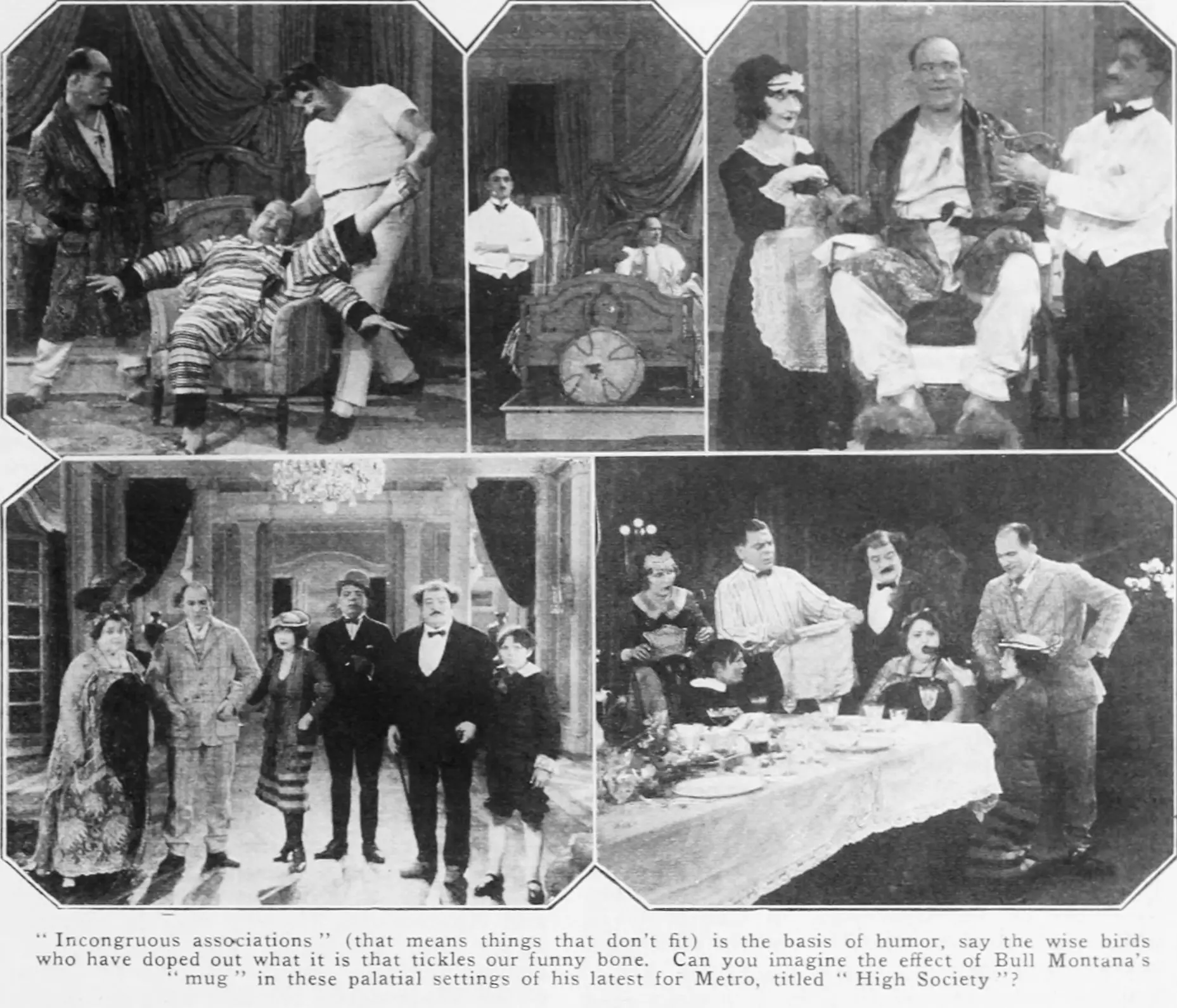
Production design deserves special mention. The club’s interior is a study in opulent decadence: velvet drapes in deep mahogany, chandeliers that cast a golden haze reminiscent of #EAB308, and mirrored surfaces that multiply every gesture, suggesting that in high society, every action is observed, replicated, and judged. The meticulous attention to period‑accurate costumes—tailored tuxedos, silk gowns, and the occasional flamboyant feathered hat—adds authenticity while also serving as visual shorthand for each character’s social station.
The film’s pacing is deliberate, allowing the audience to savor the gradual buildup of tension. The first act establishes the world with measured elegance; the second act, where the scandal unfurls, accelerates with a series of tight, intercut sequences that heighten suspense. The final act, a meticulously choreographed gala, functions as a crucible where all hidden motives erupt. This structural rhythm mirrors the classic three‑act format seen in The Servant in the House, yet Voss injects a modern sensibility that feels fresh and urgent.
Notably, the screenplay avoids the temptation of melodramatic exposition. Instead, it relies on visual storytelling: a spilled glass of champagne that stains a contract, a fleeting glance between Montana and Shaw that conveys unspoken tension, and a solitary cigarette burning out as the ledger is finally revealed. These moments underscore the film’s confidence in its audience’s ability to read between the lines, a hallmark of sophisticated cinema.
While "High Society" stands as a distinct work, it inevitably invites comparison to several genre‑defining titles. The moral ambiguity of Montana recalls the conflicted anti‑hero of The Serpent, while the journalistic pursuit mirrors the relentless investigation in The Brass Bullet. Moreover, the film’s exploration of class disparity aligns with the social commentary in Gift o' Gab, though Voss opts for a more visceral, almost tactile representation of wealth’s corrosive power.
The gala sequence, with its cascading light and orchestrated chaos, evokes the climactic ballroom scene of It's a Boy, yet it diverges by foregrounding the psychological unraveling of its protagonist rather than merely serving as a spectacle. This shift underscores Voss’s commitment to character‑driven drama over pure visual opulence.
"High Society" arrives at a moment when audiences are increasingly skeptical of the glittering facades presented by media and influencers. Its unflinching portrayal of a man who builds an empire on both charisma and coercion resonates with contemporary conversations about power dynamics in the entertainment industry. The film’s nuanced approach to gender, particularly through Evelyn Shaw’s relentless pursuit of truth, offers a refreshing counterpoint to the traditionally male‑centric narratives of its silent‑era predecessors.
In the broader cinematic landscape, the film may well be regarded as a touchstone for future explorations of decadence and downfall. Its blend of period authenticity, modern thematic relevance, and bold visual style creates a template that could inspire a new wave of socially aware period dramas.
"High Society" is not merely a story about a man’s rise and fall; it is a meticulously crafted meditation on the fragile architecture of fame, the moral compromises that sustain it, and the inevitable reckoning that follows. Bull Montana delivers a performance that is both physically imposing and emotionally resonant, anchoring a film that dazzles with its aesthetic while never losing sight of its incisive commentary. For viewers seeking a cinematic experience that marries sumptuous production values with intellectual rigor, this film offers a compelling, unforgettable journey.
IMDb —
1926
Community
Log in to comment.