DbcultAccessing Vault...
Cult Review
Senior Film Conservator
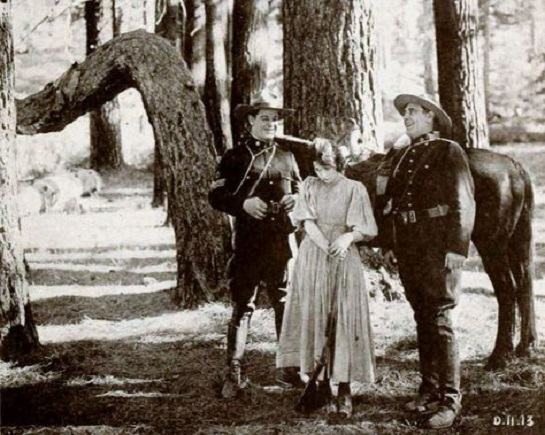
The cinematic landscape of the 1920s was replete with tales of outlaws and lawmen, but few captured the essence of the human condition as poignantly as 'The Challenge of the Law'. Directed by Scott R. Dunlap and released in 1920, this silent film tells the story of a Canadian Mountie who, driven by his unwavering commitment to justice, pursues a notorious outlaw across the border into the unforgiving American desert. What complicates this straightforward narrative, however, is the Mountie's profound love for the fugitive's daughter, a factor that introduces a layer of emotional depth to the film that was rare for its time.
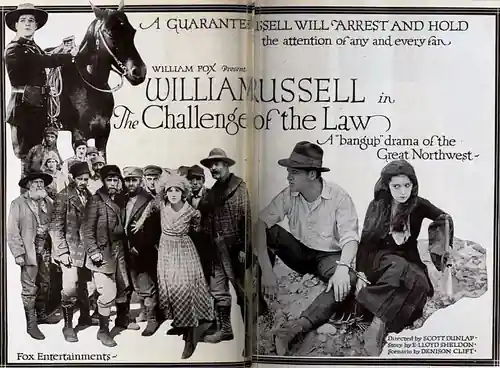
The film boasts a talented cast, including Jim Farley, Robert Klein, and Helen Ferguson, each bringing their unique presence to the screen. Farley, in particular, shines as the Canadian Mountie, his expressions conveying the turmoil of a man torn between his duty and his heart. The chemistry between Farley and Ferguson, who plays the outlaw's daughter, is palpable, making their storyline a compelling aspect of the film. The cinematography is equally impressive, with the desert landscapes shot in a way that emphasizes their harsh beauty and the solitude of the characters.
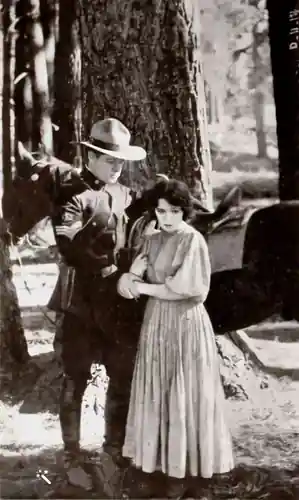
Visually, the film is striking, with its use of light and shadow to create a sense of depth and emotion. The silent film medium, often misconceived as lacking in depth, is here used to its full potential, with each frame telling a story that transcends the need for dialogue. The pacing of the film is well-balanced, moving seamlessly from moments of high tension during the pursuit to more introspective scenes that delve into the characters' motivations and emotions.
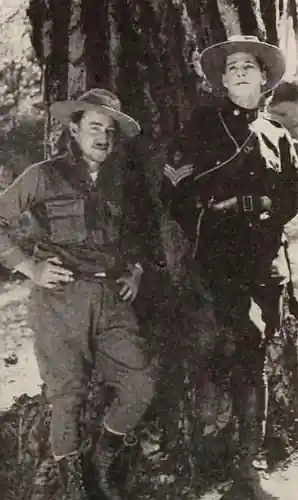
In comparison to other films of the era, such as The Hero of Submarine D-2 and Dynamite, 'The Challenge of the Law' stands out for its nuanced exploration of the human condition. While these films focus more on action and external conflict, 'The Challenge of the Law' turns inward, examining the personal costs of duty and the blurred lines between right and wrong. This thematic depth is reminiscent of more contemporary works, showcasing the film's enduring relevance.
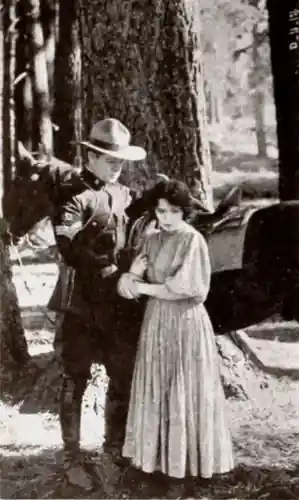
The themes of love and duty are central to the narrative, echoing through the desert landscapes like the whispers of the past. The Mountie's love for the outlaw's daughter serves as a metaphor for the redemptive power of love, challenging the traditional dichotomies of good and evil. This nuanced approach to character development adds a layer of complexity to the film, making it more than just a simple tale of a lawman chasing an outlaw.
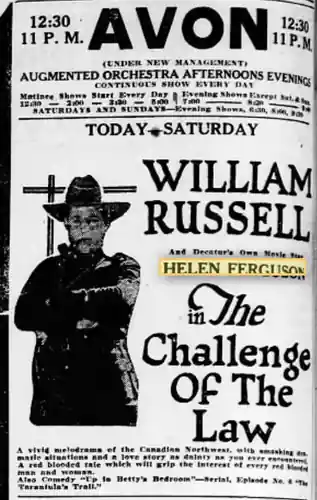
In conclusion, 'The Challenge of the Law' is a masterpiece of silent cinema, a film that not only captivates with its engaging storyline and memorable characters but also resonates deeply with its exploration of the human condition. For those interested in the silent film era or simply looking for a compelling story of love, duty, and redemption, 'The Challenge of the Law' is a must-see. Its influence can be seen in later films, such as The Good Bad-Man and Sadie Love, which also explore the complexities of human nature and the moral ambiguities of right and wrong.
The legacy of 'The Challenge of the Law' extends beyond its release in 1920, speaking to universal themes that transcend time and genre. It is a testament to the power of cinema to capture the essence of the human experience, to explore the deepest and most profound questions of existence through the medium of storytelling. As such, it remains a vital part of cinematic history, a film that continues to inspire and captivate audiences with its timeless beauty and emotional depth.
For viewers seeking to understand the evolution of cinema and the silent film era, 'The Challenge of the Law' is an essential watch. It provides a window into a bygone age, a time when cinema was still in its infancy and yet, was already capable of producing works of profound beauty and depth. The film's influence can be traced through the decades, visible in the works of later filmmakers who drew inspiration from its themes and storytelling techniques. Thus, 'The Challenge of the Law' not only stands as a masterpiece of its time but also as a foundational work in the history of cinema, a testament to the enduring power of film to captivate, inspire, and challenge its audiences.
IMDb 6.1
1933
Community
Log in to comment.