DbcultAccessing Vault...
Cult Review
Senior Film Conservator
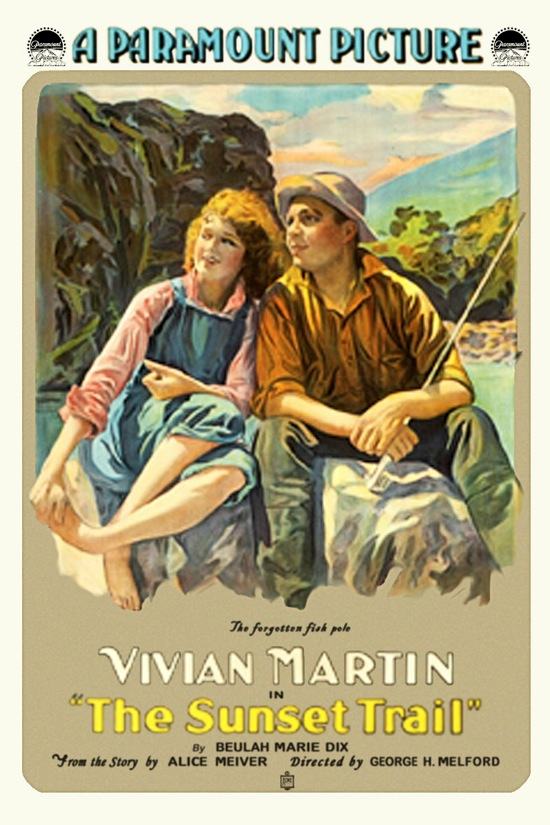
Imagine a nickelodeon in 1922, its air thick with coal-dust and buttered popcorn, the projector clattering like a sewing machine run by ghosts. Onto the frayed linen sheet flares The Sunset Trail, a film whose very title feels like a scar healed over in ochre. Director Beulah Marie Dix and scenarist Alice McIver lace this morality tale with enough proto-feminist barbs to make even a jaded flapper lower her kohl-rimmed gaze.
Cinematographer William Marshall renders the forest as a chiaroscuro cathedral: every birch trunk a Corinthian column, every fern a green psalm. When Bess (Vivian Martin) bolts from Treloar’s mansion, the camera chases her through a tunnel of moon-splattered pines. The undergrowth swallows her silk slippers; mud lacquers the hem of a dress that once grazed champagne flutes. The image is silent yet deafening—an indictment of Jazz-Age excess carved into celluloid.
Compare this to The Cheat, where Sessue Hayakawa’s branded skin glows like molten obsidian. Both films weaponize chiaroscuro, yet The Sunset Trail opts for bruised lavender rather than stygian blacks, suggesting that sin here is not diabolical but tragically human.
Vivian Martin—often pigeonholed as the winsome ingénue—flexes sinew beneath the lace. Watch her pupils dilate when she first inhales cigarette smoke: a micro-eclipse of curiosity and self-disgust. Her gait metamorphoses from lumberjack stride to ballroom glide, each step a stanza in a kinetic poem about performative femininity.
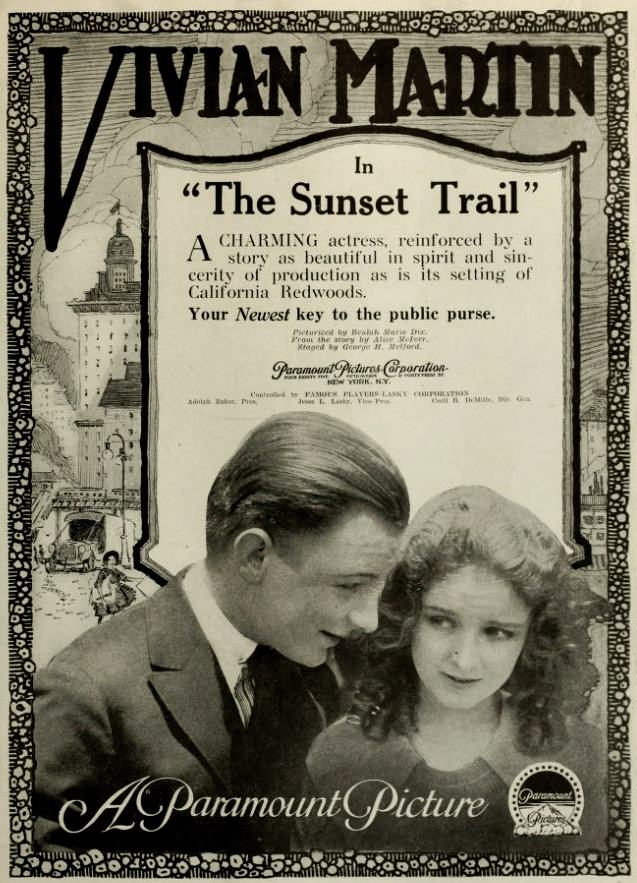
Opposite her, Harrison Ford (no relation to the future Han Solo) sculpts Kirke as a reluctant prophet. His hands—calloused, ever half-clenched—speak of a man who wants to cradle the world yet fears it will bite. In one devastating intertitle he confesses: “I dread the day your laughter learns to lie.” The line lands like a stone in a still pond, sending ripples through the remainder of the narrative.
Bess’s mother, Carmen Phillips, glides through parlors draped in peacock feathers, her smile a cut-crystal decanter: beautiful, hollow, capable of shattering. She is less a parent than a cartographer, remapping her daughter’s moral continents with every whispered darling. The film refuses to monster her; instead it grants her a close-up—eyes shimmering with unspoken terror—as she watches Bess mimic her vices. In that flicker we glimpse self-awareness, perhaps even remorse, yet the camera pans away before redemption can germinate.
Meanwhile, Charles Ogle’s patriarch embodies the stoic West: a man who can skin a deer yet cannot articulate grief. His silence looms like a third character in every cabin scene. When he finally consents to Bess’s visit, his nod is so slight it feels like a fracture.
Viewers weaned on talkies may scoff at the absence of spoken word, but silence here is a sonic boom. Each intertitle arrives like a telegram from a warfront of the heart. Listen—metaphorically—to the hush between Kirke’s warning and Bess’s retort: it crackles with cicadas, the creak of leather boots, the subaudible thud of a conscience slamming shut.
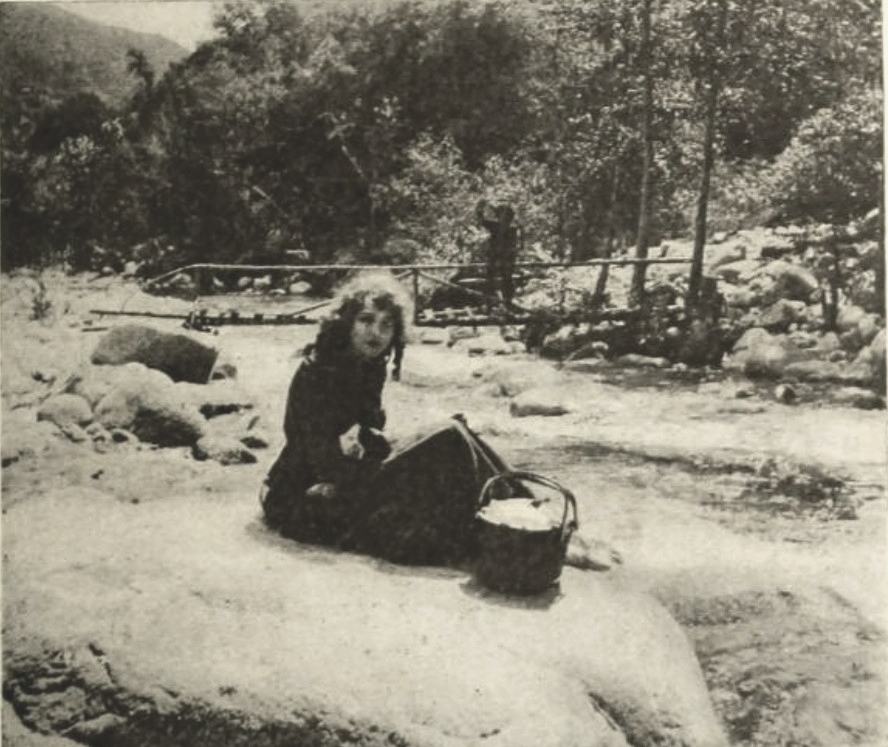
Irony perfuses every frame. Bess believes she is ascending into sophistication, yet each cigarette burn on the lacquered tabletop is a stigmata of regression. The more she masters cosmopolitan rituals, the more feral she becomes—until finally she flees into literal wilderness, reversing the frontier myth.
Set The Sunset Trail beside Three Weeks with its eroticized decadence, and you’ll notice both films luxuriate in silk, yet only Dix’s picture bothers to stain the fabric with moral iodine. Pair it with The Glory of Youth and you’ll see mirrored anxieties about generational contagion, though the latter blunts its teeth with sentimental reconciliation.
Even Oliver Twist offers a useful foil: where Dickens’ orphan navigates urban squalor, Bess traverses gilded rot. Both protagonists are innocence commodified, yet Bess’s salvation hinges not on benevolent surrogate fathers but on her own midnight exodus—a feminist inversion that still feels radical a century later.
Though shot in monochrome, archival prints were often hand-tinted. When Bess first donns her mother’s gown, the nitrate flares a sickly dark orange, as though the fabric itself were blushing with shame. During the forest flight, night scenes were dipped in sea-blue tones that make birch bark glow like drowned marble. Dawn’s reconciliation is washed in honey-yellow, a chromatic sigh that feels earned rather than ordained.
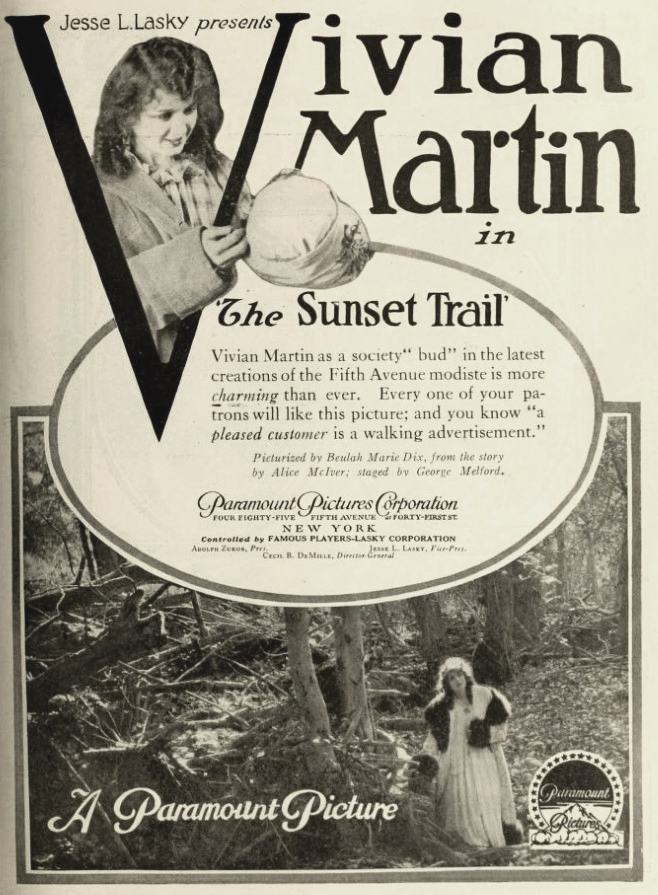
Bess’s tomboy origins are no quaint quirk; they are the film’s spine. Her ability to splice logs becomes, in the Eastern drawing room, a latent threat—she is a body that refuses to be entirely re-inscribed by chiffon. When she ultimately rejects that world, she does not revert to prelapsarian innocence; instead she synthesizes both selves, striding toward marriage with trousers beneath her wedding skirt. The closing shot—feet visible beneath a hem—reveals scuffed boots instead of satin slippers, a visual whisper that identity is perpetual becoming.
Dix, a lapsed Calvinist, smuggles in original sin via cocktail shakers. The apple here is a champagne flute; the serpent a stepfather with pomaded hair. Yet Eden is not a garden but a forest, and redemption is not divine but human—found in Kirke’s calloused palm gripping Bess’s scratched one as sunrise ignites the horizon.
At a brisk five reels, the film condenses years into gestures: a mother’s shrug, a daughter’s first cough of smoke, a man’s fist unclenching into an offering of wildflowers. Such compression could feel glib, yet the performances distil decades of backstory into micro-expressions. Note the tremor in Bess’s lower lip when she discovers her mother’s affair—not a theatrical collapse, but a single spasm that betrays the death of a universe.
Trace the bloodline forward and you’ll find The Sunset Trail’s fingerprints on Alice Adams’ social climbing, on Rebel Without a Cause’s generational meltdowns, even on Little Miss Sunshine’s refusal to equate femininity with fragility. The film is a missing link between Victorian cautionary tales and New Hollywood’s messy heroines.
Does the ending feel tidy? Perhaps. Yet the taint of what has been witnessed—peacock feathers muddied, champagne flutes cracked—lingers like a phantom taste of iron. The Sunset Trail is not a sermon but a scar, a film that scratches its initials into your forearm and dares you to forget the sting.
Seek it out in retrospectives, in 16 mm basement vaults, in the flickering pixels of a ripply stream. Let its silence roar. Let its colors—ochre, teal, honey—brand your eyelids. And when you next hear someone claim silent cinema is primitive, smile the way Bess smiles at Kirke when dawn finds them: rueful, grateful, utterly alive.

IMDb 6.2
1932
Community
Log in to comment.