Summary
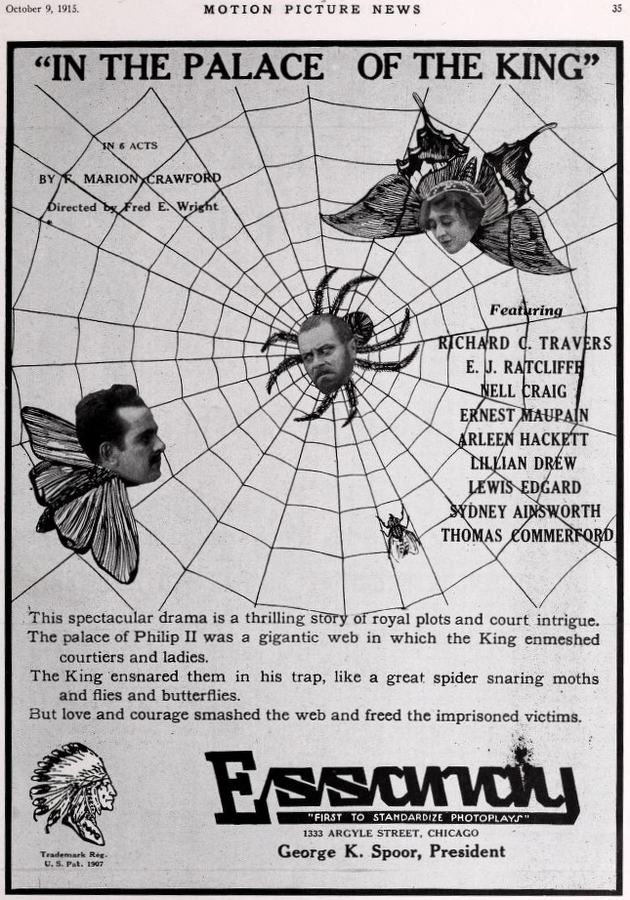
Madrid’s ochre walls still echo with hoofbeats when Don John—victor over Granada’s crimson sunsets—rides beneath triumphal arches of rose petals that cling to his cuirass like fireflies of adoration. Courtly balconies tremble: ladies drop lace handkerchiefs, urchins brandish toy rapiers, yet the applause curdles in Philip II’s cupped ear into a sour vintage of dread. The king’s ink-stained fingers tighten around a parchment decree; envy, that pale spider, spins silver across his pupils while he watches the bastard half-brother who can kindle crowds as effortlessly as a flintstone sparks tinder. Into this crucible of ovation strides Dolores de Mendoza—her blood the sapphire of Old Castile, her gaze a scythe that slices through the perfume of sycophancy—escorted by a father whose breastplate reflects filial devotion and feudal dread in equal shimmer. What follows is no mere dalliance but a slow-motion duel between illumination and occlusion: clandestine letters slipped beneath gilded doors, moonlit balconies where whispers drip like candle wax, and a blind sister who trades darkness for cloak-and-dagger cunning, swapping mantillas in a masque that fools even starlight. Perez, the king’s quill-wielding serpent, and Princess Eboli, whose beauty is a gilded cage for unspoken ambitions, conscript love itself as insurgent. They traffic in rumor, forge sigils, and bait traps baited with longing—until Philip, convinced fraternal affection masks regicide, drives steel through fraternal flesh. Yet the blade, deflected by a rib thought heroic, merely wounds; mendacity pools on flagstones like spilled communion wine; a jester’s tabor heralds resurrection; and in the chapel’s candle-hush, vows are exchanged while monarchs arrive too late to unwrite a destiny sealed by kiss and chrism.
Synopsis
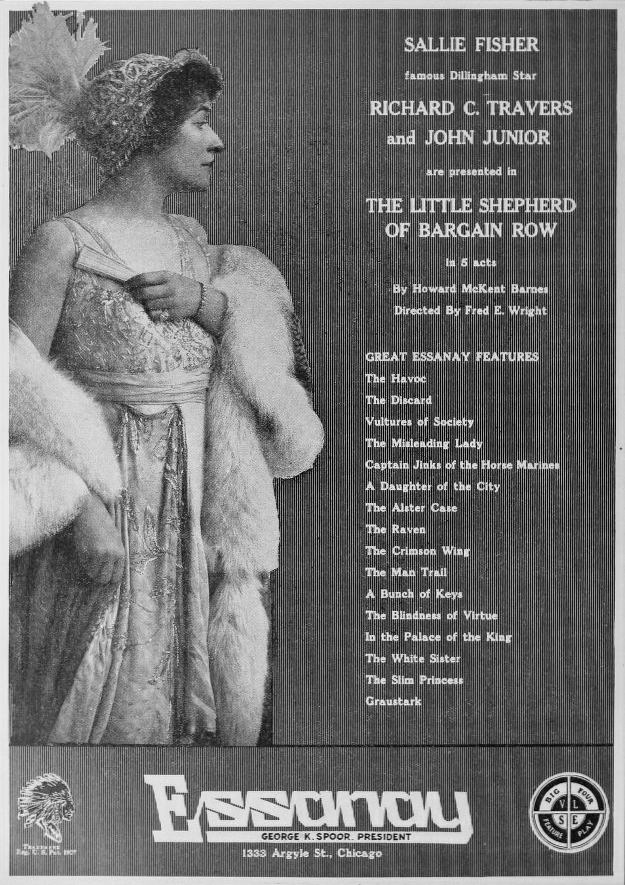
"In the Palace of the King" is wholly a romance of the court of Spain, in which Don John of Austria is in love with Dolores de Mendoza, daughter of the commander of the King's Guard. The action opens with the victorious return to Madrid of Don John and his army after defeating the Moors and conquering Granada for Spain. Don John is acclaimed by the people as a national hero and his popularity arouses the envy of his half-brother, King Philip II of Spain, who opposes his relations with Dolores. Perez, the King's secretary, and the Princess Eboli, lady in waiting to the Queen, meanwhile are involved in a conspiracy to overthrow their sovereign, and plot to use Don John's love for Dolores as a vehicle to attain their ends. The King, when he learns of Don John's affection for Dolores, orders the commander of his guard to put an end to the attachment, and Mendoza, torn between love for his daughter and what he considers loyalty to his King, finally orders Dolores put under lock and key and threatens to kill Don John if he attempts to see her. Through the quick wit of Inez, blind sister of Dolores, the latter is enabled to escape and meets Don John. She tells him of their danger and he hides her in his study. Perez and the Princess Eboli take advantage of the situation and the princess offers to take Dolores away from Don John. Mendoza consents, but the princess, in the darkness, fails to recognize Inez, who had changed clothing with Dolores and when Inez slips into a secret passage she believes it was Dolores who escaped her. Perez informs the King that Dolores is to be found in Don John's quarters, and the sovereign, raging, goes there and accuses his half-brother of conspiring to dethrone him. Arguments follow, in which the King stabs Don John, and, Mendoza, ever loyal, agrees to shoulder the blame for Don John's death, and announces to the assembled court that he killed him. King Philip craftily weaves a net of evidence around Mendoza, but Dolores, who, hidden in Don John's study, had heard all that passes, rushes in and threatens to expose the King's falsehood unless her father is released. The King, fear-stricken, signs an order for the release of Mendoza. Meanwhile the court jester learns that Don John is not dead, but merely slightly wounded, and Dolores is summoned. A priest is obtained and the sweethearts are married, just as the king and other court officials arrive, and a general rejoicing ends the play.
Review Excerpt
"
p{margin-bottom:1.2em;text-align:justify;}
a{color:#EAB308;text-decoration:none;border-bottom:1px dotted #EAB308;}
a:hover{color:#C2410C;border-bottom:1px solid #C2410C;}
blockquote{border-left:4px solid #0E7490;padding-left:1rem;margin:1.5em 0;font-style:italic;color:#e0e0e0;}
h2{color:#C2410C;font-weight:400;letter-spacing:1px;margin-top:2em;}
h3{color:#EAB308;font-weight:400;margin-top:1.5em;}
ul{list-style-type:none;padding-left:1.2em;}ul li:before{content:"\\2726";color:#0E7490;padding-ri..."