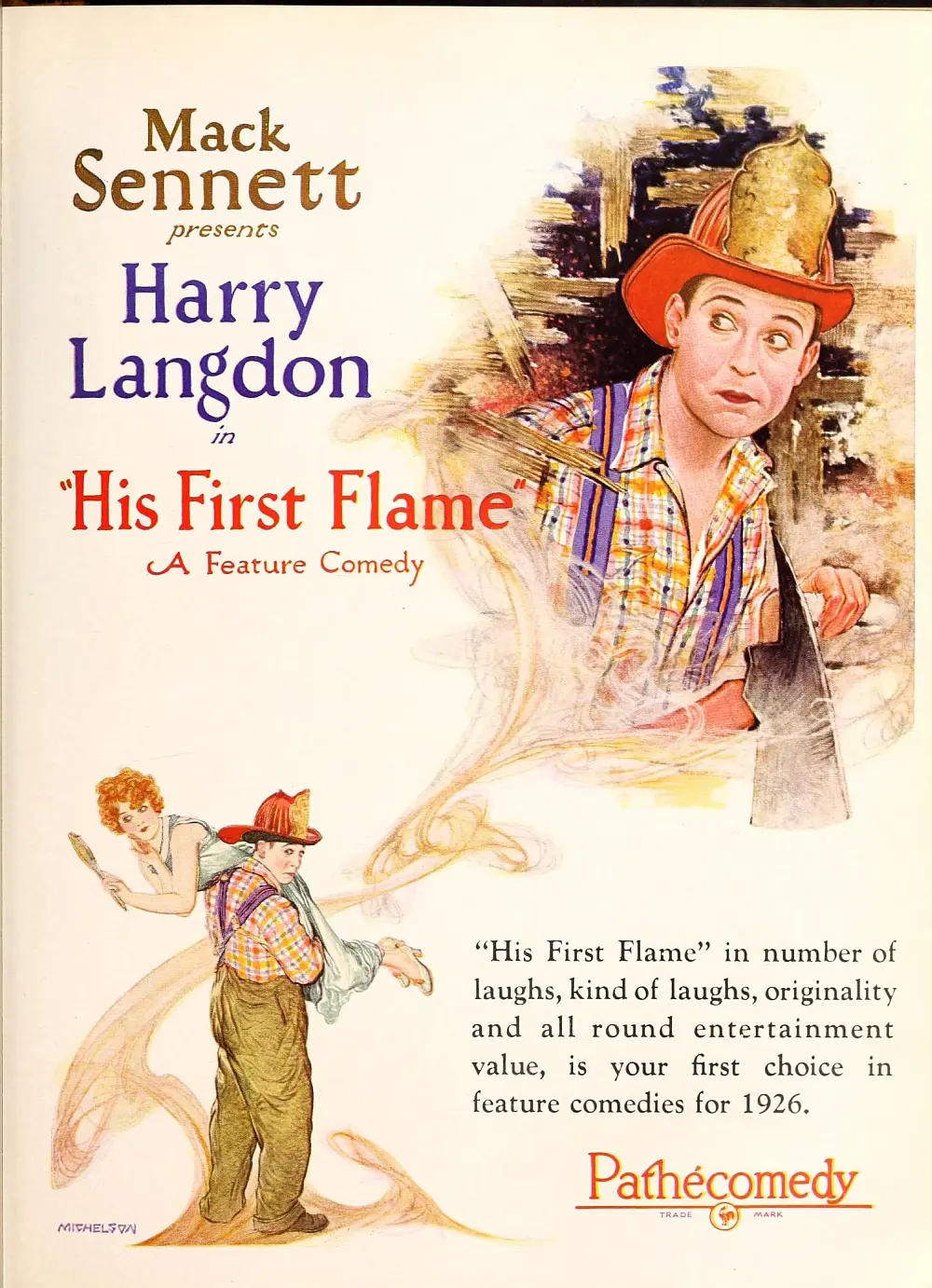
A definitive 5.8/10 rating for a film that redefined the boundaries of cult cinema. His First Flame remains a cornerstone of transgressive art.
A Spark of Genius or a Fading Ember?
Is His First Flame worth watching today? Short answer: yes, but with significant caveats. This 1927 silent comedy, starring the inimitable Harry Langdon and co-written by a young Frank Capra, offers a fascinating glimpse into a bygone era of filmmaking, rich with historical significance and a unique brand of physical humor. However, its pacing and comedic sensibilities are decidedly of its time, meaning it won't resonate with everyone.
This film is for silent film enthusiasts, film historians, and anyone curious about the early careers of its key talents. It's also a worthwhile watch for those who appreciate the more nuanced, melancholic style of comedy that Langdon perfected. Conversely, it is NOT for viewers seeking rapid-fire modern humor, complex narratives, or those unfamiliar with the conventions of silent cinema. If you struggle with the slower rhythm and visual storytelling of the 1920s, this might prove a challenging watch.
This film works because: It showcases Harry Langdon's distinctive, pathos-laden comedic style and offers a rare early glimpse into Frank Capra's writing contributions.
This film fails because: Its humor can feel dated and its narrative, while charming, lacks the sophisticated punch of later comedies, occasionally dragging in its setup.
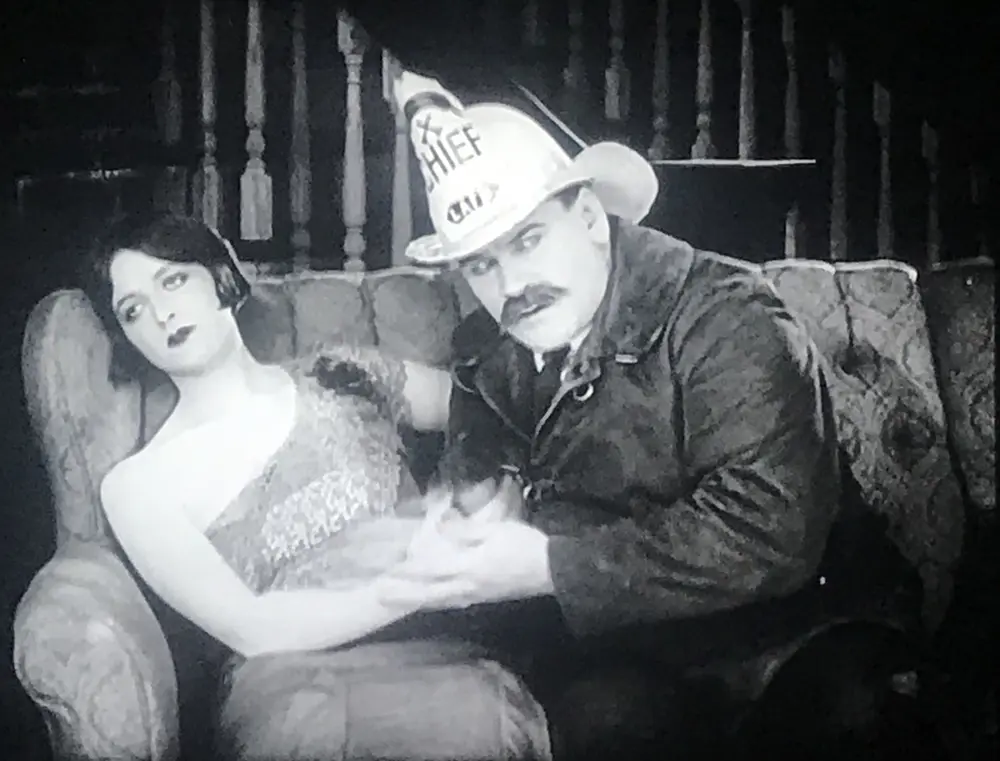
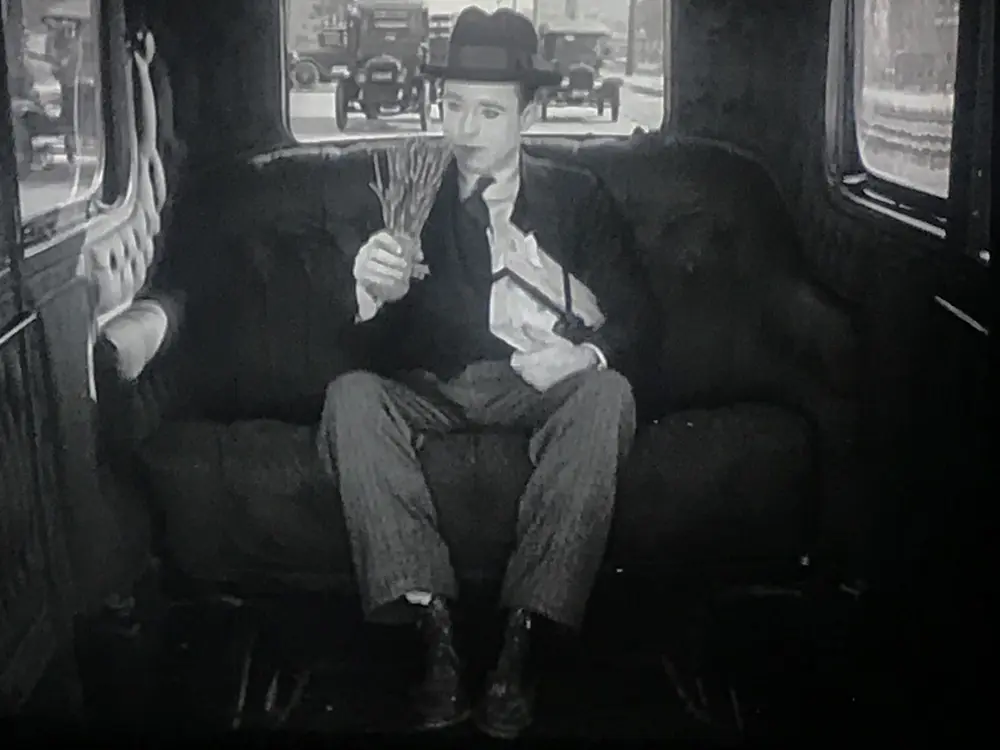
Scene from His First Flame
Cinematic perspective: Exploring the visual vocabulary of His First Flame (1927) through its definitive frames.
You should watch it if: You have an appreciation for silent film history, the unique artistry of Harry Langdon, or want to trace the origins of Hollywood's golden age talents.
The Plot: An Old-Fashioned Tinderbox
At its core, His First Flame is a classic comedic setup: an older, experienced character attempting to guide (or misguide) a younger, naive one. Here, the stern Fire Chief, played by Bud Jamison, is a man utterly convinced of the perils of matrimony. His worldview is one of cynical caution, a stark contrast to the wide-eyed optimism of his nephew, Harry (Harry Langdon).
The Chief's mission is clear: save Harry from the 'trap' of marriage to his beloved Ethel (Natalie Kingston). This premise allows for a series of escalating gags as the Chief's increasingly elaborate schemes to deter Harry inevitably backfire, often with disastrous, yet comically predictable, results. The film leans heavily into the physical comedy derived from these misunderstandings, with Langdon’s signature innocent bewilderment as the emotional core.
While the plot is simple, it’s remarkably effective as a vehicle for Langdon's particular brand of humor. It’s less about intricate twists and turns, and more about the character reactions and the visual spectacle of an overly-protective uncle's plans going spectacularly awry. The dynamic between the blustering Chief and the perpetually bewildered Harry is the engine of its charm.
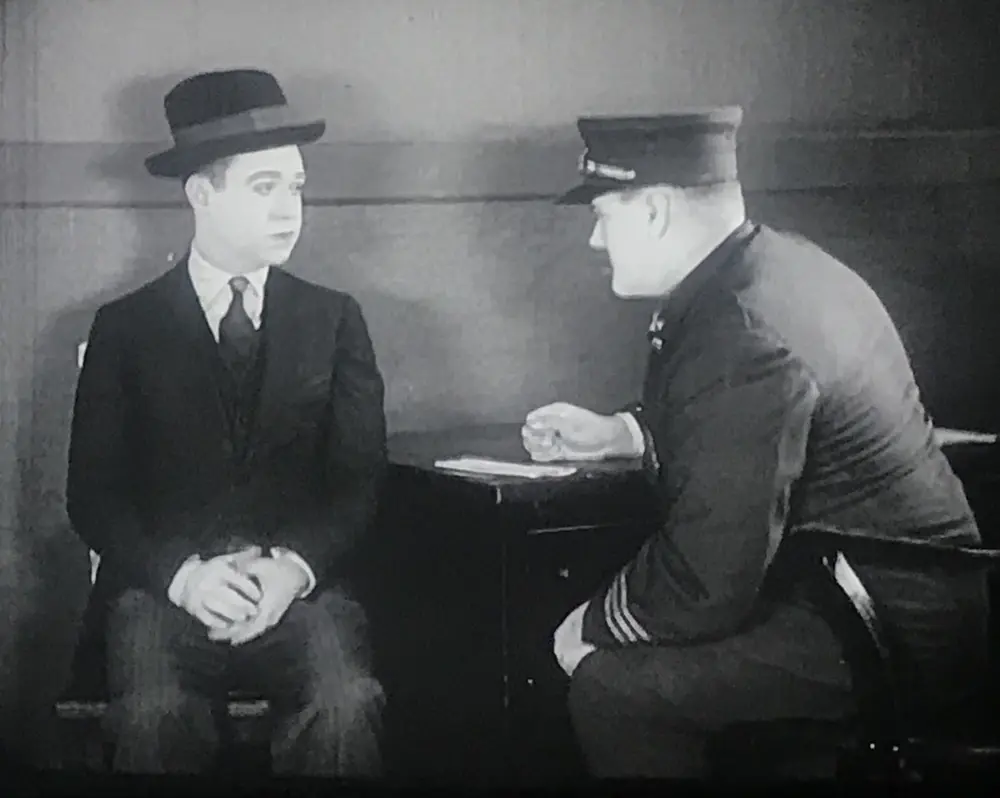
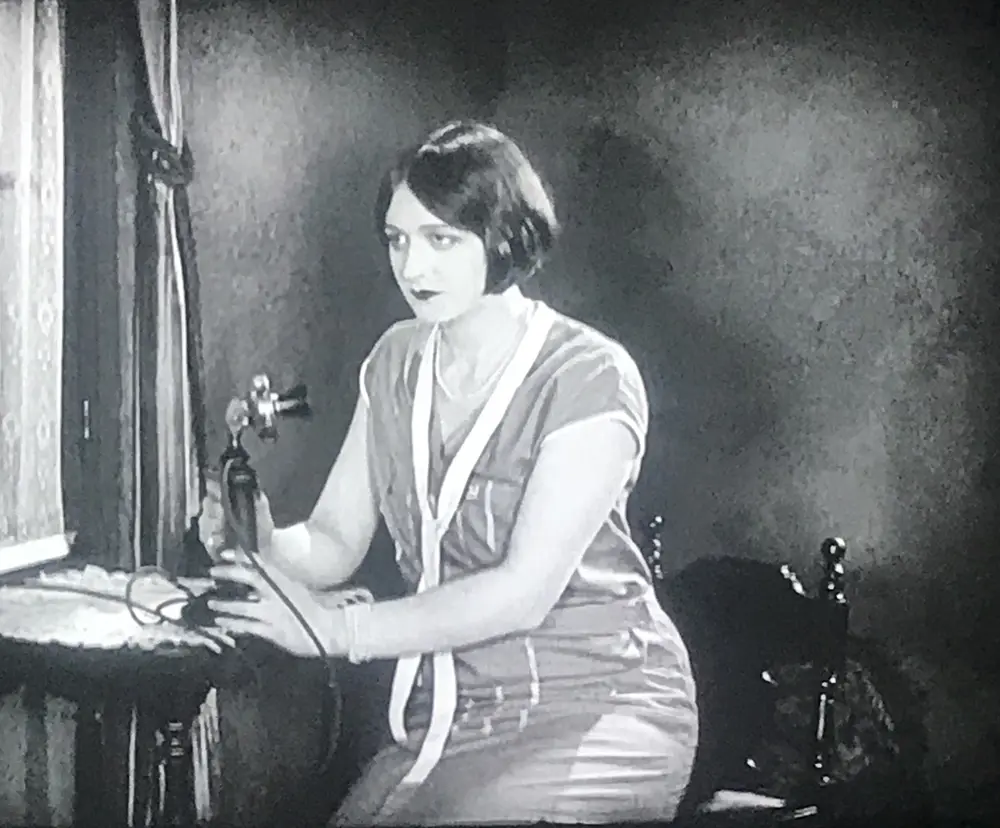
Scene from His First Flame
Cinematic perspective: Exploring the visual vocabulary of His First Flame (1927) through its definitive frames.
Harry Langdon: The Man-Child's Appeal
Harry Langdon occupies a unique, often understated, corner of silent comedy. Unlike the acrobatic brilliance of Keaton or the everyman pathos of Chaplin, Langdon's comedy is rooted in a childlike innocence, a bewildered gaze, and a slow-burn reaction to the chaotic world around him. In His First Flame, this persona is on full display, making him both endearing and, at times, frustratingly passive.
Langdon's signature 'baby stare' and his seemingly perpetual state of mild confusion are central to the film's appeal. He doesn't actively seek out trouble; rather, trouble seems to find him, and his reactions are often delayed, almost as if his mind is slowly processing the absurdity unfolding. This is evident in scenes where the Fire Chief launches into a tirade against marriage, and Langdon's face subtly shifts from hopeful anticipation to a quiet, almost sad resignation, before bouncing back to determination.
His physical comedy, while not as grand as his contemporaries, is precise. A simple stumble, a wide-eyed glance directly at the camera, or a slow, deliberate movement can elicit genuine chuckles. For example, his attempts to navigate domestic tasks while simultaneously dodging his uncle's matrimonial warnings are a masterclass in understated physical comedy, where the humor comes from his sheer earnestness in the face of escalating chaos. It’s an interesting relic. But it demands patience.
Frank Capra's Early Footprint
One of the most compelling aspects of His First Flame is the co-writing credit for Frank Capra. Before he became the iconic director of films like It's a Wonderful Life, Capra cut his teeth in the silent era, often contributing to Langdon's projects. While it’s challenging to isolate his exact influence in a collaborative writing process that also included Walter Lantz, Arthur Ripley, and Al Giebler, one can discern faint echoes of themes he would later explore.
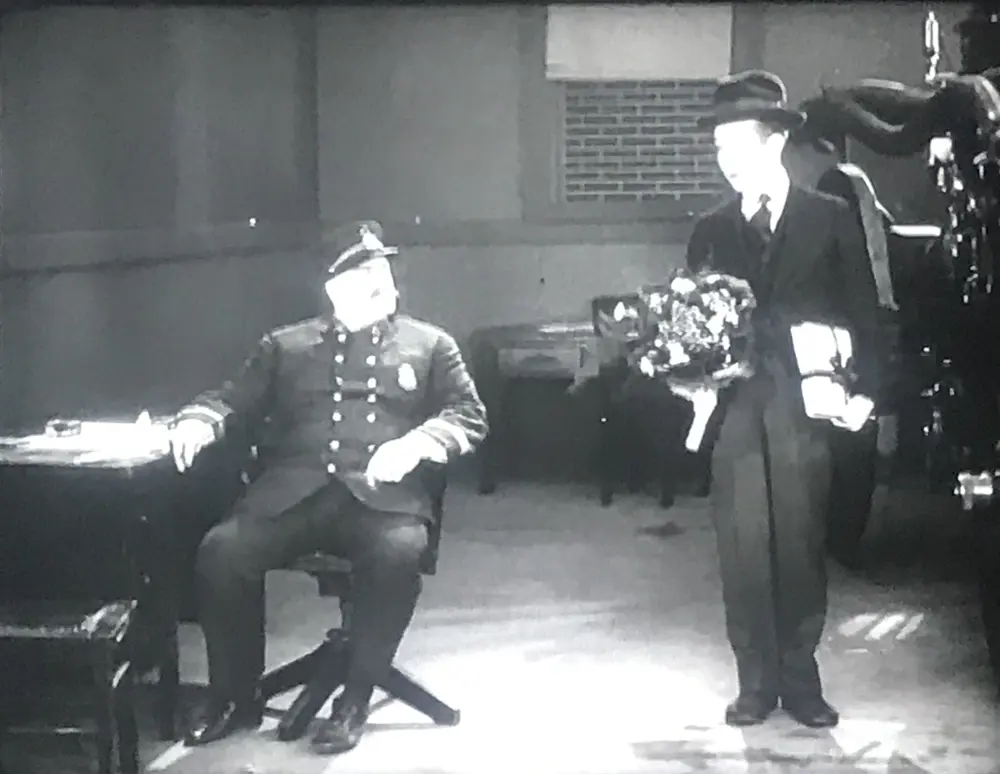
Scene from His First Flame
Cinematic perspective: Exploring the visual vocabulary of His First Flame (1927) through its definitive frames.
The idea of an innocent individual navigating a cynical world, and the ultimate triumph of simple goodness or love, are hallmarks of Capra's later work. Here, Harry’s unwavering devotion to Ethel, despite his uncle's best efforts to dissuade him, feels like a nascent exploration of that Capraesque idealism. The film’s focus on domestic bliss (or the perceived lack thereof) also aligns with the family-centric narratives Capra would later champion.
However, one could argue that His First Flame is more a testament to the prevailing comedic tropes of its time than a clear precursor to his later, more sophisticated directorial voice. The gags, while effective, are largely situational and physical, rather than driven by the sharp, character-based dialogue and moral dilemmas that would define Capra's sound films. It’s a foundational piece, certainly, but not yet a fully formed Capra vision. It works. But it’s flawed.
Direction and Cinematography: Silent Era Craftsmanship
The direction in His First Flame, while not groundbreaking, is competent and serves the comedic timing well. The film relies heavily on clear framing to deliver its visual gags, ensuring that Langdon's reactions and the escalating chaos are always front and center. Close-ups are used effectively to capture Langdon's nuanced facial expressions, which are crucial for his brand of humor.
Cinematography, typical of the era, is straightforward, prioritizing clarity and visibility over stylistic flourishes. The sets, often domestic interiors or simple street scenes, are functional and provide ample space for the physical comedy to unfold. There’s a particular scene involving a garden hose that showcases the director's understanding of how to build anticipation and execute a payoff through simple, well-timed visual cues.
Scene from His First Flame
Cinematic perspective: Exploring the visual vocabulary of His First Flame (1927) through its definitive frames.
The pacing, a common point of contention for modern viewers of silent films, is deliberate. It allows Langdon’s slow-burn reactions to register, but it can also feel somewhat sluggish in moments where the gags don't land with immediate impact. This isn't a film that rushes its jokes; it lets them simmer, which can be both a strength and a weakness depending on individual taste. It’s striking how much of the film's humor relies on a kind of 'slow-burn' visual gag, a stark contrast to the kinetic energy of a Keaton or Chaplin, almost daring the audience to find the protracted discomfort amusing.
Is This Film Worth Watching Today?
Yes, His First Flame is absolutely worth watching today for specific audiences. If you are a student of film history, a silent comedy aficionado, or a fan of Harry Langdon's unique style, this film offers significant value. It provides a window into the comedic landscape of the late 1920s and the formative years of some of Hollywood's most influential figures. It's an interesting relic, providing context for the evolution of screen comedy.
However, for a casual viewer expecting the fast-paced, dialogue-driven humor of contemporary cinema, it will likely feel slow and dated. The humor is subtle, often relying on visual cues and the audience's patience to appreciate Langdon's distinct comedic rhythm. Approach it with an open mind and an appreciation for its historical context, and you will find moments of genuine charm and cleverness.
Pros and Cons
Pros:
Harry Langdon's Performance: A masterclass in understated, innocent comedy, showcasing his unique 'baby stare' and bewildered reactions.
Historical Significance: An important document of silent cinema, featuring early writing contributions from Frank Capra and other notable talents.
Charming Visual Gags: Many of the physical jokes are well-executed and still elicit smiles, particularly those involving water and domestic mishaps.
Unique Tone: Offers a distinct comedic voice compared to the more overtly physical or slapstick styles of other silent stars.
Cons:
Dated Humor: Some gags and comedic rhythms may not land with a modern audience, requiring an adjustment of expectations.
Pacing Issues: The film can feel slow in parts, especially for those unaccustomed to the deliberate timing of silent comedies.
Simple Plot: While effective, the narrative is quite straightforward and lacks the complexity or thematic depth of later films.
Limited Accessibility: Without a strong score or restoration, the viewing experience can be challenging for new audiences.
The Enduring Legacy of "His First Flame"
His First Flame, like many silent comedies, holds a particular place in film history. It's not a film that typically appears on 'greatest of all time' lists, but its value lies in its contribution to the careers of its key players and its representation of a specific comedic style. Harry Langdon, though his star dimmed with the advent of sound, left behind a body of work that continues to fascinate those who delve into the silent era.
Scene from His First Flame
Cinematic perspective: Exploring the visual vocabulary of His First Flame (1927) through its definitive frames.
The presence of Frank Capra in the writing credits is perhaps its most compelling historical hook. It allows cinephiles to trace the very nascent stages of a legendary career, observing how early narrative structures and character dynamics might have influenced his later, more celebrated works. While the film itself doesn't scream 'Capra-esque' in the way his later films do, it's a vital piece of his professional mosaic.
Compared to other films of its time, such as The Abysmal Brute or even the more obscure The Monkey Mix-Up, His First Flame stands out primarily due to Langdon's unique appeal and the intriguing behind-the-scenes talent. It’s a testament to the diverse range of comedic voices that thrived in the 1920s, showing that not all humor needed to be slapstick or overtly physical to find an audience. Langdon's unique brand of pathos and childlike innocence, while endearing to some, can feel jarringly out of step with the rapid-fire wit often expected of silent comedy.
Key Takeaways
Best for: Silent film aficionados, film historians, and fans of Harry Langdon's distinctive comedic style.
Not for: Viewers seeking fast-paced modern humor or those with little patience for silent film conventions.
Standout element: Harry Langdon's portrayal of the innocent, love-struck Harry, a masterclass in understated physical comedy and bewildered charm.
Biggest flaw: Its pacing can feel sluggish to contemporary audiences, and some of the humor hasn't aged particularly well.
Verdict: A Warm Glow, Not a Blazing Inferno
His First Flame is a curious and charming relic, a film that offers more historical and stylistic interest than outright belly laughs for a modern audience. It's an important piece in the puzzle of Harry Langdon's career and an early, albeit faint, footnote in the legendary career of Frank Capra. While it may not ignite a blazing passion in every viewer, it certainly casts a warm, inviting glow for those willing to appreciate its unique place in cinematic history.
For those who understand the language of silent cinema and appreciate the subtle artistry of a forgotten comedic genius, His First Flame is a worthwhile, if not essential, viewing. It serves as a gentle reminder that humor, like love, takes many forms and often requires a patient, open heart to truly appreciate its unique spark.