DbcultAccessing Vault...
5.3/10
Senior Film Conservator
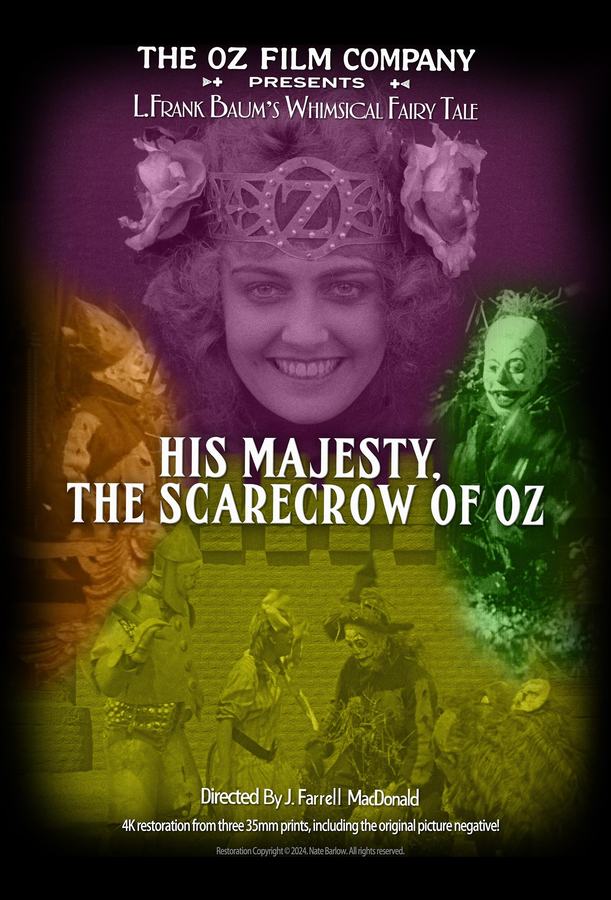
A definitive 5.3/10 rating for a film that redefined the boundaries of cult cinema. His Majesty, the Scarecrow of Oz remains a cornerstone of transgressive art.
From the first frame, the film throws the viewer into a world that feels both familiar and wildly fantastical. The kingdom is painted in muted greens and ochres, a stark contrast to the vibrant, almost cartoonish hues of Dorothy’s realm. The cinematography, though limited by the silent‑film technology of 1914, manages to capture the eerie stillness of the royal gardens and the frantic energy of the witch’s lair with a deft hand.
The narrative structure is straightforward, yet it is the subtle character dynamics that lend the story its depth. Princess Gloria is not a passive damsel; she is a woman of resolve, her eyes often darting to the horizon as if she can already sense the world beyond her gilded cage. Pon, on the other hand, is the embodiment of quiet rebellion—his hands, stained with soil, speak louder than any proclamation. Their love is a quiet, almost forbidden whisper that contrasts sharply with the king’s booming decrees.
Enter Dorothy, a stranger who carries with her a suitcase of curiosity and a heart full of hope. Her arrival is nothing short of cinematic: a gust of wind, a flick of her hat, and the world tilts. Dorothy’s presence is the catalyst that brings the disparate elements of the plot together, turning a simple love story into an epic quest. She is the bridge between the mundane and the magical, a role that the film handles with surprising finesse.
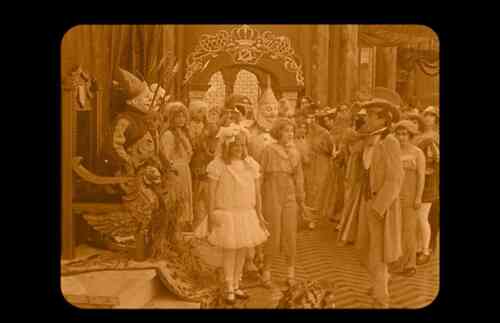
The king’s obsession with control is palpable. His voice, amplified by the booming intertitles, declares a marriage that is less about love and more about political alliance. The courtier, a grotesque figure with a penchant for theatrics, embodies the absurdity of royal pomp. The king’s insistence on this union is a critique of autocratic governance, a theme that resonates even in contemporary discourse.
The film’s portrayal of the king’s tyranny is not merely a caricature; it is a nuanced exploration of how power can corrupt. His interactions with his subjects are laced with condescension, and his disregard for the princess’s autonomy underscores a broader commentary on gender roles in early twentieth‑century society.
Mombi’s entrance is a masterstroke of suspense. The camera lingers on her swirling robes, her eyes gleaming with a predatory intelligence. She is a villain who is as charming as she is menacing, a duality that keeps the audience guessing. Her motives are simple yet terrifying: to maintain the status quo by eliminating any threat to her dominion.
The witch’s lair is a labyrinth of shadows and flickering candles, a setting that amplifies the sense of dread. The sound design—though silent on film—relies on the stark contrast between the muffled whispers of the forest and the booming cries of the witch’s minions to create an immersive atmosphere.
The trio’s alliance is the heart of the film. Their journey through the treacherous gardens, the witch’s castle, and the final confrontation is a testament to the power of unity. Each character brings a unique skill set: Dorothy’s ingenuity, Pon’s bravery, and Gloria’s strategic mind. Together, they form a formidable force that challenges the oppressive structures that have long held the kingdom in bondage.
The film’s climax, a daring rescue of the princess, is a visual spectacle. The choreography of the fight scenes, though rudimentary, is executed with a sense of urgency that keeps the viewer on the edge of their seat. The final act, where the witch is defeated and the kingdom is liberated, is both cathartic and hopeful.
When placed alongside other silent‑era fantasies such as Patchwork Girl of Oz, this film stands out for its darker tone and complex political themes. While Patchwork Girl leans into whimsical adventure, His Majesty, the Scarecrow of Oz offers a more grounded critique of authoritarianism. The comparison highlights the evolution of the Oz mythos from a child‑centric escapade to a mature exploration of power dynamics.
The film also shares thematic parallels with the classic Dickensian narrative of Oliver Twist. Both stories feature protagonists who are thrust into corrupt systems and must navigate moral dilemmas while seeking freedom. The juxtaposition underscores the universal appeal of stories that celebrate resilience against oppressive structures.
The use of color is symbolic throughout the film. The dark orange (#C2410C) is employed in scenes of confrontation, signifying danger and passion. The yellow (#EAB308) illuminates moments of hope and revelation, while the sea blue (#0E7490) underscores the calm before the storm. These hues are not merely decorative; they serve as narrative devices that guide the audience’s emotional response.
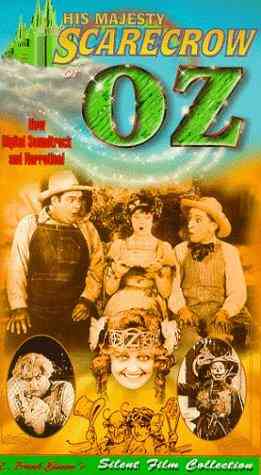
The cinematographer’s choice to shoot in high contrast black and white frames the story in a timeless light. The stark shadows cast by the witch’s candles and the bright shafts of sunlight that break through the garden’s canopy create a visual dichotomy that mirrors the film’s thematic opposition between light and darkness.
Louise Emmons delivers a performance that is both subtle and potent. Her portrayal of Princess Gloria is layered; she conveys longing through a single, lingering glance, yet her body language speaks of a woman ready to defy convention. Mildred Harris, as the witch, is a master of menace, her exaggerated gestures and piercing stare making her a memorable antagonist.
The director’s pacing is meticulous, allowing each scene to breathe while maintaining an overall momentum that never stalls. The intertitles are concise, yet they carry weight, offering philosophical musings that complement the visual storytelling.
Though released over a century ago, the film’s exploration of autonomy, resistance, and the corrupting nature of power remains relevant. Modern audiences can draw parallels to contemporary political climates, where the struggle for freedom is as fierce as ever.
The film’s influence can be traced in later fantasy epics that blend romance with rebellion. Its narrative structure—an inciting incident, a journey through perilous realms, and a climactic showdown—has become a staple in the genre, proving its timeless appeal.
His Majesty, the Scarecrow of Oz is more than a silent‑film fantasy; it is a commentary on power, love, and the indomitable human spirit. Its vivid color palette, compelling characters, and bold narrative choices ensure that it remains a touchstone for both film scholars and casual viewers alike. Whether you’re a fan of early cinema or a newcomer to the Oz legend, this film invites you to step into a world where courage triumphs over tyranny, and love conquers even the darkest of witches.
IMDb 3.8
1911
Community
Log in to comment.