DbcultAccessing Vault...
6.6/10
Senior Film Conservator
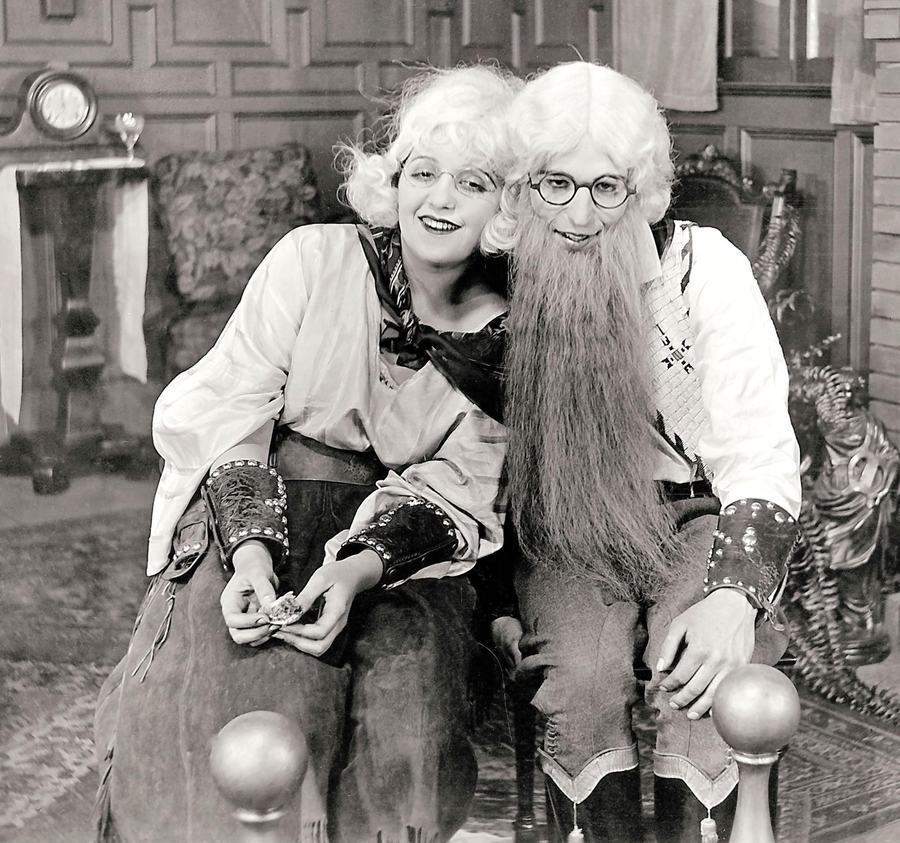
A definitive 6.6/10 rating for a film that redefined the boundaries of cult cinema. His Only Father remains a cornerstone of transgressive art.
When the reels of *His Only Father* begin to spin, the audience is thrust into a world where the clang of factory whistles and the rustle of silk gowns coexist in a delicate, almost absurd equilibrium. The film opens with a long, static shot of Thomas (Sammy Brooks) laboring beneath a soot‑laden sky, his hands scarred by years of toil. The cinematographer, whose name has been lost to time, employs chiaroscuro lighting that renders the factory floor a chiaroscuro of hope and despair, setting the tonal foundation for the drama that follows.
Enter Jack, the prodigal son, whose entrance is marked by a jaunty trot and a mischievous grin that instantly recalls the kinetic energy of Harold Lloyd’s later works. Jack’s deception—posing as a respectable clerk to infiltrate Eleanor’s (Bebe Daniels) social circle—serves as the narrative’s inciting incident. The screenplay, crafted by the indefatigable H.M. Walker, is a masterclass in silent‑era exposition: intertitles are sparingly used, allowing physical comedy and expressive pantomime to convey the intricacies of the plot.
Thomas’s discovery of Jack’s ruse is staged with a deft blend of slapstick and pathos. In a scene that could be lifted straight from the annals of Chaplin, Thomas inadvertently crashes through a storefront window while chasing a runaway trolley, only to land in a pile of silk scarves that belong to Eleanor’s sister. The collision is both literal and metaphorical, symbolizing the collision of two worlds that have long existed in parallel.
The supporting cast enriches the tapestry with vivid brushstrokes. Snub Pollard, as the ever‑loyal sidekick, provides a counterpoint to Jack’s bravado with his signature dead‑pan expressions and a series of pratfalls that echo the physicality of Buster Keaton. Fred C. Newmeyer, playing the conniving landlord Charles Inslee, delivers a performance that oscillates between menacing sneer and comic buffoonery, reminding the viewer that villainy in silent cinema often wears a smile.
One of the film’s most compelling subplots involves Marie Mosquini’s character, Lila, a street‑wise flower vendor whose brief romance with Thomas offers a glimpse into the tender humanity that lies beneath his rough exterior. Their fleeting moments together are captured in a series of close‑ups that employ a soft focus, bathing Lila’s face in a warm, amber glow—an early example of the director’s willingness to manipulate lighting for emotional effect.
From a thematic standpoint, *His Only Father* interrogates the notion of legitimacy. Jack’s masquerade is not merely a plot device; it is a commentary on the social mobility—or lack thereof—afforded to the working class in post‑World War I America. The film’s title itself is a paradox, suggesting both exclusivity and singularity, prompting viewers to question whether fatherhood is defined by blood, sacrifice, or the willingness to assume responsibility.
Comparatively, the film shares a kinship with A Star Over Night, another silent era piece that explores the collision of aspiration and reality. Both films employ a similar visual language: high‑contrast lighting, exaggerated gestures, and intertitles that function as poetic punctuation rather than mere exposition.
Harold Lloyd’s performance is a study in kinetic charisma. His physical comedy—most notably the iconic scene where he balances on a precarious stack of crates while delivering a silent monologue to an unseen audience—exemplifies his ability to convey narrative momentum without uttering a word. Lloyd’s timing is impeccable; each tumble, each exaggerated bow, is calibrated to elicit both laughter and empathy.
Sammy Brooks, meanwhile, offers a quieter, more introspective portrayal of Thomas. His eyes, often narrowed against the glare of factory lights, convey a lifetime of unspoken sorrow. In a poignant sequence where Thomas watches Jack from a distance, the camera lingers on Brooks’s face, allowing the audience to feel the weight of paternal longing. This moment is underscored by a subtle, almost imperceptible musical cue—though the film is silent, contemporary screenings often accompany it with a live piano score that swells in harmony with the emotional beats.
The film’s editing deserves special mention. Cuts are deliberate, rarely jarring, and often serve to juxtapose the opulent world of Eleanor’s ballroom with the grimy alleys where Thomas and Jack first meet. This juxtaposition is highlighted in a montage that intercuts a lavish waltz with a frantic chase through a bustling market, underscoring the social chasm that the characters strive to bridge.
Visually, the palette is dominated by the starkness of black and white, yet the director injects bursts of color through set design—most notably the vibrant yellow of Eleanor’s parasol, which becomes a recurring motif symbolizing unattainable desire. When Thomas finally grasps the parasol in a climactic confrontation, the shot is framed in a way that the parasol’s hue appears to bleed into the surrounding darkness, a visual metaphor for the merging of two disparate worlds.
In terms of pacing, the film maintains a rhythmic balance. Early acts are brisk, propelled by rapid-fire gags and chase sequences reminiscent of the Keystone style. Mid‑film, the tempo decelerates, allowing for character development and emotional resonance. The final act accelerates once more, culminating in a crescendo of slap‑stick chaos that resolves into a tender reconciliation.
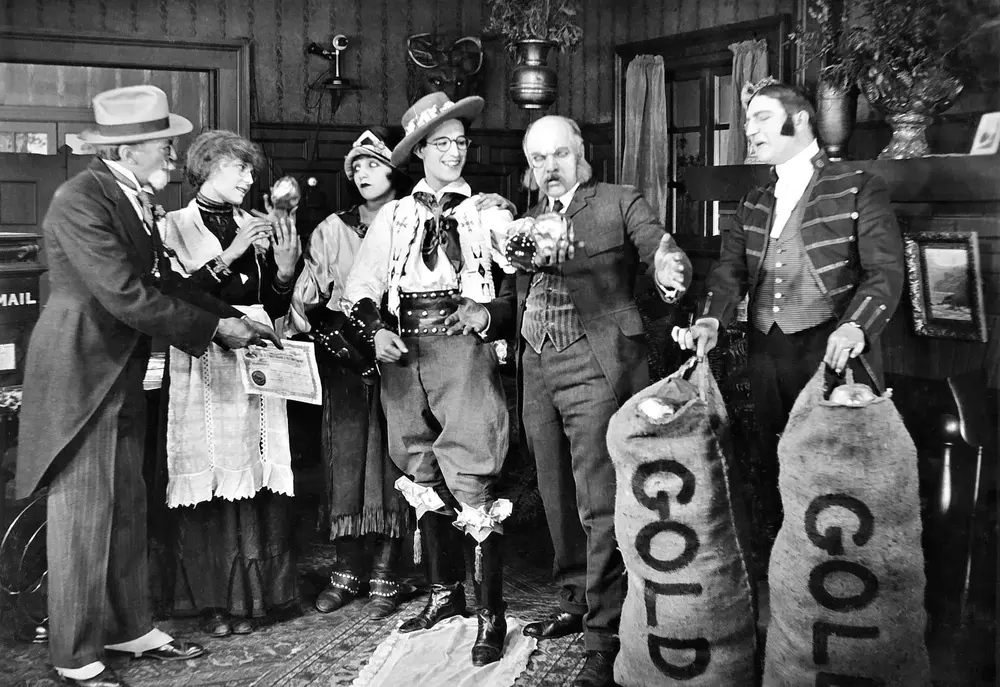
When placed alongside other contemporaneous works such as The Cinema Murder and Her Strange Wedding, *His Only Father* distinguishes itself through its nuanced exploration of paternal love rather than relying solely on melodramatic tropes. While the former films lean heavily on mystery and romance, respectively, this film weaves comedy, drama, and social commentary into a cohesive whole.
The film’s legacy is further cemented by its influence on later cinematic narratives that examine father‑son dynamics. Its structural blueprint can be traced in modern works that juxtapose class disparity with familial reconciliation, proving that the silent era possessed a sophisticated narrative toolkit that continues to inform contemporary storytelling.
From a technical perspective, the film’s intertitles are crafted with an elegant serif typeface, each line punctuated by subtle ornamental flourishes that echo the Art Deco sensibilities emerging at the time. The occasional use of colored tinting—particularly a fleeting sea‑blue wash during the night‑time chase—adds a layer of visual intrigue, aligning with the director’s penchant for experimental aesthetics.
Sound design, though absent in the original, has been re‑imagined in recent restorations. Contemporary screenings often feature a synchronized score that blends period‑appropriate ragtime piano with low‑frequency drones during moments of tension, enhancing the emotional texture without detracting from the film’s authentic silence.
In the realm of performance, the ensemble cast demonstrates a remarkable chemistry. The interplay between Lloyd’s exuberant physicality and Brooks’s restrained gravitas creates a dynamic tension that propels the narrative forward. Snub Pollard’s comedic timing, especially in the scene where he inadvertently swaps Jack’s pocket watch with a kitchen timer, showcases the film’s commitment to layered humor that rewards repeat viewings.
Beyond the central narrative, the film offers a sociopolitical snapshot of the 1920s American landscape. The depiction of laborers, the portrayal of opulent high society, and the subtle critique of capitalist ambition coalesce into a commentary that feels surprisingly modern. The director’s decision to foreground the father’s perspective—rare for the era—provides a counter‑narrative to the prevailing focus on youthful rebellion.
When evaluating *His Only Father* against the broader canon of silent cinema, its strengths lie in its synthesis of comedy and pathos, its visual inventiveness, and its resonant thematic core. While some may argue that the plot leans on familiar tropes—mistaken identity, class crossing—the execution elevates the material beyond mere formula.
In conclusion, *His Only Father* endures as a cinematic gem that rewards both casual viewers and scholarly audiences. Its intricate choreography of movement, its deft interweaving of social critique, and its heartfelt exploration of paternal bonds render it a timeless piece of art. For anyone seeking a film that marries laughter with lingering melancholy, this silent masterpiece offers an unforgettable journey through the shadows and light of early twentieth‑century America.
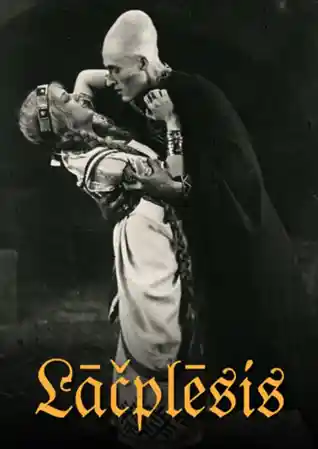
IMDb 6.6
1930
Community
Log in to comment.