DbcultAccessing Vault...
6.5/10
Senior Film Conservator
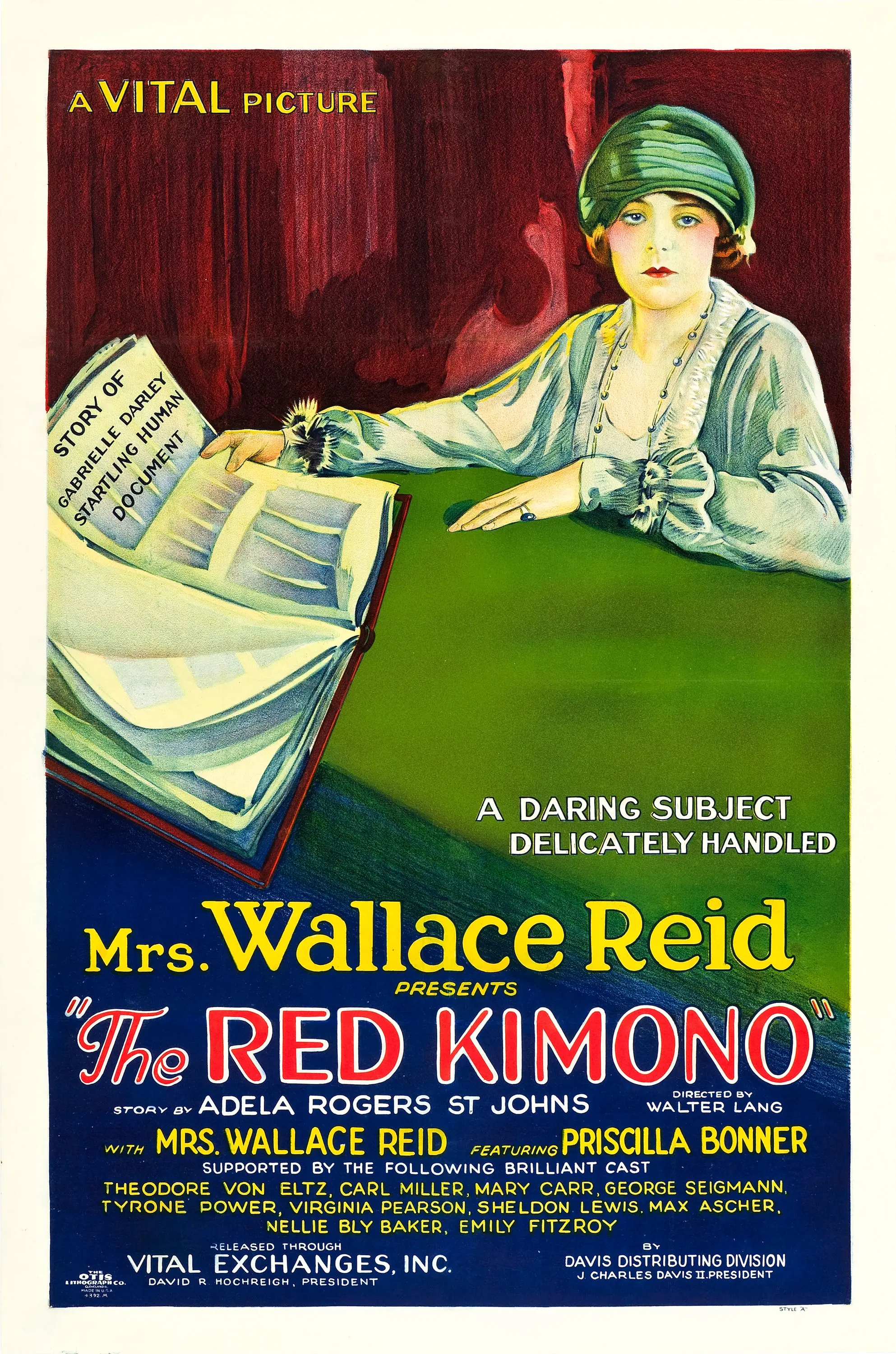
A definitive 6.5/10 rating for a film that redefined the boundaries of cult cinema. The Red Kimono remains a cornerstone of transgressive art.
Short answer: Yes, but it comes with a heavy dose of tragedy and a disturbingly relevant message about the exploitation of women in early 20th-century America. If you're interested in silent cinema, social dramas, or the intersection of love and exploitation, this film offers a compelling glimpse into a darker side of America's past.
For: Filmmakers, history buffs, and those interested in the evolution of storytelling in cinema.
Against: Those sensitive to graphic content, historical exploitation narratives, or who prefer lighter fare.
This film works because of its raw, unflinching portrayal of a young woman's descent into a life of exploitation. The performances, particularly by Max Asher and Dorothy Davenport, are compelling and deeply emotional. The film's cinematography, which captures the stark contrast between the small-town innocence and the grim realities of New Orleans, adds layers of depth to the narrative.
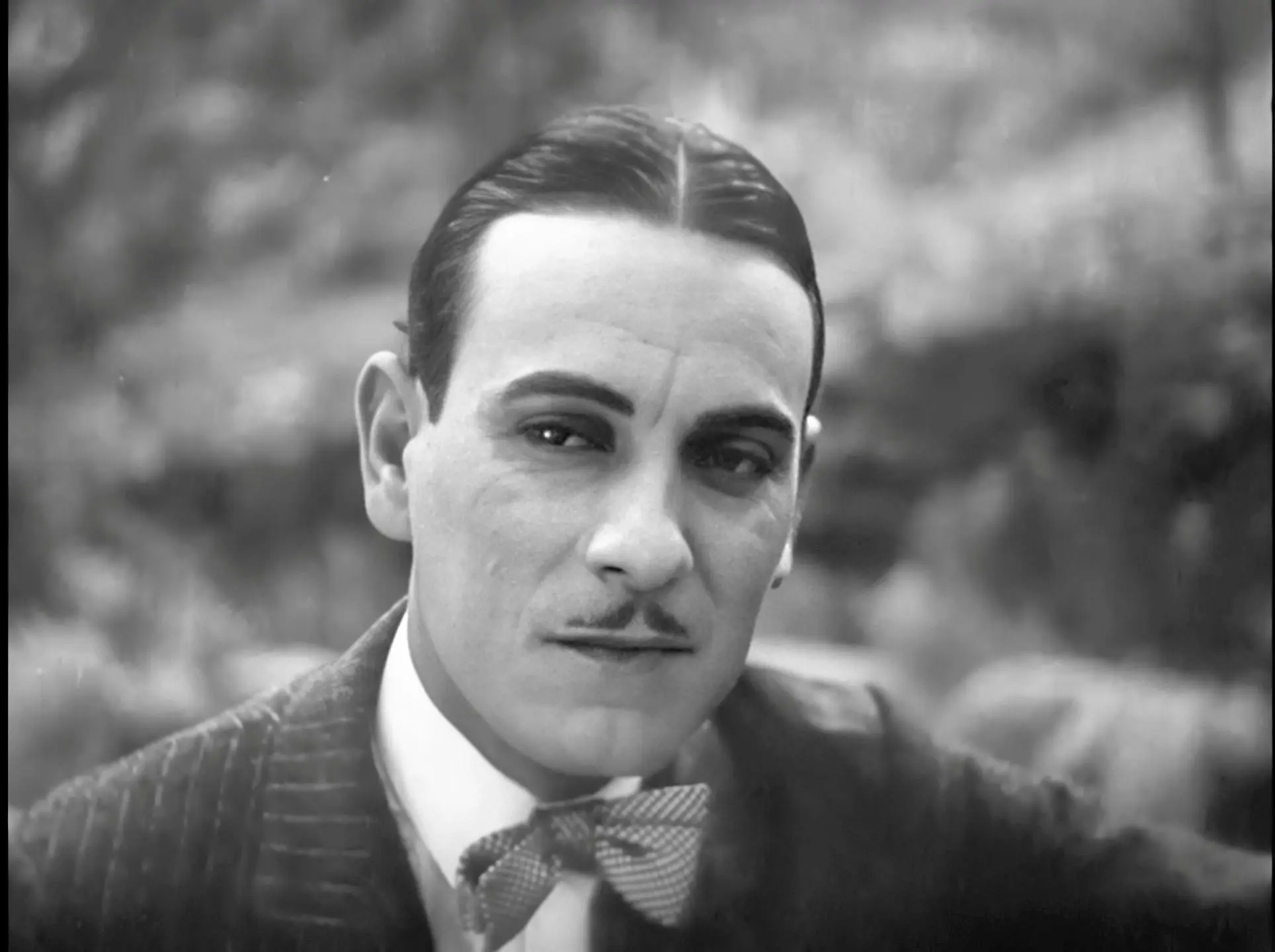
This film fails because of its dated narrative and its sometimes exploitative depiction of women. While the film's themes are still relevant today, the portrayal of the protagonist as a victim rather than a complex individual can be jarring. The ending, while powerful, feels somewhat predictable and lacks the nuanced exploration that might have made it more satisfying.
You should watch it if you're interested in exploring the darker aspects of early 20th-century American society, particularly the exploitation of women. The film's raw performances and evocative cinematography offer a powerful and sometimes uncomfortable look at a pivotal moment in American history.
Max Asher and Dorothy Davenport deliver standout performances that are both compelling and emotionally raw. Asher's portrayal of the woman seeking escape is deeply tragic, while Davenport's character, the exploitative lover, is equally compelling. Their chemistry on screen is palpable, adding authenticity to their complex relationship.
Dorothy Arzner's direction is masterful, particularly in how she captures the stark contrast between the small-town setting and the gritty reality of New Orleans. Her use of close-ups and intimate shots heightens the emotional impact of the film, making the audience feel intimately connected to the characters' struggles.
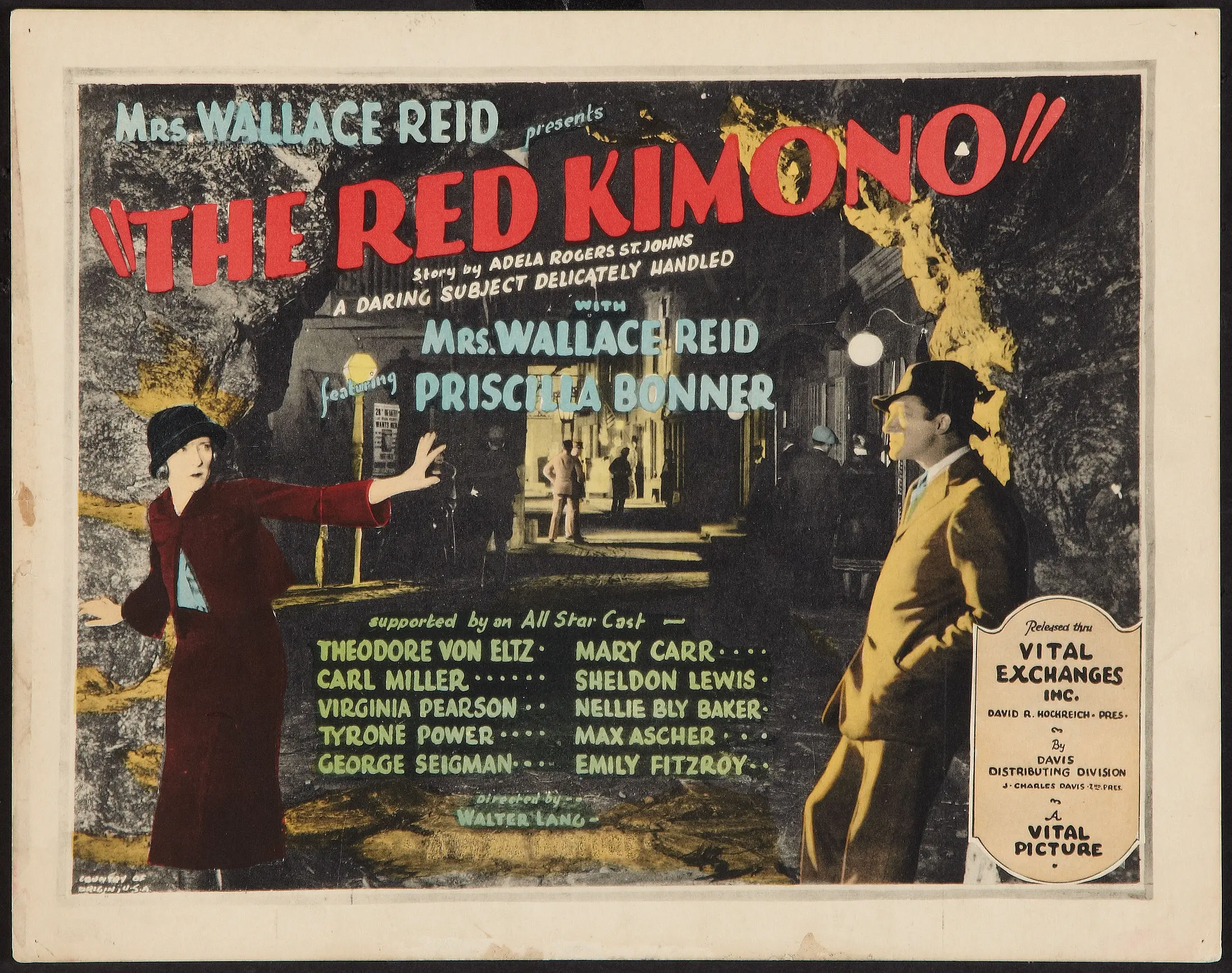
The cinematography by James Wong Howe is striking, with a particular emphasis on the contrast between light and dark. The film's use of shadows and low-key lighting creates a sense of unease and tension, particularly during the scenes set in the brothel. The New Orleans locations are beautifully captured, adding to the film's sense of place and time.
The pacing of the film is deliberate, allowing the narrative to unfold in a way that feels organic rather than rushed. The slow build-up of tension and the gradual revelation of the protagonist's situation create a sense of inevitability that is both powerful and unsettling.
The tone of the film is somber and serious, reflecting the gravity of the story. The film's exploration of themes such as exploitation, love, and societal norms is handled with a sense of authenticity and depth, making it a powerful viewing experience.
The Red Kimono is a powerful and evocative silent film that delves into the darker aspects of early 20th-century American society. While it is not without its flaws, the film's raw performances, authentic storytelling, and evocative cinematography make it a worthwhile watch for those interested in the evolution of cinema and the complexities of human relationships. It works. But it’s flawed. And that’s precisely what makes it worth watching.
IMDb —
1927
Community
Log in to comment.