DbcultAccessing Vault...
6.2/10
Senior Film Conservator
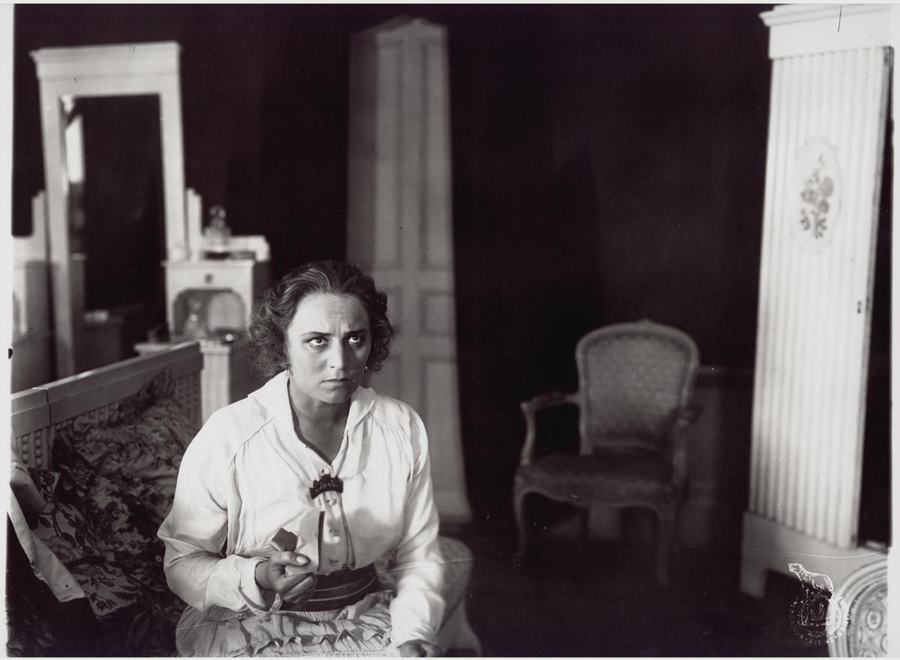
A definitive 6.2/10 rating for a film that redefined the boundaries of cult cinema. Hjertestorme remains a cornerstone of transgressive art.
In the annals of early 20th-century Danish cinema, few works articulate the fragile interplay between perception and reality with the heart-wrenching intensity of "Hjertestorme," or "Heart Storms." This 1916 production, an exquisite melodrama helmed by a vision of profound emotional depth, plunges its audience into a world where the restoration of physical sight paradoxically leads to a more profound, devastating form of blindness. It is a cinematic journey that questions the very nature of love, sacrifice, and the often-cruel whims of the human heart, leaving an indelible mark long after the final frame flickers into darkness. Valdemar Andersen's screenplay, a testament to the era's sophisticated narrative sensibilities, lays the groundwork for a tale that is both intimately personal and universally resonant.
At the core of this compelling drama stands Eva Vange, portrayed with remarkable vulnerability and depth by Marie Dinesen. Her initial state of blindness, far from being a mere physical impediment, serves as a poignant metaphor for a sheltered existence, one tenderly cradled by the unwavering affection of her fiancé, Ernst. Ernst, a figure of almost saintly devotion, is not just Eva's cousin but also a teacher at the school for the blind, his life inextricably woven into her world of touch, sound, and intuitive understanding. Their bond, forged in the crucible of shared experience and mutual reliance, speaks to a love that transcends the superficial, rooted in genuine companionship and deep empathy. Dinesen's initial portrayal of Eva, reliant on her other senses, conveys a quiet strength and an inner world rich with imagination, making her later transformation all the more striking.

The narrative's pivotal turning point arrives with a successful operation that restores Eva’s sight. This miraculous intervention, initially perceived as a liberation, quickly proves to be a double-edged sword. The sudden influx of visual stimuli, the vibrant tapestry of a world previously only imagined, overwhelms Eva's senses and, crucially, reshapes her desires. It is here that she encounters Juel, the charismatic young ophthalmologist responsible for her newfound vision. His professional competence and youthful charm, seen through eyes freshly opened to the world's dazzling surface, ignite a passionate infatuation that eclipses her long-standing commitment to Ernst. This immediate, almost visceral attraction to Juel, a man representing novelty and a different kind of future, highlights the fragility of human attachment when confronted with new sensory experiences and societal ideals of romantic love. Eva's choice, born of newfound perception yet lacking true discernment, sets the stage for a classic tragic arc.
Ernst's character, brought to life with understated power by Henry Seemann, embodies a profound, almost tragic, altruism. Upon realizing Eva's affections have shifted, he makes the agonizing decision to release her from their engagement. This act of self-sacrifice is depicted not as a moment of weakness, but as a testament to a love so pure, so selfless, that it prioritizes the beloved's perceived happiness above his own, even at the cost of his own profound sorrow. In an era where social contracts and familial expectations often dictated marital unions, particularly within a close-knit community like the one depicted, Ernst's choice to step aside is remarkably progressive, yet utterly heartbreaking. His silent suffering, the quiet dignity with which he accepts his fate, forms one of the most poignant emotional anchors of the film. It forces the audience to confront the often-unseen costs of love, and the profound pain of letting go when one’s own desires conflict with another’s perceived freedom.
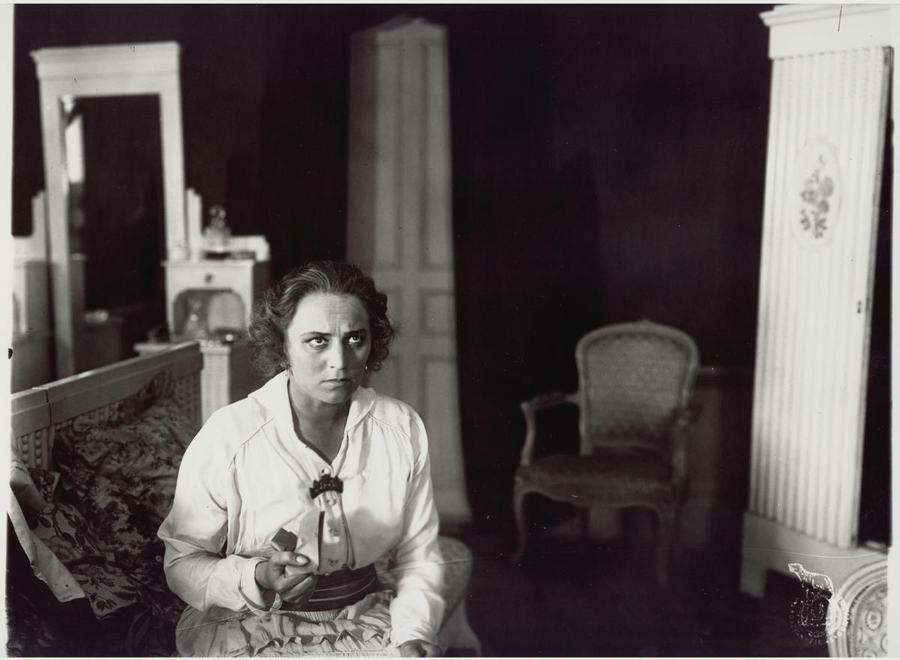
This theme of noble sacrifice and the complex interplay of personal desire versus societal or familial obligation resonates deeply with other silent era dramas. One might draw parallels to the difficult choices faced by protagonists in films like The Battle of Love, where individual happiness is frequently pitted against external pressures and moral quandaries, or even the intense emotional landscapes explored in The Lamb, where characters grapple with profound personal dilemmas that shape their destinies. Ernst's character, in particular, stands as a powerful archetype of the unsung hero, whose strength lies not in conquest, but in profound empathy and the capacity for immense self-denial, a true heart of gold overshadowed by the fleeting allure of newness.
Eva’s subsequent marriage to Juel, initially a beacon of radiant happiness, rapidly descends into a harrowing tableau of disillusionment. Robert Schyberg's portrayal of Juel, initially charming, subtly shifts to reveal a man more concerned with appearances and less with the emotional sustenance required for a lasting union. The superficial charm that captivated Eva in her initial, visually-driven infatuation soon gives way to a stark reality. Juel, once the dashing savior, reveals a character far less noble, perhaps even callous and self-absorbed. The film masterfully portrays the insidious erosion of marital bliss, not through grand dramatic gestures, but through subtle shifts in expression, the widening chasm between husband and wife, and the increasing isolation of Eva. The very clarity of sight that promised a vibrant new beginning becomes a cruel instrument, allowing Eva to perceive the flaws, the indifference, and ultimately, the emptiness of her chosen path.
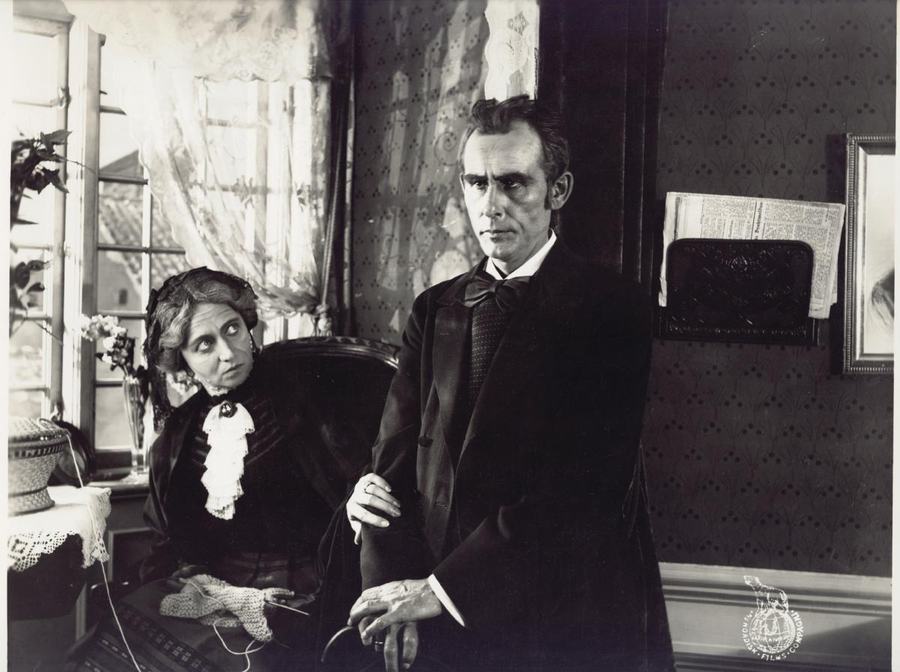
This tragic trajectory, where passionate desire leads to bitter regret, is a recurring motif in the melodrama of the period. The swift collapse of a seemingly perfect union into sorrow and despair echoes the cautionary tales found in works such as The Folly of Desire, where unchecked passion often paves the way for profound unhappiness and moral decay. Similarly, the narrative resonates with themes explored in In the Hour of Temptation, where a character's initial choice, driven by a momentary lapse of judgment or a desire for something perceived as 'better,' leads to unforeseen and devastating repercussions. "Hjertestorme" is particularly potent in its depiction of this decline, using the silent medium to convey a wealth of unspoken pain through the actors’ nuanced performances and the stark visual contrasts employed by the director. The initial vibrancy of Eva’s new life is slowly dimmed, replaced by shadows that are not merely literal but deeply metaphorical, reflecting the encroaching darkness within her soul.
Beyond its compelling plot, "Hjertestorme" functions as a profound meditation on the nature of perception itself. Eva's journey is a powerful allegory for the distinction between merely seeing and truly understanding. When blind, her world was limited physically, yet her emotional perception, guided by Ernst, was arguably clearer, more authentic. Upon gaining sight, she becomes visually liberated but emotionally entrapped, mistaking superficial beauty and social allure for genuine connection. The film implicitly asks: what is true vision? Is it the ability to perceive physical forms, or the capacity to discern character, intention, and the deeper currents of the human spirit? This profound philosophical query is deftly woven into the fabric of the melodrama, giving it an intellectual weight often underestimated in films of this era.
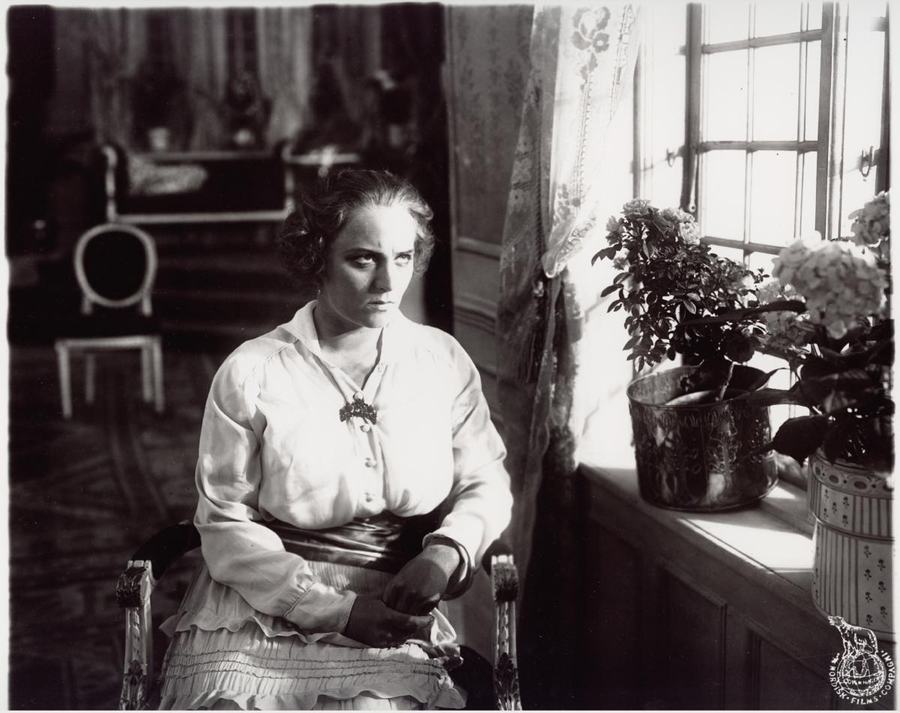
The tragic irony is palpable: the very act that grants Eva physical clarity ultimately leads her into a deeper, more agonizing form of emotional blindness. This thematic depth elevates the film beyond a simple romantic drama, positioning it as a philosophical inquiry into the human condition. It explores how our senses can both guide and betray us, how external appearances can deceive, and how the pursuit of an idealized vision of happiness can lead us astray from true contentment. The silent film era, with its reliance on visual storytelling and heightened emotional expression, was particularly adept at conveying such complex psychological landscapes, and "Hjertestorme" stands as a testament to this power, showcasing how a story about personal tragedy can simultaneously be a broader commentary on human nature.
Valdemar Andersen's screenplay, brought to life by the nuanced direction, capitalizes on the strengths of the silent medium. The absence of dialogue necessitates a heightened reliance on visual cues – facial expressions, body language, and carefully composed mise-en-scène – to convey emotion and advance the plot. Marie Dinesen, as Eva, delivers a performance that is both delicate and devastating. Her transformation from hopeful fiancée to disillusioned wife is conveyed with an exquisite subtlety, her eyes, once closed, now wide with a pain more profound than any she experienced in darkness. The evolution of her expressions, from the initial wonder of sight to the creeping despair, is a masterclass in silent acting, allowing the audience to feel every tremor of her internal struggle.
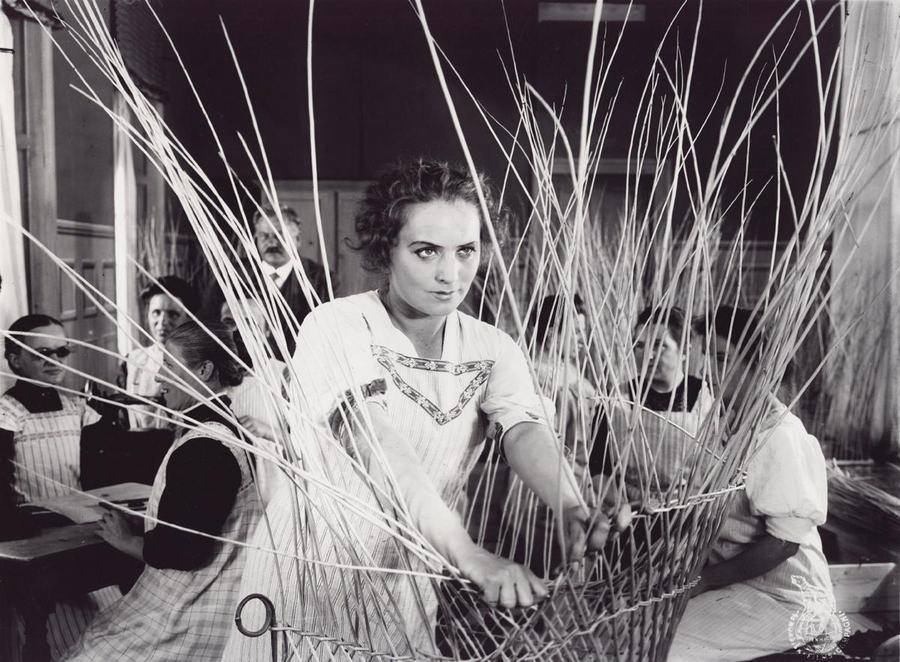
The supporting cast, including Henry Seemann as Ernst and Robert Schyberg as Juel, also contribute significantly, crafting characters that feel authentic and deeply human despite the constraints of the era's acting conventions. Even the smaller roles, such as those played by Fru Lahaye and Clara Pontoppidan, add texture and realism to the unfolding tragedy, grounding the emotional maelstrom in a believable social fabric. The visual language of the film is equally compelling. The use of light and shadow, a hallmark of early cinema, is particularly effective in "Hjertestorme." Scenes of initial joy might be bathed in bright, open light, symbolizing Eva's newfound vision and hope. Conversely, her later despair is often underscored by darker, more constricted settings, mirroring the metaphorical shadows that envelop her life. This deliberate visual poetry enhances the emotional resonance of the narrative, drawing the viewer deeper into Eva's psychological turmoil. The film's ability to communicate such intricate emotional states without a single spoken word is a powerful reminder of the artistry inherent in silent cinema. It is a form that demands active engagement from its audience, inviting them to interpret and feel the story rather than merely observe it.
Compared to some of the more overtly thrilling or action-oriented productions of the time, such as The Eagle's Mate or The Outlaw's Revenge, "Hjertestorme" offers a quieter, yet no less impactful, drama. Its power lies in its psychological penetration and its relentless focus on the internal lives of its characters. This makes it a compelling study in human frailty and resilience, a dramatic counterpoint to the more sensationalistic narratives that also populated the silver screen. It stands as a testament to the fact that profound drama can be found not just in external conflict, but in the intricate dance of human emotions and choices.
"Hjertestorme" is more than just a historical artifact; it is a timeless tragedy that continues to resonate with contemporary audiences. Its exploration of ill-fated choices, the intoxicating allure of the new, and the profound pain of regret are universal themes that transcend the specific historical context of its creation. The film serves as a poignant reminder that true happiness often lies not in what we gain, but in what we recognize and cherish. It cautions against superficial judgments and encourages a deeper, more empathetic understanding of ourselves and others. The societal expectations placed upon women in the early 20th century, particularly concerning marriage and personal fulfillment, add another layer of complexity to Eva's plight, highlighting the limited avenues for agency and the severe consequences of missteps.
The final images of Eva, enveloped once more in a metaphorical darkness, are particularly haunting. They suggest a return to a state of profound solitude, a spiritual blindness that far surpasses her initial physical affliction. This cyclical nature of her journey, from darkness to light and back to a more desolate shade of darkness, underscores the film's tragic vision. It is a powerful testament to the idea that sometimes, what we perceive as a blessing can, in fact, be the very catalyst for our undoing, a cruel twist of fate brought about by the very gift of sight.
For enthusiasts of silent cinema, and indeed for anyone interested in the enduring power of dramatic storytelling, "Hjertestorme" is an essential viewing experience. It is a masterfully crafted work that uses the unique language of early film to delve into the depths of human emotion, ultimately delivering a powerful and unforgettable commentary on the nature of sight, love, and the often-perilous path to self-discovery. This Danish gem, with its rich characterizations and profound thematic undercurrents, solidifies its place as a significant contribution to the cinematic heritage, proving that some storms, particularly those of the heart, can rage across generations, leaving indelible marks on the landscape of human experience.

IMDb —
1929
Community
Log in to comment.