DbcultAccessing Vault...
6.8/10
Senior Film Conservator
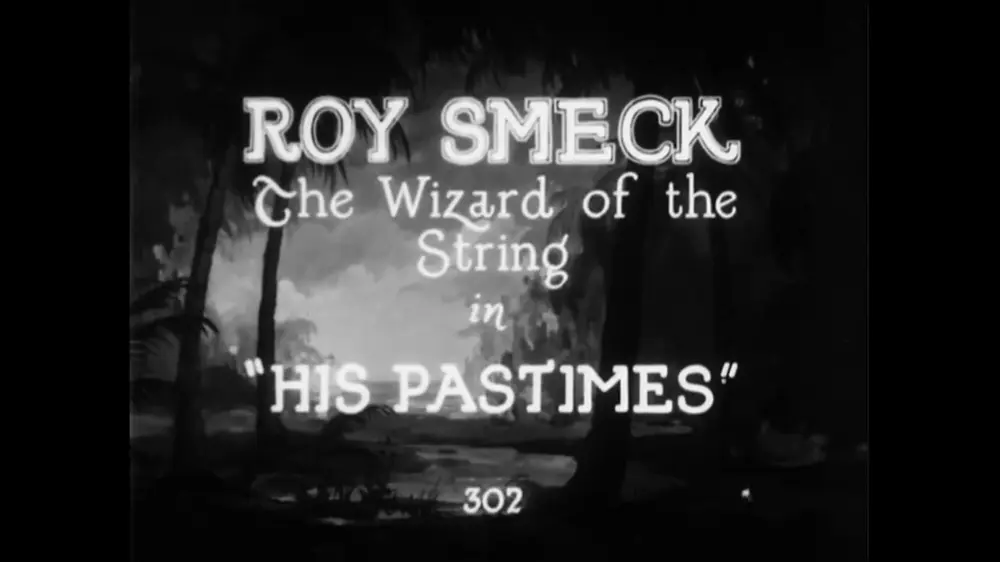
A definitive 6.8/10 rating for a film that redefined the boundaries of cult cinema. His Pastimes remains a cornerstone of transgressive art.
Short answer: Yes, but with a grain of salt. His Pastimes, a 1929 short film, is a fascinating relic of early sound technology. It showcases the talent of Roy Smeck and provides a glimpse into the entertainment industry's evolution. However, its dated format and promotional nature might not appeal to modern audiences.
This film is for enthusiasts of early cinema, music history, and those interested in the technological advancements of the 1920s. If you appreciate vintage films and the historical context they provide, you should definitely watch it. For others, the novelty may wear thin quickly.
His Pastimes works because of its technical innovation. The film demonstrates the new Vitaphone sound-on-disc technology, which was a groundbreaking achievement in the early days of sound film. Smeck’s performances on various instruments are captivating, and the film’s musicality is undeniable.
One particularly striking moment is when Smeck transitions between instruments, seamlessly blending them into a cohesive performance. This showcases the versatility of the technology and the musician, highlighting the ingenuity of the era.
His Pastimes fails because it is overly promotional and lacks narrative depth. The film’s primary purpose is to advertise the Vitaphone system, which can feel like a sales pitch more than a piece of entertainment. The storytelling is minimal, and the focus is more on the technical aspects of the sound-on-disc system than on a compelling narrative.
The pacing is uneven, with moments of high musicality interspersed with promotional content. This can create a disjointed viewing experience, as the film jumps back and forth between showcasing Smeck’s talent and explaining the technology, which can be jarring for modern viewers.
You should watch His Pastimes if you are interested in the history of cinema and sound technology. It provides a fascinating glimpse into the development of early sound films and the technical advancements of the 1920s. Additionally, the performances by Roy Smeck are genuinely impressive and worth seeing.
If you are a fan of vintage films or early sound technology, this is a must-see. However, if you are looking for a narrative-driven film or something more substantial, you might find it lacking.
The acting in His Pastimes is quite limited, as the film is primarily a showcase of musical talent rather than character development. Roy Smeck delivers his performances with a natural charm, but there is little nuance or depth to his portrayal. The other performers, if any, are overshadowed by Smeck’s brilliance.
The direction by John Murray Butler is competent but unremarkable. The film’s focus is on showcasing Smeck’s talent, and the direction serves this purpose well. However, there are no standout moments or innovative techniques that set the film apart from others of the era. The pacing is somewhat uneven, with parts that are more promotional than entertaining.
The cinematography in His Pastimes is functional but not particularly memorable. The film uses basic camera techniques to capture Smeck’s performances, and while the footage is clear and well-shot, there is little in the way of visual flair. The shots are straightforward, and the focus is on the musicians rather than the visuals.
The pacing of His Pastimes is an issue, as the film alternates between showcasing Smeck’s talent and explaining the technical aspects of the Vitaphone system. This can be a bit jarring for modern viewers, who may find the rapid shifts between performances and explanations to be somewhat disjointed. The film’s structure is clear, but the transitions can be abrupt, making the viewing experience less smooth.
The tone of His Pastimes is primarily promotional and educational. The film aims to inform viewers about the new Vitaphone sound-on-disc technology, and it does this effectively. However, the tone can feel slightly didactic at times, as the film spends a significant amount of time explaining the technical details rather than focusing purely on the performances.
When compared to other films of the era, such as Hearts and Flowers or The Masqueraders, His Pastimes stands out as a more technical and less narrative-driven film. While those films offer more substantial storylines and character development, His Pastimes provides a unique glimpse into the early days of sound technology.
His Pastimes is a fascinating piece of early cinema, offering a glimpse into the technological advancements of the 1920s. While it may not be a narrative masterpiece, its value lies in its historical significance and the impressive performances by Roy Smeck. However, if you are looking for a more engaging and comprehensive film experience, you might find it lacking.
It works. But it’s flawed. His Pastimes is a valuable historical document, offering a fascinating glimpse into the early days of sound technology. However, its promotional nature and uneven pacing may not make it a must-watch for everyone. For those interested in the historical context and the talent of Roy Smeck, it is definitely worth a watch.

IMDb 5.9
1925
Community
Log in to comment.