DbcultAccessing Vault...
7.1/10
Senior Film Conservator
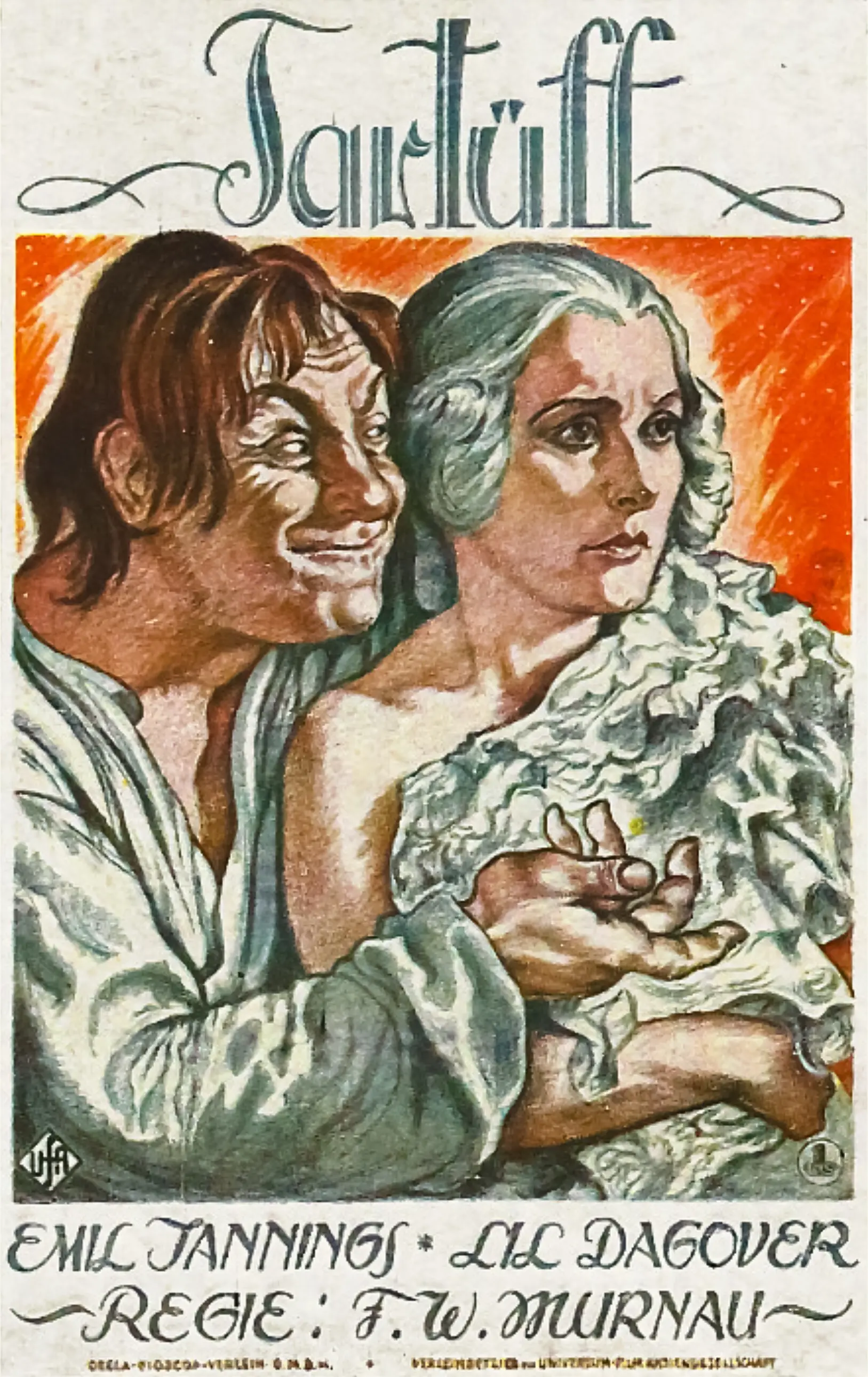
A definitive 7.1/10 rating for a film that redefined the boundaries of cult cinema. Tartuffe remains a cornerstone of transgressive art.
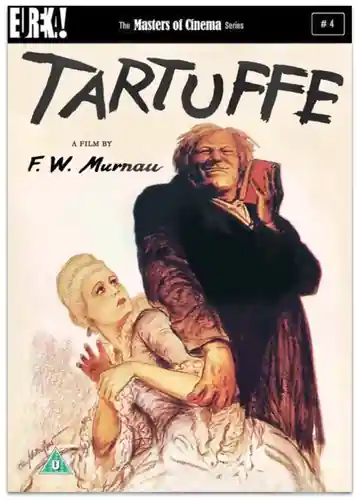
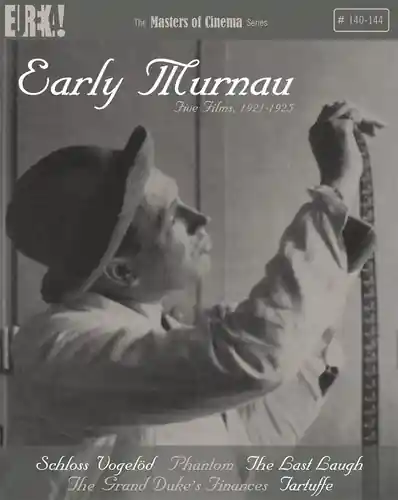
When we discuss the pantheon of Weimar cinema, the name F.W. Murnau inevitably dominates the conversation. Yet, while Nosferatu and The Last Laugh garner the lion's share of academic scrutiny, his 1925 adaptation of Tartuffe remains a fascinating, somewhat overlooked pivot point in his filmography. It is a work that bridges the gap between the expressionistic shadows of his early career and the sophisticated, psychological realism that would later define his Hollywood period. This is not merely a filmed play; it is a cinematic intervention, a film-within-a-film that interrogates the very act of looking.
The structural ingenuity of the film lies in its framing device. Unlike many silent adaptations that simply transpose the source material to the screen, Murnau and screenwriter Carl Mayer create a modern context. We see a grandson (André Mattoni) battling for the soul—and the bank account—of his grandfather (Hermann Picha). The antagonist here is not a religious zealot, but a cold, calculating governess (Rosa Valetti) who uses the guise of moral rectitude to alienate the old man from his family. This setup mirrors the moral landscape of The Inner Voice, where the struggle between genuine affection and parasitic greed forms the emotional core. By introducing the projector as a weapon of truth, Murnau elevates the medium from mere entertainment to a tool of moral revelation.
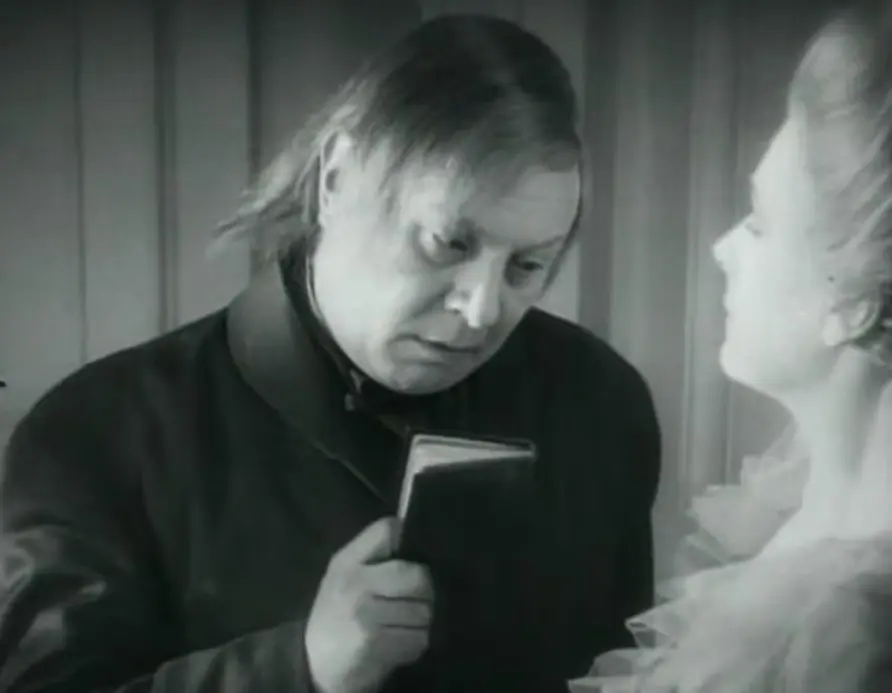
To speak of Tartuffe is to speak of Emil Jannings. His portrayal of the titular character is a masterclass in physical transformation. Jannings does not merely play a villain; he inhabits a sensory experience of corruption. His Tartuffe is greasy, tactile, and overwhelmingly present. Every movement of his hands, every moist glance toward Elmire, radiates a terrifyingly banal evil. He represents the ultimate sycophant, a character archetype explored with less nuance in films like Foolish Lives, where the stakes are high but the psychological depth is often lacking.
Murnau’s direction, complemented by the legendary cinematography of Karl Freund, utilizes the 'unchained camera' technique to navigate the opulent, yet stifling, interiors of Orgon’s house. The lighting is nothing short of revolutionary. While contemporary films like The Love Letter relied on more conventional staging, Murnau uses shadows to carve out the moral dimensions of his characters. The sea-blue tinting in surviving prints often highlights the coldness of the deception, while the warm yellow glows of the candlelight emphasize the false security that Orgon feels in Tartuffe’s presence.
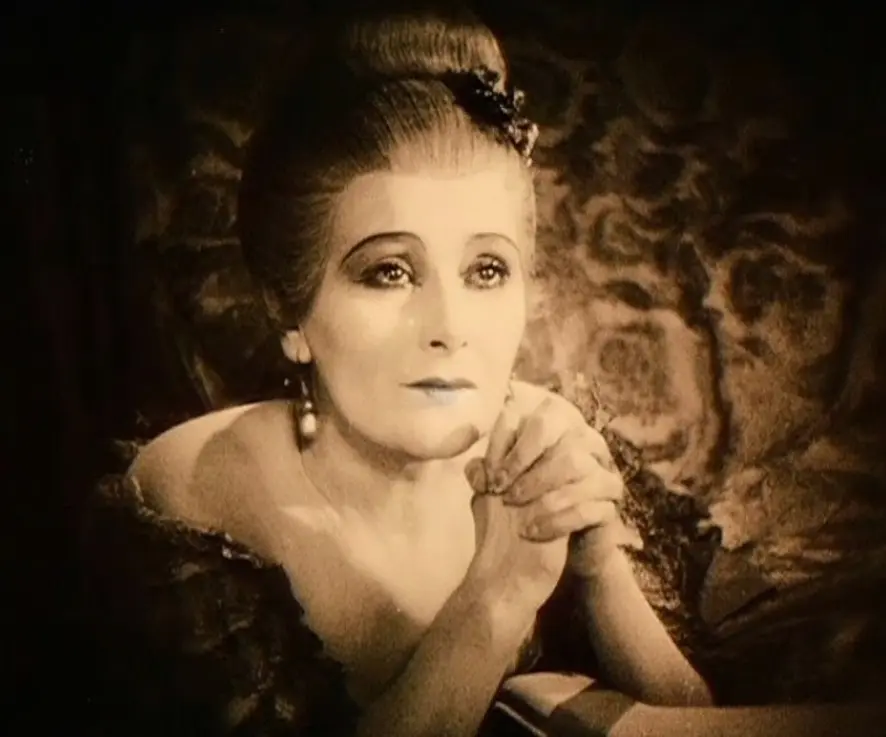
The tension within the inner narrative is driven by Lil Dagover’s Elmire. She is the poise to Jannings’ rot. Her performance is one of calculated restraint, a woman forced to use her own desirability as a snare to catch a predator. This theme of a woman navigating a treacherous social hierarchy is a recurring motif in silent drama, seen through various lenses in works like The Flower Girl or the more adventurous Miss Crusoe. However, Dagover’s Elmire possesses a sharp intellectual agency that sets her apart. She is not a victim; she is the architect of the climax.
"Murnau understands that hypocrisy is not just a lie told with the tongue, but a lie lived with the body. The camera captures the sweat on the brow of the false prophet and the trembling hand of the deceived."
One must also appreciate the set design by Robert Herlth and Walter Röhrig. The architecture of the house in the inner film feels almost sentient. The grand staircase, the heavy drapes, and the ornate mirrors all contribute to a sense of theatricality that mirrors Tartuffe’s own performance. This is a far cry from the gritty realism of The Yellow Traffic or the rugged exteriority of The Lone Star Ranger. In Tartuffe, the environment is a psychological extension of the characters' internal states. The space between Orgon and Elmire feels vast when Tartuffe stands between them, a physical manifestation of their emotional estrangement.
The comparison to other films of the era highlights Murnau's unique aesthetic. While Australia's Own might focus on the external struggle against nature, Tartuffe is obsessed with the internal struggle against the ego. Even in more action-oriented silent films like Two-Gun Betty or Mutiny, the conflict is often externalized through physical prowess. Murnau, however, finds the most harrowing action in a subtle shift of the eyes or the tightening of a collar. This is a cinema of the soul, much like the haunting atmosphere of A napraforgós hölgy.
Technical Note: The use of close-ups in this film was ahead of its time. Murnau uses the face as a landscape, allowing Jannings to dominate the frame in a way that feels invasive, forcing the audience to confront the character's grotesque intimacy.
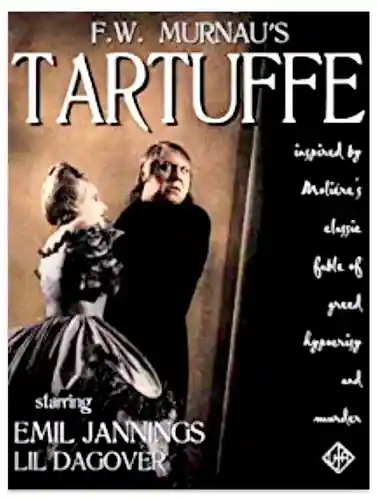
The pacing of the film is deliberate, almost agonizingly so. It builds a sense of dread that is rarely achieved in social comedies. As the grandson in the frame story watches the old man succumb to the governess's charms, we feel a parallel frustration to Orgon's family in the inner film. This layering of emotional responses is a testament to the sophisticated editing. The transition between the frame and the core story is handled with a fluidity that suggests the two worlds are not as separate as they seem. The moral rot of the 17th century is alive and well in the 20th, a sentiment echoed in the cautionary tales of Lest We Forget.
In terms of cast chemistry, the interplay between Werner Krauss (Orgon) and Jannings is legendary. Krauss plays the fool with a tragic dignity, making his eventual realization all the more painful. He is the quintessential victim of his own desire for spiritual purity, a theme that resonates through many of the era's dramas, including The Jungle Child, where innocence is often exploited by those claiming to protect it. The ensemble is rounded out by Lucie Höflich and Camilla Horn, who provide the necessary groundedness to balance the heightened performances of the leads.
Critics of the time sometimes found the frame narrative unnecessary, yet from a modern perspective, it is the film's most radical element. It acknowledges the audience's presence. It tells us that we are all, in a sense, the grandfather—susceptible to the charms of a well-told lie, whether it comes from a pulpit or a screen. The film's conclusion, while offering a sense of justice, leaves a lingering discomfort. The governess is banished, and Tartuffe is unmasked, but the vulnerability that allowed them to flourish remains. This nuanced ending avoids the simplistic moralizing of Dangerous Days, opting instead for a psychological realism that feels startlingly modern.
The legacy of Tartuffe is found in its visual language. It influenced the way directors thought about space and character. The way Murnau uses the camera to 'spy' on his characters would become a staple of the thriller genre. While it lacks the overt spectacle of The Battle of the Ancre and the Advance of the Tanks, its impact on the grammar of narrative cinema is equally profound. It is a film that demands multiple viewings to fully appreciate the intricacies of its design and the depth of its performances.
Ultimately, Tartuffe stands as a monumental achievement in silent film. It is a work of immense intellectual ambition and visual beauty. Murnau proves that even a centuries-old play can be made vital and urgent through the lens of a camera. By stripping away the artifice of the stage and replacing it with the artifice of the screen, he reveals a deeper truth about the human condition. It is a dark, beautiful, and deeply cynical masterpiece that deserves its place among the greatest works of the silent era.
IMDb —
1923
Community
Log in to comment.