DbcultAccessing Vault...
8.1/10
Senior Film Conservator
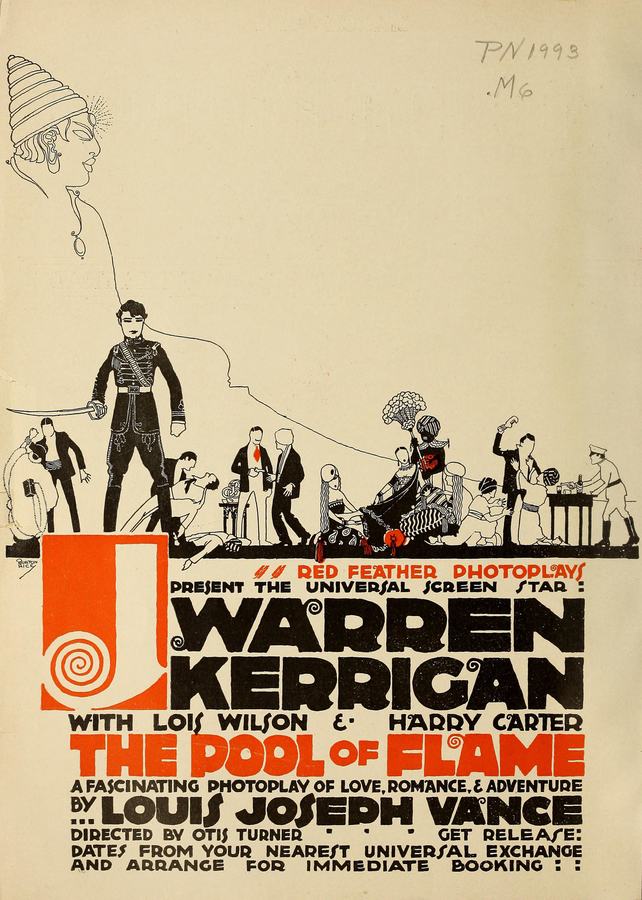
A definitive 8.1/10 rating for a film that redefined the boundaries of cult cinema. The Pool of Flame remains a cornerstone of transgressive art.
Ah, the early days of cinema! A time when grand narratives of heroism, romance, and far-flung locales captivated audiences, whisking them away from mundane realities into worlds brimming with peril and passion. Louis Joseph Vance and F. McGrew Willis, the creative minds behind the screenplay for 'The Pool of Flame,' understood this innate human yearning for escapism. Their collaboration birthed a cinematic experience that, even decades later, resonates with a certain nostalgic charm, a testament to the enduring power of classic storytelling. This film, a veritable time capsule of early 20th-century adventure, invites us to consider the archetypes that shaped an entire genre and continue to influence our entertainment landscape today.
At its core, 'The Pool of Flame' is a tale of a man caught between his heart's desire and his empty pockets. Terence O'Rourke, played with an earnest charm by Bertram Grassby, embodies the quintessential adventurer: daring, resourceful, yet burdened by a lack of steady income. His affections for Princess Beatrix, portrayed by the luminous Lois Wilson, are profound, but he deems himself unworthy of her hand without financial stability. This predicament immediately establishes a relatable human conflict, grounding the fantastical elements that are soon to follow. It’s a classic setup that echoes the romantic entanglements found in other period dramas, where societal expectations often dictate the course of true love. One might draw parallels to the subtle class dynamics and romantic aspirations explored in films like The Woman Next Door, though 'The Pool of Flame' elevates its stakes to a global scale.
The catalyst for O'Rourke's transformation from lovelorn wanderer to high-stakes hero arrives with the theft of the titular 'Pool of Flame,' a colossal ruby of immense cultural and monetary value, pilfered from a revered statue in Rangoon. The sheer audacity of the crime and the jewel's legendary status immediately imbue the narrative with a sense of urgency and grandeur. Officials, desperate to recover the priceless artifact, turn to O'Rourke, offering him a princely sum of $500,000 – a fortune that would not only secure his future but also unlock the path to Beatrix's heart. This proposition transforms his personal romantic quest into a public mission, blending personal ambition with selfless duty in a way that resonates deeply with the heroic narratives prevalent in early cinema.
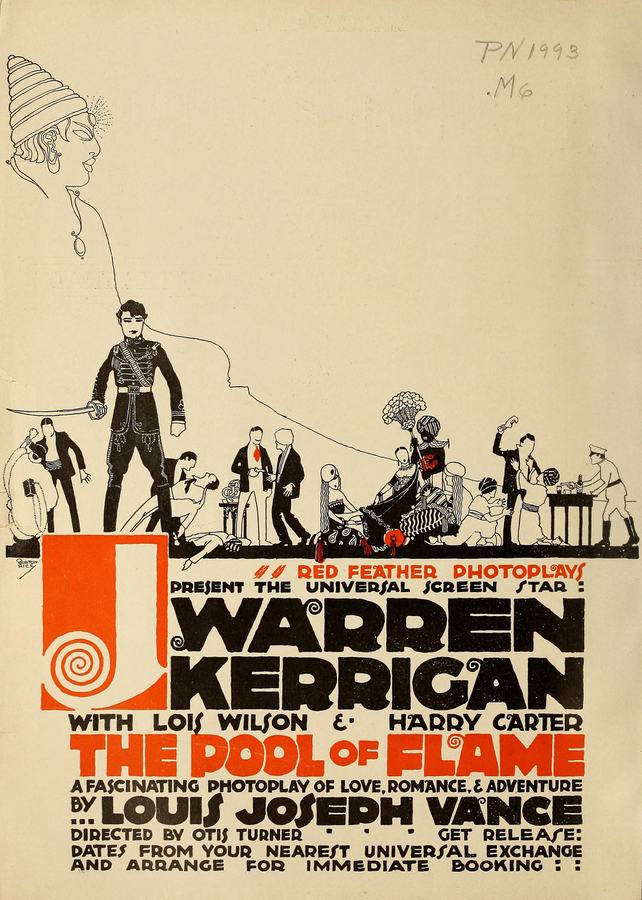
No adventure is complete without a formidable array of antagonists, and 'The Pool of Flame' certainly delivers. O'Rourke's journey is complicated by the presence of his long-standing adversaries: the enigmatic Chambret, the cunning Princess Karan (Maude George, whose presence often signified a character of intriguing complexity), and, adding a layer of personal rivalry, Duke Victor (J. Warren Kerrigan), another suitor vying for Princess Beatrix's affections. This trio of antagonists ensures that O'Rourke's path is not merely one of tracking a stolen gem but also a complex dance of wits and subterfuge against established foes and romantic rivals. The interplay between these characters creates a rich tapestry of intrigue, forcing O'Rourke to employ not only his physical prowess but also his intellectual acumen.
The presence of Duke Victor as a romantic competitor adds a compelling dimension to the narrative. It elevates the stakes, making O'Rourke's success not just about retrieving the ruby, but about proving his worthiness against a rival who likely possesses the societal standing and wealth that O'Rourke initially lacks. This dynamic is a common trope in classic romance and adventure, where the hero must overcome both external threats and internal doubts, often against a more conventionally 'suitable' rival. It’s a narrative device that still finds resonance in modern storytelling, underscoring the timeless appeal of love conquering all, especially when coupled with daring deeds. The sophistication of these character interactions, even in a silent film format, speaks volumes about the screenwriters' ability to craft engaging drama.
In the silent era, acting was a delicate art of exaggerated gesture and expressive facial movements, conveying emotion and intent without spoken dialogue. Bertram Grassby, as Terence O'Rourke, navigates this challenge with aplomb, his demeanor oscillating between determined resolve and tender affection. Lois Wilson, a prominent actress of her time, imbues Princess Beatrix with a regal grace and vulnerability that makes her a compelling object of O'Rourke's devotion. Their chemistry, conveyed through lingering glances and subtle shifts in posture, is palpable, a testament to their skill in a medium reliant on visual storytelling. The supporting cast, including Earl Rogers, Frank MacQuarrie, Harry Carter, and H.L. Holland, each contribute to the film's vibrant atmosphere, sketching out their characters with broad strokes that were necessary for audience comprehension in the absence of sound.
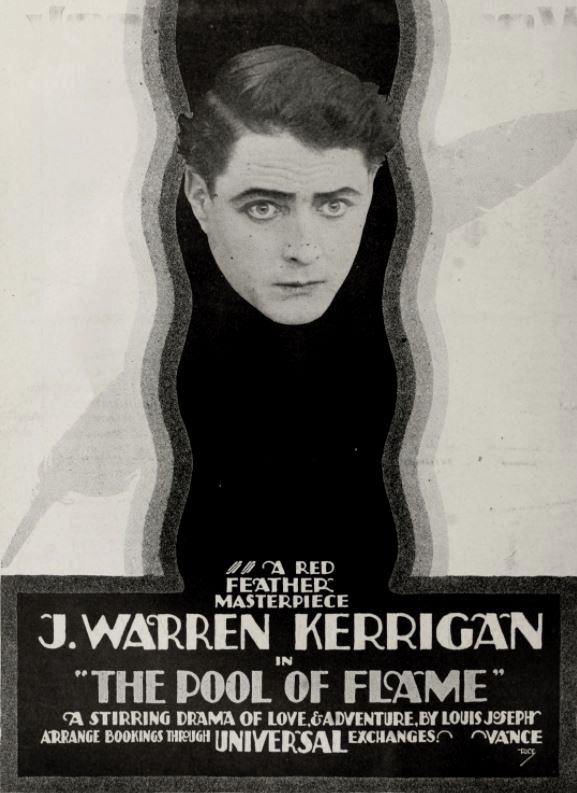
The direction, while perhaps not as overtly stylized as some of its European contemporaries like The Vampires: The Poisoner with its darker, more gothic aesthetic, nevertheless demonstrates a clear understanding of pacing and visual narrative. The film effectively uses intertitles to advance the plot and convey dialogue, but the true artistry lies in its ability to tell a story through action and tableau. The exotic settings, though likely created on studio sets, are crafted to evoke a sense of adventure and danger, transporting the viewer to distant lands. This commitment to visual spectacle was crucial in a period when cinema was still defining its language, and 'The Pool of Flame' successfully leverages these nascent techniques to create an immersive experience.
The film’s setting in Rangoon and its focus on a stolen jewel from a Buddha statue squarely places it within the popular 'Orientalist' tradition of early 20th-century adventure narratives. This genre often romanticized and, at times, stereotyped Eastern cultures, using them as backdrops for Western heroes to prove their mettle. While modern audiences might view some of these portrayals with a critical eye, understanding them within their historical context is crucial. These films, including 'The Pool of Flame,' offered a window into a world perceived as mysterious and dangerous, fueling the imaginations of audiences eager for exotic thrills. The 'Pool of Flame' itself, a legendary ruby, serves as a potent MacGuffin, a symbol of immense power and desire that drives the entire plot forward. Its significance transcends mere monetary value, hinting at ancient curses or spiritual importance, a common motif in such tales.
Comparing it to other films that dabbled in exotic locales, one might consider The Princess of India, another film leveraging the mystique of the East for dramatic effect. While both films utilize foreign settings to enhance their adventurous narratives, 'The Pool of Flame' distinguishes itself by focusing on a tangible object of desire – the ruby – rather than solely on political or romantic intrigue, though those elements are certainly present. The quest for a physical artifact provides a clear objective, giving the film a propulsive energy that maintains audience engagement. This tangible goal, coupled with the intricate web of personal rivalries, forms the backbone of a compelling narrative that keeps viewers on the edge of their seats, even without the benefit of a modern soundtrack or special effects.
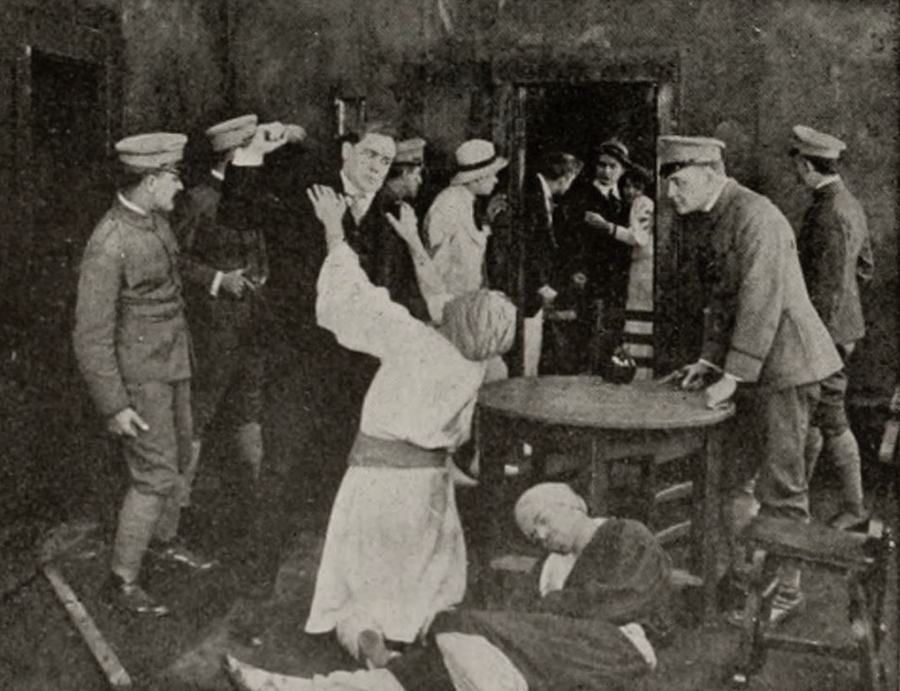
Beyond the thrilling pursuit of a priceless gem, 'The Pool of Flame' delves into themes of destiny, determination, and the validation of one's worth. Terence O'Rourke's journey is not merely about acquiring wealth; it's about earning the right to his chosen life partner. His success in recovering the ruby is symbolic of his triumph over personal limitations and external adversaries. It’s a narrative arc that speaks to the power of perseverance and the idea that true love can be achieved through brave, decisive action. This theme resonates strongly with the spirit of the era, where individualism and heroic endeavors were often celebrated.
The film's resolution, with O'Rourke securing both his fortune and his bride, provides a satisfying culmination to his arduous quest. It reinforces the classic romantic ideal that a hero's courage and virtue are ultimately rewarded. This neat tying up of loose ends was a hallmark of many films from this period, offering audiences a comforting sense of closure and justice. While perhaps lacking the psychological complexity of later dramas, 'The Pool of Flame' excels in delivering a straightforward, uplifting story of triumph. It is this uncomplicated yet compelling narrative, combined with the exotic appeal and the dedicated performances, that allows 'The Pool of Flame' to remain an intriguing piece of cinematic history, offering a glimpse into the foundational elements of adventure filmmaking.
'The Pool of Flame,' despite its age and the inherent limitations of silent film technology, stands as a vibrant example of early adventure cinema. It’s a film that, much like an ancient map, details the contours of a genre still in its infancy, outlining the tropes and narrative structures that would be refined and revisited for decades to come. From the dashing hero to the exotic setting, the coveted treasure to the nefarious villains, every element is meticulously placed to craft a thrilling escapade. The writers, F. McGrew Willis and Louis Joseph Vance, demonstrate a keen understanding of what makes an adventure story compelling, weaving together suspense, romance, and action into a cohesive whole.
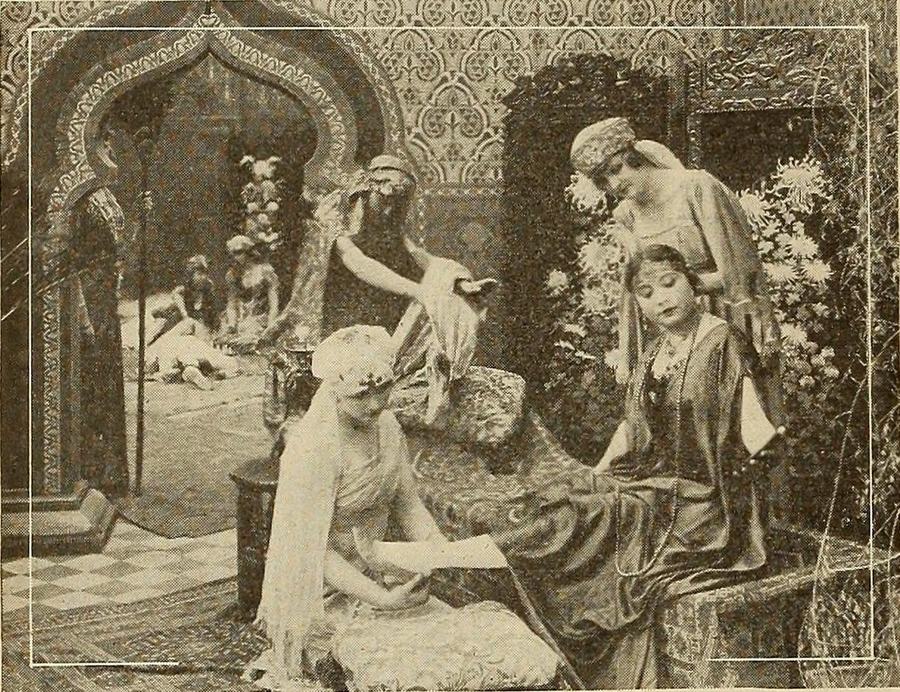
One can see its lineage in countless subsequent films that feature intrepid explorers seeking hidden treasures or rescuing damsels in distress. The sheer joy of a well-executed chase or a cleverly thwarted scheme is timeless, and 'The Pool of Flame' delivers these moments with an unpretentious flair. While we might not have the opportunity to view this film in its original theatrical splendor with a live orchestra, its narrative power remains undiminished. It serves as a valuable artifact, reflecting the cultural fascinations and storytelling conventions of its time, and providing a fascinating counterpoint to the more somber or character-driven narratives of films like Destiny: or, the Soul of a Woman. Here, the focus is squarely on exhilaration and the pursuit of a tangible goal.
The performances, particularly that of Bertram Grassby, are a masterclass in silent film acting, where every gesture and expression must convey reams of unspoken dialogue. Lois Wilson, as the object of his affection, manages to project both vulnerability and strength, making her a worthy prize for the hero's daring exploits. The film’s ability to generate suspense and excitement through purely visual means is a testament to the directorial skill and the actors' commitment to their craft. It reminds us that storytelling, at its most fundamental, transcends language and technology, relying instead on universal human experiences and emotions.
In conclusion, 'The Pool of Flame' is more than just an old film; it is a vibrant piece of cinematic history that continues to offer lessons in narrative construction and character development. It is a reminder of a time when the silver screen was a canvas for grand adventures, where heroes were unequivocally heroic, villains were deliciously devious, and love ultimately triumphed over adversity. For aficionados of vintage cinema and anyone with a penchant for classic adventure, this film offers a delightful journey back to the formative years of an art form that continues to evolve. Its legacy, though perhaps not as widely celebrated as some of its contemporaries, is etched into the very fabric of adventure storytelling, a radiant gem in the annals of silent film history.

IMDb —
1919
Community
Log in to comment.