DbcultAccessing Vault...
7.4/10
Senior Film Conservator
A definitive 7.4/10 rating for a film that redefined the boundaries of cult cinema. His Private Life remains a cornerstone of transgressive art.
Short answer: Yes, but only if you appreciate the mechanical perfection of silent-era stunts over a nuanced plot. This film is a mandatory watch for students of physical comedy and those who enjoy seeing the 'little guy' finally get a chance to scream back at his boss.
This film is for enthusiasts of the 'Legmania' style and fans of Roscoe Arbuckle's directorial precision. It is NOT for viewers who require emotional stakes or a story that extends beyond the basic setup of a 20-minute gag reel. It is a relic of a time when a well-timed fall was worth more than a page of dialogue.
1) This film works because Lupino Lane’s physical agility is so extreme it borders on the supernatural.
2) This film fails because it lacks the heart found in Chaplin or the structural ambition of Keaton.
3) You should watch it if you want to see a textbook example of 1920s class-reversal comedy.
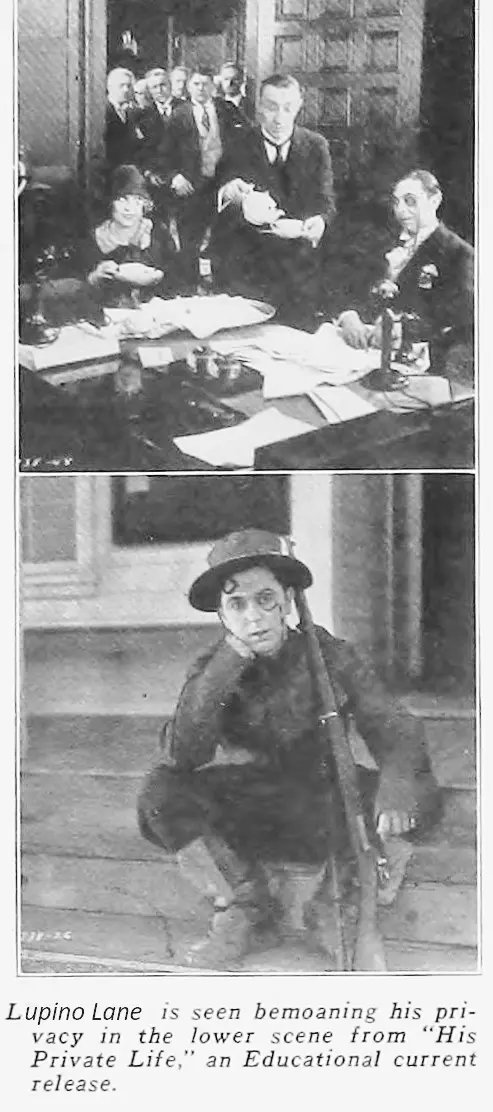
In the world of 1928, the audience didn't just want a laugh; they wanted a surrogate for their own frustrations. His Private Life delivers this through the most basic of social inversions. Reggie Hemingway starts the film as a man who treats human beings like furniture. When he arrives at camp and sees his valet in a position of absolute military authority, the film shifts gears into a frantic, almost mean-spirited series of drills.
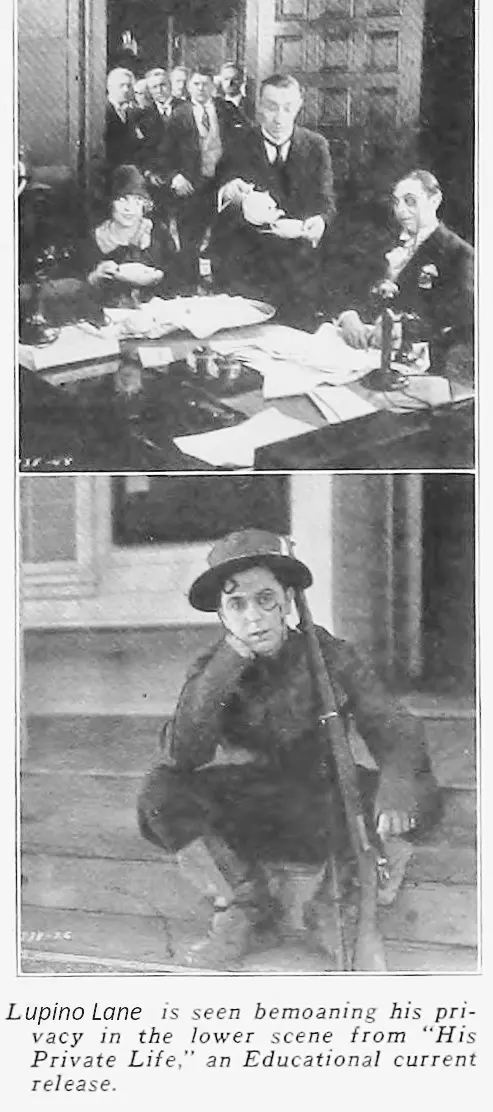
There is a specific moment where the Sergeant (the former valet) forces Reggie to repeat a basic march. It isn't just about the comedy of Reggie’s clumsy feet; it’s about the look of sheer, unadulterated joy on the Sergeant’s face. Unlike the more polite comedies of the era, such as Dabbling in Society, this film leans into the pettiness of revenge. It’s honest in its cruelty.
The pacing here is relentless. Arbuckle, directing under the pseudonym William Goodrich, understood that the audience's attention was a fragile thing. He doesn't waste time on Reggie’s transition from civilian to soldier. One minute he’s a broker, the next he’s a bumbling private. This lack of filler makes the film feel modern, even if the social commentary is as subtle as a brick to the head.
If you haven't seen Lupino Lane move, you haven't seen the full potential of the human spine. Lane doesn't just fall; he collapses in sections. In His Private Life, his performance as Reggie is a masterclass in 'controlled incompetence.' It takes a high level of athletic skill to look that uncoordinated. In one sequence involving a rifle drill, Lane manages to hit himself and everyone around him without ever breaking the rhythm of the scene.
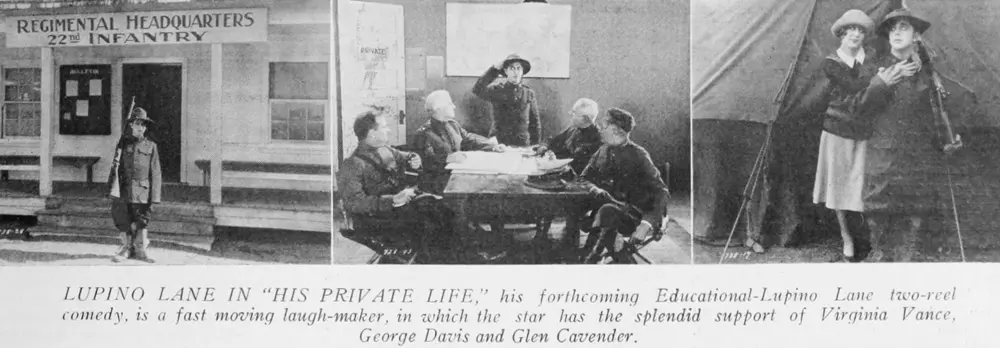
Compare his physicality to the more grounded performances in The Texas Trail. While Westerns of the time relied on scale, Lane relies on the micro-movement. His eyes tell one story—panic—while his legs tell another—chaos. It is a performance that reminds us why silent film was a universal language. You don't need subtitles to understand the terror of a man who realized he just insulted the person who now controls his life.
The chemistry between Lupino Lane and Wallace Lupino (his real-life brother) adds a layer of comfort to the physical violence. There is a trust in their timing that allows for more dangerous-looking stunts. When the Sergeant kicks Reggie or shoves him, the impact feels real because the performers are so synchronized. It’s a violent dance that makes modern slapstick look timid and over-edited.
Roscoe Arbuckle’s career was a tragedy, but his work as a director during his 'exile' shows a man who had mastered the geometry of a joke. In His Private Life, the camera is rarely stationary for the sake of it. It is placed at the exact angle needed to capture the maximum impact of a pratfall. Unlike the static staginess of The Cost, Arbuckle’s framing feels alive.
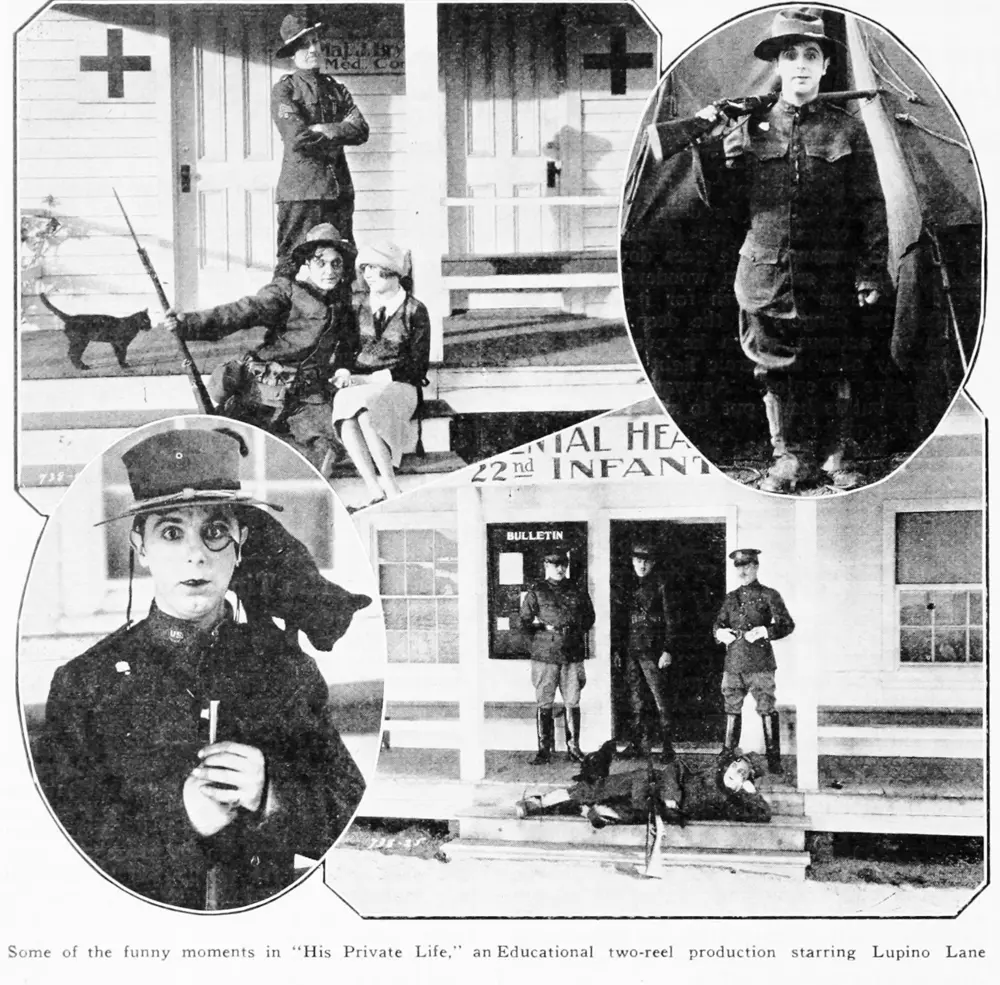
There is a specific shot where Reggie is trying to clean the barracks. The way Arbuckle uses the depth of the room to hide and then reveal the Sergeant creates a sense of dread that mirrors a horror film, only to subvert it with a gag involving a bucket of water. It’s sophisticated filmmaking hidden under the guise of 'low-brow' humor. Arbuckle knew that comedy is about the expectation of a result, and then the denial of that result.
The film’s visual clarity is also worth noting. Even in degraded prints, the silhouette of the characters is distinct. This was a hallmark of the Goodrich-directed shorts. Every character has a 'shape' that defines them before they even move. Reggie is all sharp angles and nervous energy; the Sergeant is a solid, immovable block of military discipline.
The biggest flaw of His Private Life is its brevity. Because it moves so fast, we don't get enough of the 'broker' life to truly hate Reggie before he gets his comeuppance. The film assumes the audience already knows the archetype. While this works for a quick laugh, it prevents the film from being a 'great' work like Life. It settles for being a very good one.
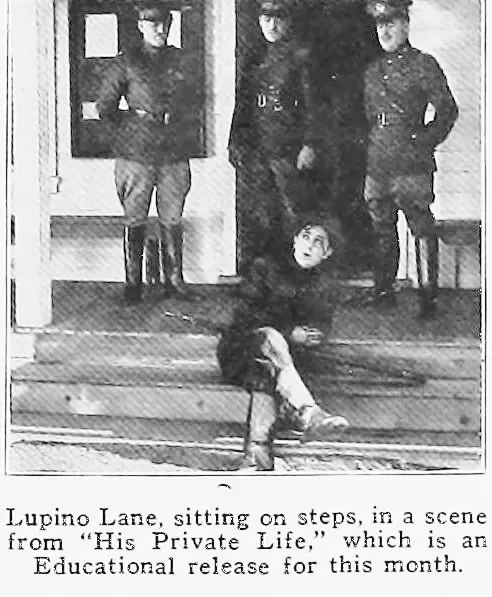
However, the short runtime does prevent the 'drill' gags from becoming repetitive. Many films of this era, like Rarin' to Go, tend to beat a dead horse with their central premise. Arbuckle and Lane have the discipline to move on to the next joke before the current one sours. It’s a 'hit and run' style of comedy that leaves the viewer breathless.
The transition from the office to the camp is the film's weakest point. It feels like a reel is missing, even if it isn't. But once the boots hit the dirt, the film finds its groove. The lack of a romantic subplot—something that bogged down films like Cupid's Roundup—is a blessing. This is a story about men, power, and gravity. Nothing more.
His Private Life is a fascinating, if slightly mean, artifact of the late silent era. It works. But it’s flawed. It doesn't have the grand vision of What Happened to Jones, but it possesses a raw, kinetic energy that most films of the period lacked. Lupino Lane is a marvel of human movement, and Arbuckle’s direction is as sharp as a bayonet.
While it won't change your life, it will certainly make you appreciate the art of the fall. In a world of CGI and over-rehearsed action, there is something deeply refreshing about watching a man actually throw himself into a pile of mud for a laugh. It’s honest work. It’s a minor classic that deserves a spot on your watchlist if only to see a valet finally get his day in the sun.
IMDb 5.7
1932
Community
Log in to comment.