DbcultAccessing Vault...
Cult Review
Senior Film Conservator
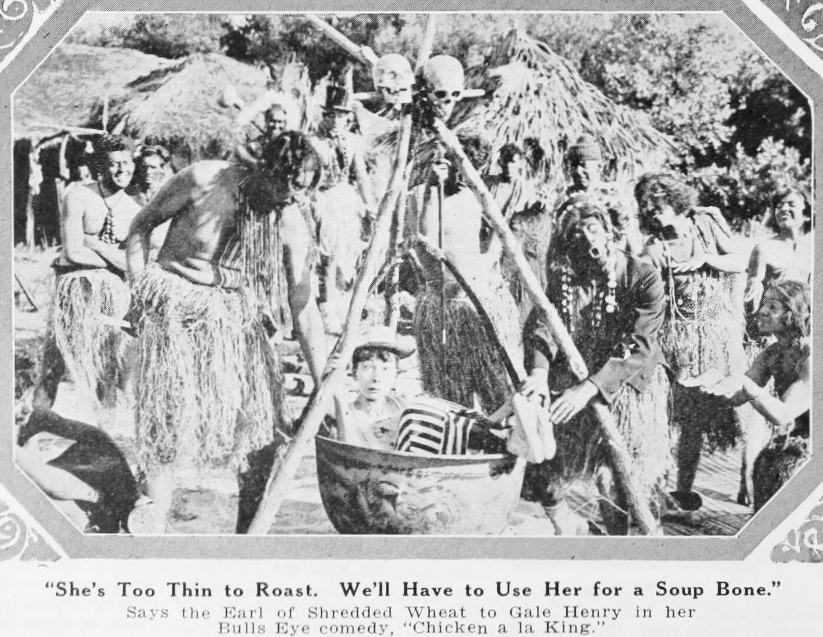
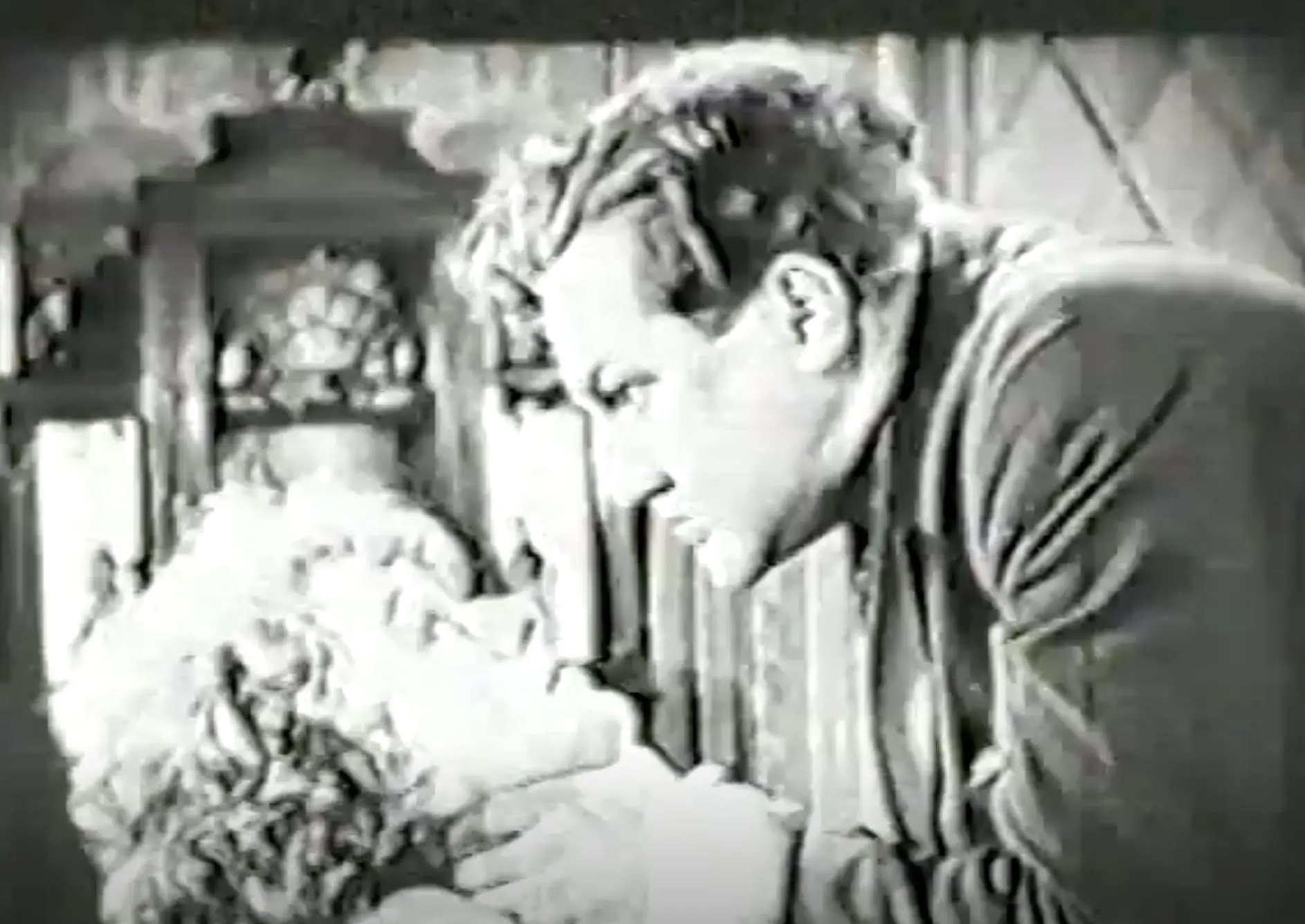
Imagine, if you can, a city that never existed yet feels like home the instant its celluloid cobblestones flicker beneath your retinas—a place where the air tastes of contraband vanilla and the electric signage hums lullabies to the insomniac moon. Chicken à la King arrives as a ghost train of a comedy, rattling through the corridors of 1928 with its trousers inside-out and a whoopee-cushion tucked under the seat of polite society. Hap Ward, whose face folds into commas whenever he grins, plays the archetypal little-guy-swallowed-by-the-metropolis, but the joke is that the metropolis itself is a nervous breakdown in search of a punchline. Directors—unnamed in the surviving print, probably by design rather than omission—stage every gag like a cubist postcard: a door opens onto the wrong century, a purse yawns to reveal a subway map, a chicken leg is doffed like a top-hat. The cumulative effect is less narrative than vertigo.
Gale Henry, long-limbed and kinetic, weaponizes the flapper silhouette; her knees perform morse code while her eyes stay deadpan, as if Buster Keaton possessed by Josephine Baker. She enters wearing a cloche hat shaped like a gravy boat and exits trailing rumor, never explanation. Milburn Morante, saddled with the thankless role of ‘foreign chef,’ transmutes it into commedia dell’arte: his moustache droops when he lies, levitates when he tells the truth—an absurd barometer in a film allergic to sincerity. Together this triumvirate chases not dinner but the idea of dinner, the rumor that somewhere a plate of creamed fowl awaits to solve hunger, heartbreak, and the imminent stock-market crash.
Shot largely at night, the negative seems dipped in champagne then rolled in soot; highlights bloat like overripe pears while shadows congeal to tar. Such chiaroscuro was not luxury but necessity—electricity rates soared, so cinematographer (again, anonymous) painted bulbs with iodine, stretched cheesecloth above sets, and let the city’s own mercury vapor do the rest. The result is a grainy fever dream that makes A Modern Thelma look over-lit and The Confession positively baroque. Every frame carries the threat of dissolution, as though the film itself might flake off the sprockets and join the coal dust on the cutting-room floor.
Because the original synchronized track is lost, modern screenings rely on conjecture: some archivists slap on Duke Ellington, others opt for kitchen-sink foley—clanging ladles, sizzling fat. I recommend silence. Let the holes in the optical soundtrack yawn like elevator shafts; let the audience supply the clatter of phantom cutlery. The gaps become punchlines, the white space of a comic strip where your eye instinctively fills in the pratfall. Compared to the dense orchestral gags of 12.10 or the proto-noir stings of Cash, this muteness feels radical, almost punk.
Under the slapstick lurks a parable of consumption: who gets to eat, who merely salivates. The eponymous dish—cream, pimiento, and diced chicken luxuriating on toast points—was, in 1928, a status symbol freighted with Francophile snobbery. The film’s proles will never taste it; instead they devolve into cabaret savagery, auctioning their dignity for a rumor. Sound familiar? Swap crypto for chicken and you’ve got Dollars and the Woman or Rule G, only with more sequins and existential dread.
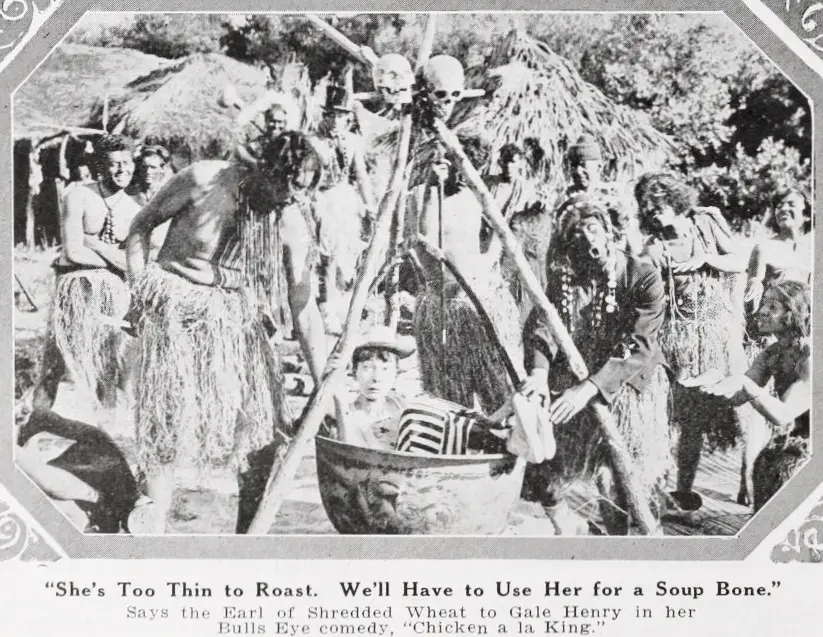
Gale Henry’s character owns the first piece of dialogue in the intertitles: “I’m not after the chicken, I’m after the king.” The line detonates a minefield of meanings: gold-digger satire, proto-feminist declaration, or merely the age-old conflation of food and sex. She spends the film pirouetting out of every man’s grasp, but the camera adores her velocity; even when she’s framed in a dumbwaiter, half-buried in napkins, her gaze shoots past the lens into tomorrow. Compare that to the penitent suffering of The Branded Woman or the Gothic incarceration of The Enchanted Barn, and you realize how audacious it is to let a comedienne run riot without moral retribution.
Double-feature it with Hop - The Devil’s Brew and you’ll witness two temperaments of 1928: one sodden with temperance melodrama, the other drunk on its own absurdity. Program it beside Berlin W. and you’ll see cosmopolitan panic wearing different hats—Teutic grimness versus American hysteria. Only The World and His Wife matches its champagne-bubble nihilism, though that film ends in matrimonial resignation whereas Chicken à la King refuses catharsis; it closes on a collective shriek of laughter, an open-mouthed rictus aimed at the void.
The existing print—1,247 meters of nitrate—was rescued from a condemned theater in Ljubljana in 1997, hand-carried through customs in a cigar box. Labs in Bologna rehydrated the stock, coaxing emulsion back from vinegar doom; yet scars remain: a vertical scratch bisects reel three like a stiletto wound, and the climactic gag is missing twelve frames, forever lost to shrinkage. These imperfections amplify the film’s ghostliness; each flicker reminds us how easily history can dissolve. Compare that to the pristine safety negatives of The Great Cattle War or the digitally laundered slapstick of Dining Room, Kitchen and Sink, and you’ll appreciate the bruised authenticity on display.
We live in an era where food porn clogs every feed and culinary exclusivity fuels class resentment. A century ago this film diagnosed the same pathology, only it wrapped the diagnosis in a custard pie. Its despair is quieter than the trenchant social realism of Der Mädchenhirt, but the laughter it provokes is the kind that catches in your throat, half hiccup, half sob.
So when the lights drop and the projector rattles like cutlery in a drawer, surrender to the nonsense. Let the absence of chicken, king, or logical closure gnaw at you. Because the ultimate gag of Chicken à la King is that the quest was never edible—it was the communal hallucination, the shared appetite, the hope that somewhere, amid the steam and neon, there exists a morsel large enough to quiet the stomach of the world.
IMDb 5.6
1915
Community
Log in to comment.