DbcultAccessing Vault...
Cult Review
Senior Film Conservator
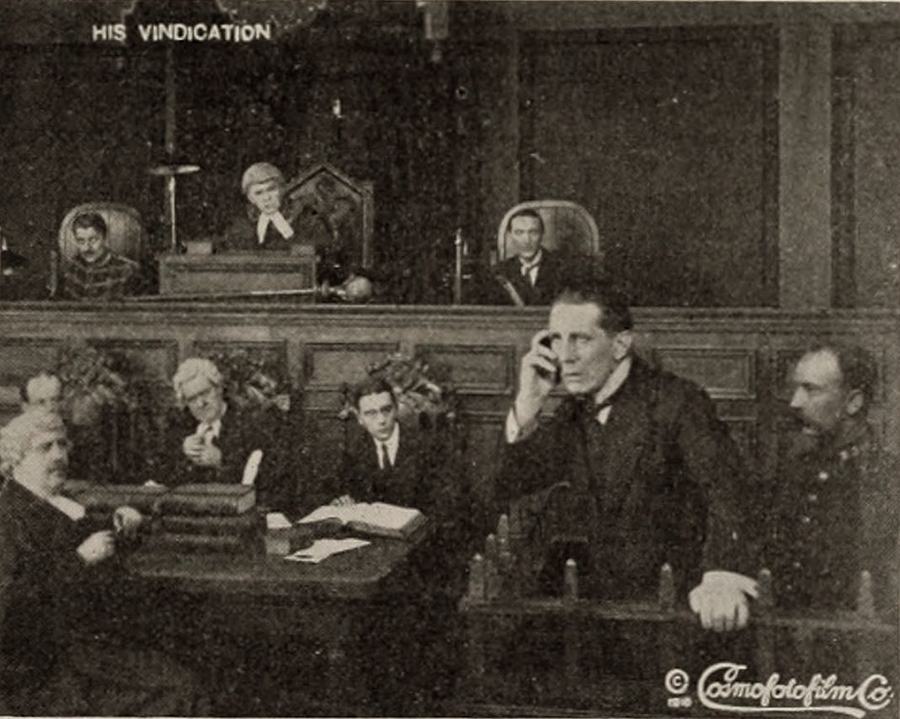
The cinematic landscape of the early 20th century, particularly the silent era, often served as a crucible for exploring profound human emotions and societal injustices through heightened melodrama and visual storytelling. Among these narrative tapestries, 'His Vindication' emerges as a compelling, if somewhat overlooked, example of a story steeped in personal tragedy, elaborate deception, and the relentless pursuit of justice. Released in 1919, a period of immense social flux following the Great War, this film, directed by an uncredited hand but penned by W. Gayer Mackay, Robert Ord, and Bannister Merwin, plunges its audience into a world where identity is fluid, and the stakes are nothing less than a man's honor and his son's future.
At its core, 'His Vindication' is a tale of a man pushed to the very brink of despair and forced to reinvent himself to combat an insidious evil. Our protagonist, whose name is lost to the mists of time but whose plight resonates powerfully, finds himself in an unenviable predicament: framed for a crime he did not commit. This injustice alone would be enough to break a lesser man, but it is compounded by an even more grievous wound – the murder of his brother at the hands of a ruthless gambler. This antagonist, a figure of pure malevolence, not only orchestrates the brother's demise but also poses a direct threat to the protagonist's son, drawing the boy into his nefarious orbit of chance and moral decay. The narrative hinges on the protagonist's audacious decision to adopt a disguise, transforming into an unassuming, elderly violinist. This isn't merely a superficial change; it's a complete immersion, a shedding of his former self to become an invisible observer, a silent guardian. This elaborate ruse allows him to infiltrate the gambler's world, to watch, to learn, and to meticulously plan his counter-strike. The film, therefore, becomes a tense psychological drama, a slow burn of strategic maneuvering and emotional suppression, as the father navigates the perilous path of maintaining his cover while inching closer to his dual objectives: saving his son from the gambler's clutches and exacting a righteous revenge for his brother's murder. The sheer audacity of this premise, even by silent film standards, demands a suspension of disbelief that the era's audiences were more than willing to grant, captivated by the raw power of a father's love and a brother's loyalty.
The success of such a narrative, particularly in the silent film medium, rests heavily on the shoulders of its performers, who must convey complex emotions and motivations through gesture, facial expression, and physicality. Gerald Ames, in the central role, carries the immense burden of portraying a man fractured by injustice and grief, yet galvanized by a potent sense of purpose. His transformation from the wronged man to the wizened violinist must have been a tour de force of subtle acting for the period, demanding a complete physical and emotional metamorphosis. Ames's ability to project both vulnerability and steely resolve, often simultaneously, would have been crucial in selling the believability of his elaborate disguise. The supporting cast, including W. Kershaw, Philip Hewland, Chappell Dossett, Blanche Bryan, Charles Rock, and Douglas Munro, each contribute to the film's dramatic tension. The gambler, presumably portrayed by one of these actors, would need to embody a chilling, manipulative villainy, a stark contrast to Ames's tormented heroism. Blanche Bryan, likely playing a pivotal female role, perhaps the protagonist's wife or an unwitting pawn in the gambler's scheme, would have added another layer of emotional depth to the proceedings. The nuances of their performances, stripped of dialogue, would have been paramount in conveying the intricate power dynamics and emotional undercurrents of the story. The silent era's reliance on exaggerated expressions and body language, while sometimes appearing melodramatic to modern eyes, was a sophisticated art form in its time, capable of communicating profound narratives without a single spoken word. The effectiveness of 'His Vindication' would have been a direct testament to the actors' mastery of this unique craft.
The thematic richness of 'His Vindication' extends beyond its thrilling plot. It delves into universal concepts that resonate across generations. The most prominent theme is, undoubtedly, that of justice – not merely legal justice, which has failed our protagonist, but a more primal, personal form of retribution and restoration. The film explores the moral ambiguities inherent in seeking such justice, particularly when it necessitates deception and living a lie. The protagonist's journey is a profound meditation on identity. What does it mean to be oneself when one must completely adopt another persona? How does this dual existence affect one's psyche, one's relationship with the world, and one's perception of self? This exploration of identity, or the deliberate suppression of it, is a fascinating aspect of the narrative. Furthermore, the unwavering power of paternal love forms the emotional bedrock of the story. The protagonist's willingness to risk everything, to endure unimaginable psychological strain, is solely driven by his desire to protect his son. This fierce, protective instinct is a timeless and universally understood motivator, grounding the more fantastical elements of the plot in deeply human emotion. The film also touches upon the corrupting influence of gambling and moral decay, positioning the antagonist as a symbol of societal vice, against which the protagonist's purity of purpose shines brightly. These thematic layers elevate 'His Vindication' beyond a simple revenge tale, transforming it into a compelling examination of human resilience, sacrifice, and the enduring quest for moral equilibrium in a world often devoid of it.
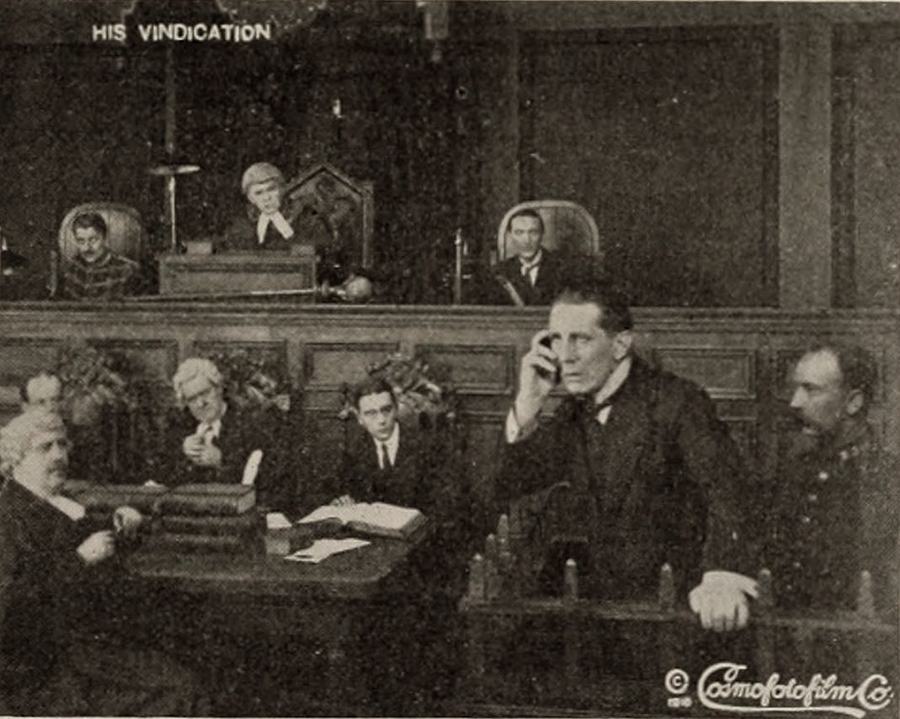
To fully appreciate 'His Vindication', it's beneficial to situate it within the broader landscape of early 20th-century cinema. The silent era was a period of rapid innovation, where filmmakers were constantly experimenting with narrative structures, visual techniques, and the very language of film. While specific directorial styles of 'His Vindication' might be lost to time, the film undoubtedly benefited from the burgeoning understanding of continuity editing, dramatic lighting, and the use of intertitles to convey dialogue and exposition. The reliance on strong, archetypal characters – the wronged hero, the dastardly villain, the innocent child – was a hallmark of the period, designed to evoke immediate emotional responses from a diverse audience. Comparing 'His Vindication' to other films of its time offers insightful parallels. The theme of a man clearing his name or escaping injustice, for instance, finds echoes in films like The Man Who Disappeared, where protagonists often navigate intricate plots to uncover truth or evade capture. The elaborate use of disguise for a noble purpose, a central tenet of 'His Vindication', can be seen in other melodramas where characters assume new identities to achieve their goals, whether for love, justice, or survival. The focus on a father's desperate struggle to save his child, another powerful motif, resonates with the emotional core found in many family dramas of the era. Even the element of the underworld, represented by the gambler, was a common trope, explored in films like The $5,000,000 Counterfeiting Plot, which often depicted the dark underbelly of society and the moral battles waged within it. The dramatic tension inherent in a secret identity, where exposure could mean ruin, is a narrative device that continued to captivate audiences, much like the suspense generated in thrillers of the period. While 'His Vindication' might not have achieved the same iconic status as some of its contemporaries, its narrative ambition and thematic depth place it firmly within the tradition of compelling silent-era storytelling, offering a window into the dramatic sensibilities of the time.
In the absence of spoken dialogue, silent films cultivated a unique visual language, relying on expressive cinematography, meticulous set design, and evocative lighting to convey mood and advance the plot. While specific details of 'His Vindication's' visual style are not widely documented, one can infer certain artistic choices common to the period. The contrast between the protagonist's former life and his disguised existence would likely have been emphasized through visual cues – perhaps stark, angular lines in scenes depicting his framing or the gambler's lair, juxtaposed with softer, more sympathetic lighting when he is with his son. The violinist's disguise would have been carefully crafted, with makeup and costume playing a crucial role in creating a believable transformation. The atmosphere of the gambling dens would have been rendered with a sense of smoky illicit activity, perhaps through chiaroscuro lighting, creating deep shadows and stark highlights to convey moral ambiguity and danger. The use of close-ups on the actors' faces, particularly Gerald Ames, would have been essential for communicating the internal turmoil and subtle emotions that could not be articulated through words. The rhythm of the editing, the pacing of the scenes, would have been carefully orchestrated to build suspense during the protagonist's undercover operations and to heighten the emotional impact of key dramatic moments. The film's overall aesthetic would have aimed to create a world both familiar and fraught with peril, drawing the audience into the protagonist's desperate struggle. The ability of silent films to transcend the language barrier through purely visual means is a testament to the power of this early cinematic art form, and 'His Vindication', with its strong narrative and clear emotional stakes, would have leveraged these visual techniques to their fullest extent, crafting a compelling and immersive experience for its viewers.
The vast majority of silent films, tragically, have been lost to the ravages of time, neglect, and the inherent fragility of nitrate film stock. Whether 'His Vindication' survives in its entirety or only in fragments is a question that often plagues film historians and enthusiasts. However, for those films that do endure, even in partial form, their value is immeasurable. They offer crucial insights into the cultural, social, and artistic sensibilities of a bygone era. 'His Vindication', with its potent themes and dramatic premise, serves as a significant artifact of early British cinema, showcasing the narrative sophistication and emotional depth that filmmakers were capable of achieving without the benefit of synchronized sound. The film's examination of a man's struggle against overwhelming odds, his willingness to sacrifice his identity for his family, and his relentless pursuit of justice are themes that remain perennially relevant. While it may not be as widely discussed as some of its more celebrated contemporaries, its existence, even as a historical record, contributes to our understanding of cinematic evolution. The rediscovery or preservation of films like 'His Vindication' is a continuous effort by archives and cinephiles, as each recovered reel adds another piece to the intricate puzzle of film history, allowing new generations to appreciate the foundational artistry upon which modern cinema is built. Its narrative, though set in a distant past, speaks to the timeless human desires for truth, retribution, and the profound love that binds families together, making it a powerful testament to the enduring appeal of compelling storytelling on screen.
In conclusion, 'His Vindication' stands as a compelling testament to the dramatic power of early cinema. It is a film that, despite its age and the technical limitations of its era, manages to weave a complex tapestry of betrayal, disguise, and unwavering paternal devotion. The narrative's audacity, coupled with the silent film actors' ability to convey profound emotion through gesture and expression, would have made it a gripping experience for audiences of 1919. The film's exploration of justice, the malleability of identity, and the indomitable spirit of a father fighting for his son are themes that transcend the specific historical context, resonating with a universal human experience. While perhaps not a household name today, 'His Vindication' offers a fascinating glimpse into the rich storytelling traditions of the silent era, reminding us of the foundational artistry that shaped the medium. It reinforces the idea that compelling narratives, driven by strong characters and universal themes, are timeless, capable of captivating audiences regardless of technological advancements. This silent drama, with its intricate plot and emotional depth, deserves recognition as a significant piece of cinematic history, embodying the spirit of an era where visual storytelling reigned supreme and the power of human drama was conveyed through the most expressive of silences.
IMDb —
1918
Community
Log in to comment.