DbcultAccessing Vault...
Cult Review
Senior Film Conservator
Stepping back into the nascent years of cinematic storytelling, Mary Asquith and Victoria Cross's "Life's Shop Window" (1914) emerges not merely as a relic of a bygone era, but as a poignant, still-resonant examination of societal hypocrisy and the devastating consequences of concealed truths. In an age where moral codes were rigidly enforced and reputations meticulously guarded, this film dared to peer behind the polished façade of Edwardian life, exposing the raw vulnerability of individuals caught in the unforgiving glare of public perception. It’s a narrative that, despite its silent film origins, speaks volumes about the enduring human struggle against judgment and the relentless pressure to conform. The very title, "Life's Shop Window," serves as a masterful metaphor, inviting us to consider how much of our existence is curated for external approval, and what tragic depths lie hidden beneath such carefully constructed displays. This film isn't just a historical artifact; it's a mirror reflecting timeless anxieties about social standing, personal integrity, and the often-cruel intersection of love and societal expectation.
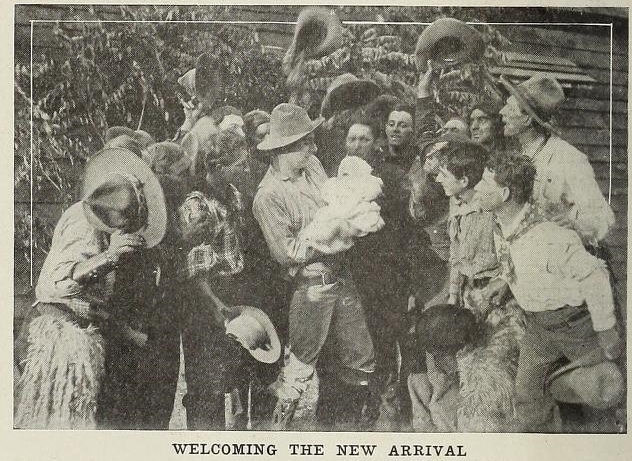
At its core, "Life's Shop Window" meticulously unravels a tale of clandestine passion and its profound reverberations. We are introduced to an English household where rigid class distinctions dictate every interaction, yet love, in its stubborn refusal to adhere to social stratifications, blossoms between a humble farmer and a servant girl. Their union, born of genuine sentiment, is necessarily clandestine, a secret marriage conducted away from the disapproving gaze of a society obsessed with propriety. This secrecy, however, proves to be a double-edged sword. When a child is born of this hidden bond, its legitimacy is immediately called into question by the very community that would have condemned the marriage had it been public. The film masterfully portrays the agonizing predicament of the parents, particularly the mother, as she navigates the crushing weight of societal opprobrium. The child, an innocent product of love, becomes a symbol of scandal, its very existence challenging the established order and threatening to unravel the carefully woven tapestry of their lives. The narrative doesn’t shy away from depicting the pervasive cruelty of rumor and the swiftness with which reputations can be irrevocably tarnished, a theme that resonates with the stark social commentary found in works like It Is Never Too Late to Mend, albeit through a different lens of social justice.
The film’s genius lies in its exploration of the psychological toll exacted by such a predicament. The characters are not merely archetypes but individuals grappling with internal conflict, torn between love, duty, and the crushing pressure of social conformity. The farmer, bound by his affections, yet also aware of the societal consequences, faces a profound moral quandary. The servant girl, meanwhile, embodies the tragic figure of a woman whose love has led her to a precipice of public shame, her motherhood tainted by the world's judgment. This intricate dance between personal desire and public decorum is rendered with a subtlety that belies the film's early cinematic origins, inviting audiences to empathize with the protagonists’ plight even as their choices defy conventional morality. The unfolding drama forces us to question the very foundations of societal judgment: is a child less legitimate if its parents' vows are known only to a select few? Is love, when deemed "improper," inherently less valid? These are not simple questions, and "Life's Shop Window" offers no easy answers, instead opting for a nuanced portrayal of human frailty and resilience.
In a silent film, the burden of conveying complex emotions falls squarely on the shoulders of the actors, demanding a mastery of gesture, expression, and physical presence. "Life's Shop Window" is fortunate in its cast, who, under the direction of Mary Asquith, deliver performances that transcend the limitations of the medium. Claire Whitney, in particular, shines as the beleaguered servant girl, her portrayal imbued with a profound sense of dignity amidst despair. Her eyes, often downcast yet capable of flashing with defiance or brimming with tears, communicate an entire universe of unspoken suffering and quiet strength. Whitney avoids the melodramatic excesses that sometimes plague early cinema, opting instead for a nuanced realism that makes her character’s plight deeply affecting. Her performance is a masterclass in conveying the internal turmoil of a woman caught between her heart's dictates and society's unforgiving gaze. It evokes a similar emotional intensity seen in Vera Kholodnaya’s performances in Russian melodramas of the era, such as Sumerki zhenskoy dushi, where the female protagonist's inner world is meticulously explored through subtle acting.
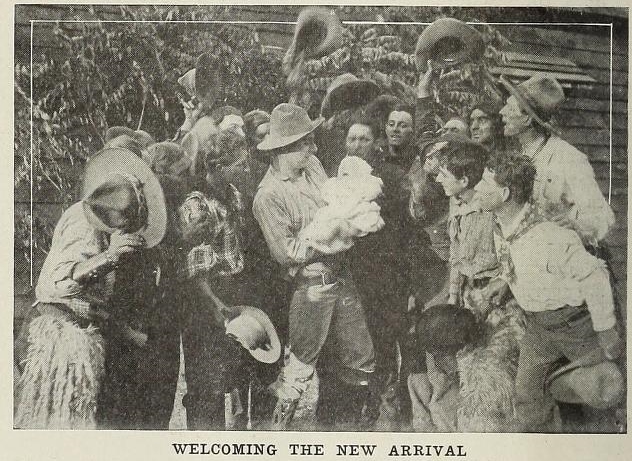
Stuart Holmes, as the farmer, provides a compelling counterpoint, depicting a man torn by conflicting loyalties and the weight of his secret. His struggle is palpable, conveyed through a combination of earnestness and growing desperation. Henry Belmar and Walter Hitchcock, in supporting roles, contribute to the film's rich tapestry of characters, each embodying different facets of the societal judgment and moral complexity that define the narrative. Teresa Michelena, though perhaps in a smaller capacity, also adds to the authenticity of the ensemble. The chemistry between Whitney and Holmes, though often expressed through longing glances and shared moments of quiet understanding rather than overt declarations, is undeniably present, lending credibility to the central romance. Their performances collectively elevate the film beyond a simple morality play, transforming it into a compelling human drama where every gesture, every flicker of emotion, carries significant weight. The unspoken dialogue between their characters is perhaps more powerful than any intertitle could convey, a testament to their skill and the director's ability to guide their expressive capabilities.
Mary Asquith's direction, especially remarkable given the nascent state of filmmaking technology, demonstrates a keen understanding of visual storytelling. The cinematography, while perhaps lacking the sweeping grandeur of later epics, is intimately focused, often employing close-ups to capture the raw emotion on the actors' faces. This deliberate choice draws the audience into the characters' internal worlds, making their struggles deeply personal. The settings, whether the rustic charm of the English countryside or the more confining interiors of the household, are utilized not merely as backdrops but as active participants in the narrative, reflecting the characters' social standing and emotional states. The stark contrast between the bucolic beauty of nature and the suffocating rigidity of societal norms is subtly underscored through careful framing and scene composition. Asquith uses the visual medium to comment on the psychological imprisonment faced by her protagonists, even in seemingly open spaces. This thoughtful approach to mise-en-scène sets "Life's Shop Window" apart, elevating it beyond a simple filmed play.
Furthermore, the pacing of the film is deliberate, allowing moments of quiet contemplation to punctuate the rising dramatic tension. Asquith understands the power of silence in silent cinema, using it to amplify emotional impact rather than merely fill gaps. The film’s visual rhetoric, from the symbolic imagery of the "shop window" itself—a façade behind which true life unfolds—to the subtle cues in costume and set design, contributes to a rich, layered viewing experience. The use of natural light, where possible, adds an authentic texture to the rural scenes, grounding the melodrama in a tangible reality. This directorial finesse ensures that even without spoken dialogue, the story's emotional beats are clear, potent, and universally understood. It’s a testament to Asquith's vision that she could craft such a compelling and visually articulate narrative in an era still experimenting with the very grammar of cinema. Her work here, though perhaps not as widely known as some contemporaries, stands as a significant contribution to early British filmmaking, demonstrating an early mastery of the medium's expressive potential. One might even draw parallels to the way When Fate Leads Trump uses visual cues to emphasize the relentless march of destiny, though Asquith's focus is more on the internal human struggle against external forces.
"Life's Shop Window" is far more than a simple romantic melodrama; it is a trenchant social commentary on the hypocrisies and rigid class structures of early 20th-century England. The film incisively critiques the prevailing moral codes that privileged appearance over truth, and societal approval over individual happiness. The concept of "illegitimacy" itself is deconstructed, revealing it as a social construct rather than an inherent moral failing. The film forces its audience to confront the arbitrary nature of such distinctions and the immense suffering they inflict upon those who transgress unwritten rules. The struggle of the farmer and the servant girl highlights the immense power wielded by social class, demonstrating how deeply it permeated every aspect of life, from personal relationships to legal standing. Their secret marriage, a desperate attempt to legitimize their love in their own eyes, ironically becomes the very source of their public undoing, as the hidden nature of their vows renders their child an outcast in the eyes of the community. This exploration of social stigma and the devastating impact of gossip feels strikingly contemporary, echoing concerns about public shaming and reputation management even in our hyper-connected age.
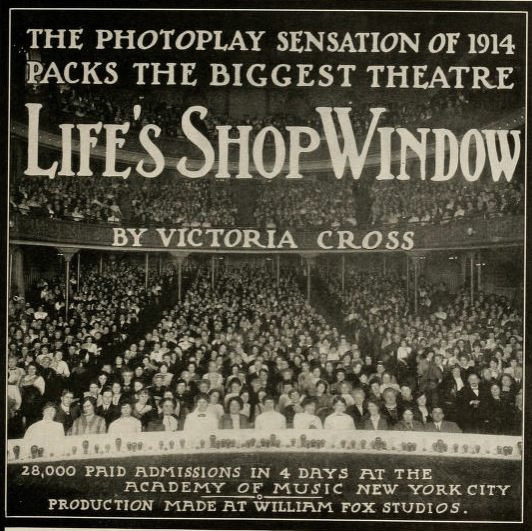
The metaphor of the "shop window" is particularly potent. It suggests a curated display, a public face meticulously arranged to meet the expectations of onlookers, while the true, often messy, reality remains hidden behind the glass. The film asks us to consider what we present to the world versus who we truly are, and the profound cost of maintaining such a façade. It's a universal theme that resonates across cultures and time periods, touching upon questions of authenticity, vulnerability, and the courage required to live truthfully in a world that often demands conformity. The film's bravery in tackling such sensitive subjects, particularly concerning female agency and motherhood outside conventional norms, places it in a lineage of progressive early cinema that dared to challenge the status quo. While not overtly polemical, its narrative implicitly advocates for a more compassionate understanding of human relationships, urging viewers to look beyond superficial judgments and recognize the inherent dignity in every individual's struggle. This thematic depth makes "Life's Shop Window" a surprisingly robust and thought-provoking piece, far from a mere historical curiosity. It even subtly touches upon dilemmas of gender and societal expectations of women in relationships, not unlike the questions posed by the title of Do Men Love Women?, though with a distinct focus on class and legitimacy.
As a product of 1914, "Life's Shop Window" stands as a fascinating artifact of early British cinema, showcasing the evolving artistry of the silent era. It predates many of the more widely recognized masterpieces but possesses a raw emotional power that speaks to the foundational strengths of the medium. The film’s relatively straightforward narrative structure belies its thematic complexity, demonstrating how early filmmakers were already adept at using visual storytelling to explore profound human experiences. Its existence reminds us that compelling drama and social critique were not exclusive to later, more technologically advanced periods of cinema but were integral to its very beginnings. The film’s exploration of class divides and moral judgment offers a valuable historical lens into Edwardian society, providing insights that go beyond mere textbook accounts. It’s a testament to the power of cinema to document and reflect the anxieties of its time, even as it entertains.
While it might not boast the epic scale of a film like The Sign of the Cross (referring to the 1914 version if it exists, or acknowledging the later epic as a different type of silent film achievement), its strength lies in its intimate focus and psychological depth. It’s a reminder that sometimes the most impactful stories are those that delve into the personal struggles within a confined social world. The film’s legacy, though perhaps not as prominent as some of its contemporaries, lies in its unflinching portrayal of human vulnerability and resilience in the face of rigid social structures. It contributes to a broader understanding of how early cinema grappled with complex moral questions, laying groundwork for future generations of filmmakers. For enthusiasts of silent film and social drama, "Life's Shop Window" offers a compelling and often heartbreaking journey into a world where appearances were everything, and the truth, no matter how pure, could be a dangerous burden. Its continued relevance lies in its exploration of themes that remain eternally pertinent: the struggle for acceptance, the burden of secrets, and the enduring quest for genuine connection in a world often quick to judge.
In conclusion, "Life's Shop Window" is a remarkably potent and emotionally resonant film that defies its age. Through evocative performances, thoughtful direction, and a narrative rich with social commentary, it invites us to look beyond the surface, to question societal norms, and to empathize with those whose lives are judged by external standards. It serves as a powerful reminder that the struggles for love, acceptance, and legitimacy are timeless, and that the 'shop window' of life often conceals more profound truths than it reveals. This film is a valuable piece of cinematic history and a compelling human drama that continues to provoke thought and stir emotion, proving that even in the earliest days of film, stories could be told with immense depth and lasting impact.
IMDb 6.9
1929
Community
Log in to comment.